Fiber Reinforced Plastic (FRP) pipes get their strong build and long-lasting quality from the careful setup of reinforcing fibers inside the resin base. The filament winding method is key to this strength. It decides how fibers line up compared to the pipe’s main line. The winding angle shows the path fibers take during making. This angle directly impacts qualities like hoop strength, axial strength, and ability to handle inside pressure. Better control over this factor makes sure each layer in the composite works well for the overall build.
The FW‑4000 filament winding machine marks a big step forward in making FRP pipes. It offers exact automatic control. This lets makers adjust fiber position and pull just right. With its smart control setups, this tool gives steady quality. It also predicts how the material will act in different batches.
What Is the Role of Winding Angle in FRP Pipe Performance?
Before we look at how various winding patterns affect FRP performance, we need to explain what the winding angle means in composite building.
The Concept of Winding Angle in Filament Winding
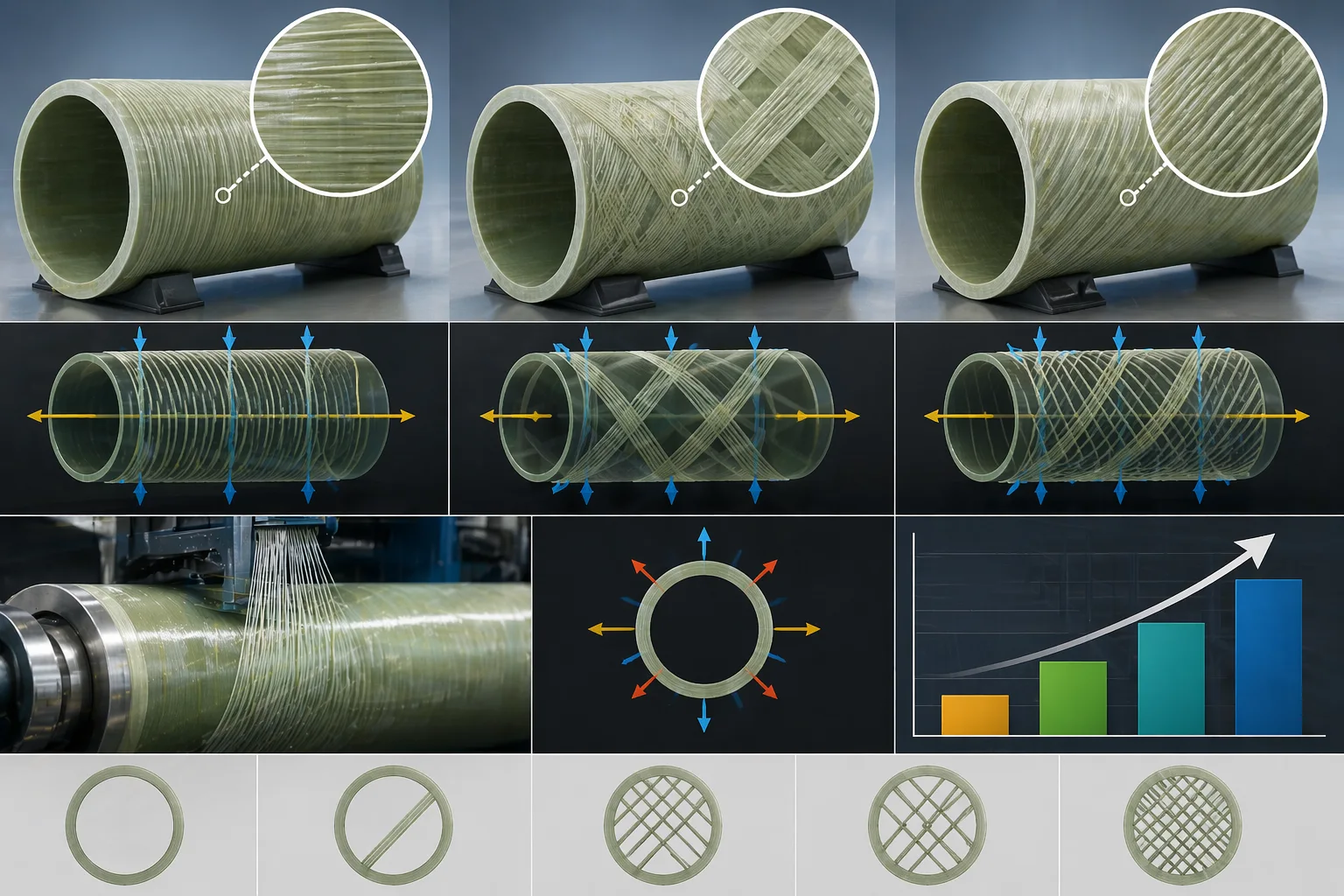
The winding angle is the slant between the fiber path and the pipe’s main length. Changing this slant shifts how forces spread in each layer when the pipe faces inside or outside loads. In real-world uses, angles like 30°, 55°, and 90° are common. People pick them based on if they need strength along the length or around the circle.
At smaller angles near 30°, fibers run mostly along the pipe’s length. This boosts resistance to loads along the axis. On the other hand, larger angles close to 90° focus fibers around the circle. This greatly improves strength against inside pressure.
Mechanical Properties Influenced by Winding Angle
The link between winding angle and how the material acts under force is basic to FRP design. Hoop strength grows with bigger winding angles. Why? Because fibers set around the circle can better fight outward push from inside pressure. Axial strength gains from smaller angles. There, fibers go straight along the pipe’s axis. Designers have to balance these two ways well. Too much focus on hoop might cut down bendability. Too much on axial could weaken resistance to bursting. The best setup fits the working conditions. These include pressure in use, changes in heat, and outside forces.
How Do Hoop and Helical Windings Differ in Structural Behavior?
Hoop and helical windings each have clear jobs in shaping FRP pipe performance. Putting them together decides how well the pipe handles different stresses. Let’s dive into their differences.
Hoop Winding Characteristics
Hoop windings go almost straight across, at about 85°–90° to the pipe axis. This setup mainly fights circle or hoop stresses from inside pressure. These layers give strong support against outward pull. They are often used in high-pressure pipes, chemical tanks, and pressure containers. In these, keeping everything inside is vital. By boosting hoop strength, these windings limit shape changes under heavy loads.
Helical Winding Characteristics
Helical windings usually fall between 30° and 55°. These layers help a lot with carrying loads along the length. They also improve resistance to bending from changing forces. Examples include ground shifts or heat growth. Helical setups boost how well the pipe handles repeated stress. They spread force evenly along fiber lines. This makes them great for long pipe networks that face shifting outside conditions.
Combining Hoop and Helical Layers for Balanced Strength
A mix of hoop and helical layers creates a well-rounded strength setup. Engineers often switch between these layers on purpose. Helical ones give steady hold along the length. Hoop ones strengthen the circle direction. The order of layers makes sure each part helps the other. This leads to better firmness without losing bend or hit resistance. Such teamwork lets FRP pipes work well under tough, multi-way load situations.
How Does the FW‑4000 Machine Optimize Fiber Placement Accuracy?
To get steady outcomes in big production runs, exact control of fiber direction is a must. This is where automatic filament winding tools like the FW‑4000 stand out. Now, we’ll explore its key features.
Precision Control Features of FW‑4000 Filament Winding Machine
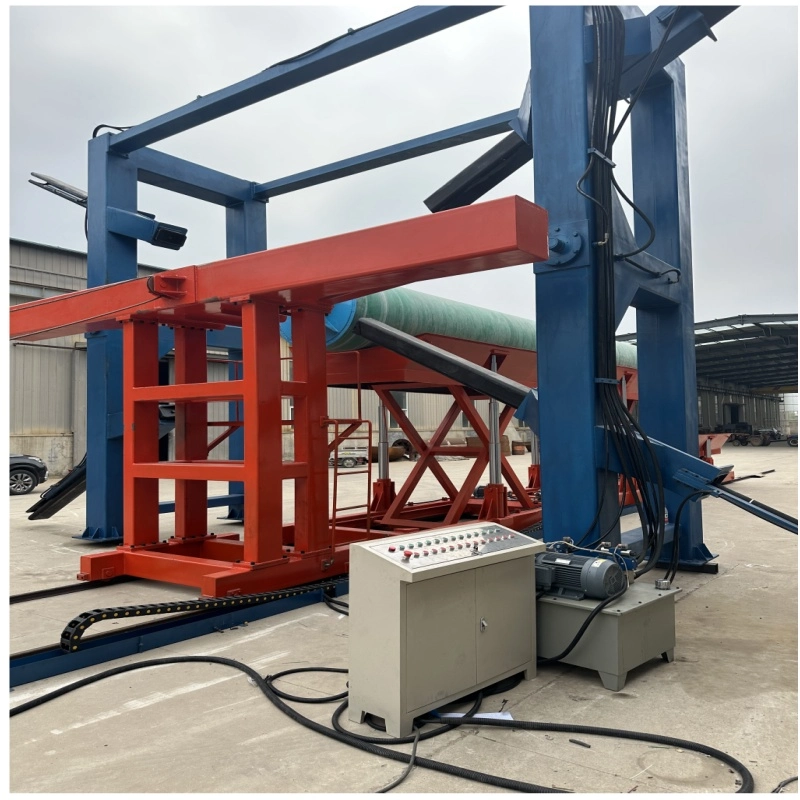
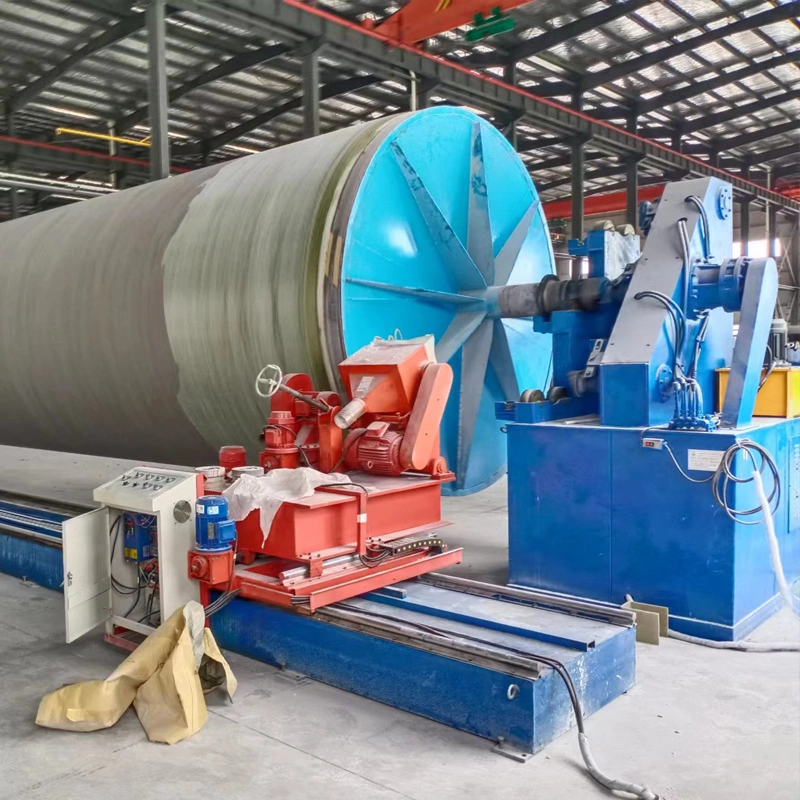
The FW‑4000 uses computer numerical control (CNC) for movement. It matches the turning of the mandrel with the speed of the moving part. This keeps winding angles spot on during the whole process. You can adjust the mandrel turn for different sizes or plans. This gives the same accuracy even at fast paces. Its built-in resin flow system ensures even coating on all fiber lines. This cuts down empty spots or areas with too much resin that might harm strength.
Advantages of Using FW‑4000 for FRP Pipe Production
By handling fiber placement with smart software plans, the FW‑4000 improves how well properties repeat across batches. It also cuts waste through better path setups. Makers can set up changeable angle patterns for tricky designs. No need for hand adjustments. This ease not only raises work speed but also sparks new ideas in composite building. It allows custom fixes for exact needs in applications.
Why Is Winding Angle Optimization Critical for Long-Term Durability?
The lasting dependability of FRP pipes relies a lot on keeping fiber direction right over their working years. Proper optimization plays a big role here.
Influence on Fatigue Resistance and Creep Behavior
Well-set winding angles cut down the start of tiny cracks during repeated pressure changes. They do this by lining up fibers with main stress paths. Composites set this way show less slow bending under constant loads. Fibers take most of the force, not just the plastic base. As a result, the life against wear grows a lot. This means less upkeep and lower costs over time.
Correlation Between Winding Design and Environmental Resistance
Fiber direction affects not just force qualities but also how well it holds up in surroundings. Right-aligned fibers block paths for water or chemicals. This boosts fight against rust in tough spots like salt water plants or chemical sites. Plus, good designs keep size steady during heat shifts. They spread heat pulls evenly across layers. This is key for long use in open areas or hot setups.
¿Quién es Hebei Aoliande Chemical Equipment Co., LTD.?
Hebei Aoliande Equipo Químico Co., LTD. is a skilled maker focused on advanced FRP building systems. This includes the FW‑4000 series of filament winding machines for exact composite making around the world. The firm offers custom automatic answers for fields like water cleaning pipes, chemical carry lines, and build containers that need top composites. It’s known for solid build rules and trusty support after sales. Hebei Aoliande keeps steady making quality with ongoing tech advances in filament winding.
Conclusión
The force-handling skill of an FRP pipe ties straight to its winding angle setup. This is a main factor in balancing hoop against axial strength traits. Both are vital for safe work under pressure or load shifts. Tools like the FW‑4000 give makers exact hold over fiber spot accuracy. This lets them fine-tune across varied product types. With smart design mixes backed by automatic systems, builders can reach top lasting power and trust. These fit hard industrial uses where safety and long life matter most.
Preguntas frecuentes
What is the ideal winding angle for high-pressure FRP pipes?
The best range is about 85° and 90°. This maxes out hoop support against inside pressure. It also keeps enough steady build along the pipe’s length.
How does improper winding angle affect FRP pipe performance?
Wrong fiber slant causes uneven force spread in layers. This can lead to early breaks like cracks, layer splits, or lower burst hold during work.
Can the FW‑4000 be customized for different pipe diameters?
Yes. The FW‑4000 handles changing mandrel sizes with tunable turn speeds and set feed rates. This allows smooth shifts across sizes without losing accuracy or material use.