
In industries such as chemical processing, water treatment, power generation, and fertilizer production, reliable storage solutions are critical. Traditional materials like steel and concrete have been used for decades, but they often struggle with corrosion, maintenance costs, and long-term durability. This is why many industries are turning to fiberglass reinforced plastic (FRP) tanks.
If you are searching for an FRP storage tank manufacturer, you’re probably looking for more than just a supplier. You want a partner that understands industrial applications, offers customized solutions, and delivers reliable products that can last for years.
In this article, I’ll walk you through what FRP storage tanks are, how they are manufactured, and what you should look for when selecting the right FRP storage tank manufacturer for your project.
What Is an FRP Storage Tank?
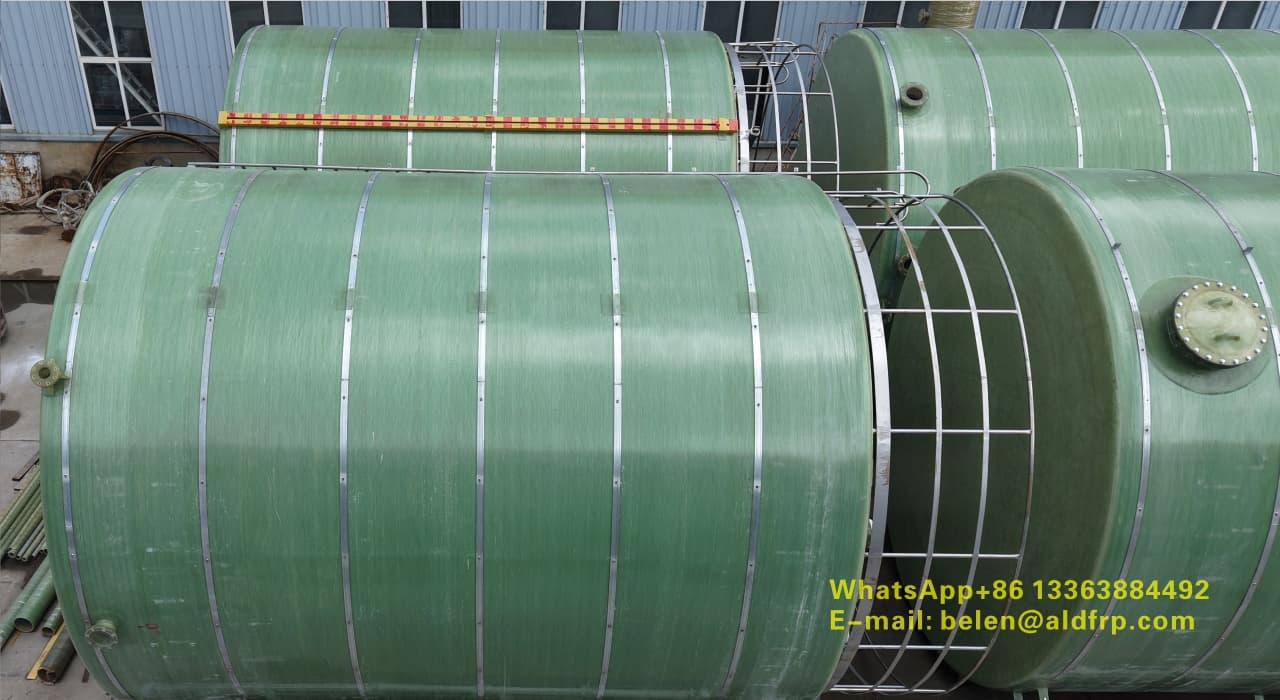
An FRP storage tank is a container made from fiberglass reinforced plastic. The material combines glass fibers with resin to create a composite structure that is strong, lightweight, and highly resistant to corrosion.
These tanks are widely used for storing:
-
Chemicals and acids
-
Wastewater and sewage
-
Fertilizers and industrial liquids
-
Drinking water and desalinated water
Compared with traditional steel tanks, FRP tanks require much less maintenance and provide excellent resistance to aggressive chemicals.
When working with a professional FRP storage tank manufacturer, you can customize tank size, wall thickness, resin type, and structural design to match your exact application.
Why Industries Prefer FRP Storage Tanks
Before choosing an FRP storage tank manufacturer, it helps to understand why FRP tanks are becoming the preferred option in many industries.
Excellent Corrosion Resistance
One of the biggest advantages of FRP tanks is their resistance to corrosion. Steel tanks often require coatings or protective linings, which can wear out over time.
FRP tanks, on the other hand, are naturally resistant to chemicals, acids, and salts. This makes them ideal for chemical plants, fertilizer factories, and wastewater treatment facilities.
Lightweight but Strong
Although fiberglass tanks are much lighter than steel tanks, they still provide excellent structural strength.
For example, a large FRP tank can be transported and installed with fewer lifting requirements compared to a steel tank of the same capacity. This reduces installation costs and project timelines.
Long Service Life
A high-quality tank produced by an experienced FRP storage tank manufacturer can last 20 to 30 years with minimal maintenance.
The composite structure resists rust, scaling, and environmental degradation, which significantly reduces lifecycle costs.
Customizable Design
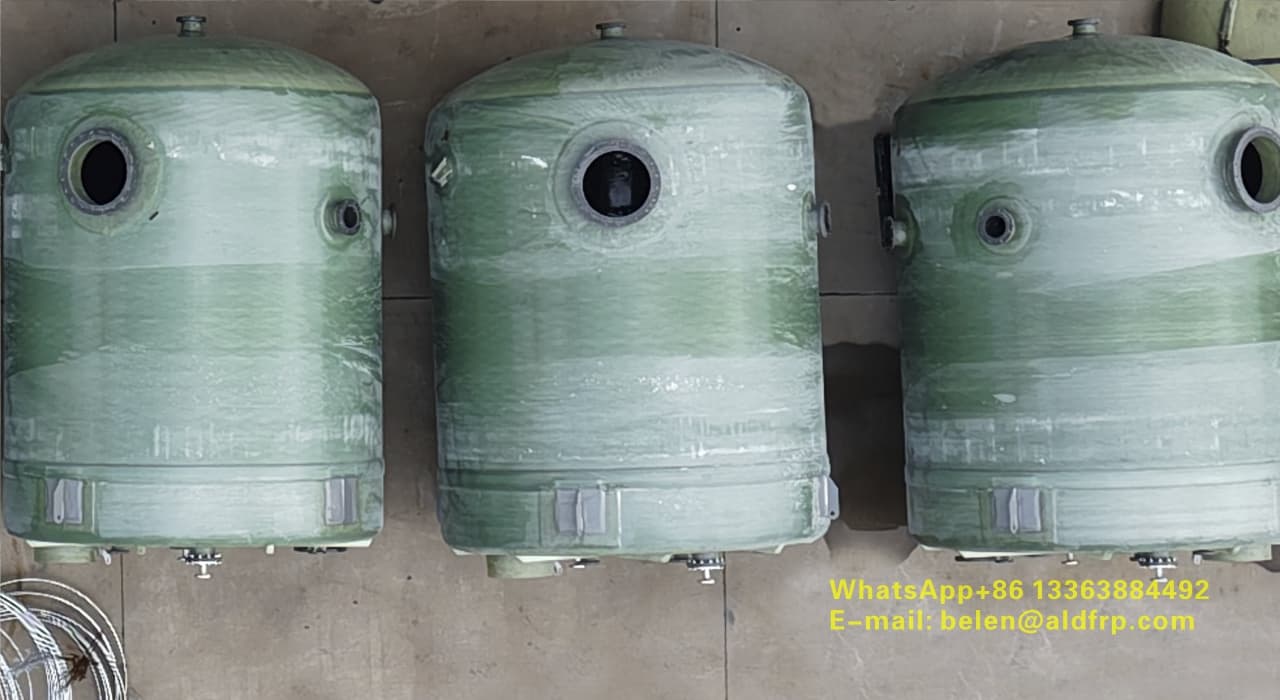
FRP tanks can be manufactured in various shapes and sizes, including:
-
Vertical storage tanks
-
Horizontal tanks
-
Underground tanks
-
Chemical reaction tanks
Manufacturers can also adjust resin systems and reinforcement layers depending on the stored material.
How FRP Storage Tanks Are Manufactured
Most professional FRP storage tank manufacturers use advanced production methods such as filament winding or hand lay-up processes.
Let’s briefly look at how these tanks are made.
Filament Winding Process
Filament winding is a highly automated manufacturing method.
In this process, fiberglass fibers are coated with resin and wound around a rotating mold (mandrel). The machine places fibers in controlled patterns to build up the tank wall layer by layer.
This technique ensures:
-
Uniform thickness
-
High mechanical strength
-
Consistent quality
Large industrial tanks are often produced using this method because it provides excellent structural performance.
Hand Lay-Up Process
Some tanks, especially custom or complex shapes, are produced using the hand lay-up method.
Workers manually apply fiberglass layers and resin onto a mold. Although this method requires skilled technicians, it allows manufacturers to produce specialized designs.
Many experienced FRP storage tank manufacturers combine both methods depending on the tank type and project requirements.
Industries That Use FRP Storage Tanks
FRP tanks are widely used across many industries. A reliable FRP storage tank manufacturer will typically serve clients in sectors such as:
Chemical Industry
FRP tanks safely store corrosive chemicals like sulfuric acid, hydrochloric acid, and sodium hydroxide.
Water Treatment Plants
They are used for storing treated water, wastewater, and treatment chemicals.
Fertilizer Production
FRP tanks are often used in facilities producing potassium sulfate, sulfuric acid, and other chemical fertilizers.
Power Plants
Cooling water systems and chemical storage tanks frequently rely on FRP due to its corrosion resistance.
Food Processing
Specialized FRP tanks can be designed for food-grade applications.
Key Factors to Consider When Choosing an FRP Storage Tank Manufacturer
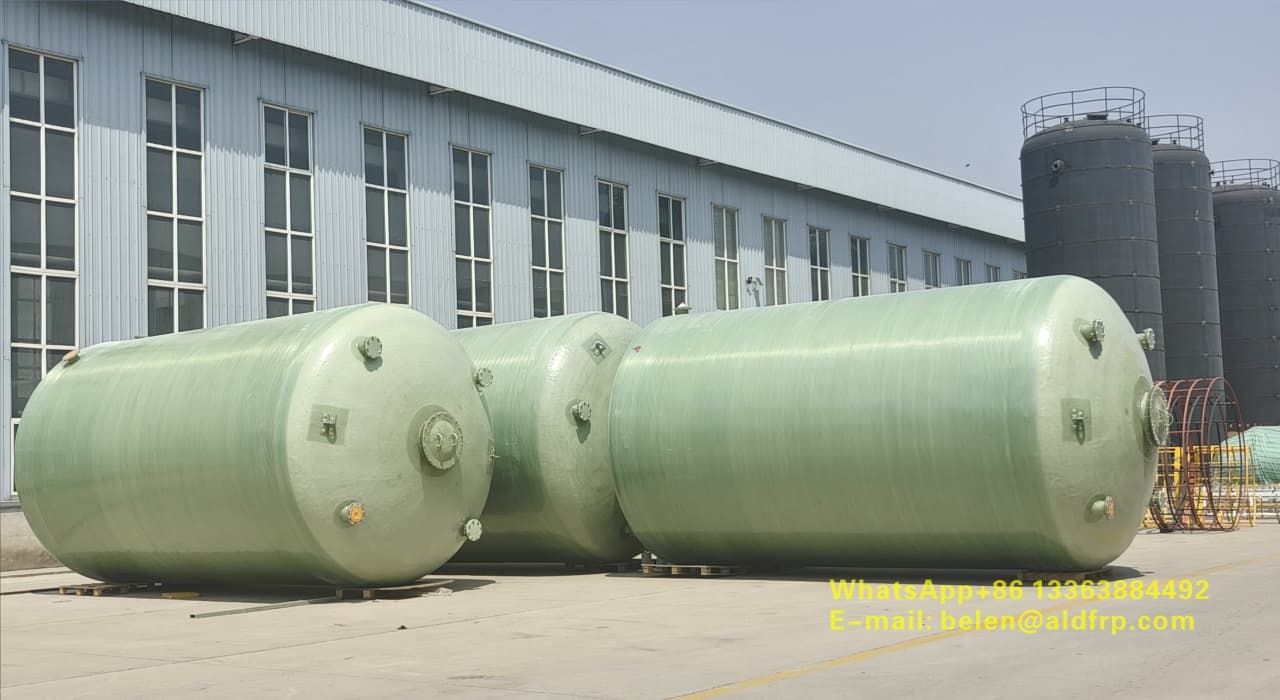
Selecting the right FRP storage tank manufacturer is critical to the success of your project. Here are a few important factors to consider.
Manufacturing Experience
Experience matters. Manufacturers with years of experience understand different industrial requirements and can recommend the best tank designs.
Look for companies that have successfully completed projects in multiple industries.
Production Capabilities
A professional manufacturer should have modern production equipment, such as:
-
Máquinas de bobinado de filamentos
-
Advanced molds
-
Quality control systems
These tools help ensure consistent tank quality.
Custom Design Support
Every project has unique requirements. A reliable FRP storage tank manufacturer should offer engineering support and customized design solutions based on your operating conditions.
Quality Certifications
Always check whether the manufacturer has certifications such as:
-
ISO quality management systems
-
CE certification
-
Industry standards for composite materials
These certifications demonstrate that the company follows strict quality standards.
After-Sales Service
Good manufacturers provide more than just products. They also offer installation guidance, technical support, and long-term service assistance.
This support can be extremely valuable for large industrial projects.
Example: FRP Tanks in Fertilizer Production
Let’s consider a simple example.
In fertilizer plants producing potassium sulfate, several chemicals must be stored safely, including hydrochloric acid and sulfuric acid.
Traditional steel tanks often require expensive anti-corrosion coatings and frequent maintenance.
An FRP tank produced by a reliable FRP storage tank manufacturer can store these chemicals safely for decades with minimal maintenance, reducing operational costs significantly.
The Future of FRP Storage Tanks
As industries continue to prioritize durability, sustainability, and cost efficiency, the demand for FRP tanks is growing rapidly.
Advancements in composite materials and automated manufacturing technologies are making FRP tanks even stronger and more reliable.
Because of these improvements, more industrial facilities are replacing traditional steel and concrete tanks with fiberglass solutions.
Conclusión
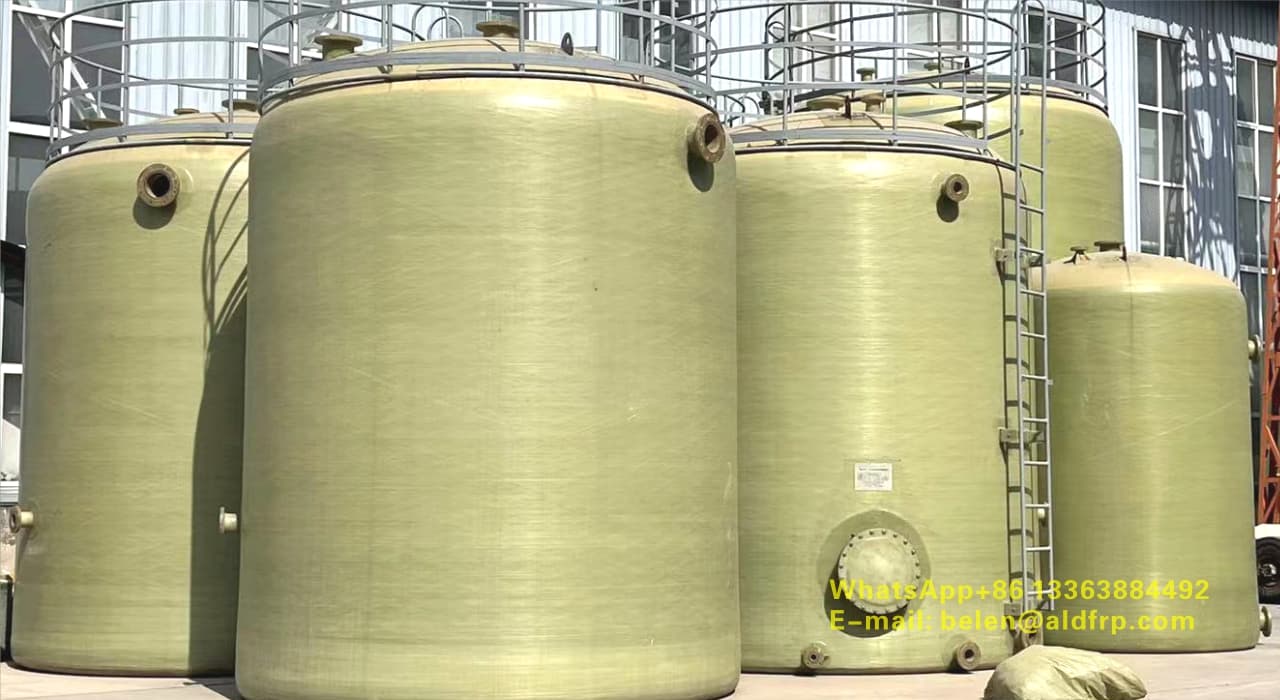
Elegir lo correcto FRP storage tank manufacturer is essential for ensuring safe, durable, and cost-effective storage solutions.
FRP tanks offer many advantages, including:
-
Outstanding corrosion resistance
-
Lightweight but strong construction
-
Long service life
-
Flexible design options
-
Reduced maintenance costs
By working with an experienced manufacturer that provides high-quality materials, modern production equipment, and strong technical support, you can ensure your storage system performs reliably for many years.
In today’s industrial environment, FRP storage tanks are not just an alternative to traditional tanks—they are quickly becoming the preferred solution for modern chemical and water treatment facilities.