
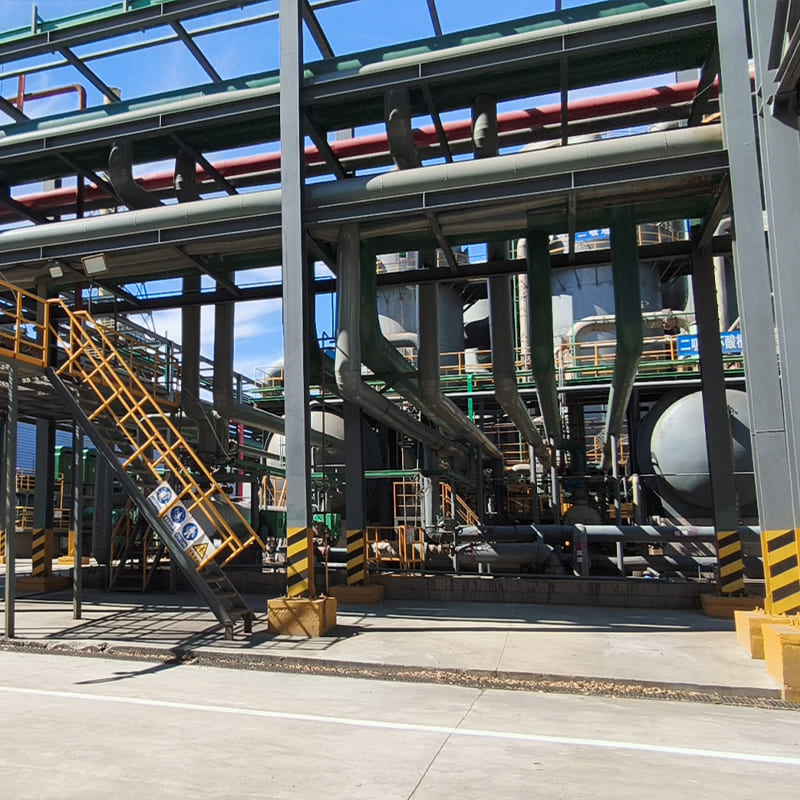
In this time of Industry 4.0, factory work gets better and better with tools like auto machines, clever control setups, and info-based ways. The sulfuric acid making field follows this path too. Firms want to boost their setups, so going digital in these plants turns into a big plan. This change helps make things run smoother. It also boosts safety, cuts harm to nature, and saves money. The main way to do this is by using smart control tools, auto fixes, and live checks on the process. This post looks at how digital boosts in sulfuric acid making can change the field. It leads to brighter, quicker, and greener lines.
The Need for Automation in Sulfuric Acid Production
Sulfuric acid ranks as one of the top chemicals used in work. It plays a big part in areas like plant food, oil stuff, drugs, and metal work. Old ways to make sulfuric acid mostly used hand controls and basic watch systems. But now, with more need for bigger output, better safety, and less running costs, auto tools and digital shifts matter a lot in these lines.
Automation in the sulfuric acid production line brings many pluses. It ramps up speed. Auto systems do jobs faster and more spot-on than hand work. They keep product grade steady and cut stop times. It lowers mistakes from people. This counts extra in dealing with risky stuff like sulfuric acid. It saves power. Auto setups handle heat and cool better. This helps drop running bills. It betters rule over the process. Automation gives tighter hold on key things like heat, push, and mix of chemicals. This ends in top product grade.
Now, let’s see how smart setups help watch the process better.
Smart Control Systems for Enhanced Process Monitoring
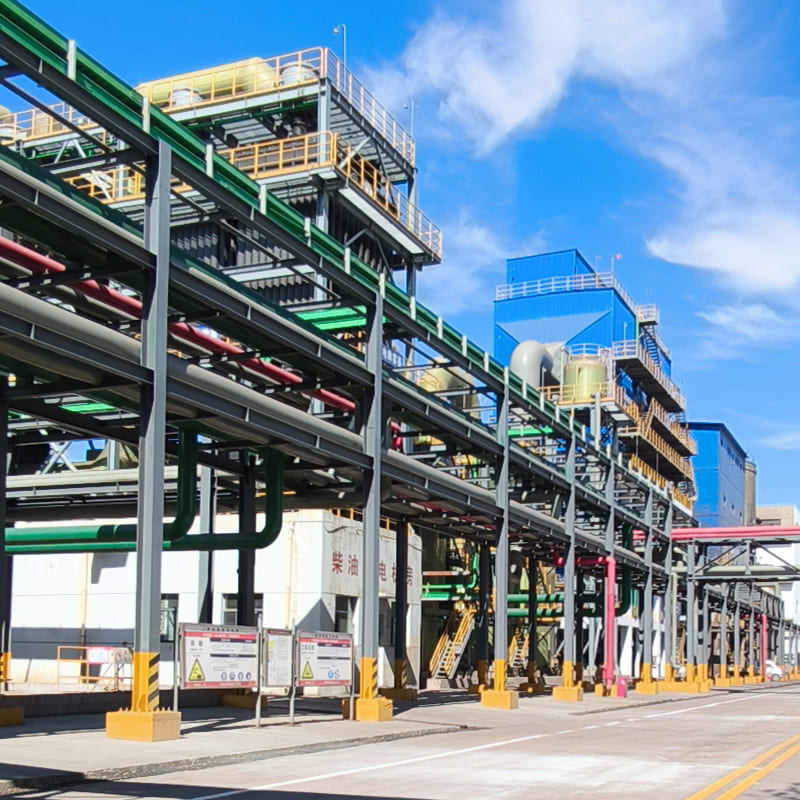
With Industry 4.0 tools, smart control setups change how factory jobs get handled. These setups use top sensors, rulers, and programs to give fresh info on the line. In sulfuric acid making, they track stuff like heat, push, sulfur amount, and acid strength. This makes sure reactions happen in the best spots.
Smart control systems in sulfuric acid production offer key pluses. They give live info checks. Steady watches let workers grab current data from the line. This allows fast choices and quick fixes if needed. They predict upkeep. With past info and learning math, this forecasts breaks in gear. It lets early fixes and cuts stop times. They boost safety. By sending live warnings and auto answers to odd states, these setups raise safety a lot. They drop chances of mishaps and make work safer for folks.
Data plays a big role next in making things run best.
The Role of Data-Driven Operations in Optimizing Production
Adding info-based plans in sulfuric acid making shifts things big. By gathering and checking tons of make data, makers spot slow spots, guess future paths, and boost the whole process.
Data-driven operations change sulfuric acid production in some ways. They tune raw stuff use. Info checks find trends in raw use. This helps set right amounts of sulfur and other chemicals for making. It brings big money saves. They fix the process. By always checking fresh info, makers tune running spots. They adjust things like heat and flow speeds for top reaction speed. They boost supply links. Info from lines ties to stock systems. This handles buy and send times for raw stuff better. It cuts waits and lifts the whole supply chain.
Looking ahead, auto and smart fixes shape the future.
The Future of Sulfuric Acid Production Lines: A Glimpse into Automation and Smart Solutions
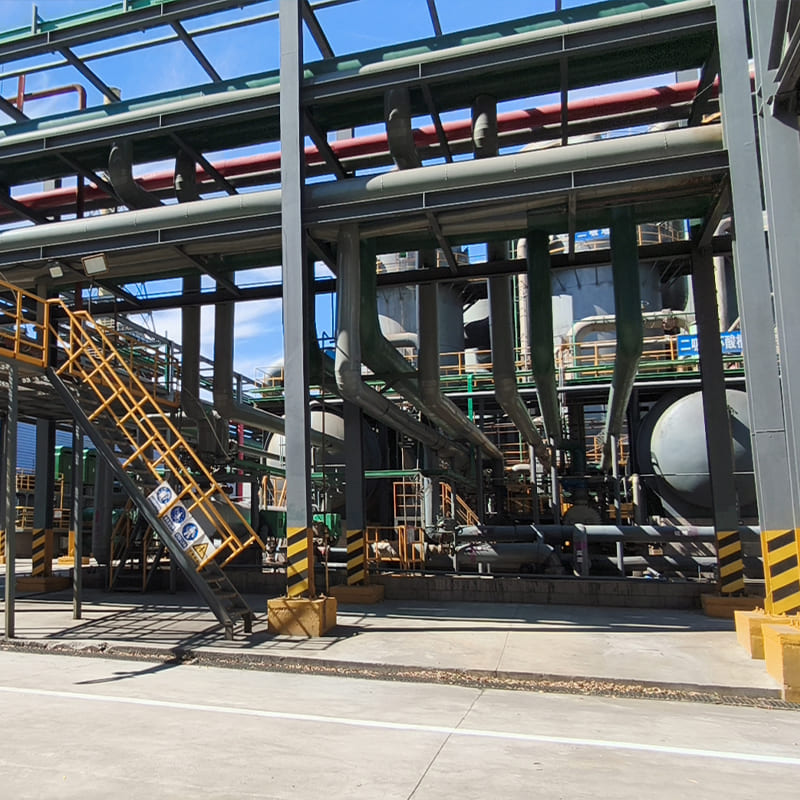
Como sulfuric acid making keeps growing, future paths lean hard on mixing auto, net-linked tools, and learning math. Makers will count more on full digital fixes that cover from process watches to predict upkeep.
Some new tools in sulfuric acid production include robotic process auto. Bots will take bigger spots in handling risky stuff. This cuts need for people in bad areas. Then, smart math for process fixes. These math bits let self-fix systems that tweak make settings on their own for top speed. Also, net of things devices. These sensors spread over the line to give tiny views on machine work, heat, and chemical mix in fresh time.
Mixing these tools gives makers new levels of hold and view. It leads to less costs, less harm to nature, and steady product.
One firm leads in this area.
Hebei Aoliande Chemical Equipment Co., Ltd.: A Leader in Sulfuric Acid Production Line Solutions
Hebei Aoliande Equipo Químico Co., Ltd. stands as a top giver of sulfuric acid production line fixes. It leads this digital shift. The firm focuses on giving advanced lines for sulfuric acid production. It adds top auto and smart control setups to boost speed and safety.
With many years in planning, making, and setting up custom lines, Hebei Aoliande’s fixes give trusty, cheap, and grow-able systems for sulfuric acid production. Their goods use front-edge tools to fit the rising needs of the chemical field. They make sure high output while cutting nature harm.
If you want to boost your current sulfuric acid plant or start a fresh one, Hebei Aoliande gives fit fixes for your needs. It helps you hit top speed and profit in this tough market.
To wrap up, let’s sum things.
Conclusión
As fields around the world push for brighter, quicker, and lasting work, digital boosts in sulfuric acid production lines grow key. By using auto, smart control setups, and info-based plans, firms reach big lifts in make speed, safety, and green ways. The future of sulfuric acid production rests on taking these new tools. It sets makers to meet rising world needs while cutting costs and nature harm.
Preguntas frecuentes
What is the Mannheim Process in sulfuric acid production?
The Mannheim Process is the top way to make potassium sulfate. It reacts potassium chloride with sulfuric acid at high heat in a furnace. It saves money but needs good control for best speed.
How does automation improve sulfuric acid production?
Automation boosts sulfuric acid production by raising speed and cutting people mistakes. It keeps product grade steady and drops power use. In the end, it lowers running costs.
What are the environmental benefits of upgrading sulfuric acid production lines?
By adding smart control setups, lines tune power use and cut waste. They better handle emissions too. This leads to a greener process.
Can predictive maintenance reduce downtime in sulfuric acid production?
Yes, predictive maintenance uses info checks to guess gear breaks before they hit. It allows on-time fixes and cuts costly stop times.
How can data-driven strategies optimize raw material usage in sulfuric acid production?
Data-driven strategies check trends in raw use. They tune usage and cut waste. This brings money saves and better make speed