
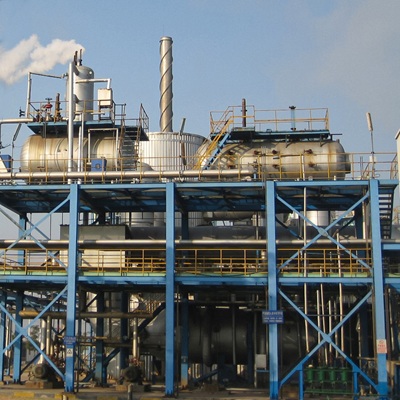
The world chemical field relies a lot on steady and good ways to make main sulfate chemicals. These include sodium sulfate (Na₂SO₄) and potassium sulfate (K₂SO₄). Out of the choices, the Mannheim process keeps leading in factory making. It does this because of its steadiness, ability to grow big, and big pluses in product quality. When you look at other ways like the double decomposition method or some new catalyst methods, Mannheim shines in key spots. These spots are making amount, energy use, tool costs, product cleanness, and how to run the process. This piece looks close at these differences. It helps plant planners, buyers, and field workers make smart choices.
Conocer el proceso de Mannheim
The Mannheim process uses a hot reaction. It mixes a chloride salt like sodium chloride for Na₂SO₄ or potassium chloride for K₂SO₄ with sulfuric acid. This happens in a muffle furnace. The heat is often over 600°C. It works in two steps. First, it makes a bisulfate middle part. Then, it turns that into the sulfate product. Hydrochloric acid (HCl) comes out as a side thing. The reactions are well known. They make up a big part of world sulfate making. This is due to their trust and long use. In truth, this process makes about 50% to 60% of the world’s potassium sulfate supply. It also makes a large share of sodium sulfate output.
A normal Mannheim sulfate line gives sulfate products at high amount. It catches HCl for use again or sale. This cuts waste. It also brings in extra money.
Production Capacity
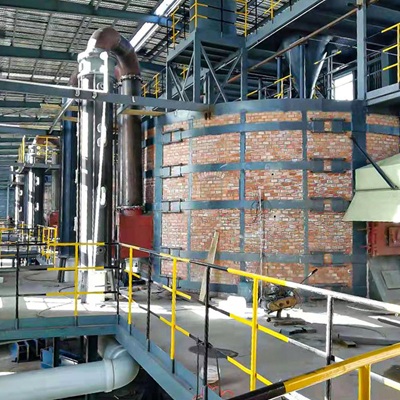
A main plus of the Mannheim process is its high making amount. Factory setups handle big flow with steady feed systems and strong furnace builds. A good Mannheim line can make tens of thousands of tons of sulfate products each year. It does this with little stops. Notes from new setups show yields that often go over 95% in best conditions. This means more flow and less raw stuff waste.
On the other hand, other methods like the double decomposition process find it hard to match this size. The double decomposition way depends on how things dissolve in water systems. It needs many reaction and split steps. The added handling and split parts lead to slower rates. They also cause uneven quality. This makes it tough for such methods to fight in big factory plants.
Energy Consumption and Operating Costs
Energy use is a key thing in chemical plant money. The Mannheim process uses side heating ways and better furnace builds. These help save energy by keeping heat even in the reaction area. New ideas like better smoke systems and gas makers cut fuel needs. This is less than old ways. It can lead to 20% to 30% drops in energy use compared to weaker making plans.
The double decomposition method adds more energy needs. It must prepare solutions, mix them, make crystals, and dry things. Each mix and split step uses heat and power. This adds up a lot over a making cycle.
The start money for a Mannheim furnace line may be higher. This comes from the furnace, tough materials, and HCl get-back tools. But running costs are often lower over time. Good heat handling, less work because of auto systems, and less fix due to full reactions help even out the total own cost.
Equipment Investment and Durability
Tool strength is another spot where the Mannheim process shows power. Furnaces built for repeat hot work use materials that fight rust and strong inner linings. This makes the main making parts last longer. Tested furnace builds can stay running for 15 to 20 years with small care. This cuts how often and how much you spend on new parts.
In contrast, other methods that use tricky solution chemistry may need extra tanks, spin máquinas, filters, and crystal makers. Each tool adds more break points. It raises care costs. It can cut run time if not handled well.
Product Purity and Quality Consistency
For buyers and users of sulfate chemicals, product cleanness is a must thing. High-clean Na₂SO₄ and K₂SO₄ are key for uses from cleaners and glass making to farming and water fix. The Mannheim process lets tight hold on reaction settings and feed amounts. This gives steady product quality with less bad extras.
Double decomposition and some new catalyst methods may make sulfate products. But the quality changes more with raw stuff settings and split skill. The simpler reaction way in Mannheim’s hot setting cuts side products. It makes sure the reaction goes all the way. This shows in more even product groups.
Process Control and Operational Flexibility
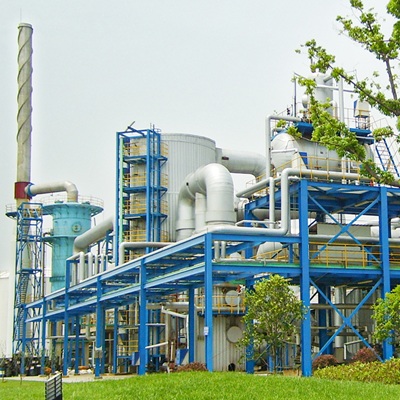
New Mannheim sulfate lines often add high control systems like PLC (Programmable Logic Controller) auto. These systems handle feed speeds, heat shapes, and reaction times just right. They let workers keep steady making with less work needs. Auto control boosts run steadiness. It cuts human mistakes. This is very useful when growing making or handling changing market wants.
By comparison, old double decomposition lines depend a lot on hand watch of many steps. Even small changes in mix, heat, or filter can hurt amounts and quality. This needs skilled workers to check and fix settings often. It makes double decomposition less good when steady, big-amount output is key.
Environmental Compliance and By-product Management
Rules on nature affect tool pick and process build more and more. The Mannheim process adds a hydrochloric acid catch and get-back system. It grabs HCl gas made during sulfate build. This got-back HCl can be cleaned and sold or used again in the plant. It turns a waste flow into a sell side thing.
Other processes sometimes make waste salt water or need chemical adds that must be fixed before throw out. While some new catalyst methods try to cut smoke or waste, they often miss the factory ripeness or set get-back ways that Mannheim systems have. Plants using Mannheim tech are thus better set to handle their nature mark and follow changing smoke rules.
When Alternatives Might Still Be Considered
The Mannheim process leads in factory sulfate making. But other methods have small pluses in some settings. For example, double decomposition processes can be easier to set at small sizes or where money is tight. Work into catalyst or film-boost sulfate making keeps going. These ways may give pluses and less nature hit for certain raw stuff or product needs.
Yet, for most factory spots that want high amount, high cleanness, and long run trust, Mannheim stays the top pick.
About Hebei Aoliande Chemical Equipment Co., LTD
From this site, Hebei Aoliande Equipo Químico Co., LTD. is an old maker of Mannheim process sodium sulfate and potassium sulfate making lines. With aim on strong furnace build, better HCl catch systems, and auto control tech, Aoliande’s fixes help high output and run steadiness. The firm’s skill in custom plants shows deep know of factory sulfate needs. It gives clients long run work and money worth.
Conclusión
Picking the right making process is a big thing in a chemical plant’s sell win. The Mannheim process keeps showing its value. It gives high making amount, held energy use, strong build, top product cleanness, and bendy run. While other ways like double decomposition have their spot, Mannheim’s pluses in big-size, non-stop sulfate making make it the way of choice for new places.
Preguntas frecuentes
What makes Mannheim process sodium sulfate production more suitable for large plants than double decomposition?
Mannheim’s hot non-stop reaction backs bigger flow, tighter quality hold, and fewer slow spots. This is unlike the more step-heavy double decomposition way.
Does the Mannheim process help with environmental compliance?
Yes. The built-in hydrochloric acid get-back and catch systems let plants grab and use HCl again. This cuts smoke and fits nature rules.
Can the Mannheim process be adapted for different production scales?
The process can grow. New control systems make it fit from mid to big amount plants. It does this without hurting product steadiness.
How does production cost compare between Mannheim and alternative methods?
Mannheim may have higher start setup costs. But its lower energy use and less work needs often lead to lower total run costs.
Is product quality generally better using the Mannheim process?
Due to full reactions and steady run settings, Mannheim sulfate products often show higher cleanness and steadiness than many other methods.