
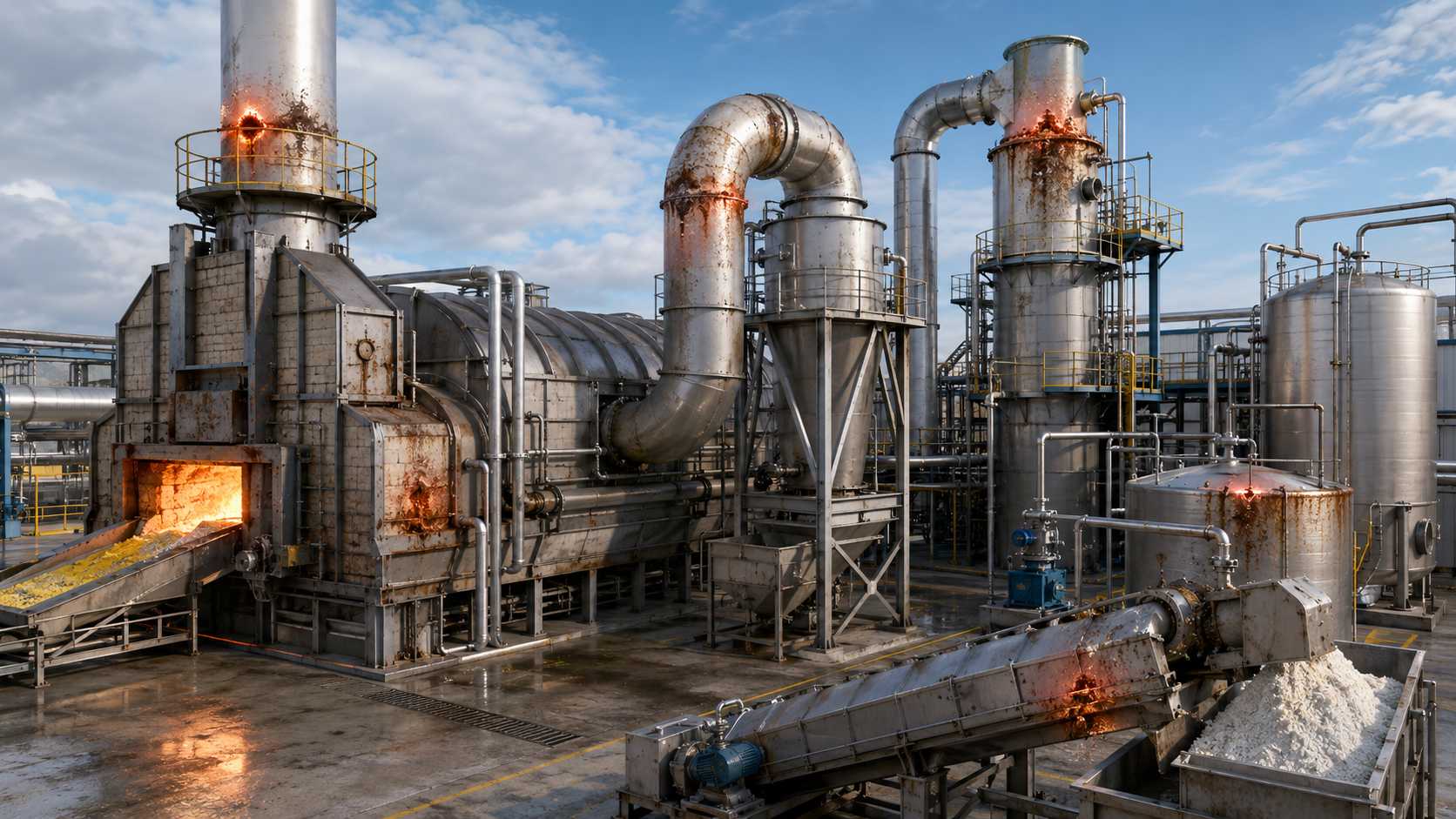
A Mannheim SOP plant has one clear operating target: make stable potassium sulfate while keeping shutdowns, acid leakage, and repair costs under control. The process is tough on equipment. Potassium chloride and sulfuric acid react at high temperature, often in a muffle furnace above 600°C. The same line also handles hydrogen chloride gas, acid mist, hot dust, and wet hydrochloric acid.
Corrosion in a potassium sulfate production line rarely comes from one weak part. It usually starts where heat, chloride, acid, moisture, and dust meet. These six areas deserve close attention in new plants, upgrades, and maintenance planning.
Why Corrosion Is Severe in the Mannheim Process
The Mannheim process potassium sulfate route can produce SOP and recover hydrochloric acid as a by-product. Yet the same chemistry makes equipment selection demanding.
Near the furnace, equipment faces dry high-temperature acid attack. In the HCl absorption system, the risk becomes wet hydrochloric acid corrosion. Dust may look harmless, but once it absorbs moisture and acid, it becomes a sticky, corrosive deposit. A hot duct that cools at night may suffer condensation, acid dew point corrosion, and cracking around welds.
A good plant design treats corrosion as a whole-system issue. The furnace, gas ducts, pumps, scrubbers, acid pipelines, and discharge equipment all need materials and layouts that match real working conditions.
Mannheim Furnace Reaction Chamber and Lining
Mannheim furnace corrosion often begins in the reaction chamber, where sulfuric acid, potassium chloride, potassium bisulfate, potassium sulfate, and hot gas share the same space. The lining faces high temperature, acidic intermediates, thermal shock, and mechanical scraping from the material bed.
Early warning signs include shell hot spots, uneven furnace temperature, higher fuel use, or a product stream with more unreacted material. Left alone, lining damage can shorten furnace life and force a costly shutdown.
Longer service life starts with acid-resistant furnace material, even heat distribution, and steady feeding. Operators should keep the feed ratio stable, avoid sudden temperature swings, and check furnace hot spots during routine rounds. A weekly infrared scan often gives earlier warning than visible deformation.
Sulfuric Acid Feeding Nozzles and Distribution Points
Sulfuric acid feeding looks like a small part of the SOP production plant, but it has a large effect on equipment life. Concentrated acid entering a hot reaction zone can create local acid-rich areas. These points attack nearby lining, feed nozzles, valves, and furnace internals faster than the rest of the system.
Poor acid distribution may also reduce reaction uniformity. Operators may then raise temperature or change residence time to correct product quality, adding more stress to the furnace.
The answer is not only material. It also needs accurate metering, clean nozzles, leak-free acid lines, and a feeding layout that spreads acid evenly into the reaction bed. Acid pumps, valves, and gaskets should be selected for sulfuric acid service, not only for pressure rating.
HCl Gas Outlet, Furnace Hood, and Hot Gas Ducts
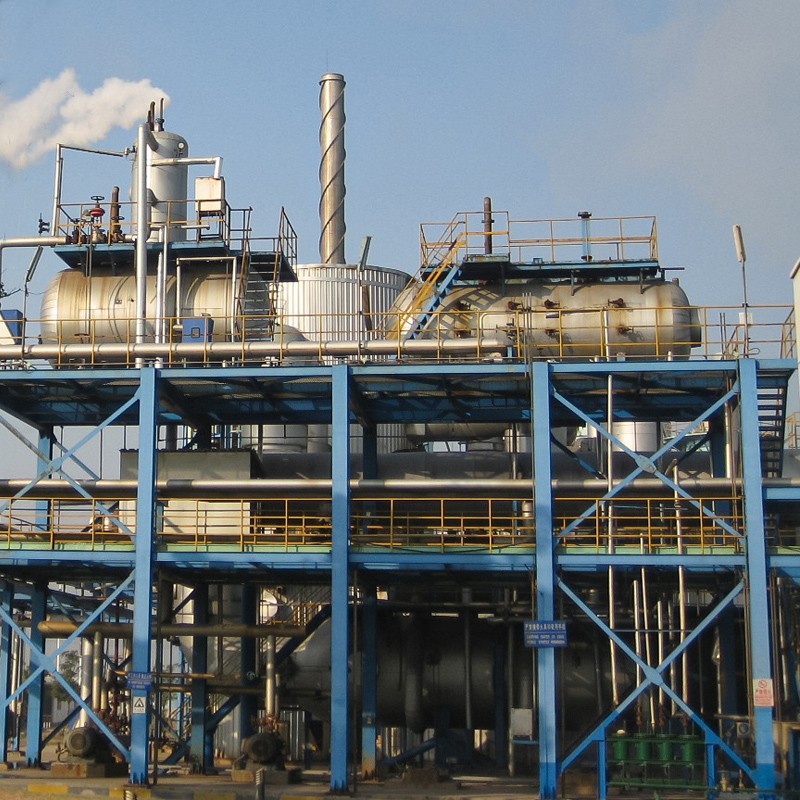
Hot HCl gas corrosion is severe at the furnace outlet because the gas carries heat, acid vapor, fine SOP dust, and sometimes unreacted salt particles. First elbows, expansion joints, hood edges, and weld seams often show the earliest wear.
The biggest risk is a cold spot. When hot gas cools too quickly, moisture and acid can condense on duct walls. Even a small air leak at a flange can lower local temperature and trigger acid dew point corrosion.
Good practice is to keep gas flow smooth, avoid dead corners, and inspect duct elbows more often than straight sections. Acid-resistant ducting, proper sealing, and accessible inspection ports reduce emergency repair work. HCl gas recovery also benefits from cleaner ducts because less dust and less leakage make absorption easier to control.
Gas Cooling, Dust Removal, and Pre-Absorption Equipment
Before HCl enters the absorption tower, the gas stream usually needs cooling and dust control. This section is a hidden trouble area because corrosion and blockage appear together.
Dust deposits trap acid and moisture. Over time, they form hard layers near coolers, dampers, bends, and collection points. These layers narrow the gas path, raise pressure drop, and create uneven flow into the HCl absorption system. Operators may see unstable suction, higher fan load, or acid mist carryover.
Cleaning ports should be placed where deposits actually form, not only where installation is easy.
| Zone | Main corrosion stress | Common failure sign |
| Furnace chamber | Heat, acid salts, abrasion | Hot spots, lining loss |
| HCl ducts | Hot gas, dust, condensation | Leaks, cracked welds |
| Absorption system | Wet HCl acid, mist | Pump leaks, tower fouling |
| Discharge equipment | Residual acid, heat, wear | Screw wear, dust leakage |
HCl Absorption Tower, Scrubber, Tanks, and Acid Piping
The HCl absorption system is one of the most corrosion-prone areas in a Mannheim SOP plant because it handles wet hydrochloric acid continuously. The absorption tower, scrubber, circulation tank, acid pump, mist eliminator, valves, and pipelines all operate in a chloride-rich environment.
A weak point here can lower hydrochloric acid recovery, raise tail gas pressure, create acid mist, and increase environmental risk. Poor liquid distribution inside the tower may also lead to channeling, where gas passes through with less contact.
FRP or GRP equipment is often used in acid absorption service because of its corrosion resistance and relatively light weight. Still, the material must match acid concentration, temperature, and mechanical load. Tower internals, nozzles, flanges, pump seals, and pipe supports should be checked together.
SOP Discharge, Cooling, Conveying, and Dust Collection
The product end of a potassium sulfate production line can look less dangerous than the acid system, but it still suffers from fertilizer equipment corrosion. Hot SOP may carry residual acidity and fine chloride-containing dust. As it moves through discharge screws, coolers, bucket elevators, conveyors, screens, and dust collectors, corrosion mixes with abrasion.
This combined attack is hard on screw flights, cooler surfaces, casing corners, and dust collection hoppers. A small acid carryover issue can become a mechanical wear problem within months in continuous operation.
Several habits help extend SOP plant equipment life in this section:
- keep reaction completion stable before discharge;
- control product temperature before long conveying runs;
- prevent dust buildup around bearings and seals;
- clean hoppers and duct bottoms before deposits harden.
How to Extend Equipment Life Across the Whole SOP Plant
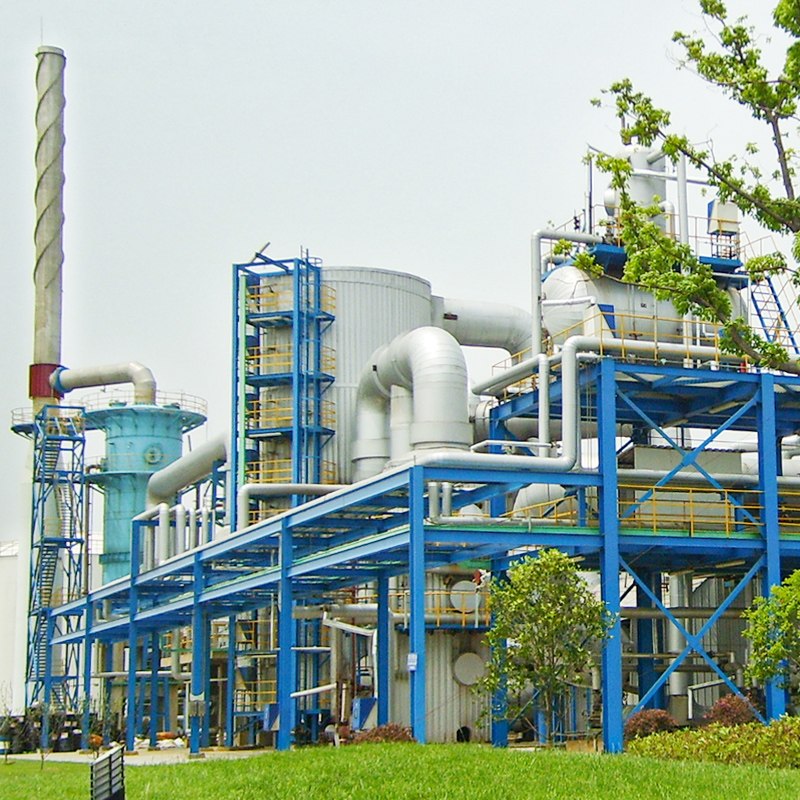
No single alloy, lining, coating, or plastic material can solve every corrosion problem in a Mannheim process plant. The furnace needs heat resistance. The HCl absorption tower needs wet acid resistance. Conveyors need both wear resistance and corrosion protection. A better method is to divide the production line into corrosion zones and select materials for each zone.
Keep process control stable
Stable temperature, gas flow, feed ratio, and acid circulation reduce most corrosion stress. PLC or DCS control can help keep feeding, furnace temperature, and absorption circulation steady. When operators do not need to chase large swings, equipment sees fewer shocks.
Design for inspection and cleaning
A plant that is hard to inspect will corrode quietly. Manholes, sampling points, drain points, removable duct sections, and safe platforms matter. If the first HCl duct elbow cannot be opened easily, deposits may stay there until leakage appears.
Track small changes before shutdowns
Useful records include furnace shell temperature, absorber pressure drop, acid concentration, pump vibration, fan load, duct leakage points, and discharge screw wear. A small trend over three months often says more than one emergency inspection.
Hebei Aoliande as a Mannheim SOP Plant Supplier
Hebei Aoliande Chemical Equipment Co., LTD. supplies Mannheim Process Potassium/Sodium Sulfate Production Line SOP Plant solutions for chemical and fertilizer producers. Its work covers Mannheim furnace process equipment, corrosion-resistant parts, HCl absorption improvement, PLC automatic control, technical consulting, material supply, transportation, installation guidance, and related FRP/GRP chemical equipment.
For buyers comparing a Mannheim SOP plant supplier, this combination matters. Corrosion control is not only about buying a furnace or an absorption tower. It depends on material design, furnace structure, hydrochloric acid recovery, automation, site installation, and after-sales support working together.
Conclusion
Mannheim SOP plant corrosion is most severe in six areas: the furnace reaction chamber, sulfuric acid feeding points, HCl gas outlet and ducts, gas cooling and dust removal equipment, HCl absorption system, and SOP discharge and conveying section. Each area fails for a different reason, so each one needs a different protection method.
Long equipment life comes from matching materials to corrosion zones, keeping the reaction stable, recovering HCl efficiently, and building maintenance access into the plant layout. For a new SOP production plant, these decisions should be made before fabrication.
Questions fréquentes
What causes corrosion in a Mannheim SOP plant?
The main causes are high temperature, sulfuric acid, hydrogen chloride gas, wet hydrochloric acid, chloride salts, acid mist, dust deposits, and condensation. Corrosion becomes worse where hot gas cools quickly or where dust absorbs acid and moisture.
How can the HCl absorption system last longer?
The HCl absorption system lasts longer when tower materials match the acid concentration and temperature, liquid distribution is even, pumps and seals are rated for hydrochloric acid service, and tower internals are cleaned before fouling blocks gas flow.
What should buyers check before choosing an SOP production plant supplier?
Buyers should check furnace design, corrosion-resistant material selection, HCl recovery design, automation level, inspection access, installation support, and maintenance guidance. A complete potassium sulfate production line should be reviewed as one connected process, not as separate machines.