
Fiberglass Reinforced Plastic (FRP) pipes have become a go-to solution in industries that require corrosion-resistant, lightweight, and durable piping systems. From chemical plants to municipal water projects, FRP pipes offer long-lasting performance where traditional materials like steel or PVC may fail. If you’ve ever asked yourself how these pipes are made, this complete guide to FRP pipe manufacturing process will walk you through every step—from raw materials to finished pipes.
What Is FRP Pipe?
Before diving into the manufacturing process, it’s important to understand what FRP pipe is. FRP pipes are composite pipes made from fiberglass fibers embedded in a resin matrix. The combination gives them excellent mechanical strength, chemical resistance, and lightweight characteristics.
I often describe them to colleagues as “steel pipes in terms of strength, but light as plastic,” which highlights their unique advantage in industrial applications.
Core Raw Materials Used in FRP Pipe Manufacturing
-
Fiberglass Rovings – Continuous strands of glass fiber provide structural reinforcement.
-
Resin – Polyester, epoxy, or vinyl ester resins bind the fibers together and create corrosion-resistant walls.
-
Fillers (Optional) – Silica or sand may be used to optimize material cost and mechanical properties.
-
Catalysts and Accelerators – These help the resin cure properly and speed up the manufacturing process.
Having the right quality of raw materials is critical. Even the best machinery can’t compensate for poor-quality fiberglass or resin.
Step 1: Mandrel Preparation
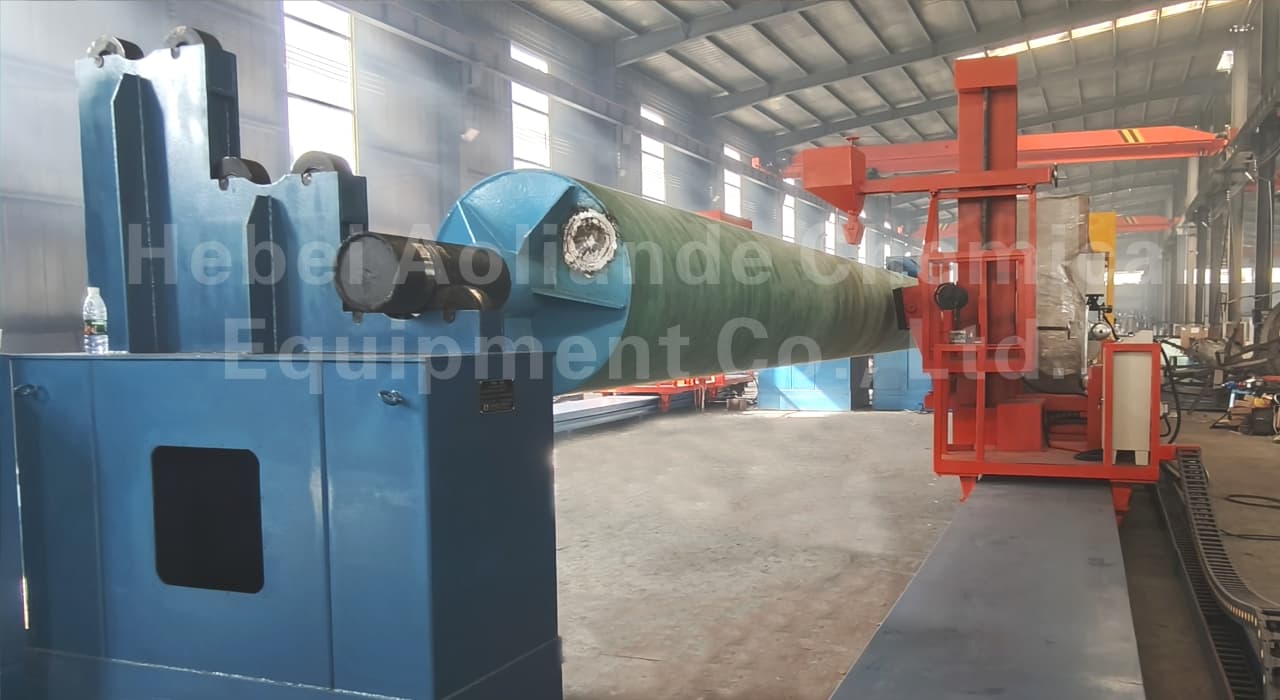
The mandrel is the core around which the pipe is formed. It can be a metal rod or a more advanced removable mold. Before production, the mandrel is cleaned and coated with a release agent to ensure smooth pipe removal.
In my experience, improper mandrel preparation is one of the most common causes of surface defects in finished pipes.
Step 2: Resin Impregnation
The fiberglass rovings are drawn through a resin bath or resin injection system. Proper resin saturation is crucial for ensuring the fibers bond effectively, providing strength and chemical resistance.
Automated systems in modern facilities allow for precise control over resin content, which minimizes waste and ensures uniformity across batches.
Step 3: Filament Winding
This is the heart of the FRP pipe manufacturing process. Fibers are wound around the rotating mandrel at carefully calculated angles. The winding angle affects the pipe’s ability to withstand axial and radial pressure.
There are two common types of winding:
-
Helical winding – Fibers are wrapped at an angle along the pipe’s length. Ideal for strength under axial stress.
-
Hoop winding – Fibers are wrapped circumferentially to enhance hoop strength and resist internal pressure.
Many factories use a combination of both to optimize mechanical performance.
Step 4: Optional Filling
For large-diameter or cost-sensitive applications, fillers like silica sand can be added between layers. This reduces resin consumption and provides additional stiffness.
From my experience, this step is often overlooked in small plants, but it can significantly improve cost efficiency without compromising pipe performance.
Step 5: Curing
Once the pipe is wound, it is cured to harden the resin and lock fibers in place. Depending on the production line, curing can be done at:
-
Room temperature – Slower but energy-efficient.
-
Heated curing chambers – Faster and better for high-volume production.
Proper curing ensures the pipe achieves the required mechanical strength and chemical resistance.
Step 6: Demolding and Finishing
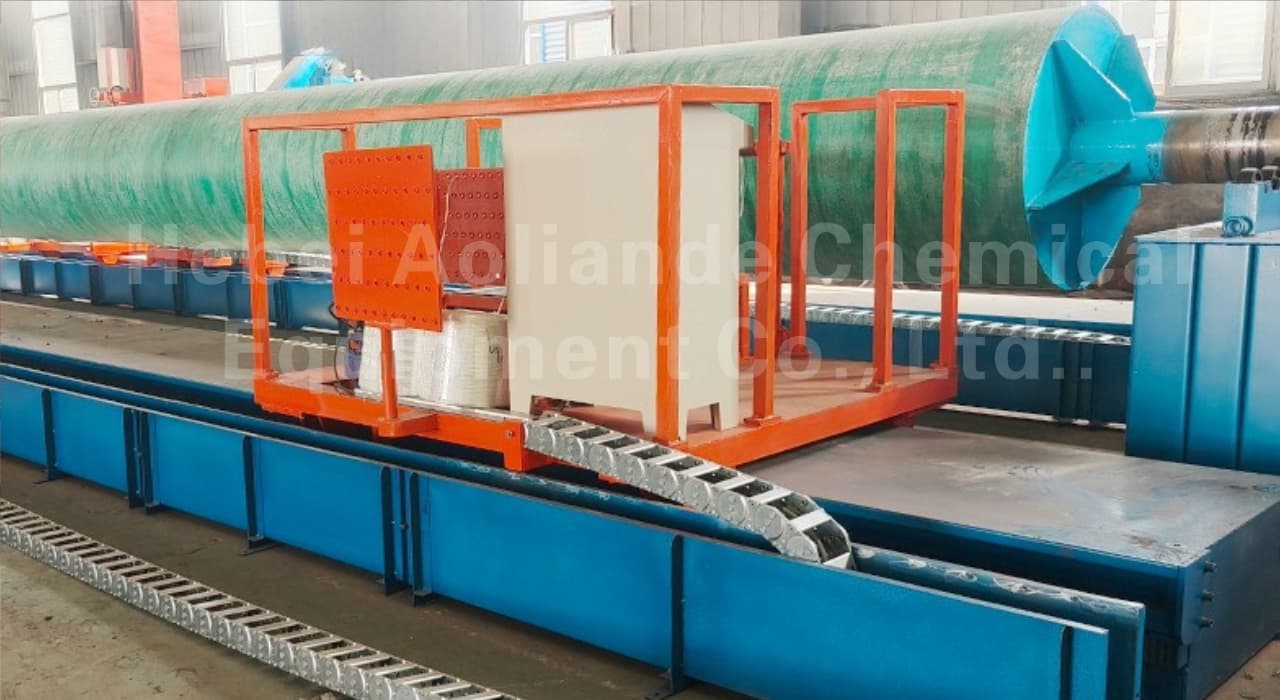
After curing, the pipe is carefully removed from the mandrel. Any excess resin or rough edges are trimmed. The surface may be polished or treated to meet quality standards. Some plants also perform automated inspections for wall thickness, diameter, or pressure resistance.
In my experience, finishing is just as important as winding. A pipe that looks good but has inconsistent thickness can still fail under pressure.
Step 7: Quality Control
Quality checks are performed at multiple stages:
-
Dimensional Inspection – Ensures pipe diameter and wall thickness are within tolerance.
-
Pressure Testing – Confirms the pipe can handle design pressures.
-
Surface Quality – Checks for defects, air bubbles, or delamination.
Implementing rigorous quality control is essential. A single defective pipe can compromise an entire water or chemical system.
Modern Trends in FRP Pipe Manufacturing
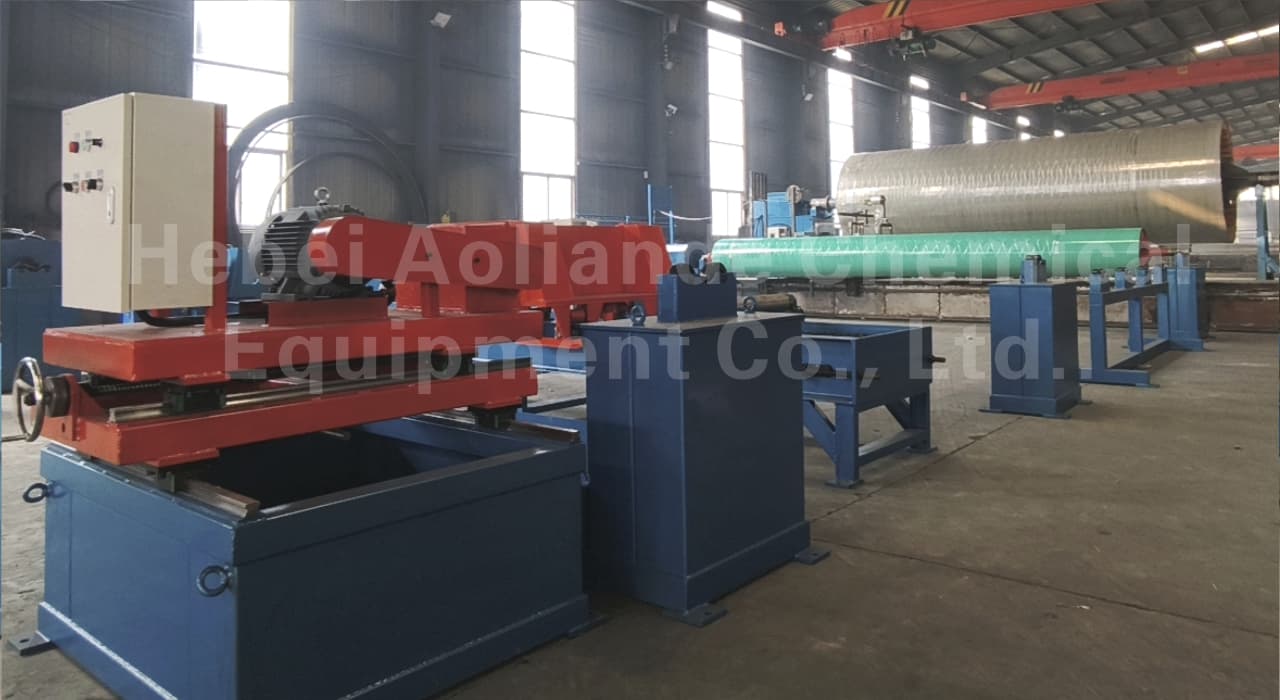
The industry is evolving rapidly. Some trends include:
-
Automation and Smart Manufacturing – Modern FRP pipe production lines integrate real-time monitoring and automated controls.
-
Efficacité énergétique – New curing systems and material optimization reduce energy consumption.
-
Personnalisation – Advanced winding machines allow precise control over fiber orientation and wall thickness for specialized applications.
These innovations make the FRP pipe manufacturing process faster, more consistent, and environmentally friendly.
Advantages of FRP Pipes
By understanding the manufacturing process, it’s clear why FRP pipes are increasingly preferred:
-
Résistance à la corrosion – Resistant to chemicals, salts, and wastewater.
-
Léger – Easier to transport and install than steel pipes.
-
Durable – Long service life with minimal maintenance.
-
Personnalisable – Can be produced in various diameters, lengths, and pressure ratings.
From my personal experience, industries like chemical processing and municipal water projects save both time and cost when switching to FRP pipes.
Conclusion
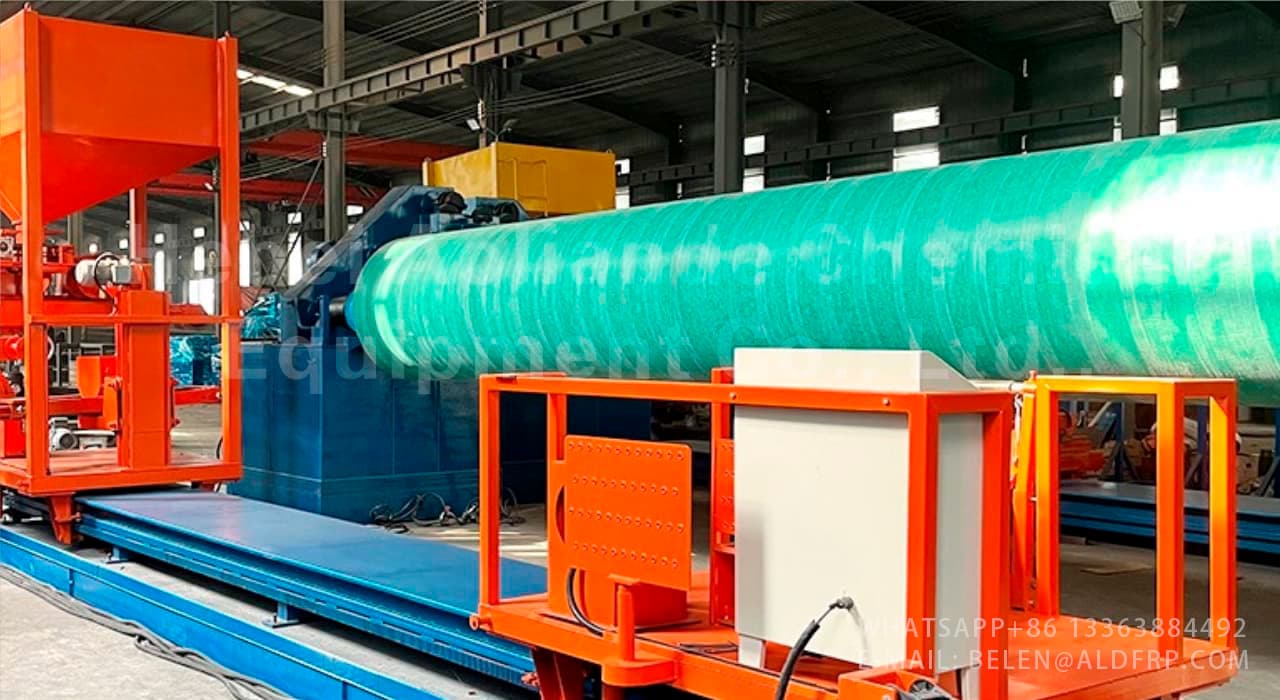
Le FRP pipe manufacturing process is a combination of careful material selection, precise winding, controlled curing, and rigorous quality checks. Each step is critical to ensure that the final product is durable, corrosion-resistant, and reliable.
From my perspective, mastering this process is the key to producing high-quality FRP pipes that meet industrial and municipal standards. Whether you’re scaling a factory or upgrading your production line, understanding these steps is essential for efficiency, quality, and profitability.
FRP pipes may seem simple from the outside, but their manufacturing is a complex and fascinating blend of material science, engineering, and precision automation. For anyone entering the FRP pipe market, knowing the process inside out is the first step to success.