
In modern industrial piping, choosing the right manufacturing method can make a huge difference in terms of efficiency, durability, and cost. Fiberglass reinforced plastic (FRP) pipes are gaining popularity, largely due to FRP pipe machines, which use filament winding technology. But how do they compare to traditional pipe machines, such as those used for steel, concrete, or PVC pipes? Let’s break it down in detail.
What Is an FRP Pipe Machine?
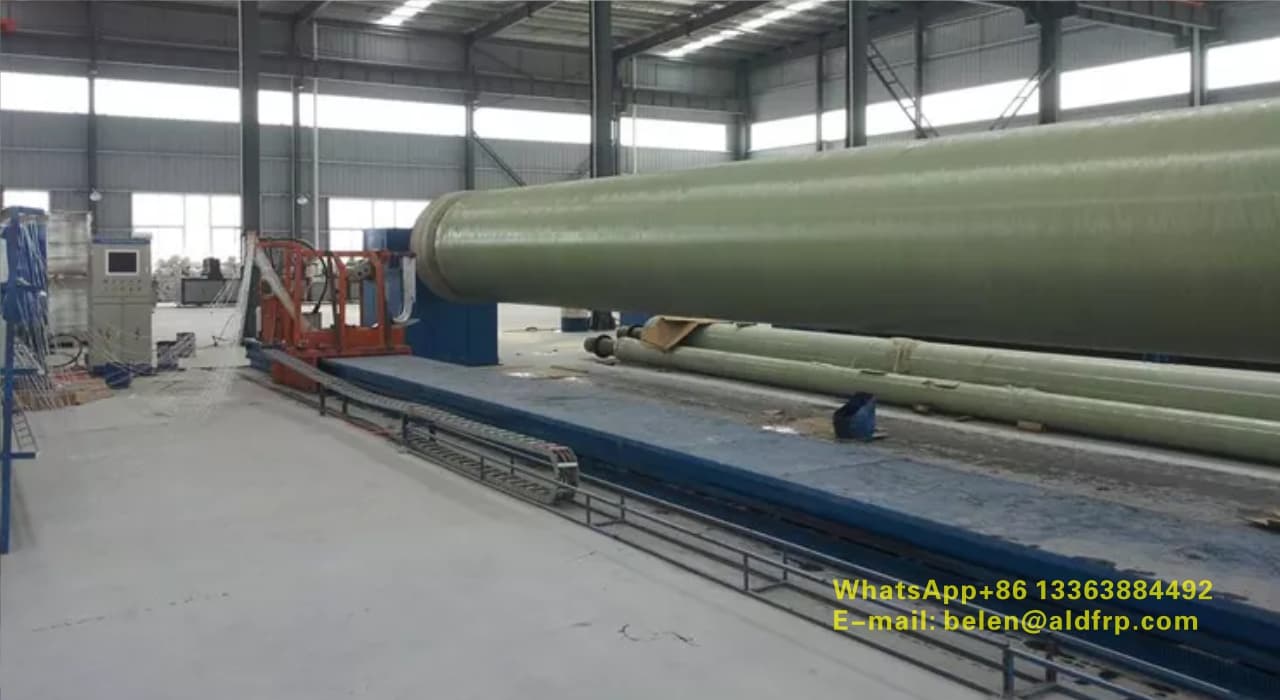
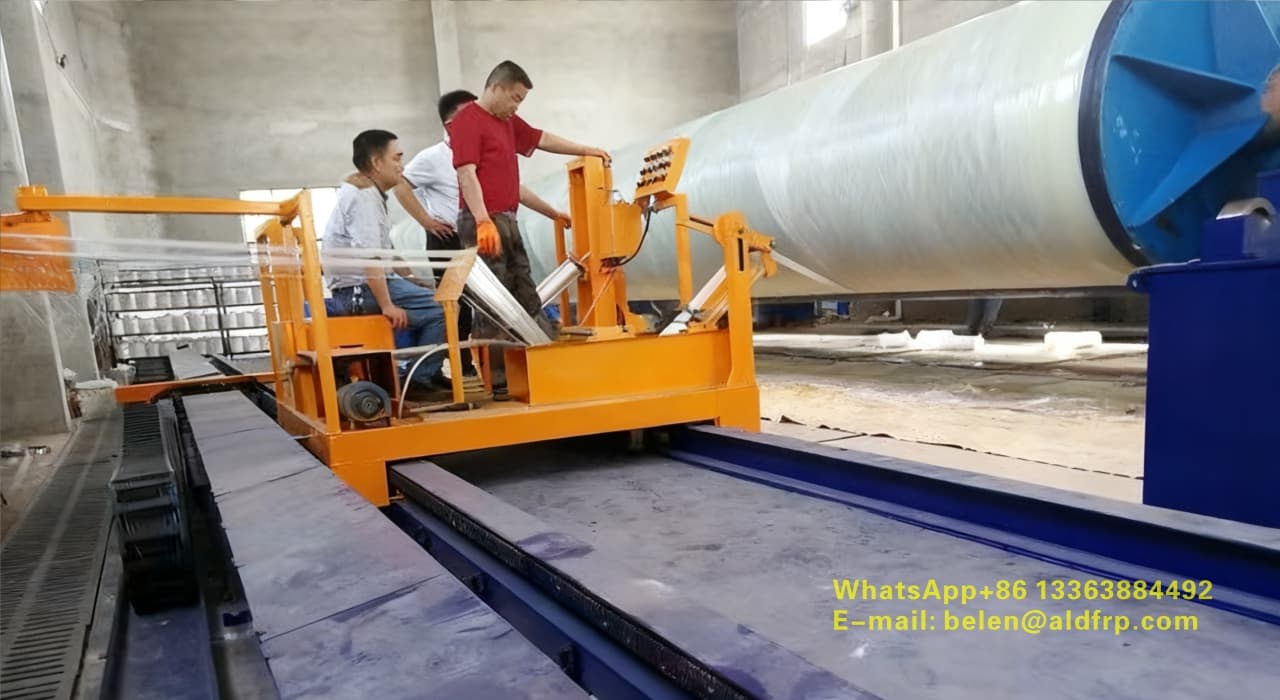
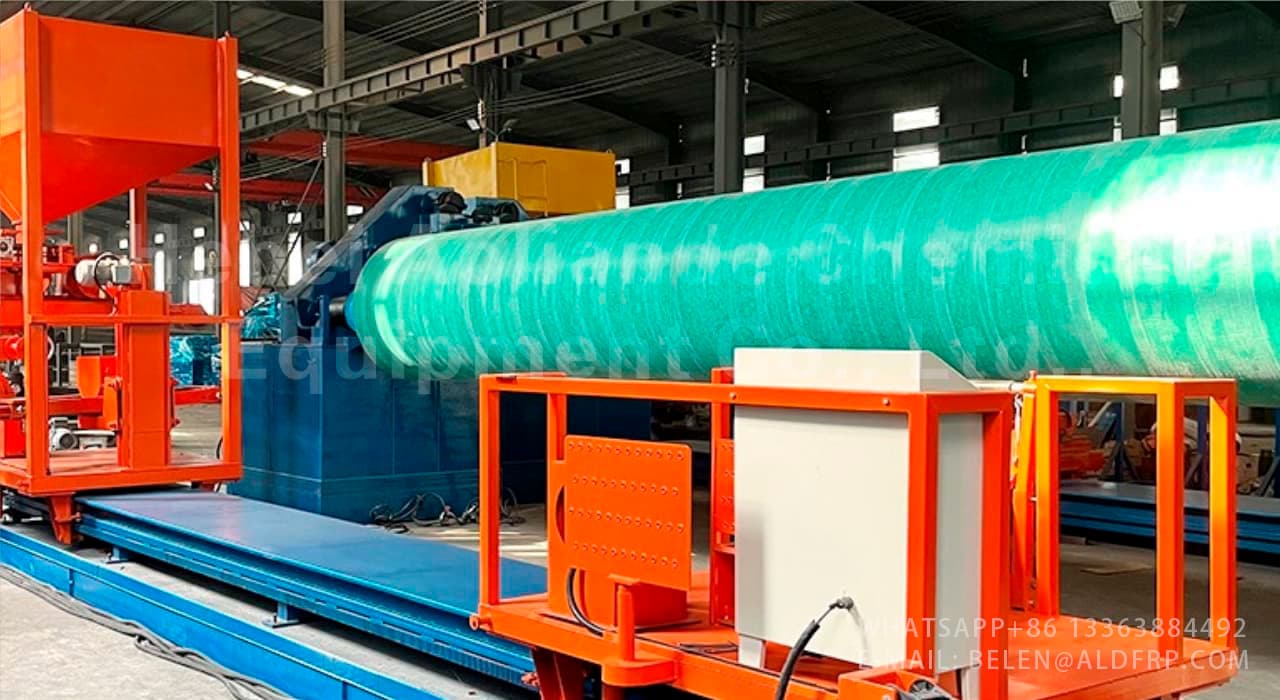
Un Machine de tuyaux FRP is a specialized piece of equipment used to manufacture fiberglass pipes using the filament winding process. Continuous glass fibers are impregnated with resin and wound around a rotating mandrel, forming layers that create a strong, corrosion-resistant pipe.
The key feature is precise control over:
-
Fiber orientation
-
Wall thickness
-
Resin content
-
Winding patterns
This allows manufacturers to produce pipes that are lightweight yet strong, with consistent quality across production runs.
What Are Traditional Pipe Machines?
Traditional pipe machines refer to the equipment used for producing pipes from conventional materials such as:
-
Steel pipes – produced using welding, extrusion, or rolling machines
-
Concrete pipes – made with centrifugal or casting machines
-
PVC or HDPE pipes – manufactured using extrusion machines
These machines typically focus on bulk production but often require additional processing steps, such as welding, curing, or chemical treatment.
Key Differences Between FRP Pipe Machines and Traditional Pipe Machines
1. Material Type
-
FRP Pipe Machines: Use fiberglass fibers and resin to create a composite material.
-
Traditional Machines: Use metals, concrete, or thermoplastics.
Impact: FRP pipes are corrosion-resistant and lightweight, whereas steel pipes may rust, and concrete pipes can crack under chemical exposure.
2. Manufacturing Process
-
FRP Pipe Machines: Use filament winding, which applies fibers in controlled angles to optimize strength.
-
Steel Pipes: Often require welding or rolling to form pipe shapes.
-
Concrete Pipes: Require molds and curing time.
-
PVC/HDPE Pipes: Use extrusion and cooling.
Impact: FRP filament winding ensures uniform fiber placement and wall thickness, providing predictable mechanical performance. Traditional processes can have inconsistencies, especially under manual operations.
3. Product Strength and Durability
-
FRP Pipes: High tensile strength, excellent pressure resistance, and corrosion-resistant.
-
Steel Pipes: Strong but susceptible to rust and chemical corrosion.
-
Concrete Pipes: Strong in compression but brittle under impact or bending.
-
PVC Pipes: Lightweight and corrosion-resistant but limited pressure capacity.
Impact: FRP pipes offer a balance of strength, flexibility, and corrosion resistance that traditional pipes often struggle to match in harsh environments.
4. Weight
-
FRP Pipes: Lightweight, easier to transport and install.
-
Steel Pipes: Heavy, require cranes or heavy machinery.
-
Concrete Pipes: Extremely heavy, difficult to handle.
-
PVC Pipes: Lightweight but may sag under long spans or high pressure.
Impact: Lighter pipes reduce transportation costs and installation time. FRP pipes can be handled by fewer workers or small cranes, increasing project efficiency.
5. Resistance to Corrosion
-
FRP Pipes: Highly resistant to chemical, acid, and saltwater corrosion.
-
Steel Pipes: Prone to rust, especially in acidic or salty environments.
-
Concrete Pipes: Can degrade in acidic wastewater or chemical exposure.
-
PVC Pipes: Resistant to corrosion but can deform under heat and pressure.
Impact: For wastewater treatment plants, desalination systems, and chemical industries, FRP pipes significantly reduce maintenance costs compared to traditional pipes.
6. Production Flexibility
-
FRP Pipe Machines: Can produce pipes with varying diameters, wall thicknesses, and reinforcement patterns using the same equipment.
-
Traditional Machines: Often require separate setups or molds for different sizes and designs.
Impact: FRP machines are ideal for projects with multiple pipe specifications or custom designs.
7. Installation and Maintenance
-
FRP Pipes: Easy to install due to lightweight design; rarely require coatings or additional protection.
-
Steel Pipes: Heavy and may need anti-corrosion coatings or cathodic protection.
-
Concrete Pipes: Heavy and brittle; may require joint sealing and maintenance.
-
PVC Pipes: Easy to install but limited for high-pressure or long-term industrial use.
Impact: FRP pipes reduce labor, installation time, and long-term maintenance costs.
8. Cost Considerations
-
FRP Machines: Higher upfront cost for equipment and resins, but lower lifetime maintenance cost for pipes.
-
Steel Machines: Medium equipment cost but higher maintenance due to corrosion protection.
-
Concrete Machines: Lower equipment cost but slower production and heavy logistics.
-
PVC Machines: Low equipment cost and fast production, but limited in heavy-duty applications.
Impact: FRP provides long-term savings, especially in corrosive or high-pressure environments.
Real-World Example
Imagine a municipal wastewater project. You have a choice between:
-
Steel Pipes: Strong but heavy, require coating, risk rust.
-
Concrete Pipes: Heavy, prone to cracking, difficult to transport.
-
FRP Pipes via Filament Winding: Lightweight, corrosion-resistant, customizable diameter and wall thickness.
From my experience, the FRP option reduces installation time, eliminates corrosion concerns, and lasts decades with minimal maintenance. That’s why industries are increasingly switching to FRP piping solutions.
Conclusion
When comparing FRP pipe machines vs traditional pipe machines, it’s clear that FRP filament winding machines offer several advantages:
-
Lightweight and easy to transport
-
Corrosion-resistant and chemically durable
-
High mechanical strength with precise fiber control
-
Flexible production for different pipe sizes and designs
-
Lower long-term maintenance costs
-
Faster installation and reduced labor
While traditional pipe machines have their place—like steel for extreme mechanical loads or concrete for underground gravity pipelines—FRP pipe machines are increasingly preferred in modern industrial, municipal, and chemical applications.
In short, if your project values durability, corrosion resistance, and long-term efficiency, investing in an FRP pipe machine is often the smarter choice.