
Sulfuric acid plant cost is about much more than just daily tonnes. Your raw materials, acid grade, and heat recovery change the final price. Site conditions, storage, and the supplier’s limits matter too.
A good plant budget begins with a clear written plan. Next, you price every single step and site part using that exact plan. This simple way helps you spot missing building work, power needs, startup help, and pollution controls.
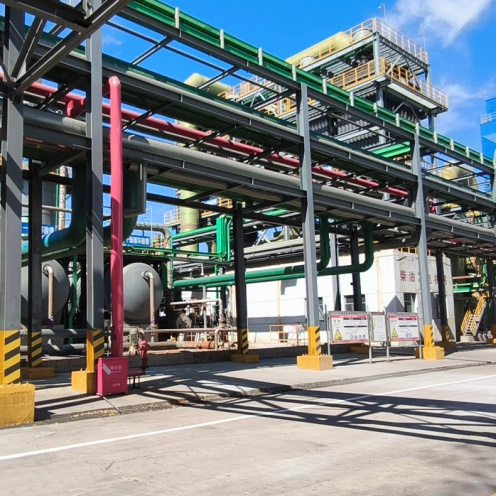
What Sets Sulfuric Acid Plant Cost?
The biggest cost drivers are capacity, run time, and sulfur quality. Product strength, saved energy, and building rules also play a big part. Two plants might make the exact same amount of acid. But their total jobs can look very different. For instance, one job might include storage, steam making, and acid cooling. It might even add loading and startup testing. Another job might only give you the core machines.
Capacity and Operating Basis
Always write down the daily tonnes you can sell. List your running days and uptime. Also, pick your product type. Tell the builder if you want 98 percent acid, another mix, or oleum. These simple details change your gas flow, cooling, tanks, and handling.
The sulfuric acid production plant cost also goes up if you want backup parts. A single backup pump is cheap. But extra blowers, coolers, or power lines cost a lot. Write every need in your first plan.
Feedstock and Site Basis
Your front-end design depends on sulfur purity. Delivery style, storage days, and how you unload it also shape this part. The building site adds costs for concrete bases, steel, and roads. You also have to pay for drains, power, water cleaning, and cooling units. Hot or cold weather changes how machines work. High ground changes this too. Finally, local city rules set your gas cleaning needs.
Which Process Sections Drive the Budget?
Il sulfuric acid manufacturing plant cost tracks the whole making process. In a sulfur-burning sulfuric acid production line, it starts with sulfur prep. Then it moves to combustion, conversion, and heat recovery. After that comes drying, absorption, and acid cooling. Storage and startup steps end the line. Break down your sulfuric acid plant equipment cost in this exact way. This helps you find any missing parts.
Sulfur Melting and Filtration
The front area has belts, melting tanks, and pumps. It also holds filters and sulfur storage. In the standard setup, steam coils use 0.5 to 0.6 MPa saturated steam. Storage heat stays at 135 to 145°C. Your sulfur quality changes how hard the filters work. It also changes your cleaning and dirt-handling tasks.
Combustion, Conversion, and Heat Recovery
Clean air gets squeezed and dried before hitting the furnace. The normal plan uses 98 percent acid for drying. It keeps air moisture at 0.1 g/Nm³ or less. Next, the gas moves through a waste heat boiler. It then goes into a big converter, heat swappers, and absorption towers.
Very hot gas holds good energy. One known plan cools this gas from about 970°C to 420°C inside the waste heat boiler. Things like boiler pressure and steam use affect your final price. Water treatment and pipe returns do too. Make sure the steam system gets its very own budget line.
Drying, Absorption, and Product Handling
Drying and absorption need big towers, acid tanks, and pumps. They also need coolers, pipes, meters, and storage tanks. The cited plan uses 98 to 98.5 percent circulating acid. It also claims an SO2 conversion of at least 99.8 percent. Write your feed rules, run times, and testing ways right into the contract.
Your building metals depend on the acid’s heat. You might need special stainless steel or acid-safe iron. Sometimes, you need extra electric rust protection. Your plan review must also look at stopping acid mist inside the towers.
Which Costs Are Easy to Miss?
Building a plant takes more than just buying machines. A sulfuric acid plant construction cost covers dirt moving, concrete bases, and buildings. You must pay for steel, cranes, and putting it all together. Wrap, pipes, wire paths, and fire safety add up fast. If your site is far away, you will spend more. You have to pay for worker beds, shipping, and extra spare parts.
Utilities and Environmental Systems
Make a clear list of your power and water setups. Include air for tools, startup fuel, drains, and backup power. Do not forget early gas cleaning and chimney testing. Add safe acid walls and spill cleanup plans. Your city work permit will set the final rules.
Commissioning and Owner’s Costs
Save money for catalysts, chemicals, and lab tools. You also have to pay for teaching workers, early testing, and spare parts. Things like city permits, taxes, bank loans, and insurance sit outside most machine quotes. A math sheet can hide these extra costs for a bit. But the real building site will force you to pay them.
How Should CAPEX and OPEX Be Compared?
Set clear lines before you compare your choices. A sulfuric acid plant CAPEX covers machines, design work, and shipping. It also pays for building, controls, and final testing. Make sure every quote looks at the exact same job list.
Un sulfuric acid plant OPEX pays for daily sulfur, power, and water. It covers fixing things, catalysts, worker pay, and stops. Selling extra steam makes you money. This only works if a close neighbor needs that steam. Use your local power prices to do this math.
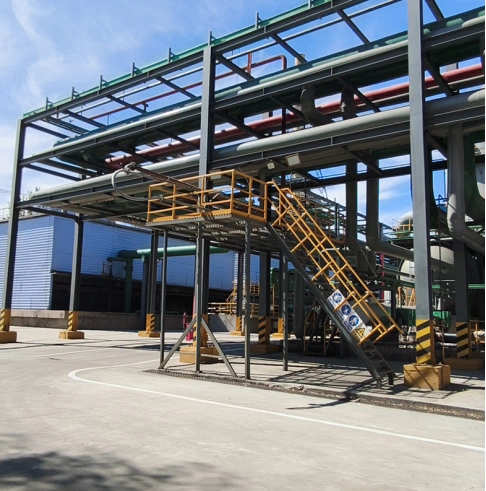
How Can You Control the Budget and Keep the Design Basis?
Good budget planning stops guessing early on. Lock in your raw feed facts and product grade. Fix your capacity, time plan, and dirty air rules. Do this before asking for the final price. Late changes force new drawings. They also mean buying bigger power units and writing new orders.
Compare Complete Scopes
Give every seller the exact same job list. Point out who handles bases, pipes, wires, and water cleaning. List who does the tanks, wrapping, building, and starting up. Read what they leave out very closely. Look at your metals and backup machines over their whole life. Rust makes parts break early. A single broken pump can stop the whole plant. But try to skip extra parts if your daily plan does not need them. Link every spare part to a real plant risk.
What Should a Cost RFQ Include?
A good RFQ gives you a much better cost guess. The same list also makes comparing sellers very fair. Ask for:
Target daily and yearly output you can sell
Product strength, oleum needs, and storage time
Sulfur rules, delivery style, and storage days
Running days, uptime, and backup machine needs
Site spot, weather, dirt facts, and truck roads
On-hand power, water, fuel, and steam users
City air limits, testing, and safe spill walls
Smart controls, lab tools, worker training, and spare parts
The dividing line for shipping, building, and testing
Ask for a process story, machine list, and power schedule. These papers explain the price way better than one big number at the end.
A Traceable Scope for a Defensible Budget
Once your facts are set, the seller must link them all up. Aoliande can build the whole line. They start at sulfur melting and move through burning, conversion, and heat recovery. Then they cover drying, absorption, and acid cooling.
This whole view helps you plan your money. A hot furnace changes the boiler. The boiler changes your steam. Gas heat changes the conversion rate. Aoliande puts all these links into clear papers and machine lists. This gives you a budget tied to real tools and site jobs. Picking the right metals early helps you see long-term costs before buying.
Domande frequenti
Q1: How Much Does a Sulfuric Acid Plant Cost?
A: There is no single set price. Capacity, sulfur quality, product grade, and heat recovery change the cost. Site facts and your project limits matter too. A good price guess must follow a full written plan.
Q2: Which Equipment Has the Largest Effect on the Plant Budget?
A: Big cost items are the sulfur furnace, waste heat unit, and main converter. Drying towers, acid coolers, and site power cost a lot too. The biggest single item changes based on your plant size and local building costs.
Q3: Does Waste Heat Recovery Reduce Operating Cost?
A: It really can. But the true answer depends on your boiler design and steam pressure. It also depends on if a close neighbor wants to buy that steam. You have to compare the extra machine cost against the fuel you save.
Q4: What Data Is Needed for a Reliable Cost Estimate?
A: Give the seller your capacity, product grade, and sulfur test facts. Tell them your running schedule, power facts, and site limits. A sulfuric acid plant cost guess also needs clear rules on who builds and tests the tools.
Q5: How Can You Compare Two Plant Quotations?
A: Put both quotes next to one machine list. Make sure the building work, power, metals, shipping, and spares match up. After that, you can compare the capital and daily running costs fairly.