
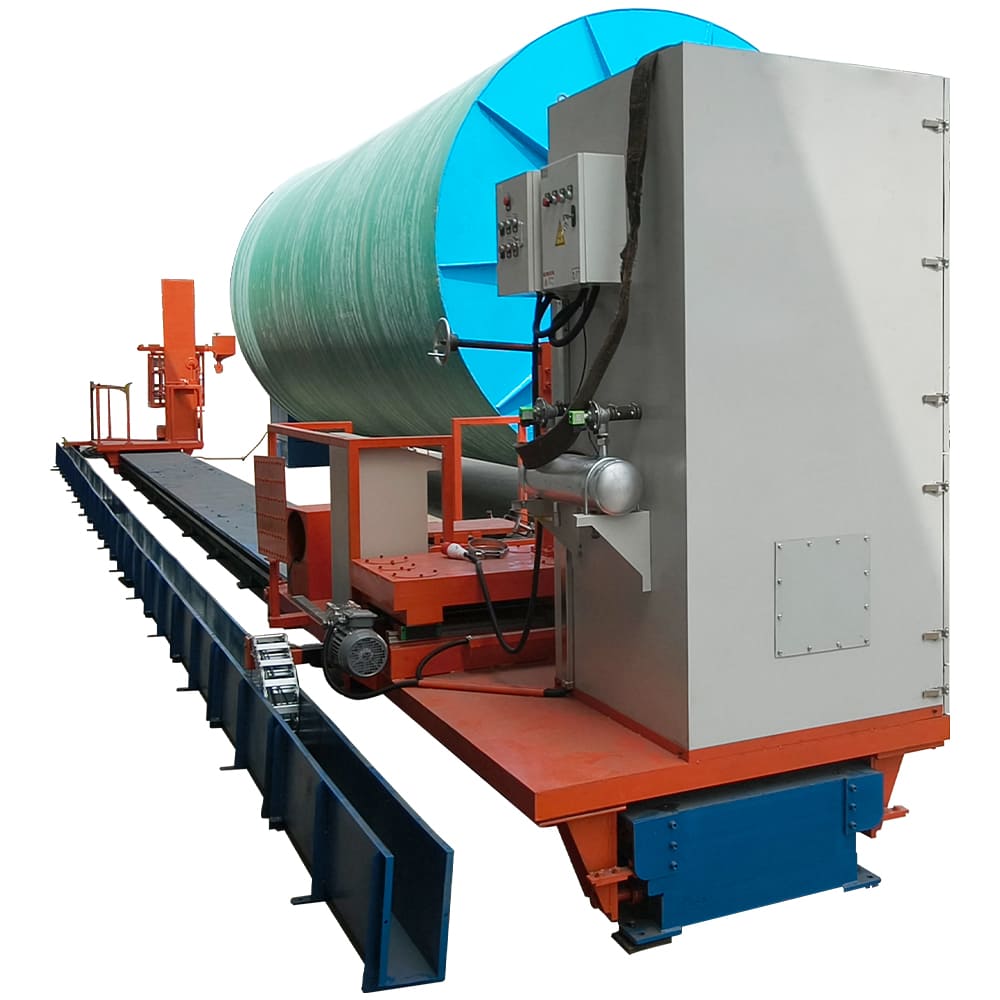
In the always changing world of making things, automation has turned into a main way to boost how well things run and how good products turn out. For fields that make fiber-reinforced plastic (FRP) items, picking the right winding machine matters a lot in shaping what comes out in production. One such new tool is the computer-controlled filament winding machine. It has picked up speed fast over old-style ones. This blog looks at the main gaps between computer-controlled filament winding machines and old manual types. It focuses on automation, exactness, how much gets made, and worker pay. This helps firms pick wisely.
What Is Filament Winding?
Filament winding is a special method used to build mixed material goods. It is mostly for fields that need high strength but low weight, like space travel, cars, and chemical work. The steps include wrapping fibers soaked in resin around a spinning core to form tube-like or ball-shaped items. These goods then harden. This leads to a tough, light build that fights rust well. It works great for pipes, tanks, and pressure holders.
The old way to do filament winding uses hands to run machines. This needs trained workers and can lead to mistakes from people. But computer-controlled filament winding machines give auto control. They promise better exactness and steady results.
1. Automation: The Future of Winding Machines
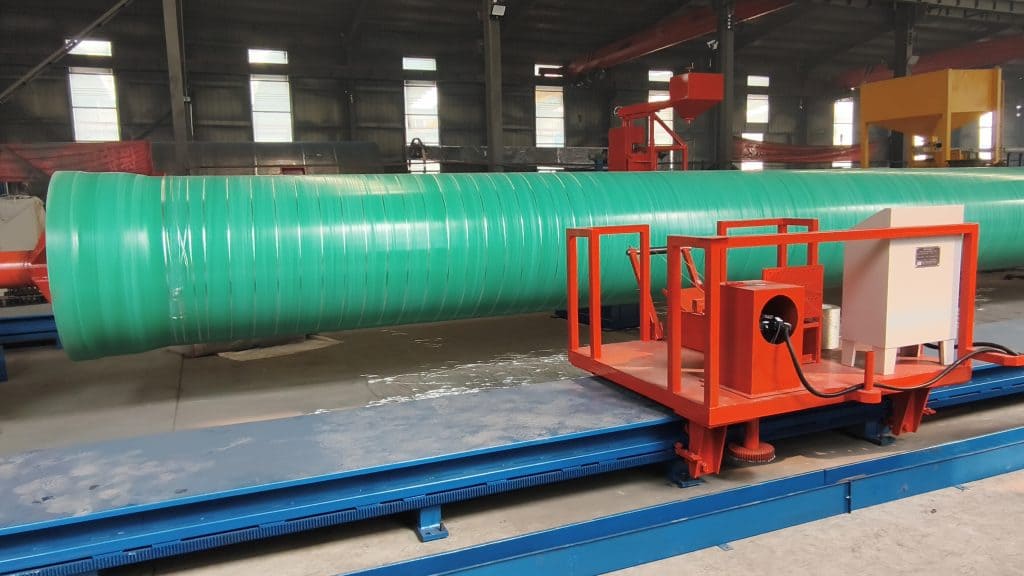
The biggest plus of computer-controlled filament winding machines is in automation. Old machines need people to tweak settings like pull, pace, and fiber spot during winding. This can work okay for easy jobs. But it takes a lot of time and can go wrong often.
Computer-controlled filament winding machines use smart programs that run the winding on their own. Workers type in plan details, and the machine does the rest. This covers changing the fiber pull, handling the winding pace, and even shifting between winding corners. Such auto work cuts down on mistakes from people. It also boosts the skill to make hard parts with good exactness.
For instance, with a computer-controlled setup, a maker can keep steady pull through the whole winding. In old machines, uneven pull causes flaws like fiber folds. These weaken the strength and lasting power of the done item. Auto machines, with their sharp controls, wipe out such problems. They make sure output stays high in quality all the time.
2. Precision and Quality Control
Exactness is key in making mixed materials. In old filament winding, the item’s quality can suffer from many things. These include slips by people, uneven fiber spots, and wrong control over winding pace.
Computer-controlled systems shine in exactness. These machines use high-tech trackers and feelers to watch every part of the winding. They make sure fibers go in with perfect aim. The machine fixes any shifts on its own. It keeps fiber spots steady over the whole item.
Plus, auto systems can add live data grab and check. This lets makers watch things like fiber pull, resin soak speed, and hardening time. It makes sure each item sticks to tight quality rules.
3. Production Efficiency: Maximizing Output
Time equals cash in making things. Boosting how much gets made is vital to stay ahead. Old filament winding machines often go slower because of hand tweaks and checks. This can cap how much comes out.
But computer-controlled winding machines are quicker and better at it. Automation lets setup happen fast. The machine can switch to new item plans without hand reset. Also, these machines can go on without stops. This lifts total output.
In fields where big amounts of like items are needed, the speed of auto systems matters a lot. The time saved from automation helps firms meet more calls while keeping item quality steady.
4. Reducing Labor Costs
Worker pay takes a big chunk of any making budget. Old filament winding machines lean hard on trained workers to watch and tweak machines through the making loop. This tie to human work not only hikes running costs but also brings chances for slips from worker tiredness or skill gaps.
On the flip side, computer-controlled filament winding machines cut the need for trained work. With automation doing most of the winding, firms can put people on better jobs like item plan or quality watch, instead of usual machine tweaks. This change can lead to big savings over time, mainly for big runs.
Also, computer-controlled systems can run with less trained staff. This drops training costs and work extras more. In fields with few workers or high quit rates, automation helps keep making steady without always teaching new folks.
5. Flexibility and Customization
The skill to make custom items is one more plus of computer-controlled filament winding machines. In old setups, tweaking the machine for a new item plan can take time and lead to slips. It needs hand changes to machine settings.
But computer-controlled machines let quick custom work by just typing new details into the system. Be it shifting the winding corner, fiber direction, or resin kind, auto machines can fix to these in the moment. This bend makes it simpler for makers to answer shifting buyer wants. It allows faster finish times and shorter waits.
For example, makers building pipes for different uses like water flow, drain, or oil fields can switch fast between pipe sizes and fiber styles. They do this all while keeping the same level of exactness and speed.
6. Maintenance and Upkeep: A Comparison
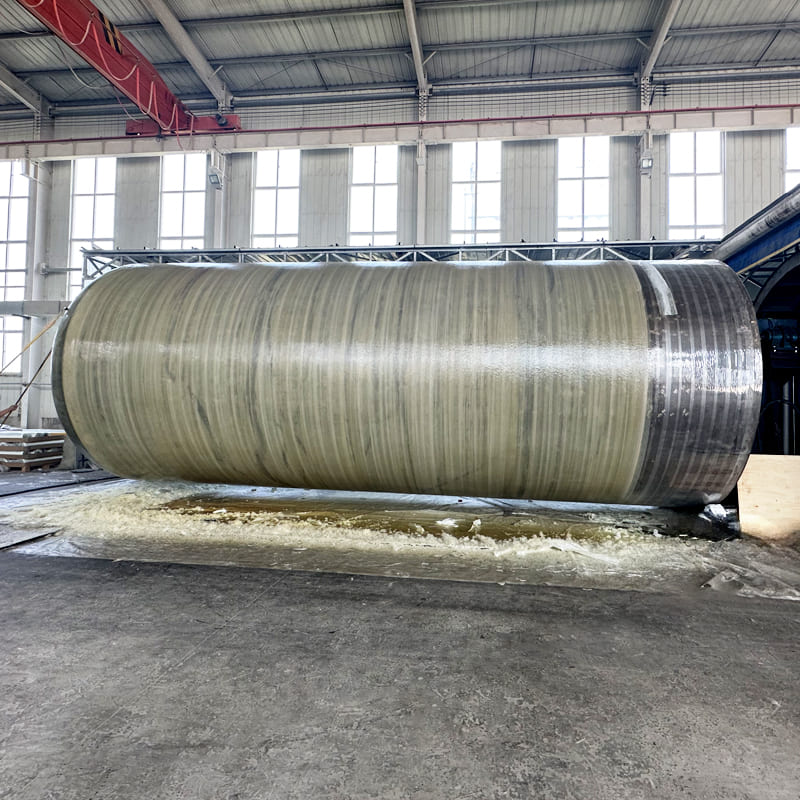
While old filament winding machines are mostly less tricky, they can need more often fixes. Manual machines count on many moving bits. Without steady care, wear can hurt how they work. This leads to stops and higher fix costs.
Computer-controlled systems, though, have fewer machine parts and lean more on electric setups. This means less body wear, but these systems might still need software boosts or electric bit swaps now and then. Yet with smart check tools built in, care for auto machines is usually simpler and less often than for old ones.
About Hebei Aoliande Chemical Equipment Co., LTD.
Hebei Aoliande Chemical Equipment Co., LTD. is a leading manufacturer specializing in advanced FRP (fiber-reinforced plastic) filament winding machines. With a commitment to quality and innovation, Aoliande provides high-tech solutions that help clients optimize production efficiency, reduce operational costs, and maintain superior product quality. Through continuous research and development, Aoliande ensures its machines meet the evolving needs of industries such as petrochemicals, water supply, and waste management.
Conclusion: Investing in Automation for the Future
The look at old filament winding machines and their computer-controlled matches shows many strong pluses of automation. From better exactness and making speed to lower worker costs and boosted item quality, auto filament winding systems give a big lead over old ways. For firms looking to stay ahead in a fast changing making world, putting cash in computer-controlled systems is a smart choice ahead. It can bring back in savings and better item quality.
As fields keep asking for better work, more bend, and quicker finish times, the move to auto filament winding machines will just grow. By taking on this tech, makers can make sure they stay at the front of new ideas in the fiber-reinforced plastic field.
Domande frequenti
Q1: What are the primary benefits of computer-controlled filament winding machines?
A1: The main perks include more automation, exactness, quicker making rates, and lower worker costs. This leads to better and steady making steps.
Q2: How does automation improve the quality of filament wound products?
A2: Automation makes sure fiber pull stays even, winding corners are right, and resin goes on exact. This brings higher-quality items with fewer flaws.
Q3: Are computer-controlled filament winding machines suitable for all types of industries?
A3: Yes, these machines work in many ways. They can go across fields like space travel, cars, chemical, and water clean, where strong mixed materials are needed.
Q4: How can automation help reduce production costs?
A4: Automation cuts the call for trained workers, lowers waste of stuff, and boosts making speeds. All this adds to lower total making costs.
Q5: What type of maintenance is required for computer-controlled filament winding machines?
A5: These machines need less often care than old ones. Most upkeep covers software boosts and quick checks on electric bits. This keeps stops low.