
Fiberglass Reinforced Plastic (FRP) pipes have become a staple in industries that require corrosion-resistant, lightweight, and durable piping. But have you ever wondered how these pipes are made? That’s where a fiberglass pipe winding machine comes into play. From my experience in the composite manufacturing industry, understanding this machine is key to appreciating how high-quality FRP pipes are consistently produced.
In this guide, I’ll explain what a fiberglass pipe winding machine is, how it works, why it’s important, and what factors you should consider if you’re thinking of investing in one. I’ll also include real-life examples to make it easier to understand its practical applications.
What Is a Fiberglass Pipe Winding Machine?
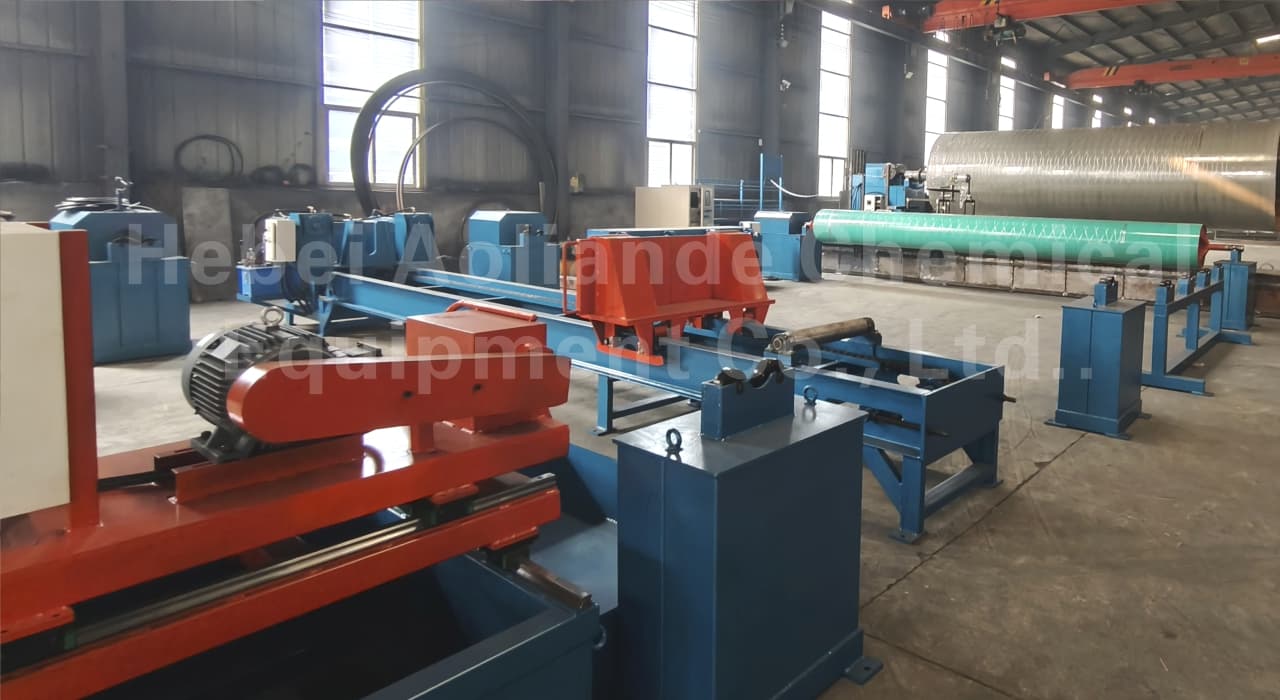
Simply put, a fiberglass pipe winding machine is specialized equipment used to manufacture FRP pipes by winding resin-impregnated fiberglass around a rotating mandrel. Unlike manual or semi-automatic setups, this machine automates the winding process, ensuring that each pipe has consistent wall thickness, precise fiber placement, and structural integrity.
I like to think of it as weaving threads soaked in glue around a cylinder—but with industrial precision. Modern machines allow for a high degree of automation, making them suitable for producing pipes of varying diameters, lengths, and pressure ratings.
How Does a Fiberglass Pipe Winding Machine Work?
To understand the process, let’s break it down step by step:
1. Mandrel Setup
The mandrel acts as the core of the pipe. It must be cleaned and coated with a release agent to ensure the pipe can be removed easily. Proper preparation is essential to achieve smooth surfaces and correct dimensions.
2. Resin Impregnation
Fiberglass rovings are pulled through a resin bath or injection system, ensuring that every fiber is fully saturated. Proper resin impregnation is crucial for mechanical strength, chemical resistance, and durability.
3. Filament Winding
The fibers are wound around the mandrel at specific angles and tension. This step determines the pipe’s ability to handle axial and radial loads. Modern machines use automated controls to maintain consistent winding angles, speed, and tension, which results in uniform wall thickness and reliable quality.
4. Optional Fillers
Some applications, particularly large-diameter pipes, incorporate fillers such as silica sand between layers. Fillers reduce material costs while maintaining pipe stiffness.
5. Curing
After winding, the pipe is cured to solidify the resin and lock the fibers in place. Depending on the system, curing can occur at room temperature or in heated chambers. Proper curing ensures that the pipe meets mechanical and chemical specifications.
6. Demolding and Finishing
Once cured, the pipe is removed from the mandrel and trimmed or polished. Some machines also integrate automated quality checks, such as wall thickness measurement and surface inspections, to ensure the final product meets industry standards.
Advantages of Using a Fiberglass Pipe Winding Machine
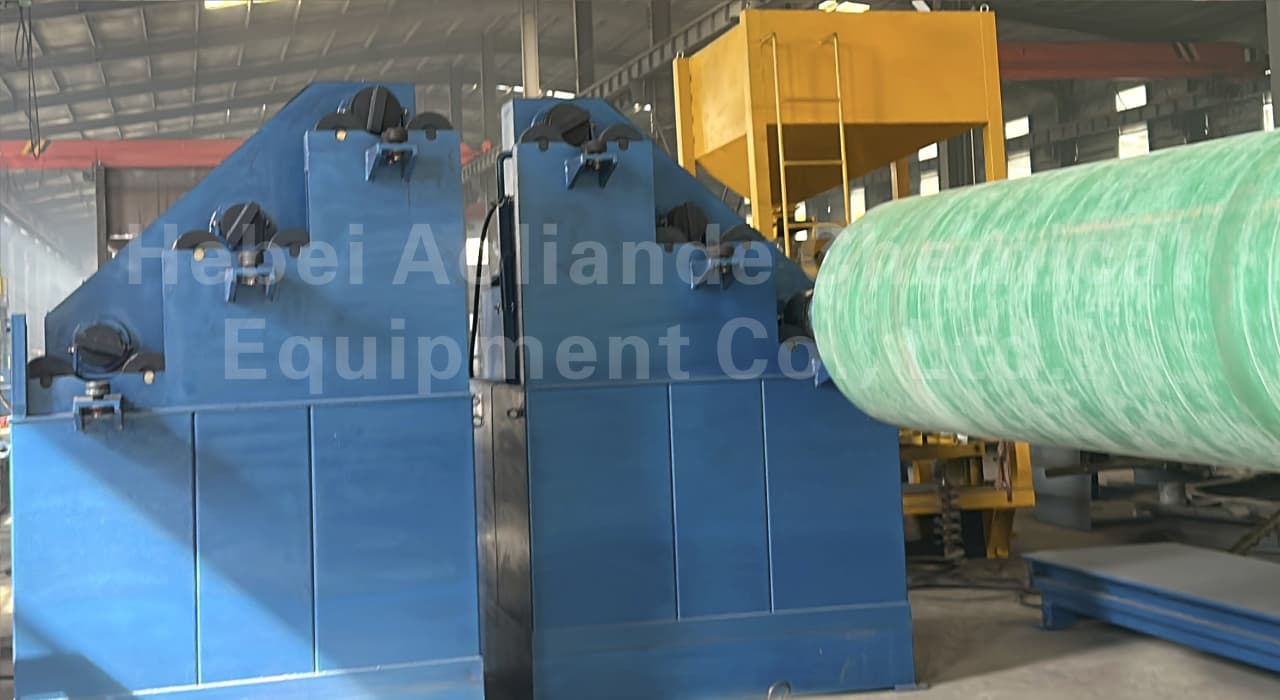
From my perspective, the benefits of a fiberglass pipe winding machine are clear:
-
Consistent Quality – Automation ensures each pipe meets the required specifications with uniform wall thickness and strength.
-
High Efficiency – Automated winding increases production output while reducing manual labor.
-
Flessibilità – Machines can produce pipes of various diameters, lengths, and wall thicknesses, making them versatile for different industries.
-
Risparmio sui costi – Accurate resin and fiber usage minimizes waste and reduces material costs.
-
Reduced Labor Dependence – Fewer operators are needed, freeing staff for maintenance, quality control, and logistics.
Real-Life Example: How Production Improves
I once worked with a factory producing FRP pipes for municipal water systems. They were using semi-automatic winding methods, which limited daily production and sometimes led to inconsistent wall thickness.
After upgrading to a fully automated fiberglass pipe winding machine, daily output more than doubled. The pipes were more uniform, passed all quality checks, and allowed the company to take on larger contracts. This example shows how a single machine can significantly improve both efficiency and product quality.
Key Factors to Consider Before Buying
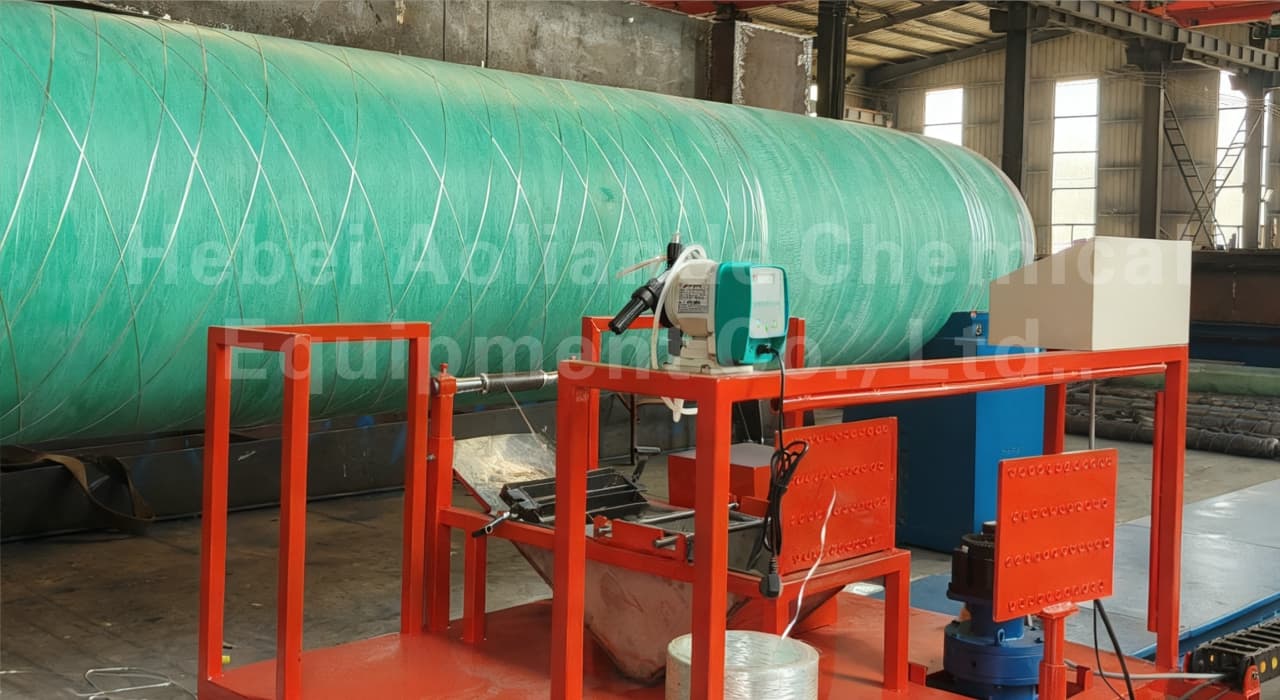
If you’re thinking of investing in a fiberglass pipe winding machine, here are some key considerations:
-
Production Capacity – Make sure the machine can meet your current and future production needs.
-
Pipe Size Range – Confirm it can handle the diameters and lengths you plan to produce.
-
Automation Level – Fully automated machines reduce labor but come with higher initial costs. Semi-automatic machines may be suitable for smaller operations.
-
Resin and Fiber Compatibility – Ensure the machine works with your chosen materials.
-
After-Sales Support – Training, maintenance guidance, and spare parts are essential for smooth operation.
Maintenance Tips for Longevity
Even the best fiberglass pipe winding machine requires regular maintenance:
-
Check fiber tension and alignment frequently.
-
Keep resin delivery systems clean and calibrated.
-
Inspect mandrels for wear and replace them as needed.
-
Train operators for troubleshooting and preventive maintenance.
Routine care ensures consistent pipe quality and reduces downtime.
Modern Trends in Fiberglass Pipe Manufacturing
The industry is rapidly evolving. Newer fiberglass pipe winding machines now include:
-
Real-time monitoring of winding tension and resin flow
-
Digital control for precise winding angles
-
Automated quality inspections
-
Energy-efficient curing systems
These innovations improve efficiency, reduce errors, and help manufacturers meet international standards, especially for export markets.
Why Investing in a Fiberglass Pipe Winding Machine Pays Off
From my perspective, a fiberglass pipe winding machine isn’t just equipment—it’s a strategic investment. It enables manufacturers to:
-
Increase production efficiently
-
Ensure consistent product quality
-
Reduce material waste and labor costs
-
Produce pipes for diverse applications confidently
In industries where corrosion resistance and reliability are critical, having a modern winding machine gives your facility a competitive edge.
Conclusione
Un fiberglass pipe winding machine is the heart of modern FRP pipe manufacturing. It combines automation, precision, and efficiency to produce high-quality pipes consistently. From my experience, companies that adopt these machines see measurable improvements in output, product consistency, and profitability.
Understanding this equipment is essential whether you’re starting a new FRP pipe facility or upgrading an existing one. Investing in the right winding machine ensures long-term success in a growing market for durable, corrosion-resistant piping.