
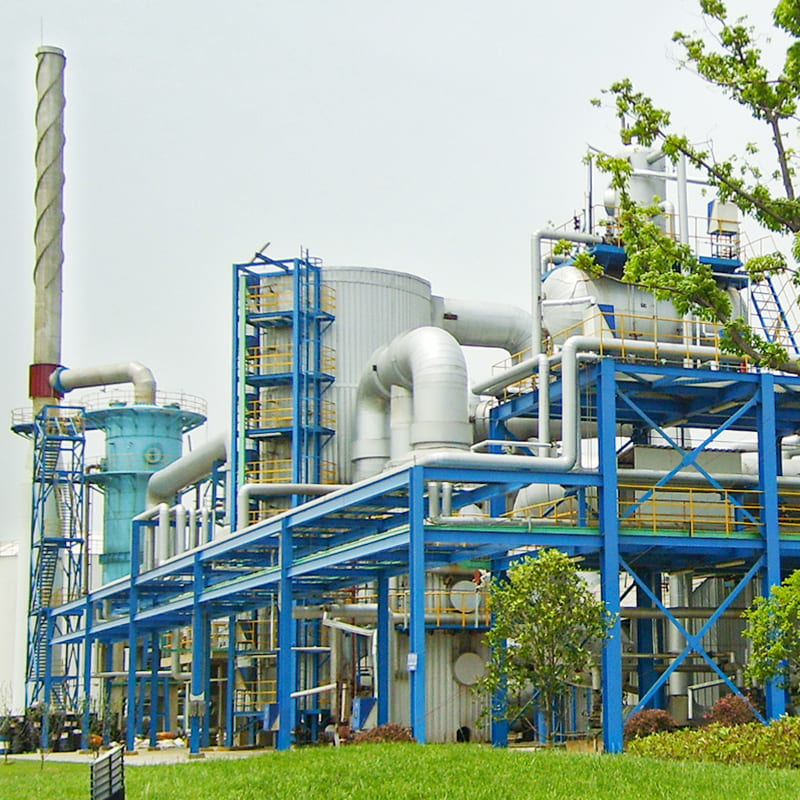
In the world of growing food needs, good farming ways matter a lot. Potassium sulfate (K2SO4), also called SOP (sulfate of potash), helps reach these good goals. This stuff, often made by the Mannheim process, is key for plant growth and dirt health. It gives a green choice over other plant foods. In this piece, we look at the big part of potassium sulfate in today’s farming, its pluses, and how it aids the shift to better farming.
What Is Potassium Sulfate?
Potassium sulfate is a natural rock and a must-have food for plants used as plant food. Unlike potassium chloride (MOP), potassium sulfate has no chlorine. Chlorine can hurt some plants. SOP gets used a lot in farming because it gives both potassium and sulfur. These are two foods plants need for growth. Potassium aids plants by handling water and food flow. Sulfur is key for making proteins and plant health overall.
This leads us to why potassium matters so much in farming.
The Importance of Potassium in Agriculture
Potassium is the third big food for plants, after nitrogen and phosphorus. It plays a main part in these farming steps:
- Water Control: Potassium keeps water even in plant cells. It stops drying out and boosts fight against dry times.
- Food Movement: It helps move sugars, proteins, and other key foods through the plant. This ensures good growth and change.
- Fight Against Sickness: Potassium makes plant cell walls stronger. They stand up better to sickness and bugs.
- Better Light Use: The food boosts the plant’s skill to turn sun into power through light work. This leads to quicker growth and more crops.
Without enough potassium, plants face more risk from stress, sickness, and weak growth. So, potassium sulfate is vital for strong crop making and good farming ways.
Now, let’s compare it to another common option.
Potassium Sulfate vs. Potassium Chloride: Why SOP Is Preferred
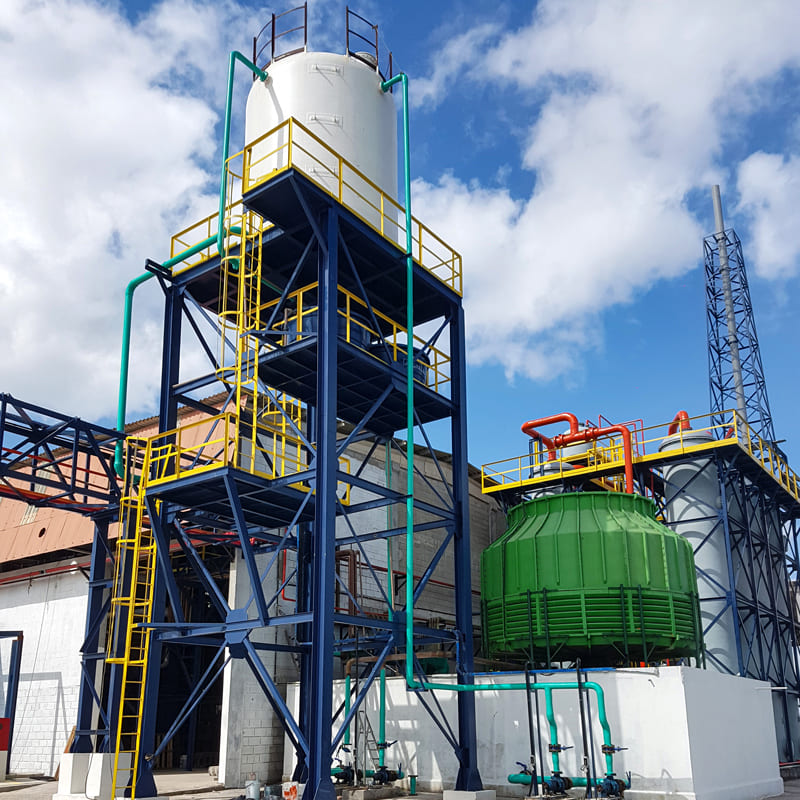
Though potassium chloride (KCl) gets used often as plant food, potassium sulfate (SOP) has many edges. This is true in some dirt kinds and for certain plants:
- No Chlorine: Potassium sulfate lacks chlorine. Chlorine can harm plants like potatoes, tobacco, and some fruits. Chlorine in plant foods can cause salt worry and block water and food take-up. This cuts crop amount.
- Two Foods: SOP gives both potassium and sulfur. These are two key foods often missing in dirt, mainly in spots where rain washes them away.
- Better Crop Goodness: Using SOP can boost the taste, size, and look of fruits and veggies. For instance, tomatoes and grapes grown with SOP plant foods often have nicer flavor and feel.
The lack of chlorine in SOP makes it very handy for plants that hate salt. Thus, it leads to healthier plants and top-notch crops.
This ties into how it fits with green farming.
Potassium Sulfate in Sustainable Agriculture
Good farming ways focus on nature health, saving resources, and long crop work. Potassium sulfate is a main part in this change for many reasons:
- Dirt Health: Unlike harsh plant foods that can wreck dirt over time, potassium sulfate aids keep dirt build and boosts tiny life work. Healthy dirt is key for good crop making as it backs plant growth and water hold.
- Less Nature Harm: Potassium sulfate, when made by the Mannheim process, has a fairly small nature mark. Compared to other plant foods that add to water dirt and gas from greenhouses, SOP is a green pick for farmers who want to cut their nature hit.
- Smart Food Use: With potassium sulfate, plants can take in the foods they need better. This cuts the need for too much plant food use. It helps lower plant food flow into water spots. This lowers the risk of too much growth in water and keeps water clean.
- Backing Crop Mix: SOP is extra good for pricey plants like fruits, veggies, and herbs. These plants gain from the even foods that potassium sulfate gives. This backs the growth of mixed and healthy plants in the farm world.
In the world of good farming, SOP shines as a handy and green choice. It adds to healthier dirt, less dirt, and more life kinds.
Next, we dive into how it’s made.
The Mannheim Process: A Sustainable Production Method
Potassium sulfate gets made most often by the Mannheim process. This is a hot mix between potassium chloride and sulfuric acid. This way, though it uses lots of power, can get better with tech changes and new ideas.
Hebei Aoliande Chemical Equipment Co., Ltd., a top maker of Mannheim process potassium sulfate making lines, has done big steps in making this way better. They cut power use and boost making speed. For example, they added power-save steps, like better oven builds and smarter heat use, to lower the gas mark of potassium sulfate making.
Also, better ways in the HCl take-up system make sure the process follows nature rules by catching and reusing hydrochloric acid. This cuts bad air outs. These changes match the world push for cleaner work ways. They make the Mannheim process better for long farming good.
These methods bring real gains for farmers.
Benefits of Using Potassium Sulfate for Sustainable Farming
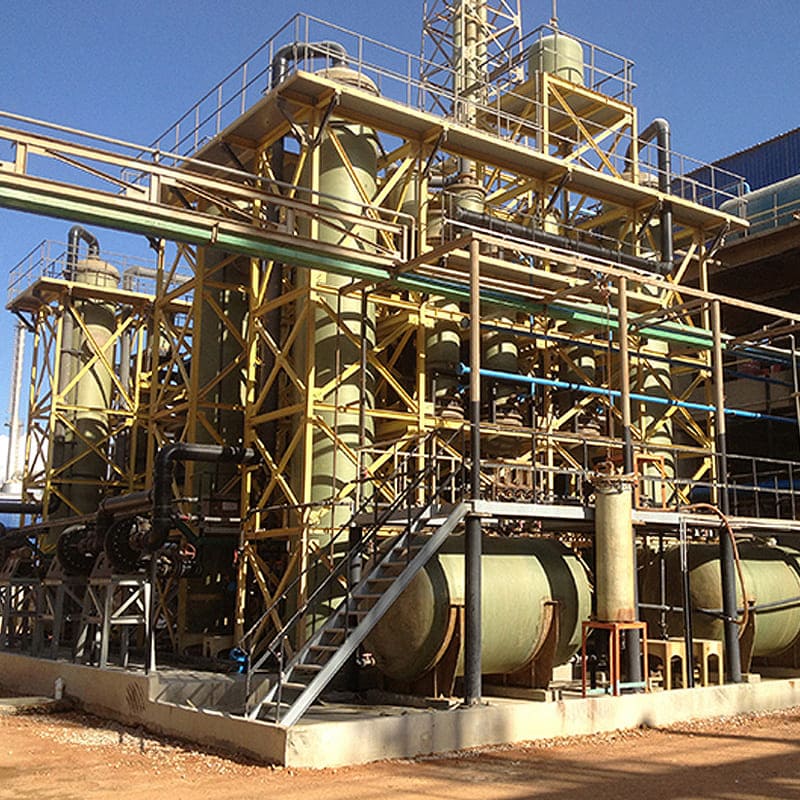
Potassium sulfate is a key tool in the hunt for good farming. It gives a bunch of pluses for farmers and nature:
- More Crop Amounts: By giving must-have foods, SOP helps plants grow tougher and stand up better. This leads to more crops. This matters a lot as world people grow and food safety turns key.
- Better Dirt Richness: Steady use of SOP can fill up potassium and sulfur amounts in the dirt. It makes sure plants get the needed foods for top growth. This cuts the need for fake plant foods, which can hurt dirt over time.
- Weather Stand: Potassium sulfate aids plants handle weather worries better, like dry times and hot air. This is key as farmers deal with more tests from weather change.
- Nicer Crop Goodness: SOP boosts the taste, color, and feel of fruits and veggies. This can lead to higher sell worth for farmers.
A company like this plays a big part.
Hebei Aoliande Chemical Equipment Co., Ltd. and Their Role in Sustainable Agriculture
Hebei Aoliande Chemical Equipment Co., Ltd. is a pro maker of potassium sulfate making lines and other chem tools. The firm’s high Mannheim process potassium sulfate making lines aim to help farmers get top, good plant foods. These boost crop amounts and goodness while cutting nature hit.
Aoliande’s pledge to new tech makes sure their making lines save power and are green. This aids meet the rising call for good farming fixes. The firm’s skill in chem making, plus a focus on green ways, sets it as a main player in the shift to better farming around the world.
Conclusione
Potassium sulfate is a base of good farming. As the world deals with tests like weather change, dirt wreck, and rising people, the part of potassium sulfate in boosting crop amounts, better dirt health, and cutting nature hit grows even bigger. By picking potassium sulfate as plant food, farmers can add to a better food making system. This ensures the health of the earth and its folks.
Domande frequenti
What are the main pluses of potassium sulfate for plants?
Potassium sulfate gives key foods, including potassium and sulfur. These help boost plant growth, fight against sickness, water control, and crop goodness overall.
Why is potassium sulfate picked over potassium chloride?
Potassium sulfate has no chlorine. This makes it a nicer choice for plants that hate salt, like fruits and veggies. It also gives both potassium and sulfur, which are must for plant growth.
How does potassium sulfate add to good farming?
Potassium sulfate boosts dirt health, cuts plant food flow, betters plant stand against weather, and backs green farming ways. All this adds to good farming.
What is the Mannheim process, and how does it link to potassium sulfate making?
The Mannheim process is a way to make potassium sulfate by mixing potassium chloride with sulfuric acid at hot temps. This way uses lots of power, but tech betters have made it more good.
How can farmers gain from using potassium sulfate in their ways?
Farmers can gain from more crop amounts, better crop goodness, nicer dirt richness, and stronger weather stand by using potassium sulfate as plant food.