
Farmers face hard choices these days. They want to raise yields but keep the land safe. Sodium sulfate comes into play here. This basic compound has a big job in current farming. It aids soil condition and plant development. In this piece, we look at its place in agriculture industries. You will learn how it works in everyday tasks. If you have a tiny farm or a big business, knowing about sodium sulfate can shift your methods.
What Is Sodium Sulfate?
Sodium sulfate, or Na2SO4, shows up as a white, crystal-like powder. Some call it Glauber’s salt. Folks find it in nature from mineral spots or lakes. Yet, most of what we use gets made in plants.
This material mixes well with water. That helps a lot in farm work. It stays calm with other stuff. Its even pH fits many grounds. In farming, it gives sulfur, a key food for plants. Crops need sulfur for building blocks and helpers inside.
Natural vs. Manufactured Sources
Nature offers sodium sulfate via drying in salty waters. Spots like the Great Salt Lake hold it. But farms need steady amounts. Factories step in for that. They create it from leftovers of other jobs, such as acid making.
Made versions stay clean and the same. This counts for exact use. Growers can trust the power each time.
How Sodium Sulfate Fits into Farming Practices
Farming needs even levels. Too much or too little of one thing hurts plants. Sodium sulfate keeps things steady. It acts in different ways across the field.
Picture ground that’s tired from long planting. Adding this mix wakes it up. Or think of crops that can’t take in food well. A touch of sodium sulfate sorts that out.
As a Fertilizer Component
Lots of plant foods have sodium sulfate. Why so? It brings sulfur without extra sour or base parts. Sulfur builds basic units in crops. That leads to sturdy growth.
In places low on sulfur, plants get sick. Leaves go pale. Output falls. Putting in sodium sulfate mends this. It’s usual in mixes for grain, maize, and beans.
- Sulfur Lift: Crops use it for green stuff. Fresher leaves bring better light work.
- Even Effect: Unlike some foods, it won’t change ground pH a lot. Fine for touchy spots.
- Cheap Choice: Often less cost than other sulfur kinds. Growers cut costs while raising amounts.
Soil Conditioning and Structure Improvement
Ground isn’t mere dirt. It’s alive. Sodium sulfate works as a fixer. It loosens packed earth. Water flows smoother.
In heavy clay lands, lumps form issues. This mix groups bits lightly. Roots grow easier. Water runs off without sitting.
Growers in dry zones like this. It keeps damp longer. Plants stay wet in low rain times. Tests show up to 20% more water hold in fixed grounds.
| Soil Type | Gain from Sodium Sulfate | Sample Crop |
|---|---|---|
| Clay | Eases build | Rice |
| Sandy | Holds food better | Potatoes |
| Acidic | Balances a bit | Berries |
This chart points out fast wins. Fit it to your dirt for top outcomes.
Enhancing Nutrient Uptake
Crops don’t grab all you feed them. Sodium sulfate aids that. It helps fix air food. Ground bugs do better.
For beans and such, this matters much. They pull air food. Sulfur from sodium sulfate powers it. End? Stronger plants with less added food.
It also saves water use. Crops need less for same rise. In dry lands, that’s key. Growers say 15-25% less watering.
Benefits for Crop Yield and Quality
Bigger harvests top grower wants. Sodium sulfate brings them. It pushes steady rise. Fruits and greens turn out larger and nicer.
Looks count too. Buyers seek same items. This mix cuts flaws. Less fading or short growth.
- Tougher bases fight bugs.
- Nicer taste from even foods.
- Longer keep for picked goods.
In big setups, these build up. One spot might get 10% more sellable stuff. That raises cash and name.
But cash isn’t all. Good dirt lasts for kids. Using sodium sulfate wisely grows your farm story. It lifts your mark as a smart raiser.
Potential Challenges in Using Sodium Sulfate
No aid is perfect. Sodium sulfate has minuses. Extra salt builds in dirt. That makes salt problems. Plants droop. Harvests drop.
Watch your land. Check dirt often. Add just enough. In salty zones, skip it.
Green worries come up too. Flow off can hit streams. Use smart to stop that. Blend with other fixes for even.
Growers who think ahead skip these traps. Ask pros. Change for crop and sky.
Managing Salinity Risks
Begin small. Try a bit first. Look for hurt signs. If salt rises, wash with water.
Switch crops. Some handle salt fine. This holds dirt okay.
Real-World Examples from Agriculture
Worldwide, growers pick sodium sulfate. In India’s wet fields, it fights low sulfur. Harvests rise 15%.
Australian grain folks use it for loose grounds. Water sticks better. Less loss in hot times.
In U.S. maize areas, they stir it in foods. Firmer stems mean fuller picks.
These tales show its range. From small lots to wide fields, it fits. Your work could gain the same.
Production Methods for Sodium Sulfate
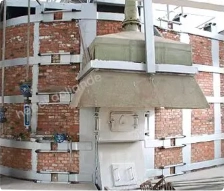
How do we make this handy mix? A few paths exist. The Mannheim process shines. It mixes salt with sour acid. Warm it high, get sodium sulfate and extra acid.
This way works well. Plants watch grade close. Leftovers get reused. Less harm to air.
Other ways pull from nature or dye leftovers. But Mannheim leads for clean.
Il processo di Mannheim spiegato
Start stuff goes in heat box. Heat reaches 600°C. Mix happens quick.
Main steps:
- Blend salt and acid.
- Warm in closed heat.
- Grab sulfate and acid apart.
This makes top stuff. Farms get sure supplies.
Changes make it cleaner. Smarter heat cuts power. Acid catch lowers dirt.
Leading Suppliers in the Field
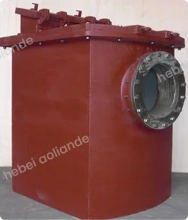
Hebei Aoliande Chemical Equipment Co., LTD. holds a main spot. From China, they focus on Mannheim process sodium sulfate production lines. With long know-how, they give whole sets. From plan to set up, they do it.
Their group gives tech tips and stuff. Marks like ISO9001 show their grade. Growers and makers rely on them for strong tools. This makes good ties in farming.
Conclusione
Sodium sulfate shows its value in agriculture. From feeding to fixing dirt, it backs rise. Growers get more harvest and finer stuff. Issues are there, but wise use beats them. As fields change, this mix stays needed. It aids lasting farms. Think of it for your next time. Your plants—and cash—might like it.
Domande frequenti
What is the main role of sodium sulfate in agriculture industries?
Sodium sulfate acts mostly as a sulfur giver in plant foods. It betters dirt build and helps food grab. This brings healthier crops and more output.
How does sodium sulfate help in agriculture industries during dry periods?
In low rain, it raises water hold in dirt. Plants keep wet longer. This lowers water needs and holds rise firm.
Can sodium sulfate play a role in sustainable farming within agriculture industries?
Sure, if used right, it boosts dirt health without bad stuff. It cuts food waste and backs long dirt use.
What risks come with using sodium sulfate in agriculture industries?
Too much can lift dirt salt. That hurts plants. Check dirt first and add measured bits to skip troubles.
Where can I source equipment for producing sodium sulfate for agriculture industries?
Seek fornitori good at Mannheim process lines. They give sets fit for farm wants.