
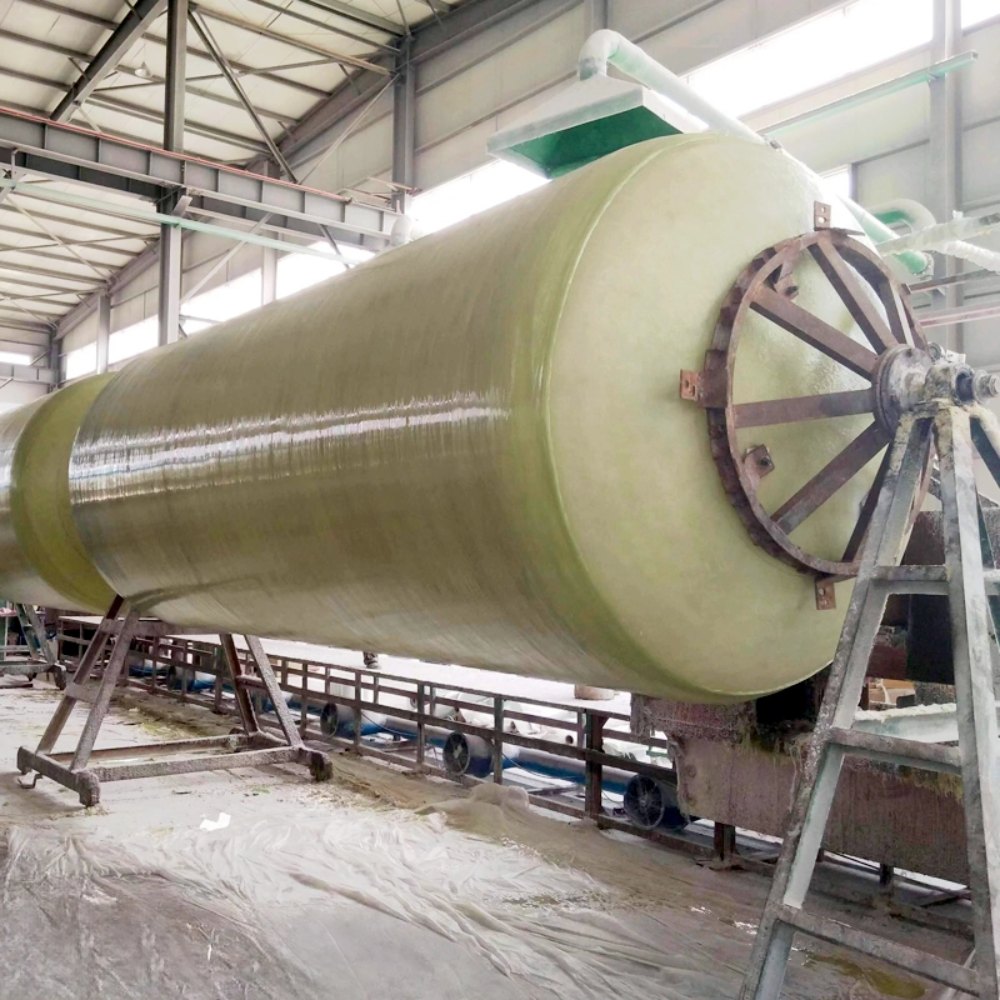
Máquinas de ventilação de filamentos play a big role in making composite materials. These materials show up in fields like aerospace, cars, and oil and gas. Computer-controlled filament winding machines (CCFW) aim to give exact work and quick results when wrapping fibers around a spinning mandrel. Filament winding machines bring many good points. They offer high exactness, steady repeats, and easy ways to make tricky shapes. Yet, workers might hit tech snags. These can slow down the machine’s speed and strength. Knowing these hurdles and how to fix them matters a lot. It helps boost making stuff and keep composite materials top-notch.
This piece dives into typical glitches linked to computer-controlled filament winding machines. It gives real fixes. We also talk about how workers can boost the machine’s work to cut breaks and lift overall speed.
To start, let’s examine the first common issue.
1. Misalignment of the Winding Path
Problema
A frequent glitch in filament winding machines is winding path misalignment. This trouble usually happens when the fiber goes on in the wrong direction. It leads to bumpy wraps and possible flaws in the end item. Misalignment might come from machine breaks or wrong setup in the control system.
Solution
To fix this, workers should first look at the machine parts. Check the tensioner, mandrel, and guide setup. Make sure they line up right and work well. Swap or tighten any old or loose bits. Also, check that the machine’s program is set right. This ensures the winding path gets planned accurately. You can do setup by hand or with built-in check tools.
2. Inconsistent Fiber Tension
Problema
Uneven fiber pull can cause bad composite materials. It brings flaws like folds, odd thickness, or fiber slides. This glitch can start from a poorly set pull control or breaks in the pull parts.
Solution
To handle fiber pull problems, start by checking the pull control setup. Make sure it fits the stuff you’re wrapping. Lots of new filament winding machines have auto pull systems. They change based on the fiber’s traits. If this setup fails, you can tweak it by hand. Look at the pull rollers and sensors for harm.
Steady care of pull parts stops future glitches. Clean and oil the rollers. Check sensor lines. This keeps right pull during wrapping.
Inaccurate Fiber Placement
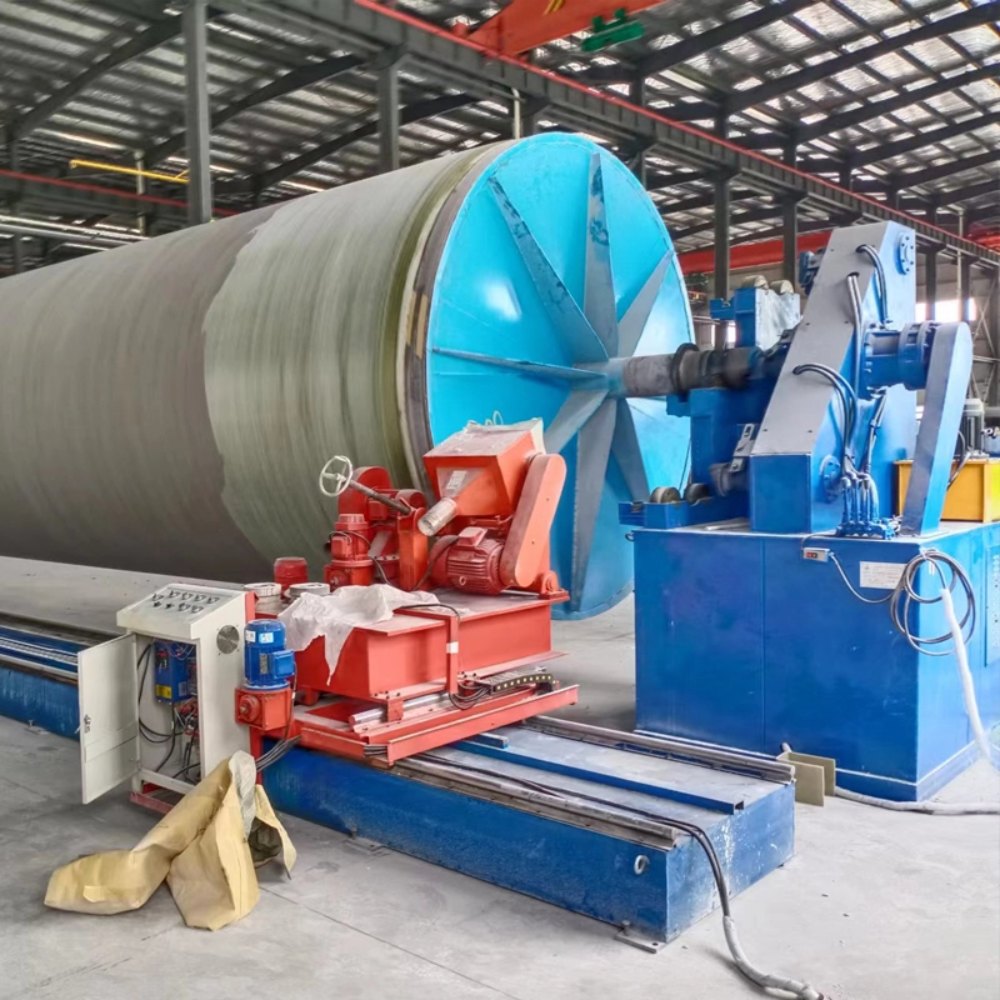
Problema
Wrong fiber spot happens when the machine can’t put fiber layers right on the mandrel. This can make spaces between layers or fiber shifts. It weakens the end composite part’s strength.
Solution
Right fiber spot comes from steady setup of the machine’s program and gear. The winding machine should have an auto setup. It changes fiber spot from sensor info. Workers should also check the guide setup. Keep it free from dirt or harm that blocks fiber spot.
Sometimes, you need to update the machine’s program for better exactness. If the machine is old, talk to the maker for program fixes or new bits.
4. Overheating of the Machine
Problema
Too much heat in the filament winding machine can cause many troubles. It shortens machine life, brings system mistakes, and fails to keep best work spots. Too much heat often comes from bad air flow, too much use, or breaks in cooling setups.
Solution
To stop too much heat, make sure the cooling setup works right. Check cooling fans, filters, and vents for blocks or harm. Clean the cooling setup often. This helps spread heat well.
Also, don’t run the machine long without stops, mainly in hard making runs. Good air move in the work area cuts heat risk too.
5. Software and Control System Malfunctions
Problema
The program and control setups in filament winding machines run the show. They handle fiber pull to wrap speed and style. Glitches in the program or control can make odd actions, wrong wrap styles, or full machine stops.
Solution
To fix program or control glitches, first check the program options. Make sure they stay current. If the trouble stays, reboot the setup or do a full reset. Some machines have check tools to find the glitch.
In tough cases, call the maker for help. Or think about switching to a stronger control version.
6. Inadequate Resin Impregnation
Problema
Filament winding machines often make composite materials by wrapping fibers on a mandrel and soaking them with resin. Poor resin soak can mean weak links between fibers and resin. This makes soft spots in the end composite stuff.
Solution
Poor resin soak usually comes from wrong options in the resin feed setup. Or not enough time for resin to fully wet the fibers. To fix this, check the resin feed setup. Ensure it works right and gives resin at the good speed.
Look at the machine’s program too. Make sure the resin soak fits with the wrap cycle. It should happen at right times. Steady care of the resin setup keeps work steady.
Wear and Tear of Machine Components
Problema
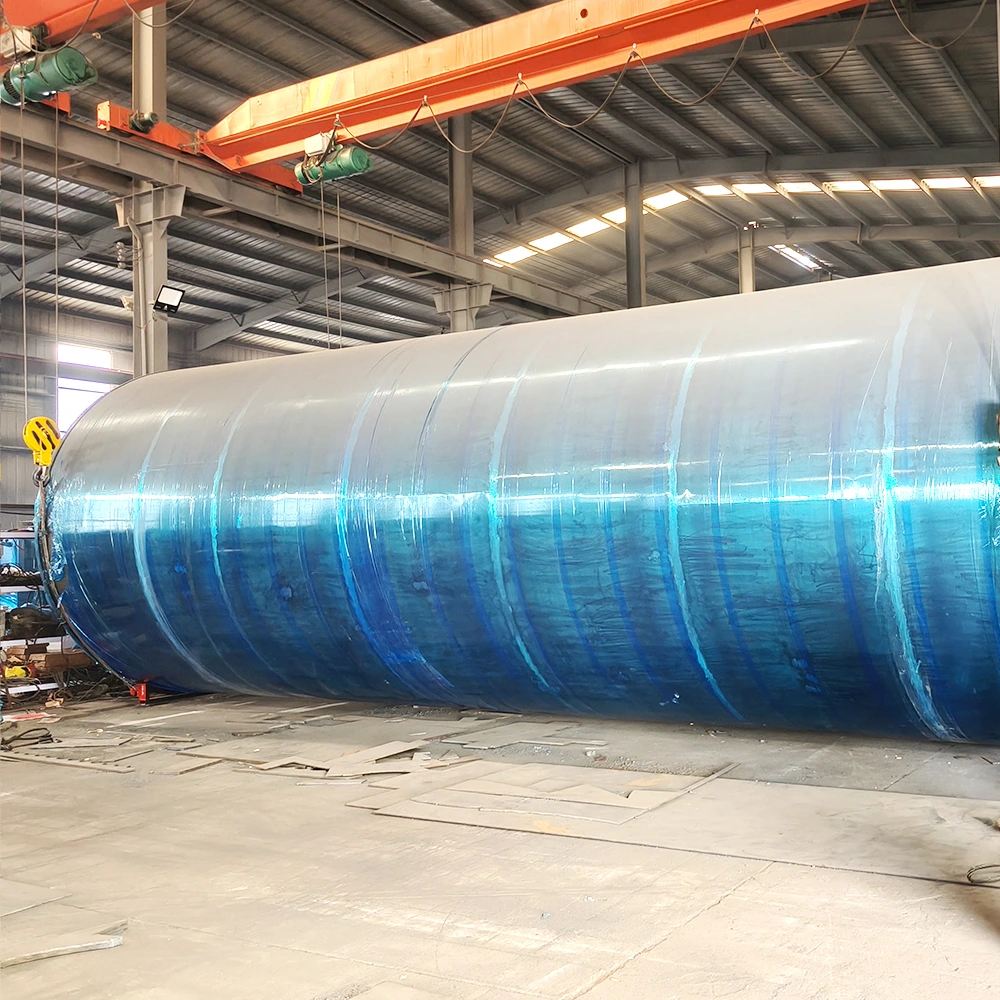
Over time, machine parts in filament winding machines get worn from steady use. This can mean broken bits like motors, rollers, or bearings. It hurts the machine’s overall work.
Solution
Early care stops big effects from wear. Workers should check all moving bits often. Look at motors, gears, and rollers. Swap worn bits before they make bigger troubles. Oil the parts and keep them lined up. This stretches the machine’s life.
About Hebei Aoliande Chemical Equipment Co., LTD.
Hebei Aoliande Chemical Equipment Co., LTD. stands out as a solid supplier. It provides good Computer-Controlled Filament Winding Machines. These machines help in making composite materials with care and speed. The company has spent many years in this field. It makes and sells modern winding tools. Over time, Aoliande has earned a name for being steady, tough, and up-to-date with tech.
The firm focuses on giving buyers top gear. It backs this up with strong help and skilled advice. If you work in planes, cars, or fields that need composite stuff, this company has options that fit your needs. When firms pick Aoliande, they get machines that work well. These lead to better items and keep up with tough rules in hard jobs.
Conclusão
Working with computer-controlled filament winding machines can pay off well. But it brings its own hurdles. Stay ahead with care, setup, and fixes. This way, workers cut glitches and keep machines at top speed. Fix misalignment, handle fiber pull, or deal with program glitches. Knowing fixes leads to better composites and more output.
FAQ
1. How can I prevent filament winding machine misalignment?
To stop misalignment, set the machine’s program often. Check machine parts for wear. Make sure the guide setup lines up right and stays clean from dirt.
2. What should I do if I notice inconsistent fiber tension?
Look at the pull setup. Ensure it sets right. Check pull rollers and sensors. Swap any broken bits.
3. Why is my filament winding machine overheating?
Too much heat can come from a bad cooling setup, poor air flow, or too much use. Make sure the cooling setup stays clean and works well. Avoid long runs without breaks.
4. What causes resin impregnation issues in filament winding?
Wrong resin feed or bad program options can cause soak troubles. Check the resin setup. Ensure it works right. Tweak the program for enough soak time.
5. How do I maintain the longevity of my filament winding machine?
Do steady care on all parts. This includes oil, clean, and swap worn bits. Keep the program current to skip work glitches.