
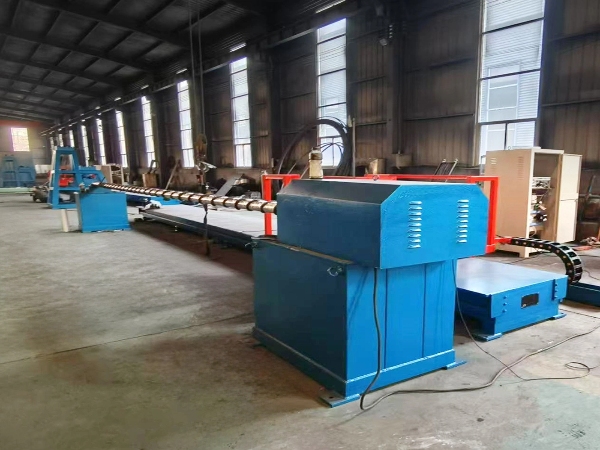
Fiber Reinforced Plastic (FRP) pipes have earned big popularity in many fields. They stand out for their power, light weight, rust resistance, and easy care needs. The making process for these pipes matters a lot. The FRP pipe filament winding machine plays a main part in creating good pipes. This tool uses better materials and wrapping ways. It is shifting how FRP pipes get built. In this piece, we look at what an FRP pipe filament winding machine is. We see how it runs. We check its uses. And we learn why it helps fields that want solid, lasting, and cheap pipe options.
What Is an FRP Pipe Filament Winding Machine?
An FRP pipe filament winding machine is a special tool for making FRP pipes. Its main job is to wrap glass fiber or other strong stuff around a center. It adds glue to the fibers to make tough, long-lasting mixed pipes. People often use these pipes where rust resistance, light weight, and power are key.
Filament winding tech has shifted the making of pipes, tanks, and other round items from mixed materials. The winding machine makes sure the strong fibers get wrapped around the pipe in a set way. This creates a sturdy build that can handle tough weather.
To grasp this better, let’s think about the basic idea. The machine turns simple fibers into a strong pipe step by step.
How Does an FRP Pipe Filament Winding Machine Work?
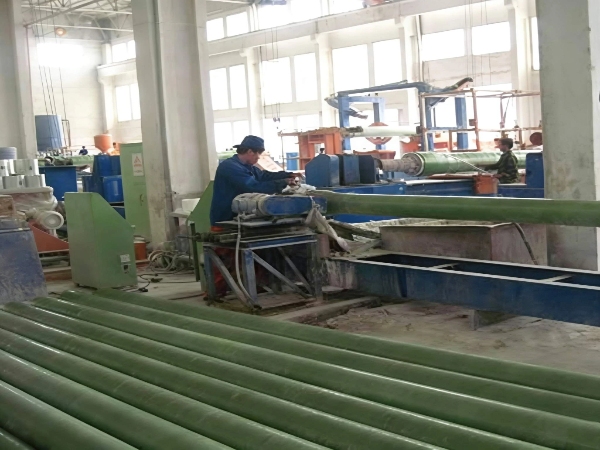
The FRP pipe filament winding machine works by mixing several parts that team up to shape the FRP pipe. Here is a simple list of the usual parts in the process:
- Resin Tank and Delivery System: Glue gets put on the strong material as it goes through the delivery setup. The glue binds the fibers. It makes a firm mixed material.
- Spooler: Glass fiber or other strong fibers feed through the spooler. It keeps a steady flow of stuff to the machine. The fibers are often glass strands or carbon fibers. This depends on the pipe’s planned use.
- Mandrel: The center or mandrel acts as the base where fibers get wound. The mandrel’s size sets the pipe’s inside width.
- Winding Head: The winding head shifts back and forth along the mandrel’s length. It lays down the glue-soaked fibers in an exact design. This keeps even power all through the pipe.
- Curing Station: After winding the fibers, the pipe moves to a curing spot. There, it gets heated or hit with UV light to firm up the glue. This step makes sure the pipe gets its full power.
- Mould Unloading Machine: Once the pipe has set, it gets taken off the mandrel with care using the mould unloading machine.
These steps get handled by a factory computer system. It tweaks things like winding speed, glue use, and fiber pull. This makes sure the FRP pipe fits the needed rules.
This setup shows how each part links to the next. It leads to a smooth run.
Benefits of FRP Pipe Filament Winding Machines
Usando filament winding tech gives many pluses over old pipe making ways. Some main perks include:
- Strength and Durability: The filament winding method leads to pipes with high pull power and fight against outside pushes. This fits them well for high-push uses.
- Corrosion Resistance: FRP pipes stand up to many chemicals and weather types. They do not rust like metal pipes. So, they work for fields like chemical making, waste water care, and salt removal.
- Lightweight: FRP pipes weigh much less than metal ones. This makes them simpler to move and set up. It cuts handling fees. And it turns them into a good pick for far spots or hard-to-reach places.
- Customization: The winding machine lets makers create pipes with different widths, lengths, and strong designs. This bend helps firms meet their clients’ exact wants.
- Low Maintenance: FRP pipes need little upkeep. They skip frequent fixes or swaps. This turns them into a cheap choice over time.
- Cost-Effective: Even with the first buy of the tools, the making cost of FRP pipes stays pretty low. This holds true when you think about their long life and small upkeep fees.
These perks make the tech stand out. They help firms save cash and boost work flow.
Applications of FRP Pipe Filament Winding Machines
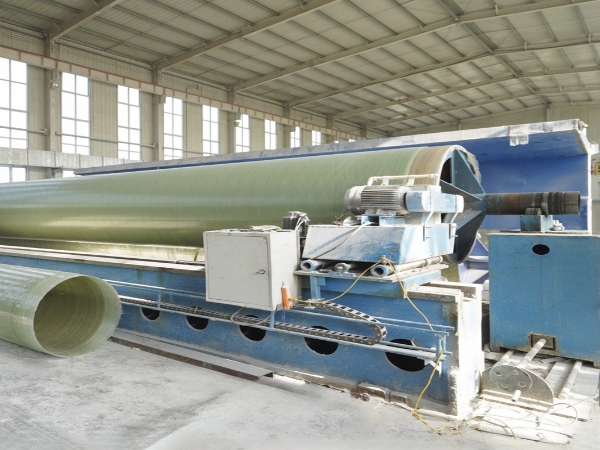
FRP pipes made with filament winding machines find use in many fields, such as:
- Water Supply and Drainage: People often pick FRP pipes for water feed and drain setups. This happens mainly in spots where old metal pipes might rust easy.
- Wastewater Treatment: The chemical fight of FRP pipes makes them great for moving waste water and dirt in care plants.
- Oil and Gas Industry: FRP pipes serve in the oil and gas field for moving oil, gas, and chemicals. They shine in sea spots or high-push jobs.
- Agricultural Irrigation: Thanks to their rust fight, FRP pipes get wide use in farm water systems. They can take hits from plant food, bug killers, and other chemicals.
- Desalination Plants: FRP pipes’ skill to fight rust from salt water fits them well for salt removal plants. There, sea water gets treated for people to drink.
- Chemical Industries: Lots of chemical spots use FRP pipes to move strong chemicals and liquids. They can take the rough settings in these places.
These uses show how flexible the pipes can be. They fit into daily needs across fields.
FRP Pipe Filament Winding Machine: A Game Changer for the Industry
The growth of FRP pipe filament winding machines has led to big boosts in making mixed pipes. These machines have not just raised the end item’s quality. They have also made it simpler and cheaper to make FRP pipes in big amounts.
As fields keep asking for stronger, more lasting, and cheap pipe options, the winding machine’s job will keep growing. The tech in these machines lets makers meet the changing wants of different fields. At the same time, it holds making costs down.
This shift marks a key turn. It pushes the whole field forward.
About Hebei Aoliande Chemical Equipment Co., Ltd.
Hebei Aoliande Chemical Equipment Co., Ltd. acts as a top provider and maker of FRP pipe filament winding machines. It also handles many other special tools for composite material work. With plenty of years in the game and a strong promise to fresh tech ideas, Hebei Aoliande has built a solid name. It gives good quality, long-lasting, and cheap answers for fields all over the globe.
As a dependable friend in the FRP making world, Hebei Aoliande does more than just hand over modern filament winding machines. It also provides full making lines. These go from start stuff handling to end hardening steps. The firm’s better FRP pipe filament winding machines get built to create strong-working, rust-proof pipes. These pipes prove key for many uses. For example, they fit water feed systems, waste water care, oil and gas lines, and farm watering.
Conclusão
The FRP pipe filament winding machine stands as a key part in making good, lasting, and rust-resistant pipes. As fields look for better, cheap, and long-term pipe answers, these machines have turned vital. Whether for water feed setups, waste water care plants, or oil and gas lines, the FRP pipe filament winding machine gives top flexibility and trust. For firms aiming to boost their lines’ work and life, putting cash into filament winding tech marks a move toward better work and lower upkeep fees.
FAQ
Q1: What is an FRP pipe filament winding machine used for?
An FRP pipe filament winding machine gets used to make fiber-reinforced plastic pipes. It does this by wrapping glue-soaked fibers around a center. These pipes stand out for their power, rust resistance, and light weight.
Q2: What are the advantages of FRP pipes made using filament winding technology?
FRP pipes weigh little, fight rust, hold power, and last long. They fit well for uses in fields like water feed, waste water care, oil and gas, and farm work.
Q3: How does the filament winding process improve pipe quality?
The filament winding method makes sure fibers get wrapped in a set design with care. This leads to pipes with even power and lasting build. The method also lets for changes in pipe size and strong designs.
Q4: Can FRP pipes be used in harsh environments?
Yes, FRP pipes fight hard against chemicals, salt water, and extreme heat or cold. This makes them great for rough spots like chemical plants, sea oil spots, and salt removal plants.
Q5: How can companies benefit from using FRP pipe filament winding machines?
Firms can gain by making good, lasting pipes at lower fees. The machines allow quick making and changes. They meet the exact wants of many fields.