
When it comes to storing liquids below ground level, durability, corrosion resistance, and long-term safety are critical. Traditional underground storage solutions like steel tanks often face serious challenges such as corrosion, leakage, and costly maintenance. That’s why FRP underground tanks have become an increasingly popular choice across industries.
In this guide, I’ll walk you through what an FRP underground tank is, how it works, its advantages, applications, and what you should consider before choosing one.
What Is an FRP Underground Tank?
Um FRP underground tank is a storage tank made from fiberglass reinforced plastic (FRP) that is specifically designed to be buried underground. These tanks are engineered to withstand soil pressure, groundwater conditions, and corrosive environments while maintaining structural integrity over time.
They are commonly used to store:
-
Chemicals and industrial liquids
-
Fuel and petroleum products
-
Wastewater and sewage
-
Rainwater and potable water
Unlike traditional materials, FRP does not rust or degrade easily when exposed to moisture and soil conditions, making it ideal for underground applications.
How FRP Underground Tanks Are Manufactured
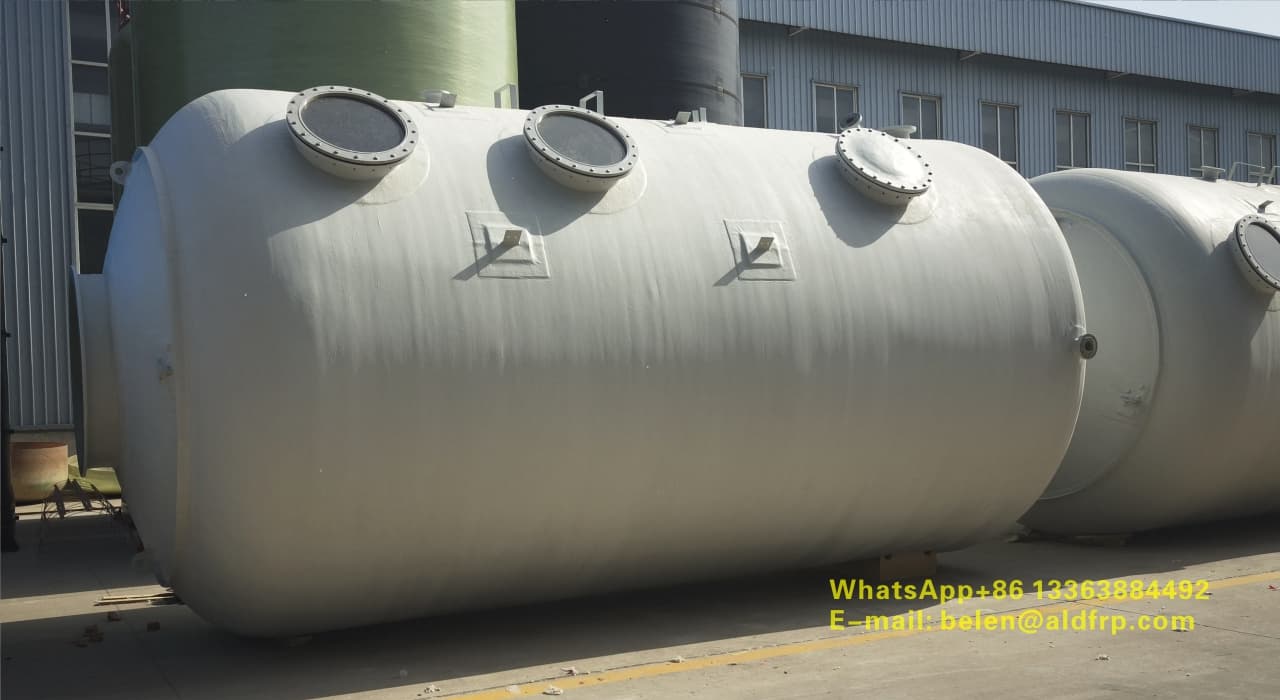
The manufacturing of an FRP underground tank involves advanced composite techniques to ensure strength, durability, and resistance to environmental stress.
Filament Winding Process
Filament winding is the most common method for producing underground FRP tanks. Here’s how it works:
-
Fiberglass fibers are impregnated with resin
-
The fibers are wound onto a rotating mandrel in controlled patterns
-
Multiple layers are built to achieve required thickness and strength
-
The structure is cured to form a rigid and durable tank
This process ensures uniform strength and excellent resistance to external pressure from soil and groundwater.
Multi-Layer Structural Design
A typical FRP underground tank consists of:
-
Inner Liner: Corrosion-resistant layer that protects against stored liquids
-
Structural Layer: Provides mechanical strength and load-bearing capacity
-
Outer Layer: Protects against soil, moisture, and environmental damage
This layered design ensures both internal chemical resistance and external durability.
Advantages of FRP Underground Tanks
Choosing an FRP underground tank offers several key benefits compared to steel or concrete tanks.
1. Excellent Corrosion Resistance
One of the biggest advantages is resistance to corrosion. Underground environments are often moist and chemically aggressive, which can quickly degrade metal tanks. FRP materials naturally resist corrosion without requiring coatings.
2. Long Service Life
FRP underground tanks can last 20–30 years or more with minimal maintenance. This makes them a cost-effective long-term investment.
3. Lightweight but Strong
FRP tanks are significantly lighter than steel or concrete tanks, making transportation and installation easier. Despite their lightweight nature, they are strong enough to handle soil pressure and underground loads.
4. Low Maintenance
Since FRP does not rust or corrode, maintenance requirements are minimal. This reduces operational costs over time.
5. Leak Resistance
FRP underground tanks are manufactured as seamless structures, reducing the risk of leaks. This is especially important for hazardous or valuable liquids.
6. Customizable Design
Each FRP underground tank can be customized to meet project requirements, including:
-
Tank size and capacity
-
Wall thickness for different burial depths
-
Resin type for chemical compatibility
-
Additional features like manholes, vents, and monitoring systems
Applications of FRP Underground Tanks
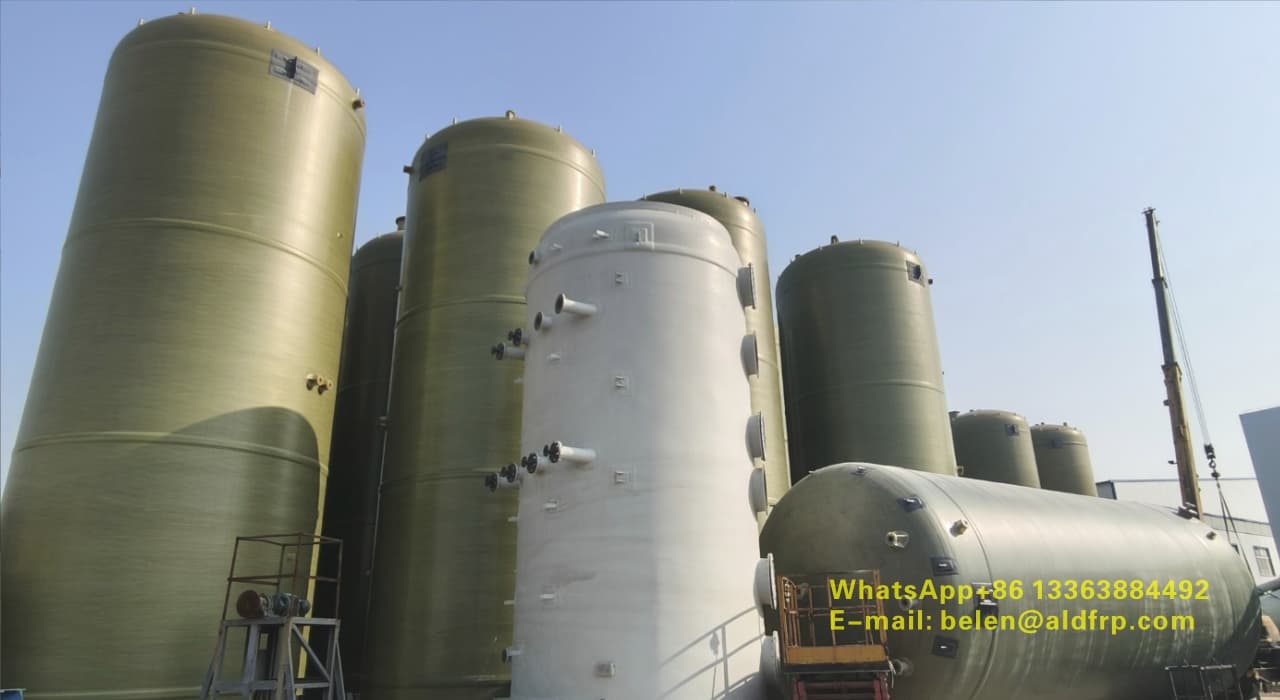
FRP underground tanks are widely used in industries where safe and reliable subsurface storage is required.
Chemical Industry
Used for storing corrosive chemicals safely below ground, reducing environmental risks and saving surface space.
Fuel Storage
Commonly used for underground fuel tanks at gas stations due to their leak resistance and durability.
Wastewater Treatment
Used for sewage storage, sludge holding, and chemical dosing tanks in treatment plants.
Agriculture and Irrigation
Stores water, fertilizers, and liquid nutrients for agricultural operations.
Rainwater Harvesting
FRP underground tanks are ideal for collecting and storing rainwater for reuse.
Installation Considerations
Installing an FRP underground tank requires proper planning to ensure safety and performance. Key considerations include:
-
Soil Conditions: The tank design must account for soil type and load-bearing capacity
-
Groundwater Level: High water tables require additional anchoring or anti-floating design
-
Foundation Preparation: A stable base such as sand or concrete bedding is essential
-
Backfilling: Proper backfill materials and techniques prevent tank deformation
-
Ventilation and Access: Ensure proper venting and maintenance access points
Working with experienced engineers and installers is essential to avoid long-term issues.
Choosing the Right FRP Underground Tank Manufacturer
Selecting a reliable manufacturer is critical for ensuring tank quality and performance. Look for:
-
Experience in underground tank design and production
-
Compliance with standards such as ASTM, EN, or ISO
-
Advanced manufacturing equipment like filament winding machines
-
Strong quality control and inspection processes
-
Ability to provide customized solutions
A professional manufacturer will also offer technical support during installation and operation.
FRP Underground Tank vs Traditional Underground Tank
Compared to steel or concrete tanks, FRP underground tanks offer clear advantages:
| Característica | FRP Tank | Steel Tank | Concrete Tank |
|---|---|---|---|
| Resistência à Corrosão | Excellent | Poor | Moderado |
| Peso | Peso ligeiro | Pessoal | Very Heavy |
| Mantenimento | Baixo | Alto | Moderado |
| Service Life | Longo | Shorter | Moderado |
| Leak Risk | Baixo | Mais alto | Moderado |
This comparison shows why FRP is becoming the preferred material for underground storage solutions.
Conclusão
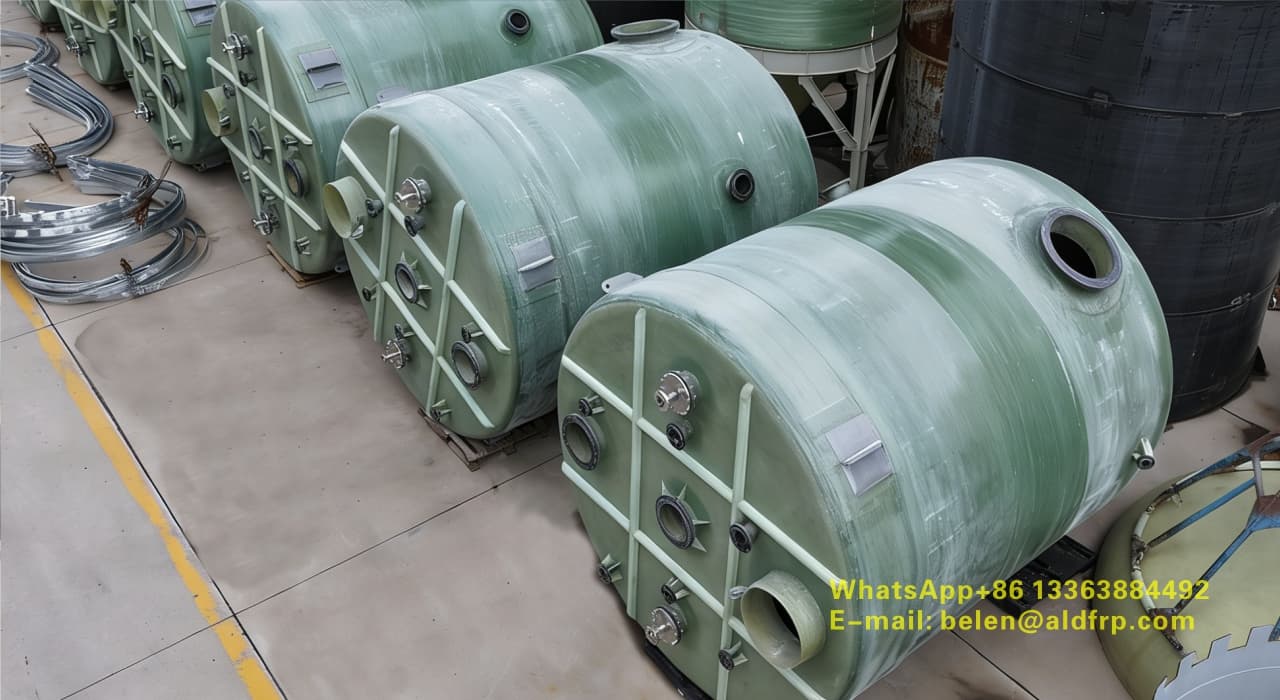
Um FRP underground tank is a modern, reliable solution for storing liquids below ground. With excellent corrosion resistance, long service life, and flexible design, it addresses many of the limitations of traditional storage tanks.
Key takeaways:
-
Ideal for corrosive and underground environments
-
Lightweight yet strong and durable
-
Minimal maintenance and long lifespan
-
Customizable for various industrial applications
If you’re planning a project that requires underground storage, investing in a high-quality FRP underground tank is a smart and future-proof choice.