
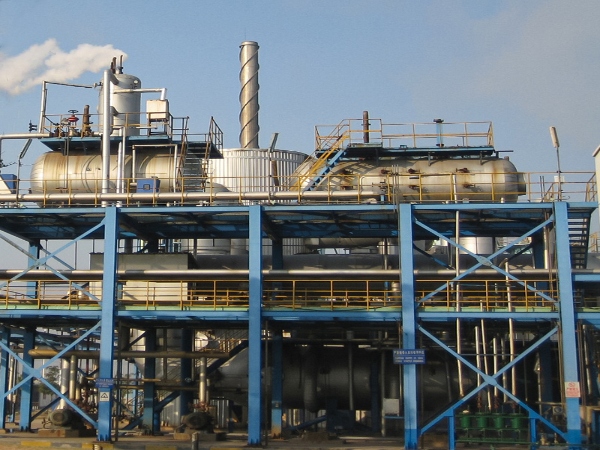
When a buyer searches for a sodium sulfate production line, the real question is rarely about one machine. It is usually about the full chain: where the reaction happens, how acid gas is handled, how the hot solid is cooled, how moisture is removed, and how the final product reaches a bag or silo in a saleable form. In a Mannheim-based route, sodium chloride reacts with sulfuric acid at high temperature, hydrochloric acid gas is released, and the sulfate product then moves through cooling and finishing stages before storage or packing.
For plant owners, this matters because weak points do not show up only in the reactor. Poor absorption can create tail-gas trouble. Weak cooling can lead to caking. An oversized dryer wastes fuel. Loose screening control gives mixed particle size, which is a real issue for detergent, glass, and chemical buyers that need steady handling and feed behavior. That is why a useful sodium sulfate plant equipment list should explain what each section does, not just name the machine.
What equipment is included in a sodium sulfate production line?
Before looking at each unit, it helps to see the line as one connected system. Good search results in this space usually win by mapping the process flow clearly, then tying each stage to output quality, utility use, and operating risk. The same logic works for buyers comparing suppliers.
| Process stage | Main equipment | Main job |
|---|---|---|
| Reaction | Mannheim furnace, feeding and metering system | Convert raw materials into sodium sulfate and HCl-bearing gas |
| Gas treatment | Cooler, scrubber, falling-film or absorption tower | Recover HCl, reduce emissions, stabilize downstream conditions |
| Product cooling | Cooler, conveyor, transfer system | Drop product temperature and prepare for finishing |
| Drying | Dryer, hot air system, dust handling | Reduce moisture and improve flowability |
| Sizing | Screening machine | Control particle size and remove oversize or fines |
| Final handling | Packing machine, storage hopper, bagging system | Fill, seal, weigh, and move product for shipment |
Mannheim furnace: the heart of the line
At the center of the sodium sulfate manufacturing process sits the Mannheim furnace. If this unit runs unevenly, the rest of the line spends its time correcting the damage.
How the Mannheim furnace works
In this process, feed salt and sulfuric acid react in a heated furnace, commonly above 600°C. The reaction releases hydrogen chloride gas and forms sulfate product in stages. In practical terms, the furnace is not only a reactor. It also sets the pace for gas load, product temperature, and downstream solids handling. A stable furnace means steadier absorption, less rework, and fewer shutdowns.
What buyers should inspect in furnace design
For a buyer, the furnace section is where material choice and heat distribution matter most. High temperature plus acid service is hard on steel, refractory, seals, and flue passages. If the furnace heats unevenly, operators often see incomplete reaction, hot spots, stuck material, and rising fuel use. That is why corrosion-resistant contact parts, sound refractory design, and a flue layout that uses heat well are not minor details. They directly affect campaign length, maintenance frequency, and output stability. Aoliande’s own product information highlights improved furnace structure, better flue design, lower energy use, and PLC-based ratio control as key technical points in this kind of line.
HCl absorption system: where waste becomes value
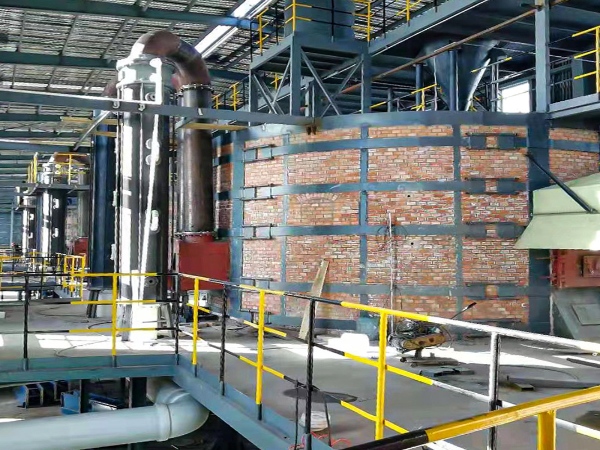
Many pages ranking for sulfate plant topics underplay this section, but plant buyers usually do not. The HCl absorption system often decides whether the line is simply compliant or genuinely profitable.
Why HCl absorption performance matters
Gas leaving the furnace is not something a plant can treat casually. In Mannheim-type operation, hot HCl-bearing gas is typically cooled first and then sent through staged scrubbing or absorption. Public patent literature around this process describes a cooler followed by multiple scrubbers and a falling-film absorption tower, which shows how central staged gas treatment is to stable acid recovery and tail-gas control.
A well-run HCl absorption system does three jobs at once. It turns by-product gas into usable hydrochloric acid, cuts environmental pressure, and reduces upset risk in the gas line. Plants that sell or reuse recovered acid see this section as a value center, not just an emissions box.
What a good HCl absorption system should do
In supplier talks, three questions separate strong designs from weak ones. First, what materials are used in acid-facing equipment and pipework? Second, how is temperature controlled before absorption? Third, how is tail gas monitored when feed or furnace load changes?
These questions matter because the absorber has to deal with corrosive gas, condensed acid mist, and changing gas flow. If the gas reaches the tower too hot, absorption drops. If liquid distribution is poor, acid concentration swings. If the scrubber layout is too simple, the plant may recover less acid and still struggle with emissions. That is why current sodium sulfate plant setup guides also stress corrosion-resistant machinery, process monitoring systems, and environmental protection equipment as standard requirements, not optional extras.
Cooling and drying: where hot product becomes sellable product
Once reaction is complete, the line still has a long way to go. The next two sections decide whether the sodium sulfate leaves as a stable, free-flowing solid or as material that bridges, cakes, and causes complaints downstream.
Why cooling matters
The product leaving the reaction section is too hot for easy handling. Cooling lowers the temperature before storage, screening, or packing. More importantly, it helps prevent late-stage agglomeration. In real operating terms, poor cooling shows up fast: conveyors foul more easily, transfer points dust more, and storage bins see harder lumps. Patent descriptions of Mannheim-based lines also place cooling immediately after furnace gas and product generation, which reflects the practical need to bring temperatures under control before finishing.
For buyers serving glass plants or detergent blenders, this is not a small issue. They care less about how impressive the furnace looks and more about whether the product stays consistent from bag one to bag one thousand.
What drying changes in daily operation
Drying is not always about taking very wet material to zero moisture. Often it is about bringing the product into a narrow moisture window so it stores well, screens cleanly, and runs through packing machines without sticking. A dryer that is too weak leaves damp product. One that is too aggressive adds fuel cost and can create more fines. Plant setup references for sodium sulfate repeatedly list dryers among the core units because moisture control is directly tied to handling quality and final sale condition.
Screening and packing: the first quality check the customer sees
At this point, the chemistry is done. What remains is product presentation, and that has a direct effect on repeat orders.
Why screening is more than a sizing step
A screening machine separates oversize, undersize, and on-spec product. That sounds basic, but it shapes how the product behaves in the customer’s process. Glass and chemical users often want steady grain range for uniform feeding. Packing traders want fewer lumps and less dust. If screening is unstable, even good product upstream can look inconsistent in the market.
What buyers should expect from the packing section
Packing is where a sodium sulfate production line meets the customer’s warehouse, truck, and workers. The best packing sections weigh accurately, keep dust low, and move bags fast enough to match plant output. Search results around plant setup and industrial packing also show that packaging machines and monitoring systems are treated as core plant equipment for a reason: bad bagging creates giveaway loss, rejects, and avoidable labor issues.
The support systems behind stable output
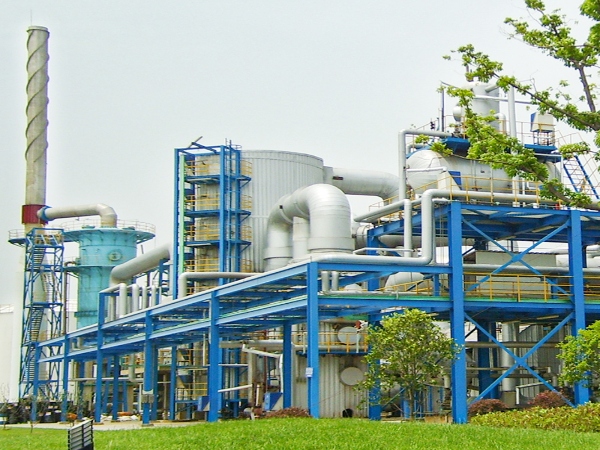 The most overlooked part of a sodium sulfate plant equipment list is the support layer around the main units. Feed metering, PLC control, utility balance, dust handling, and corrosion-resistant materials are what keep the line from drifting. A modern supplier should be able to explain feed ratio control, utility demand, maintenance access, and how the line behaves when raw material quality changes. On Aoliande’s product and company pages, automation, improved HCl recovery, energy-saving flue design, and installation support are presented as core parts of the offer, which matches what industrial buyers usually ask before moving to quotation.
About Hebei Aoliande Chemical Equipment Co., LTD.
Hebei Aoliande Chemical Equipment Co., LTD. presents itself as a professional manufacturer of Mannheim-process potassium/sodium sulfate production lines and related chemical equipment. On its official website, the company states that it has around 300 employees, holds ISO9001, ISO14001, and OHSAS18001-related certifications listed on the site, and provides support that covers technical advice, material supply, transportation, and installation supervision. For buyers evaluating a sodium sulfate production line supplier, that combination matters because equipment alone is rarely enough; project execution and after-sale guidance often decide whether a line starts smoothly and keeps running.
Conclusão
A sodium sulfate production line is not a single reactor with a few add-ons. It is a chain in which the Mannheim furnace, HCl absorption system, cooling section, drying unit, screening machine, and packing line all shape product quality, energy use, and plant economics. Buyers who compare suppliers equipment by equipment usually make better decisions than buyers who compare only headline capacity. A clear equipment list, backed by material details and service scope, is often the shortest path to a sound inquiry.
FAQ
What is included in a sodium sulfate production line?
A standard sodium sulfate production line usually includes raw material feeding, a Mannheim furnace or equivalent reaction section, an HCl absorption system, cooling equipment, drying equipment, screening machinery, and packing or storage systems.
How does a Mannheim furnace work in a sodium sulfate plant?
A Mannheim furnace heats chloride feed and sulfuric acid so they react at high temperature and form sodium sulfate while releasing hydrogen chloride gas. That gas is then cooled and absorbed in downstream equipment.
Why is the HCl absorption system important in a sodium sulfate production line?
The HCl absorption system turns acid gas into usable hydrochloric acid, helps meet environmental rules, and reduces pressure on tail-gas treatment. In many plants, it is one of the main value and compliance points of the whole line.
What problems happen when cooling and drying are poorly designed?
Poor cooling can lead to caking, dust, and transfer trouble. Poor drying can leave product damp or create too many fines. Both problems hurt storage, packing, and final customer use.
How should a buyer compare sodium sulfate plant equipment suppliers?
The best comparison starts with six points: furnace materials, HCl absorption design, utility use, automation level, maintenance access, and installation support. A supplier that can explain the whole chain usually gives a more dependable proposal than one that only lists output.