
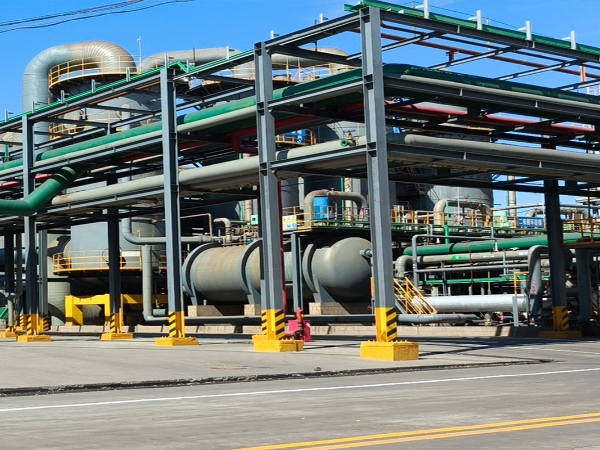
A sulfuric acid production line is not bought for acid alone. It is bought for what that acid must do next. In one project, the acid will go straight into phosphate fertilizer production. In another, it will feed a copper heap leaching circuit. Somewhere else, it will be diluted for water treatment, or supplied to a battery plant that cares more about concentration stability than nameplate output. That is why the same 98% sulfuric acid can lead to very different plant decisions.
For buyers comparing a new sulfuric acid plant, the real question is simple: who will use the acid, at what concentration, under what operating rhythm, and with what limit on downtime? Once that is clear, the process flow, gas handling, drying and absorption section, storage setup, and control strategy become much easier to define.
Why the End Use Should Come First
Before discussing towers, converters, or storage tanks, it helps to step back. A sulfuric acid production line is part of a larger business system. The downstream user sets the rules.
One Acid, Four Very Different Buying Logics
A fertilizer project usually wants stable tonnage, long campaigns, and low production cost per ton. A mining site may care more about steady acid supply to the leach pad than about ultra-clean final storage. A battery-related buyer often focuses on concentration control and contamination risk. A water treatment user may consume less acid, but storage, transfer, and safe dilution become the real issue.
| End-use sector | What the buyer usually cares about first | What it means for plant design |
|---|---|---|
| Phosphate fertilizer | Continuous output, energy balance, reliable absorption | Strong sulfur burning section, stable conversion, dependable acid circulation |
| Mining and metallurgy | Supply stability, corrosion resistance, operating simplicity | Robust storage, transfer, gas treatment, easy maintenance access |
| Lead-acid batteries | Consistent acid quality, low contamination, tight handling control | Clean process path, steady concentration control, disciplined storage and transfer |
| Water treatment | Safe delivery, controlled dilution, manageable footprint | Practical tank arrangement, transfer safety, instrumentation, simple operation |
This is where many people stop at general chemistry. Real buyers do not. They compare acid demand curves, operating days, maintenance windows, and the cost of every lost hour.
Fertilizer Projects Usually Drive the Largest Acid Demand
The biggest single use of sulfuric acid is still tied to phosphate fertilizer. That matters because people are usually trying to connect acid demand with plant investment, expansion, or supply reliability.
Why Fertilizer Buyers Look at Tonnes Per Day, Not Just Purity
In fertilizer service, a sulfuric acid plant is part of a chain. If acid output slips, phosphoric acid production feels it almost immediately. That is why fertilizer buyers often ask harder questions than a general chemical distributor would ask. They want to know how the sulfur melting section is arranged, how stable the conversion stage is, and what kind of absorption performance can be maintained over long runs.
In a typical sulfur-burning sulfuric acid production line, molten sulfur must be kept in a workable temperature range before filtration and combustion. The molten sulfur is maintained at 135°C to 145°C, and steam-jacketed pipelines and fittings are used to keep the line moving. For a fertilizer-linked project, that kind of detail matters because cold spots and poor sulfur handling quickly become production problems.
What Usually Matters Most in a Fertilizer-Linked Sulfuric Acid Plant
The drying and absorption section is not a side note. It is the center of daily operating stability. Dried air quality affects combustion. Gas temperature control affects conversion. Acid circulation quality affects absorption performance and final product consistency.
A buyer serving a phosphate operation will usually look for a sulfuric acid production line that can hold steady under long campaigns, manage heat well, and reduce the number of small interruptions that slowly drag down output over a month or a quarter. That is why “cheap plant cost” and “low cost per usable ton” are never the same thing.
Mining and Metallurgy Often Need a Different Kind of Reliability
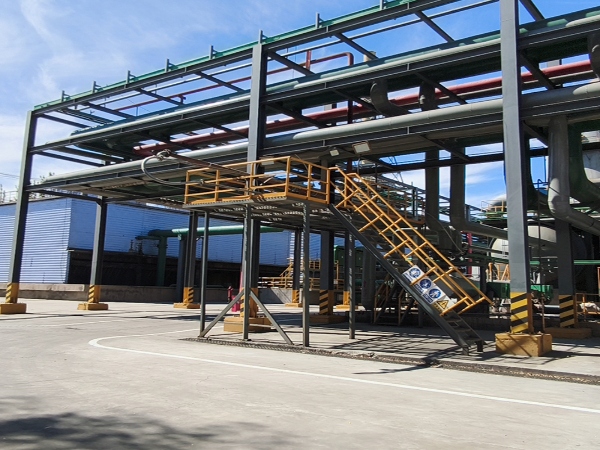
Mining and metallurgy bring a different pattern. Here, sulfuric acid is often tied to ore leaching, metal extraction, pickling, or related chemical treatment. The operating environment is usually rougher, and the penalty for corrosion-related failures can be severe.
Copper Heap Leaching Changes the Way Buyers Think
A copper heap leaching site does not consume acid the same way a fertilizer complex does. Demand can move with ore grade, leach cycle, irrigation strategy, and seasonal conditions. That changes the discussion.
Instead of asking only about the sulfuric acid plant process flow, mining buyers often ask whether the full line, including storage and transfer, can handle harsh service without becoming a maintenance burden. Tank material choice, pipe routing, pump access, and acid transfer discipline become commercial issues, not just engineering details.
Metallurgy Buyers Also Care About Gas Source and Operating Context
Not every sulfuric acid plant starts from the same gas source. Some projects are based on sulfur burning. Others relate to metallurgical off-gas conditions. Even when the final acid concentration looks similar on paper, the line philosophy can be quite different.
For a sulfur-burning line, combustion control, waste heat recovery path, and converter temperature management are central. On Aoliande’s sulfuric acid production line page, dried air is sent to the furnace, furnace gas contains around 10.0% SO₂, and the gas is cooled from about 970°C to 420°C before entering the first conversion stage. Those numbers show why metallurgy and mining buyers tend to ask very practical questions: how stable is the temperature profile, how easy is the line to inspect, and how quickly can operators respond when gas conditions move.
Battery and Chemical Users Usually Focus on Consistency
Some of the most commercially valuable queries come from buyers who need 98% sulfuric acid not for a giant phosphate complex, but for battery-related or chemical manufacturing use. These users may not run the largest acid tonnage, yet they often have strict expectations around concentration, handling, and supply discipline.
For Battery Use, Small Deviations Can Become Big Problems
When sulfuric acid is used in lead-acid battery applications, the conversation shifts. A buyer may care less about headline capacity and more about whether the plant can support repeatable production and controlled downstream handling. Storage conditions, transfer cleanliness, and concentration management matter because unstable acid quality can create trouble later in filling, blending, or quality control.
Chemical Manufacturing Buyers Often Want Fewer Surprises
In chemical processing, sulfuric acid may be used as a reactant, dehydrating agent, or process chemical. These buyers tend to look at the full life of the line: startup routine, shutdown losses, pipe and valve protection, acid mist control, and the cost of unscheduled service work.
A practical sulfuric acid supplier should be able to discuss more than the main tower set. Real buyers want to know what happens around the line: material selection, storage interface, transport planning, installation supervision, and how quickly issues can be diagnosed when something drifts out of range.
Water Treatment Uses Smaller Volumes but Puts More Attention on Handling
Water treatment is often overlooked in sulfuric acid articles, yet it is a real search opportunity. The user intent here is different. Many readers are not planning to build a huge sulfuric acid plant from scratch. They may be comparing supply options, dilution safety, storage layout, and pH control practices.
Why Water Treatment Queries Still Matter to a Sulfuric Acid Plant Supplier
A water treatment operator may consume less acid than a fertilizer complex, but the questions are precise. How will the acid be stored? How is it transferred? What is the safest way to manage dilution? How much operator intervention is needed? These are the kinds of queries that create long-tail search coverage and bring in serious commercial readers.
How to Match an Application to the Right Sulfuric Acid Production Line
Once the downstream use is clear, the buying process becomes more grounded. Instead of asking for a generic sulfuric acid plant, the buyer can compare line features against operating reality.
A Simple Way to Shortlist the Right Line
| Buyer question | Why it matters |
|---|---|
| What industry will consume the acid? | It sets the real balance between output, quality, and handling requirements. |
| Is the project continuous or batch-like in demand? | It affects storage, control strategy, and buffer capacity. |
| How critical is concentration stability? | Battery and chemical users often rank this above peak tonnage. |
| What maintenance conditions exist on site? | Remote or harsh sites need simpler access and more forgiving layouts. |
| What support is needed after delivery? | Design advice, transportation, and installation supervision can reduce project risk. |
Good plant selection is usually less about a single equipment list and more about fit. A line that matches the downstream business well will feel easier to run after six months, not just easier to buy on day one.
About Hebei Aoliande Chemical Equipment Co., LTD.
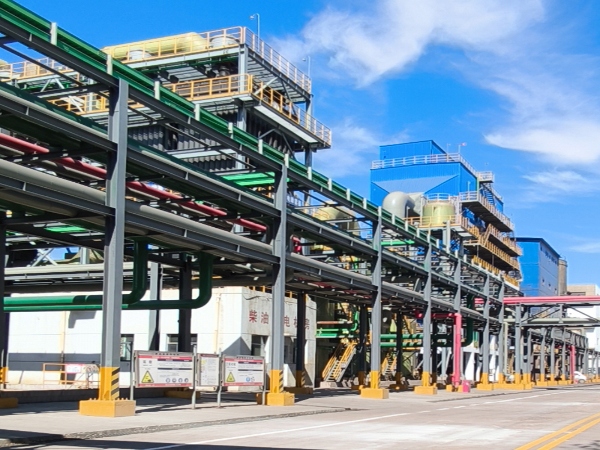 For buyers looking for a sulfuric acid supplier with manufacturing and engineering capacity, Hebei Aoliande Chemical Equipment Co., LTD. presents itself as more than a standard equipment seller. According to its website, the company manufactures multiple industrial production lines and also offers design ability in materials, structure, and products, along with technical advice, goods supply, transportation, and installation supervision. The company states that it has more than 300 employees, over 10 R&D engineers, over 10 QA/QC inspectors, and management system certifications including ISO9001, ISO14001, and ISO45001. Its stated market reach covers customers in Asia, Europe, Africa, and the Americas. For sulfuric acid production line buyers, that combination matters because projects in this field often need coordination across design, supply, delivery, and site execution.
Conclusão
A sulfuric acid production line should never be chosen by capacity alone. The better way is to start with the acid user. Fertilizer plants need long-run output and stable absorption. Mining sites need hard-wearing transfer and storage systems. Battery and chemical users care about consistency and handling discipline. Water treatment projects focus on safety, dilution, and day-to-day practicality.
When the end use is clear, the plant design gets clearer too. That is how a sulfuric acid plant moves from a catalog item to a workable investment.
FAQ
What is the main use of a sulfuric acid production line?
The main use depends on the industry, but a sulfuric acid production line is most often linked to fertilizer production, mining and metallurgy, battery-related applications, chemical processing, and water treatment.
How is a sulfuric acid plant different for fertilizer and mining?
A sulfuric acid plant for fertilizer usually puts more weight on continuous output and long-run operating stability. A sulfuric acid plant for mining often puts more weight on corrosion resistance, storage, transfer reliability, and easier maintenance under field conditions.
Is 98% sulfuric acid suitable for lead-acid battery applications?
98% sulfuric acid is commonly produced as a commercial concentration, but battery use depends on downstream handling, dilution, and concentration control. For that reason, buyers interested in sulfuric acid in lead-acid batteries usually focus on quality consistency and transfer discipline.
What should buyers check before choosing a sulfuric acid supplier?
Buyers should review the sulfuric acid supplier’s process understanding, design scope, manufacturing ability, quality control, service range, and whether it can support transportation and installation supervision as well as equipment delivery.
Why does sulfuric acid in water treatment need different attention?
Sulfuric acid in water treatment is often tied to pH control and safe daily handling. Even when the total volume is lower, tank arrangement, transfer safety, instrumentation, and operator-friendly design can be more important than maximum plant capacity.