
If you’ve ever worked in composite pipe manufacturing, you know how challenging it can be to maintain quality, efficiency, and cost-effectiveness at the same time. That’s where the FRP pipe filament winding production line comes into play. Speaking from personal experience, this technology has completely transformed how I approach pipe production, making processes smoother and results far more consistent.
In this article, I want to share my insights into what an FRP pipe filament winding production line is, why it matters, and how it can help businesses produce superior pipes for multiple applications.
Understanding the FRP Pipe Filament Winding Production Line
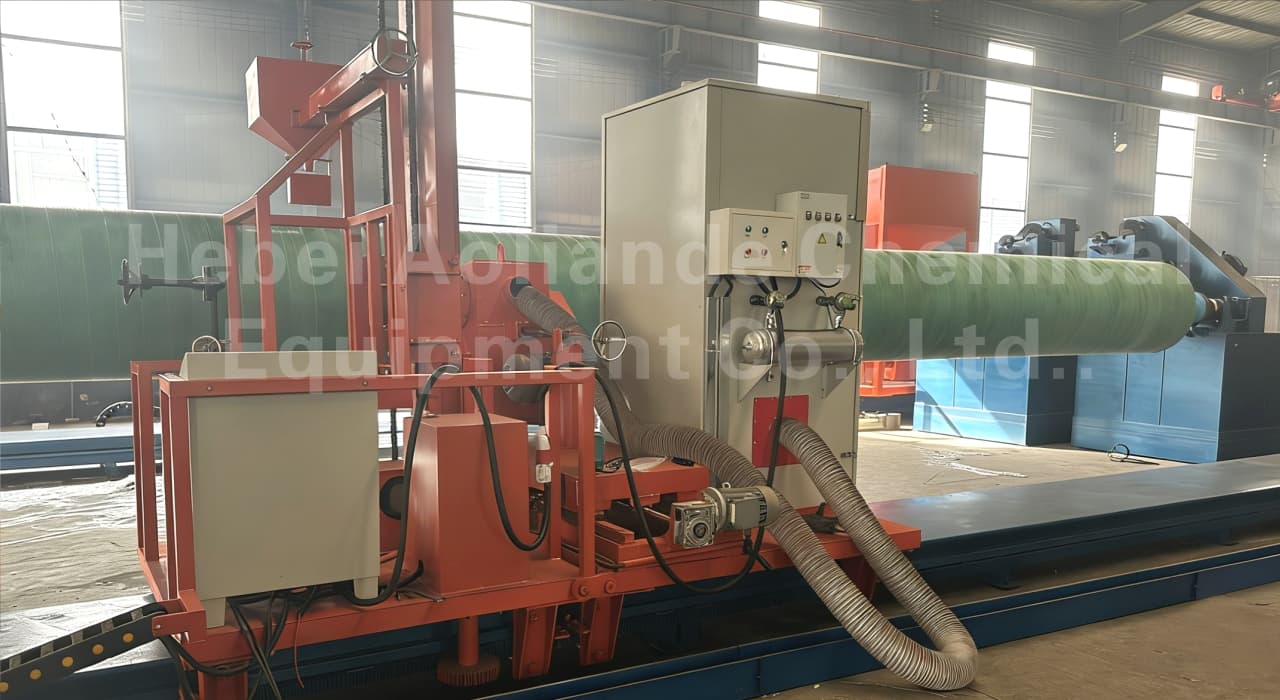
So, what exactly is an FRP pipe filament winding production line? In simple terms, it’s a full setup designed to manufacture fiberglass-reinforced plastic (FRP) pipes using the filament winding method. Instead of layering fibers randomly or manually, this system automates the winding of continuous fibers around a rotating mandrel, resulting in highly precise, durable, and uniform pipes.
When I first encountered this technology, I was impressed by how it combines automation with flexibility. You can control winding angles, fiber tension, and resin application, which directly impacts the pipe’s strength and performance. For anyone serious about producing high-quality FRP pipes, a filament winding production line is almost indispensable.
How the Filament Winding Process Works
From my experience, one of the best ways to understand the FRP pipe filament winding production line is to break it down into stages:
-
Mandrel Preparation – This is the foundation. The mandrel determines the pipe’s diameter and shape. Depending on the pipe specifications, it can be customized to match exact requirements.
-
Fiber and Resin Setup – Fiberglass or carbon fibers are prepared, sometimes pre-impregnated with resin. Proper preparation ensures the fibers bond well and maintain structural integrity during winding.
-
The Winding Process – Here’s the exciting part. The fibers are wound around the rotating mandrel at precise angles. I’ve noticed that adjusting these angles can significantly improve either hoop strength or axial strength, depending on the application.
-
Curing – After winding, the pipe must be cured, usually with heat or a chemical catalyst. This hardens the resin and locks the fibers in place.
-
Finishing – Finally, the cured pipe is removed from the mandrel, trimmed, and checked for quality. Automated lines often include inspection systems to detect defects early, which saves time and reduces waste.
Benefits I’ve Seen Firsthand
Over the years, I’ve worked with several companies using a FRP pipe filament winding production line, and the advantages are obvious:
-
Consistency and Precision – Automated winding ensures each pipe meets exact specifications. No more guesswork or manual inconsistencies.
-
Material Efficiency – You use just the right amount of fiber and resin. It’s cost-effective and environmentally friendly.
-
Flexibilidade – Producing different pipe diameters or wall thicknesses is relatively straightforward. You don’t need to redesign the entire system.
-
Mechanical Strength – By controlling the winding pattern, you can make pipes exceptionally strong for pressure-heavy applications.
-
Resistência à Corrosão – FRP pipes resist chemicals, water, and even extreme weather, which is perfect for industrial and municipal use.
For example, a client I worked with needed pipes for chemical transport that would last for decades. The filament winding production line allowed us to produce pipes that met rigorous strength and chemical resistance standards without excessive manual labor. That kind of reliability is hard to achieve with traditional methods.
Choosing the Right Production Line
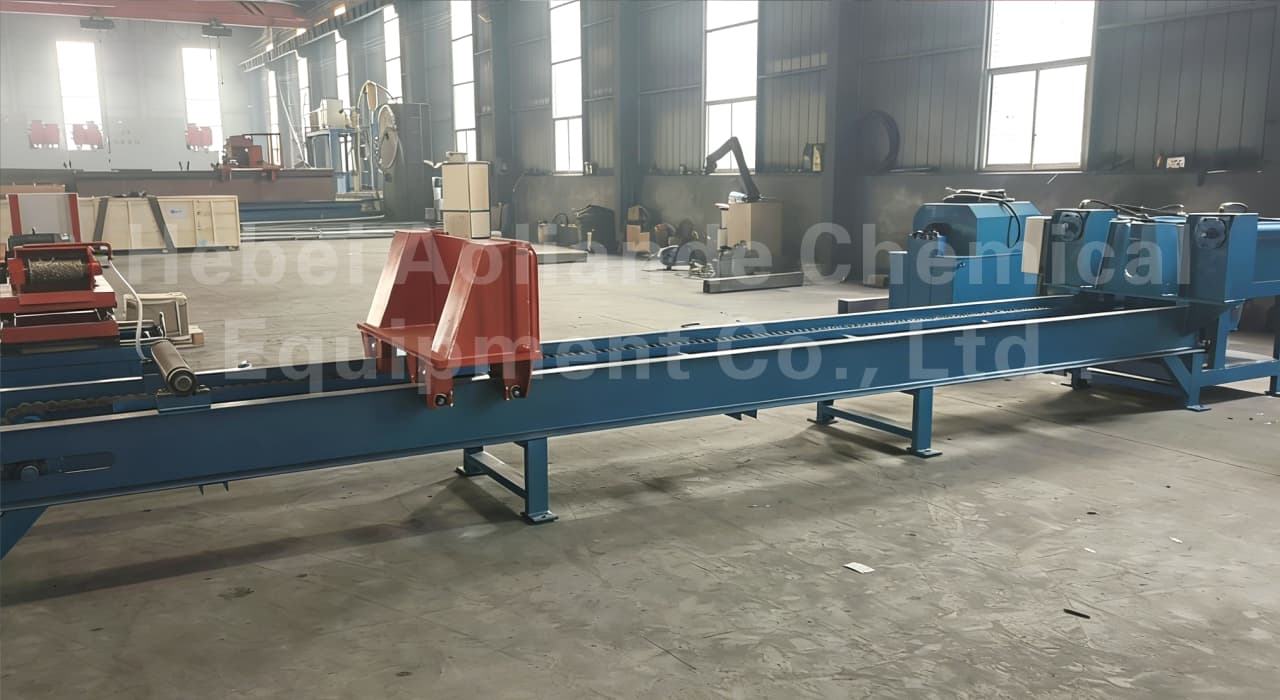
Not all FRP pipe filament winding production lines are created equal, and picking the right one makes a huge difference. Here are the key factors I consider:
-
Pipe Size Capabilities – Make sure the line can handle the diameters and lengths you need.
-
Automation Level – Fully automated lines are faster and more efficient but come at a higher upfront cost.
-
Opções de personalização – Can it produce special winding angles, hybrid fibers, or custom resin combinations?
-
Technical Support – Installation, training, and maintenance support are crucial. I always work with manufacturers who provide end-to-end service.
I’ve learned that investing in a slightly higher-end line pays off in the long term. It reduces downtime, improves output quality, and adapts to future production needs.
Real-World Applications
One reason I love the FRP pipe filament winding production line is its versatility. Here are some areas where it excels:
-
Chemical Plants – Handling acids, alkalis, and corrosive liquids requires pipes that won’t degrade over time.
-
Water and Wastewater Treatment – Municipal systems demand durability and consistent performance.
-
Oil and Gas – Lightweight yet strong FRP pipes are ideal for pipelines that need to handle pressure and environmental stress.
-
Power Plants – Cooling water systems benefit from corrosion-resistant, long-lasting pipes.
I recall a project where we used filament winding to produce FRP pipes for an offshore platform. The pipes had to withstand extreme conditions—high pressure, saltwater exposure, and temperature fluctuations. Thanks to the production line, we achieved a quality that manual processes simply couldn’t match.
Common Challenges and How to Handle Them
Like any technology, a filament winding production line comes with challenges. Here’s what I’ve learned:
-
Fiber Breakage – Too much tension can snap fibers. Solution: carefully calibrate tension settings.
-
Uneven Resin Application – This can weaken the pipe. Solution: monitor resin viscosity and impregnation closely.
-
Mandrel Warping – Especially for large pipes, mandrels can deform. Solution: use strong mandrel materials and ensure proper alignment.
Keeping a production log and tracking issues has been my best strategy for improving efficiency and reducing mistakes. Over time, small adjustments make a big difference in output quality.
Looking Ahead: The Future of FRP Pipe Production
O FRP pipe filament winding production line is evolving quickly. Automation, robotics, and digital monitoring are improving production speed and reliability. In the near future, I expect AI-assisted controls to optimize winding angles, resin flow, and curing times in real time. Imagine a line that self-adjusts based on material feedback—production would be almost effortless.
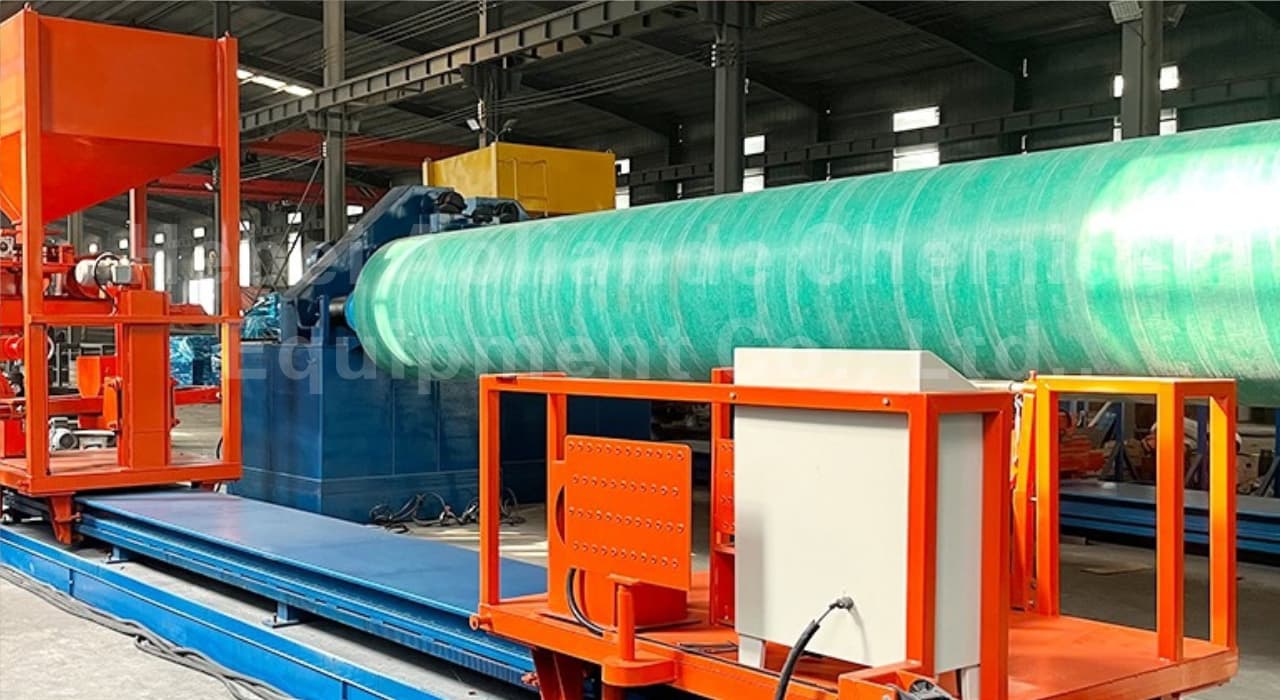
For manufacturers, staying ahead means embracing these innovations early. From my perspective, those who adopt modern filament winding production lines will gain a competitive edge in terms of quality, efficiency, and market reach.
Conclusão
A FRP pipe filament winding production line isn’t just a tool—it’s a strategic investment for any serious pipe manufacturer. From precision and efficiency to mechanical strength and corrosion resistance, the benefits are clear. Whether you’re producing for chemical plants, municipal water systems, or offshore oil platforms, this production line ensures that your pipes meet the highest standards.
From my own experience, the learning curve is worth it. Once you master the system, you’ll not only produce superior pipes but also increase your operational efficiency and flexibility. If you’re ready to take your FRP pipe manufacturing to the next level, this is where you should start.