
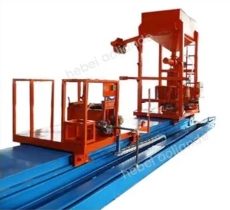
In today’s fast-paced manufacturing world, staying ahead means finding ways to make more with less effort. If you’re running a plant that deals with composite materials or chemical equipment, you’ve likely felt the pressure to ramp up speed without cutting corners on quality. That’s where computer control filament winding machines come in. These tools change the game by automating a key process, helping teams produce stronger, more reliable products faster. This post dives into how they enhance production efficiency, drawing from real industry practices. Whether you’re an engineer tweaking lines or a manager eyeing upgrades, you’ll see why this tech matters.
What Is Filament Winding and Why It Matters
Filament winding stands as a core method for creating sturdy, lightweight structures like pipes and tanks used in harsh environments. Think of it as wrapping fibers around a form to build up layers that resist corrosion and pressure. Plants in chemicals, water treatment, and metallurgy rely on this to make parts that last.
But manual winding? It’s slow and prone to mistakes. Workers have to guide fibers by hand, which tires them out and leads to uneven results. A small slip can mean scrapping a whole piece. Now, add computer control, and things shift. The machine takes over, following exact patterns set by software. No more guesswork. This setup not only speeds things up but also cuts down on waste, making your operation smoother.
The Core Steps in Filament Winding
Start with a rotating mandrel, the base shape. Fibers soaked in resin get pulled and wrapped at specific angles. Tension matters a lot here—too loose, and the structure weakens; too tight, and fibers break. Heat or curing follows to harden everything.
In traditional setups, operators adjust these by feel. It’s skilled work, but human limits show up in long shifts. Computer control steps in with sensors that monitor tension in real time. Software adjusts on the fly. Result? Consistent wraps every time. One plant I know switched and saw defects drop by half in the first month.
From Manual to Automated: A Quick History
Filament winding started simple, back in the mid-20th century for aerospace parts. Early machines were mechanical, relying on gears and levers. Fast forward to now, and computers run the show. Advances in software let you program complex patterns that once took days to set up.
This evolution fits right into modern factories. With global demand rising for durable composites, automated winding helps meet tight deadlines. It’s not just about speed; it’s about scaling up without hiring a crowd. Small teams handle big orders, freeing folks for other tasks.
How Computer Control Boosts Day-to-Day Operations
Picture this: Your line runs non-stop, with minimal downtime. That’s the promise of computer control in filament winding. These machines use precise algorithms to guide every move, turning what was a labor-heavy job into a streamlined flow. Let’s break down the wins.
First off, they handle complex designs with ease. Need helical patterns for extra strength? Input the specs, and the machine executes perfectly. No rework needed. This precision shines in industries like desalination, where pipes face salty water daily.
Energy use drops too. Smart systems only run at full power when needed, unlike old setups that guzzle fuel constantly. One study from chemical plants showed a 20% cut in power bills after the switch.
Precision That Cuts Errors and Saves Time
At the heart of efficiency lies accuracy. Computer control ensures fibers lay down at exact angles, building uniform strength across the product. Sensors catch tiny shifts in speed or tension, fixing them instantly.
This means fewer bad batches. In manual winding, variations creep in from worker fatigue or slight mismeasurements. Automated versions log every run, so you spot patterns and tweak for better results. Over time, this builds a database that refines your process even more.
Short runs become feasible too. Switching patterns? Just load a new program. No hours lost retooling. For custom orders, this flexibility keeps customers happy and coming back.
Speeding Up Throughput Without Sacrificing Quality
Time is money on the floor. These machines wind faster because they don’t pause for adjustments. Continuous operation means higher output per shift—sometimes double what manual methods achieve.
But speed alone isn’t enough. Quality checks integrate right in. Built-in monitors test for voids or weak spots during winding, flagging issues early. This prevents costly halts later in assembly. Teams report smoother workflows, with less scrambling to fix problems downstream.
Reducing Material Waste for Greener Runs
Waste hurts the bottom line and the planet. Computer control minimizes it by calculating exact fiber lengths needed. No excess trimming. Resin application gets precise too, avoiding drips or over-soaks.
In one case from a water supply project, a factory cut fiber waste by 15% after adopting this tech. That’s real savings, plus it eases storage needs. Less scrap means cleaner workspaces and happier crews.
| Аспект | Manual Winding | Computer Control Winding |
|---|---|---|
| Скорость | Slower, limited by human pace | Faster, continuous operation |
| Точность | Prone to variations | High precision with sensors |
| Waste | Higher due to errors | Lower, optimized material use |
| Downtime | More for setups and fixes | Less, quick program changes |
| Выход | Lower per shift | Up to double in some cases |
This table shows clear edges. Switching over builds your brand as reliable and forward-thinking.
Applications in Key Industries
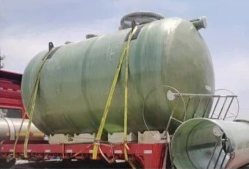
These machines fit seamlessly into various sectors, proving their worth in tough spots. Chemical plants use them for corrosion-resistant pipes that handle acids without breaking down. In urban drainage, wound tanks store water safely, lasting years.
Metallurgy benefits from custom profiles that withstand heat. Even seawater desalination relies on this tech for durable components. Each application shows how automation turns challenges into strengths.
Tackling Chemical Production Challenges
Harsh chemicals eat away at standard materials. Filament-wound parts, made with computer precision, resist better. The even layering distributes stress, preventing cracks.
Efficiency here means quicker turnaround on equipment like reactors or storage vessels. Plants report shorter lead times, helping them bid on more projects. It elevates your operation, making you the go-to for complex needs.
Building Stronger FRP Products
Fiber-reinforced plastics (FRP) thrive with this method. Wound structures offer high strength-to-weight ratios, ideal for tanks and gratings. Computer control ensures layers bond perfectly, boosting durability.
In global markets, this quality stands out. Customers trust products that perform, building long-term ties. Your personal brand as an expert grows when you deliver consistently.
- Desalination: Pipes handle salt without corroding.
- Power Plants: Components resist fumes and heat.
- Urban Infrastructure: Drainage systems last longer.
These examples highlight real gains.
Elevating Your Business and Brand
Adopting computer control filament winding doesn’t just fix immediate issues; it positions your firm for growth. Consistent output means meeting deadlines, which wins contracts. Word spreads, enhancing your reputation.
On a personal level, mastering this tech sets you apart. Engineers who know automated systems lead teams better, spotting improvements others miss. It builds confidence and opens doors.
Investing here shows commitment to innovation. Suppliers offer training, easing the transition. Over time, lower costs from efficiency fund expansions, creating a cycle of success.
Познакомьтесь с Hebei Aoliande Chemical Equipment Co., LTD.
As a trusted supplier of computer control filament winding machines, Хэбэй Aoliande Chemical Equipment Co., LTD. brings years of expertise to the table. Based in China, they craft reliable equipment for global clients, backed by certifications like ISO9001 and ISO14001. Their focus on quality craftsmanship and services such as technical guidance and installation help factories run smoother. With a track record in chemical and composites, they provide tools that fit your needs, supporting efficient production from start to finish.
Угорнуть его
Switching to computer control filament winding machines marks a smart move for any manufacturing setup. They deliver speed, precision, and savings that add up fast, helping you stand out in a crowded field. By cutting waste and boosting quality, this tech not only enhances production efficiency but also strengthens your brand. Ready to upgrade? It could be the step that takes your operation to the next level.
Часто задаваемые вопросы
What exactly does a computer control filament winding machine do to enhance production efficiency?
It automates the wrapping of fibers, ensuring even layers and reducing manual errors. This leads to faster cycles and less downtime, directly boosting overall output in your plant.
How can a computer control filament winding machine cut costs in my factory?
By minimizing material waste through precise calculations and improving speed, it lowers expenses on scraps and labor. Many users see quick returns as efficiency climbs.
Is training needed to use a computer control filament winding machine effectively?
Yes, but it’s straightforward. Suppliers often provide guidance, and the intuitive software makes it easy for teams to adapt, enhancing production efficiency without a steep learning curve.
Can a computer control filament winding machine handle custom projects?
Absolutely. Programmable settings allow for varied patterns and sizes, making it versatile for unique demands while keeping efficiency high.
Why choose this tech over traditional methods?
Traditional ways rely on hands-on work, which slows things and invites mistakes. Computer control enhances production efficiency by delivering consistent, high-quality results every time.