
Fiberglass Reinforced Plastic (FRP) tanks are widely used in chemical processing, water treatment, fertilizer production, and other industrial applications. Their popularity is due to excellent corrosion resistance, lightweight design, and long service life. However, to ensure safety, durability, and regulatory compliance, FRP tanks must be designed according to recognized FRP tank design standards.
In this guide, I’ll walk you through the key standards, design principles, and considerations that any professional FRP tank manufacturer should follow. This will help engineers, plant managers, and project planners understand what makes a compliant and reliable FRP storage tank.
What Are FRP Tank Design Standards?
FRP tank design standards are technical guidelines that define:
-
Material properties
-
Wall thickness requirements
-
Structural reinforcement
-
Safety margins
-
Testing and inspection procedures
These standards ensure that tanks are safe under operating conditions, resistant to chemicals, and durable over their service life. Following these standards also helps reduce risk of failures that can lead to leaks, chemical spills, or environmental hazards.
Key International FRP Tank Design Standards
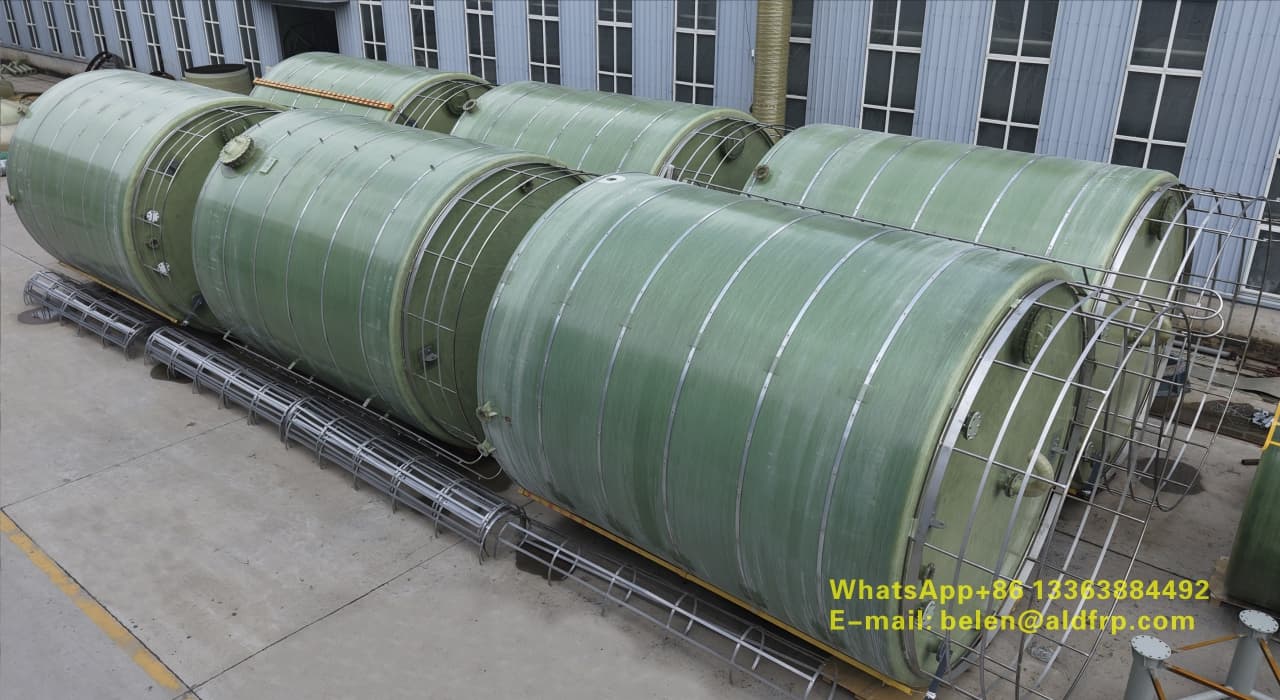
Several standards are widely referenced in the design of FRP tanks. Some of the most important include:
1. ASME RTP-1
-
Full name: Reinforced Thermoset Plastic Corrosion-Resistant Equipment Standard
-
Published by: American Society of Mechanical Engineers (ASME)
-
Focus: Design, fabrication, testing, and inspection of FRP tanks and vessels.
-
Key points:
-
Defines design pressure, temperature limits, and material selection
-
Specifies structural calculations for wall thickness and reinforcement
-
Covers flanges, nozzles, and fittings
-
Provides guidelines for hydrostatic testing
-
This is the most widely recognized standard for industrial FRP tanks in North America and globally.
2. ASTM Standards
Several ASTM standards are referenced for FRP materials and tank construction:
-
ASTM D3299 – Filament-wound fiberglass reinforced thermosetting resin tanks
-
ASTM D4097 – Glass-reinforced thermosetting resin corrosion-resistant tanks
-
ASTM D4097 focuses on tanks for chemical storage, specifying fiber content, resin types, and mechanical properties.
These ASTM standards complement ASME RTP-1 by providing material and construction guidelines.
3. EN 13121 (European Standard)
-
Specifies requirements for the design and manufacture of GRP (Glass Reinforced Plastic) tanks in Europe.
-
Covers:
-
Wall thickness calculations
-
Stress analysis
-
Reinforcement methods
-
Quality control and testing
-
EN 13121 ensures FRP tanks meet safety and performance requirements for European projects.
4. Other Local Standards
Depending on the country or region, additional standards may apply, such as:
-
ISO 14692 – Glass-reinforced plastics (GRP) piping and tanks
-
Local environmental and industrial safety regulations
Professional FRP tank manufacturers should always verify which standards are applicable in the project location.
Key Design Considerations for FRP Tanks
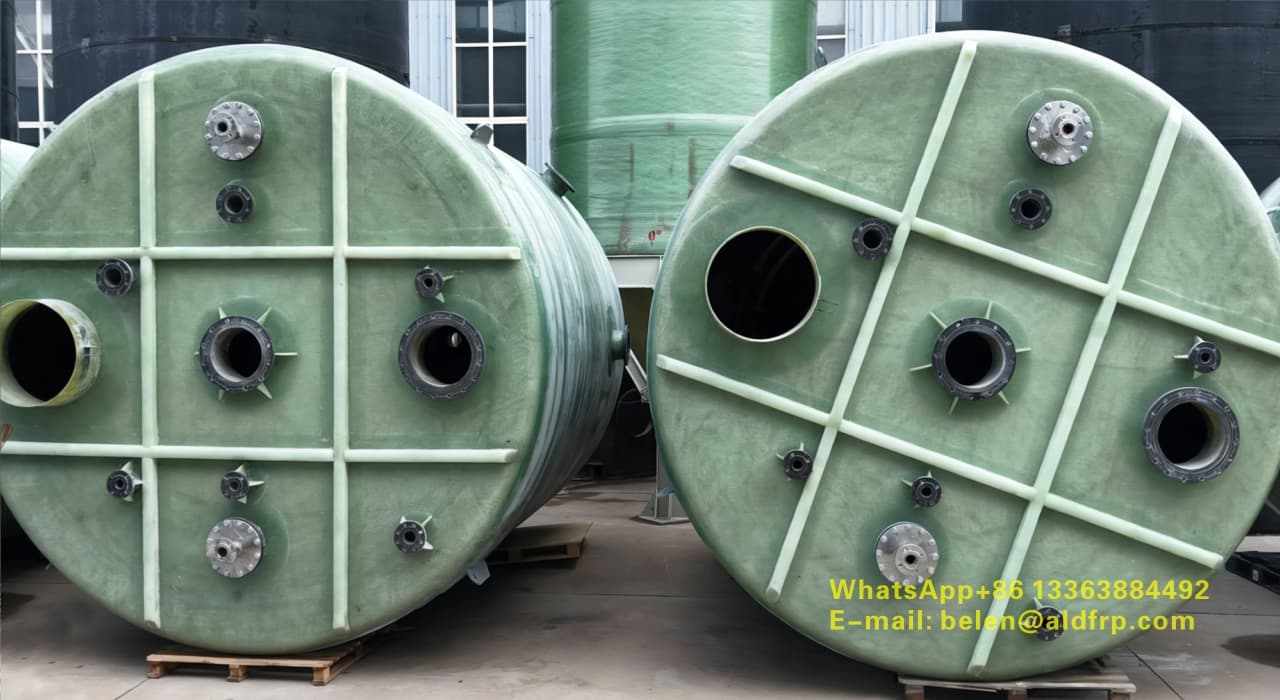
When designing FRP tanks according to standards, several factors must be considered.
1. Material Selection
-
Fiberglass Type: E-glass or C-glass, depending on chemical exposure
-
Resin Type: Polyester, vinyl ester, or epoxy resin for chemical resistance
-
Layering: Inner liner, structural layers, and outer protective layer
Standards like ASME RTP-1 specify minimum fiber volume and resin content for each layer.
2. Wall Thickness Calculation
Wall thickness depends on:
-
Tank diameter
-
Tank height
-
Internal pressure (hydrostatic or process pressure)
-
Fiber orientation (hoop vs helical winding)
-
Safety factor
Filament winding allows precise control of fiber angles to optimize strength, as required in design standards.
3. Reinforcement
-
Hoop Winding: Fibers placed perpendicular to the axis for pressure resistance
-
Helical Winding: Fibers at an angle for axial strength
-
Polar Winding: Used near ends and nozzles for added reinforcement
Reinforcement patterns are calculated according to ASME RTP-1 or ASTM standards to ensure structural safety.
4. Chemical Compatibility
The selected resin and fiber must resist the chemicals stored in the tank. Standards require:
-
Resistance to acids, alkalis, and salts
-
Verification of resin chemical resistance through laboratory testing
-
Recommendations for inner liner materials when handling aggressive chemicals
5. Safety Margins and Design Pressure
FRP tanks are designed with safety margins to withstand unexpected conditions:
-
Internal pressure fluctuations
-
Temperature variations
-
External forces such as wind or seismic activity
Standards provide formulas and factors for calculating safe wall thickness and reinforcement.
6. Testing and Inspection
Standards require tanks to undergo rigorous testing before use:
-
Hydrostatic Testing: Check for leaks and structural integrity
-
Vacuum Testing: For vacuum-resistant tanks
-
Visual Inspection: Check for delamination, voids, or defects
-
Non-Destructive Testing: Optional for high-risk applications
These steps ensure that the tank meets design requirements and can safely operate over its lifetime.
Benefits of Following FRP Tank Design Standards
Adhering to design standards offers multiple advantages:
-
Ensures structural integrity under pressure and chemical exposure
-
Minimizes risk of leaks or catastrophic failures
-
Reduces maintenance costs and increases tank lifespan
-
Complies with local regulations and industrial safety requirements
-
Provides a clear framework for custom tank design
Choosing the Right FRP Tank Manufacturer

When selecting an FRP tank manufacturer, ensure they follow recognized standards such as ASME RTP-1, ASTM, or EN 13121. A professional manufacturer will:
-
Provide engineering support for custom designs
-
Use certified materials and resins
-
Perform proper testing and quality control
-
Offer documentation for regulatory compliance
This guarantees your tank is safe, durable, and suitable for its intended application.
Вывод
Understanding FRP tank design standards is essential for safe and reliable storage solutions. By following international standards like ASME RTP-1, ASTM D3299, and EN 13121, manufacturers can ensure tanks are:
-
Structurally sound
-
Chemically resistant
-
Долговечный
-
Compliant with industrial regulations
Whether you are storing chemicals, wastewater, or industrial liquids, working with a qualified FRP tank manufacturer that follows these standards is the best way to ensure project success.