
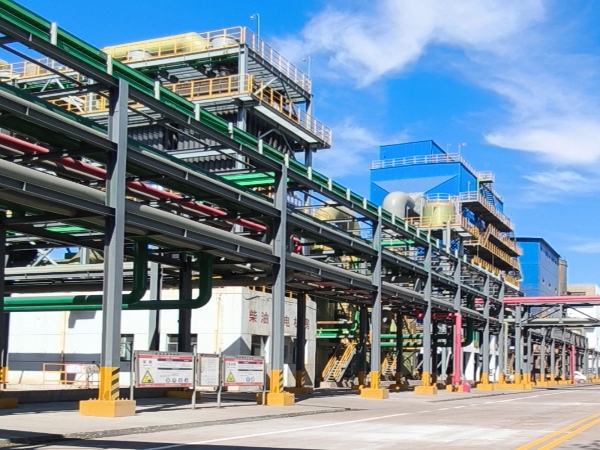
Sulfuric acid is one of the most commonly made chemicals around the world. It plays a key part in fields like fertilizers, oil refining, and chemical making. People often use different factory methods to make sulfuric acid, and the Mannheim process is still the most usual one. This blog looks at the main things that affect how much a sulfuric acid production line can make. It also talks about the tools involved. Plus, it shows how a good setup can boost speed and amount.
What Is a Sulfuric Acid Production Line?
A sulfuric acid production line means the whole group of machines and tools used to create sulfuric acid on a big scale. This setup covers everything from handling raw stuff at the start to packing the final item. The most common ways to make sulfuric acid are the Contact Process and the Mannheim Process. Each has its own good points and tough parts.
Key Technologies Behind Sulfuric Acid Production
Several main methods and tools help drive the making of sulfuric acid.
1. The Mannheim Process
The Mannheim process is one of the oldest and most commonly used methods for producing sulfuric acid. This method involves the reaction of sulfur dioxide (SO2) with oxygen in the presence of water to produce sulfur trioxide (SO3). The SO3 is then absorbed into water to form sulfuric acid. One of the critical aspects of this process is the temperature control and material handling in the reactor to ensure efficient conversion and reduce energy consumption.
To make this clearer, let’s break it down. The Mannheim process is an old but popular way to make sulfuric acid. It mixes sulfur dioxide, or SO2, with oxygen when water is around. This creates sulfur trioxide, or SO3. Then, that SO3 gets soaked up by water, and you get sulfuric acid. A big part here is watching the heat and how stuff moves in the reactor. That helps turn things well and cuts down on power use.
2. The Contact Process
This process is seen as a newer way. It is mainly used for big amounts of sulfuric acid. It has a few steps. First, it changes sulfur dioxide to sulfur trioxide. Then, it soaks that up in water. The Contact Process lets you work better and harms the air less. It runs under easier settings than the Mannheim process.
3. Gas Scrubbing Technology
One of the main tech parts in making sulfuric acid is the gas scrubbing setup. It takes out bad gases like sulfur dioxide from waste air. Better scrubbing tools cut down on dirty air. They also grab back sulfur dioxide to use again in making more.
4. Automation and Control Systems
Automation is very important for making sulfuric acid lines better. Good control setups, like Programmable Logic Controllers (PLCs) and Distributed Control Systems (DCS), let you handle heat, push, and mix amounts just right. These setups boost the whole speed of the making process. They cut down on hand work. And they lower mistakes from people.
Factors Affecting Production Capacity
A number of important elements can influence the overall output of a sulfuric acid production line.
1. Feedstock Quality and Supply
The grade of starting stuff, especially sulfur and air, has a big effect on how well the sulfuric acid making works. Better starting stuff means higher change rates and more output. Also, a steady flow of these raw items is key to keep making without stops.
2. Reactor Efficiency
How well the reaction works in the oven or reactor ties straight to how much the sulfuric acid plant can make. Better reactors that hold the best heat and push levels can raise the making amount a lot. Plus, picking stuff for reactors that fights rust, like strong mixes, can make the tools last longer. It also cuts fix costs.
3. Energy Management
Making sulfuric acid uses a ton of power. Good power handling through grabbing back waste heat and using strong boilers can help lower power use. A good power setup can make the whole thing faster and more money-making for the sulfuric acid production line.
4. Technological Innovations
Ongoing changes in chemical building and ways to make processes better have led to more power-saving and cheap ways to make sulfuric acid. New ideas like better gas soaking tools, stronger helpers in the Contact Process, and improved scrubbing setups can lead to faster making rates. At the same time, they keep high-grade output.
Production Capacity and Scalability
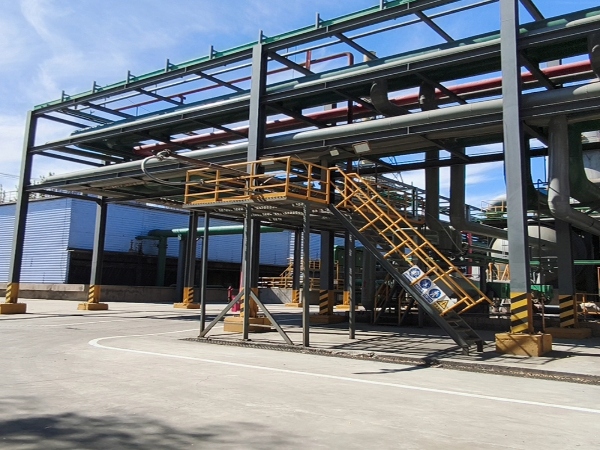
To connect these ideas, let’s see how size and growth play in.
1. Small-Scale vs. Large-Scale Production Lines
Small-scale sulfuric acid production lines usually run with lower making amounts. They fit for fields that need sulfuric acid in tiny bits. On the flip side, big plants are built to deal with huge amounts of sulfuric acid making. They often serve world markets. How much you can grow a sulfuric acid production line depends on the process tools, machine setup, and raw stuff you can get.
2. Modular Design
Modular design is used more and more to make sulfuric acid production lines flexible and easy to grow. These setups let you add parts to boost making amount as need goes up. Modular systems can mix easy with current lines. This lets makers grow work with little stop time.
3. Continuous vs. Batch Processing
Most new sulfuric acid production lines use ongoing making. In this, sulfuric acid comes out without stop. It raises output and cuts work costs. Batch making, though, means making sulfuric acid in set amounts. While batch is more bendy, ongoing systems are picked for big work because they are faster and cheaper.
Benefits of Optimizing Production Capacity
Making the most of production capacity brings several clear gains for makers.
1. Increased Revenue
Higher making amount straight means you can make more sulfuric acid. That brings more cash. By making lines better, makers can meet needs from big fields like farming for plant food, digging, and oil fixing.
2. Cost Reduction
Better making speed leads to lower making costs. You get this by using raw stuff well, boosting power speed, and cutting work costs with auto tools. As making amount goes up, the cost per bit of sulfuric acid drops. This boosts money gain.
3. Environmental Benefits
Fast sulfuric acid making cuts down on trash and bad air outs. New tech like shut loops and gas scrubbing tools make sure the making is as green as can be. This helps firms follow green rules. It also shrinks their mark on the air.
Case Studies in Sulfuric Acid Production
Many firms around the world have set up high-amount sulfuric acid production lines with good outcomes. For instance, Hebei Aoliande Chemical Equipment Co., LTD., a top giver of sulfuric acid production lines, has given answers that fit both tiny and big fields. The firm’s use of top tech, modular setups, and ongoing ways to make better has let for more output. At the same time, it keeps the earth safe.
Brand Introduction
Хэбэй Aoliande Chemical Equipment Co., LTD. is a top provider of modern sulfuric acid production lines. It focuses on giving good-quality making tools for sulfuric acid plants all over the world. The firm started in 2016. It is located in Hengshui City, Hebei Province, China. Over time, the company has earned a strong name. It does this by sharing new tech and fresh ideas in different chemical making areas.
Aoliande Chemical Equipment does well in planning, building, and setting up sulfuric acid production lines. It pays close attention to boosting how well things run. It also makes sure the earth stays safe. And it cuts running costs. The firm uses modern tools like the Mannheim process. Plus, it adds auto control setups. So, Aoliande offers very dependable and power-saving production lines. These serve fields from plant food to oil fixing.
Вывод
The making amount of a sulfuric acid production line comes from a few things. These include the pick of process tech, reactor speed, and power handling. By putting money in new tech and making the process better, makers can raise output a lot. They can also cut costs. This makes sure long-run money gain and lasting work. As fields everywhere keep growing, the need for sulfuric acid will go up. So, it is key for firms to make their production lines as big as they can.
Часто задаваемые вопросы
Q1: What is the Mannheim process in sulfuric acid production?
The Mannheim process is a usual way used to make sulfuric acid. It mixes sulfur dioxide with oxygen in a hot oven. It is common because it handles big amounts of raw stuff well.
Q2: How does automation improve sulfuric acid production?
Automation boosts sulfuric acid making by handling key things like heat, push, and starting mix amounts better. It cuts mistakes from people. It raises steady work. And it helps use stuff well, leading to more output.
Q3: Can sulfuric acid production lines be scaled up?
Yes, sulfuric acid production lines can grow a lot. Modular setups let for easy add-ons. This makes sure making amount can rise as need grows without much stop.
Q4: What are the environmental benefits of optimizing sulfuric acid production?
Making sulfuric acid better cuts trash making. It boosts power speed. And it lowers air outs. Tools like gas scrubbing and heat grab back help shrink the hit on the earth.
Q5: How do energy management systems affect production capacity?
Power handling setups are key for boosting power speed in sulfuric acid making. By grabbing waste heat and using strong boilers, power use drops. This straight boosts making amount and cuts run costs.