
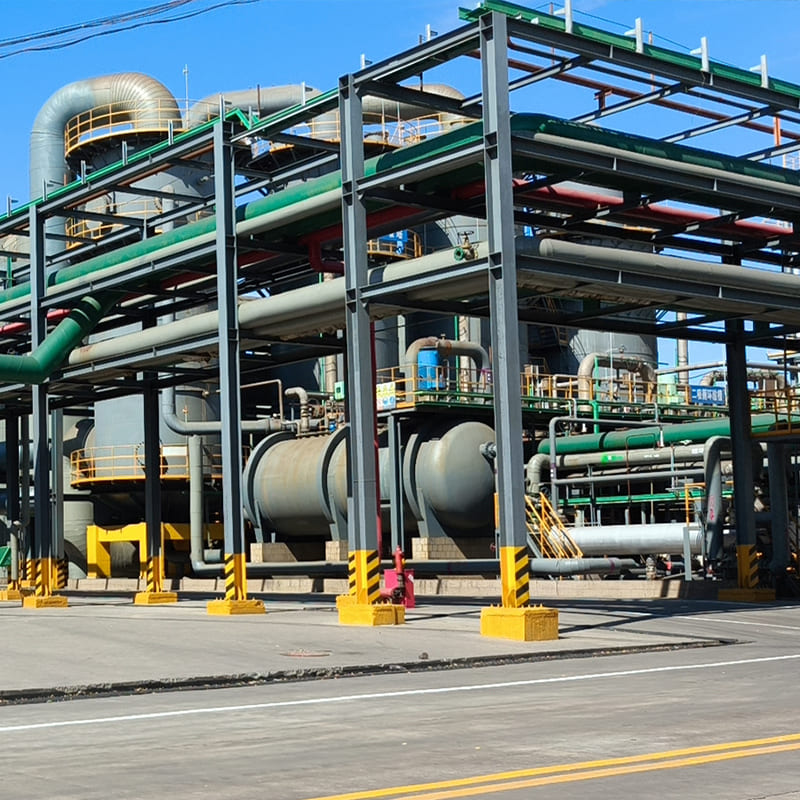
In making sulfuric acid, keeping things safe and following green rules is very important. Sulfuric acid production uses strong, eating-away stuff and steps that can be harmful. This makes safety steps key to stop crashes, keep workers safe, and follow laws. This blog looks at main safety rules and ways to handle risks for sulfuric acid production lines. It focuses on stopping leaks, getting ready for emergencies, and following rules.
Understanding the Risks in Sulfuric Acid Production
Sulfuric acid often comes from the Mannheim process or contact process. It involves mixing sulfur dioxide (SO₂) with oxygen. The sulfuric acid production line runs at hot levels and uses gases that react fast and stuff that eats away. This makes it risky by nature. Dangers include burns from chemicals, leaks of bad gases, blasts, and harm to nature. These dangers need strong safety steps at every part of the making process. This goes from dealing with raw stuff to keeping the final product and moving it.
Key Safety Measures for Sulfuric Acid Production
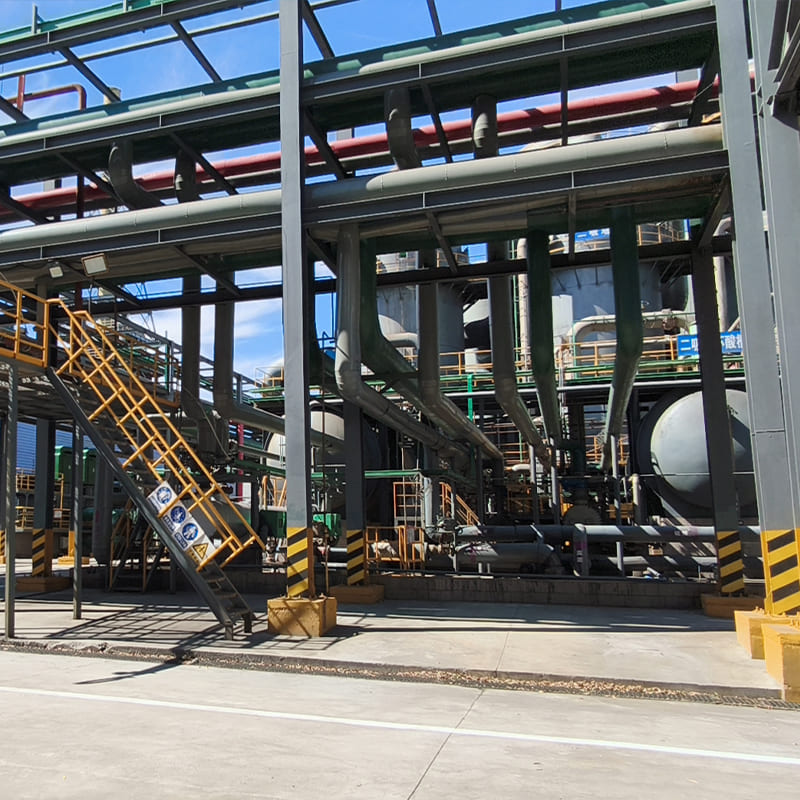
Keeping safe in sulfuric acid production needs a full plan. The making process uses harmful stuff and reactions. A good safety plan must cover all parts of the production line. This includes dealing with materials, keeping them, stopping leaks, handling emergencies, and following rules. In this part, we will look at main safety steps needed for a safe and rule-following sulfuric acid production place.
1. Material Handling and Storage Safety
Right ways to handle and keep sulfuric acid are key to stop crashes. Sulfuric acid reacts a lot, mainly when it touches metals, water, and stuff from plants or animals. So, good holding systems, tanks that do not rust, and safe moving rules are needed.
Stuff that fights rust: Tools like tanks and pipes should use materials that fight eating away, such as steel with rubber inside or fiberglass.
Right keeping: Sulfuric acid must stay in areas with air flow, far from things it does not mix with like bases and stuff that burns.
Safety lessons: Workers must learn to spot bad situations from sulfuric acid touch. This includes safe ways to handle stuff and hold spills.
2. Leak Prevention and Detection Systems
Leaks in sulfuric acid production lines can cause big crashes. This includes letting out bad gases or harming nature. Ways to stop this include:
Checks and fixes often: All tools in the sulfuric acid production line should get looked at often for leaks or wear signs. Fix steps must make sure no part risks breaking from eating away or harm.
Auto systems to find leaks: Good sensors and finders can watch for bad gases or acid leaks. These systems can warn workers about possible leaks before they get worse.
Double holding systems: When you can, use tanks or pipes with two walls to hold any leaks. This makes sure the spill stays inside a second layer.
3. Emergency Response and Spill Containment
If an acid spill or leak happens, a clear emergency plan is key to cut harm to people, tools, and nature.
Holding spills: All sulfuric acid production spots should have basins to hold spills, stuff that soaks up, and things to make it safe like sodium bicarbonate to lessen acid spill effects.
Emergency plans: Places must have clear plans that everyone knows for emergencies. These plans should get looked at often, practiced, and changed to show any new steps or rules.
Gear to protect self (PPE): Workers must get right PPE. This includes gloves that fight acid, eye covers, and full suits. They protect if touch happens in crashes.
4. Ventilation and Gas Control
Sulfuric acid production lets out sulfur dioxide (SO₂). It is a bad gas that can harm health. So, a strong system for gas control and air flow is key.
Air cleaners and filters: Sulfur dioxide must get filtered and made safe before going out to nature. Towers that clean with water or base mixes can soak up and make SO₂ safe. This stops bad let-outs.
Air flow systems: Good air flow systems should get put in to take away bad smoke and give a clean, safe work spot for workers.
Warnings for safety: Tools that find gases and watch levels of sulfur dioxide or hydrogen sulfide in air can warn workers about bad states. They give early alerts before amounts get unsafe.
Regulatory Compliance for Sulfuric Acid Production Lines
To make sure sulfuric acid production happens safely and follows local and world rules, sticking to law frames is needed.
1. Environmental Regulations
Sulfuric acid production gets watched a lot because of its possible harm to nature. These rules often cover:
Air clean standards: Limits for letting out sulfur dioxide (SO₂) and other bad stuff get set by groups that protect nature to cut harm to air. Following these limits is key to stop breaks and fines.
Water waste clean: The making process makes dirty water that must get cleaned to take out bad chemicals before going to nature. Clean steps include making it safe and filtering.
Bad waste throw away: Sulfuric acid production lines must follow rules for throwing away bad waste. This makes sure any acid left or side stuff gets held safe and thrown away right.
2. Workplace Safety Standards
Besides green rules, sulfuric acid plants must follow work safety rules, like those from:
Occupational Safety and Health Administration (OSHA): OSHA gives guides for handling chemical safety. This includes special rules for dealing with bad stuff like sulfuric acid. Firms must stick to these to keep workers safe.
ISO 45001: This world rule for work health and safety systems gives a frame for keeping work safe. It includes guides for handling bad stuff.
Drills for emergencies: OSHA and other safety groups suggest drills often to make sure all workers know steps if a bad spill or crash happens.
Case Study: Effective Safety Management in Sulfuric Acid Production
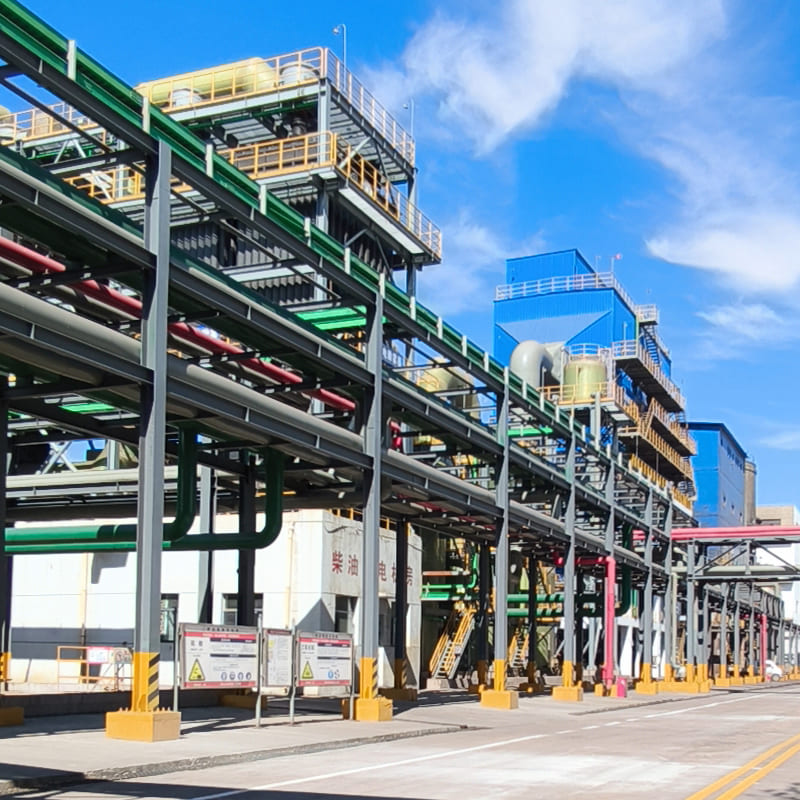
A good example of safety handling comes from a sulfuric acid production place that put in a full safety program. The place’s steps included:
Putting in systems that watch gas levels right then to find sulfur dioxide amounts.
Giving long lessons for staff on dealing with sulfuric acid and emergency steps.
Using auto systems to hold spills and putting soak-up stuff near main tools.
Keeping a special team for emergencies with new info on handling sulfuric acid crashes.
By doing these, the place cut down crashes a lot, made worker safety better, and followed green rules.
About Hebei Aoliande Chemical Equipment Co., Ltd.
Hebei Aoliande Chemical Equipment Co., Ltd. is a top seller of sulfuric acid production lines. It focuses on new tech and systems made to make production better, boost safety, and meet world green rules. With a promise to be great and new, Aoliande gives top, made-for-you answers for sulfuric acid production. This makes sure they follow safety and green rules.
Вывод
Safety in sulfuric acid production is not just a law need but a main part of guarding workers, nature, and nearby people. By putting in strong safety steps like stopping leaks, emergency plans, and following trade rules, sulfuric acid plants can run safe and well. Places that put safety first will not only meet law needs but also make a name for careful and trusty chemical making.
Часто задаваемые вопросы
1. What are the most common safety hazards in sulfuric acid production?
The most common dangers include burns from chemicals, leaks of bad gases (such as sulfur dioxide), blasts from stuff that reacts, and harm to nature from wrong waste throw away.
2. How can sulfuric acid leaks be prevented in production lines?
Ways to stop include using materials that fight rust, checks on tools often, putting in auto systems to find leaks, and setting up double holding systems.
3. What emergency equipment should be available in sulfuric acid plants?
Key emergency gear includes kits to hold spills, things to make safe like sodium bicarbonate, spots to wash eyes, and PPE such as gloves that fight acid, eye covers, and suits.
4. What are the key regulations governing sulfuric acid production?
Main rules include those from OSHA, ISO 45001 for work safety, and green standards for air let-outs and water waste clean. Following these is key for safe runs.
5. How can sulfuric acid production lines reduce environmental impact?
Production lines can cut harm to nature by putting in air cleaners, right waste clean systems, using side stuff again, and making sure sulfur dioxide let-outs stay in law limits.