
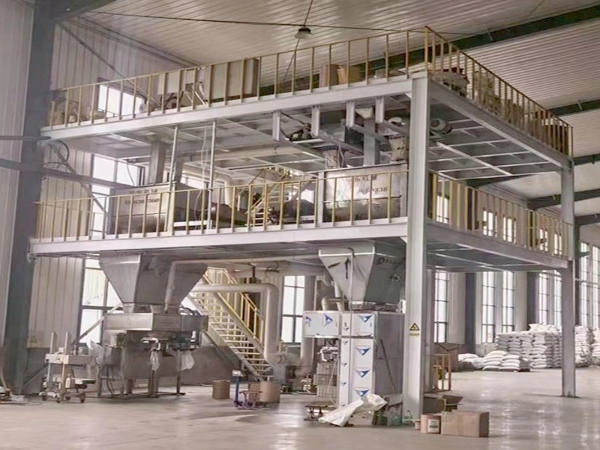
Water-soluble fertilizers are products. They are made to dissolve easily in water. This makes them very useful for giving exact nutrients to plants in farm systems. They work well with modern irrigation methods. Fertigation is one good example. In fertigation, nutrients go right into the irrigation water. Crops get a steady amount of key nutrients this way. The method helps plants take in nutrients better. It also reduces waste. This is why water-soluble fertilizers have become popular.
But making these fertilizers has used a lot of energy in the past. It could add to pollution in the environment. This happens through too much use of raw materials. It also comes from poor production ways and waste. Because of this, people now focus more on green ways to make water-soluble fertilizers.
The Environmental Impact of Traditional Fertilizer Production
Old ways to make water-soluble fertilizers can cause several bad effects on the environment. Here are some main problems.
Energy use is high. Old production ways need lots of energy. This adds to the carbon footprint of fertilizer making. The process uses a lot of fossil fuels. It leads to more greenhouse gas emissions.
Raw materials are used heavily. Regular fertilizers need mining for minerals. These include potassium, nitrogen, and phosphorus. Mining can destroy habitats. It causes soil erosion. It also pollutes water.
Water use is big. Fertilizer production needs much water. This puts pressure on fresh water supplies in many places. Too much water use in factories can make water shortage worse in some areas.
Waste is created a lot. During production, there is much waste. It comes as chemical leftovers, packaging, and unused parts. This waste may go to landfills. Or it gets released into nature. It can harm ecosystems.
Sustainable Solutions for Water Soluble Fertilizer Production
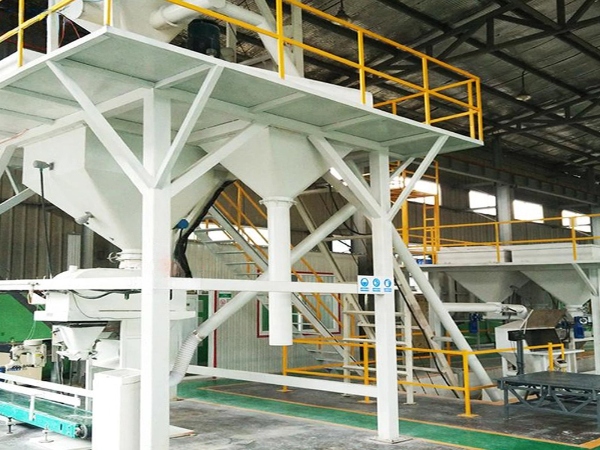
To fix these environmental problems with water-soluble fertilizer production, companies are trying new green practices. These ideas aim to lower energy use. They limit waste. They also make the whole production better. Here are some main ways to make water-soluble fertilizer production kinder to the earth.
1. Energy Efficiency in Production
Making production lines use energy better is a key step. It helps cut the environmental impact of water-soluble fertilizers. Using renewable energy sources helps a lot. Solar power and wind power are good choices. They lower the carbon footprint of production. Also, improving production steps is useful. Advanced technologies like energy recovery systems work well. Waste heat recovery does too. These cut energy loss.
For example, many new water-soluble fertilizer production plants use closed-loop systems. These systems recycle energy from the making process. They catch extra heat. Then they change it to energy that can be used again. This lowers the total energy needed in the plant.
2. Green Chemistry and Alternative Raw Materials
Companies use green chemistry rules. This reduces the bad effects of production. Green chemistry means using safe materials. They are renewable and break down easily. This cuts pollution and waste. For water-soluble fertilizers, it could mean using organic things. People avoid harsh chemicals and minerals that hurt nature.
Also, getting raw materials in a green way is important. Instead of mined minerals, factories use recycled stuff. They also try bio-based options. These bio-based fertilizers come from farm waste. They can come from algae or plant parts. This gives a green choice for feeding crops.
3. Water Conservation Measures
Saving water is very important. It helps lower the environmental impact of water-soluble fertilizer production. Making fertilizers needs lots of water. Water shortage is a big global issue. To fix it, companies use water-saving tech and ways in their factories.
One good way is water recycling. Wastewater from production gets cleaned. Then it is used again in the plant. This cuts the need for fresh water. It also lowers the wastewater released to nature. Plus, water-saving production systems help. They reduce evaporation and leaks. These save water resources.
4. Waste Minimization and Circular Economy Practices
Cutting waste is needed for green manufacturing. This includes water-soluble fertilizer production. Using waste reduction ways works well. These include better chemical mixes. They also use less packaging. And they improve production speed. All this lowers waste made during making.
Also, using circular economy ideas helps more. A circular economy means reuse, recycle, and repurpose materials. This cuts waste. It also lowers resource use. For example, recycling fertilizer packaging helps. Or turning production waste into material for other businesses. This closes the loop in fertilizer making. It reduces harm to the environment.
5. Advanced Fertilizer Formulation and Application Technologies
New fertilizer mixes are being made. These include controlled-release fertilizers. Slow-release fertilizers are another type. They make sustainability better. They cut nutrient leaching and runoff. These mixes release nutrients slowly over time. Plants take them in well. This lowers the chance of too much fertilizer. It also reduces water pollution.
Moreover, precision farming tech helps. Fertigation systems and soil sensors are examples. They let farmers use the right amount of fertilizer. This is for best crop growth. It cuts waste. It also lowers the environmental effect of fertilizer use.
Hebei Aoliande Chemical Equipment Co., Ltd. – A Leader in Sustainable Fertilizer Production
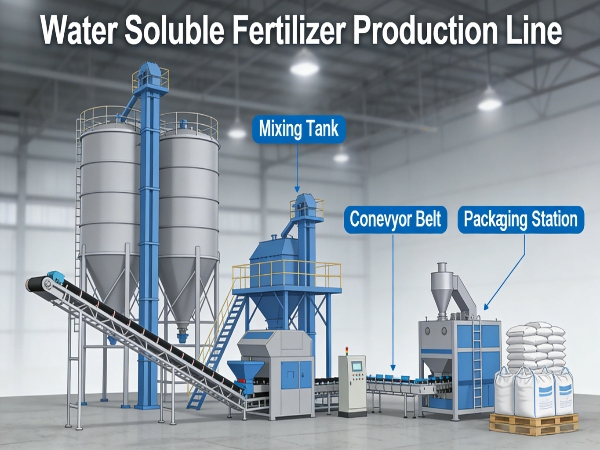
Hebei Aoliande Chemical Equipment Co., Ltd. is a well-known supplier. It provides water-soluble fertilizer production lines. The company focuses strongly on green sustainability. It works to give new, energy-saving solutions. These help lower the carbon footprint of fertilizer production. The firm uses advanced technologies. Examples are energy recovery systems. Water recycling processes are used too. Hebei Aoliande wants to make water-soluble fertilizer production greener and better for the earth.
The company’s water-soluble fertilizer production lines are built to use resources well. They cut waste. They also boost overall production. This focus on green ways has made Hebei Aoliande a good partner. Manufacturers who want to lower their environmental impact choose them. The company helps make operations more sustainable.
Вывод
Making water-soluble fertilizers is key for today’s farming. But it also brings big environmental challenges. By using green production ways, companies can lower the bad effects a lot. These ways include better energy use. Green chemistry helps too. Water saving and waste cutting are important. The use of these tech not only helps the environment. It also makes the farm industry last longer. Resources get used well and with care.
MEET Hebei Aoliande Chemical Equipment Co., Ltd.
Hebei Aoliande Chemical Equipment Co., Ltd. is at the front of these green efforts. It gives new solutions. These make water-soluble fertilizer production kinder to nature. With the growing need for green farming, putting money in these new production lines is a good step. It leads to a cleaner and more lasting future for farming.
Часто задаваемые вопросы
1. What are water-soluble fertilizers, and why are they important?
Water-soluble fertilizers are nutrients. They dissolve easily in water. Farmers deliver them to plants through irrigation systems. They are important. They give exact and good nutrient delivery. This helps plant growth. It also cuts nutrient waste.
2. How can water-soluble fertilizer production be made more sustainable?
People can make the production of water-soluble fertilizers greener. They use energy-saving steps. Renewable raw materials help. Water saving ways work. Waste cutting is key. Advanced fertilizer mixes also aid.
3. What is the role of green chemistry in water-soluble fertilizer production?
Green chemistry uses friendly and safe materials in fertilizer making. This lowers the bad effect of the manufacturing process. It cuts pollution and waste.
4. How can precision agriculture help reduce the environmental impact of fertilizers?
Precision agriculture uses new tech. Fertigation and soil sensors are examples. They help apply fertilizers better. This cuts too much use of fertilizers. It lowers waste. It also reduces nutrient runoff into nature.
5. Why should companies invest in sustainable fertilizer production lines?
Companies should put money in green fertilizer production lines. This helps them lower their environmental impact. It improves how they use resources. It meets the growing need for earth-friendly farm solutions. In the end, it leads to better profits and lasting success.