
Wastewater treatment plants operate in some of the most challenging environments for piping systems. Pipes are constantly exposed to corrosive chemicals, high humidity, biological activity, and abrasive materials. Because of these harsh conditions, choosing the right piping material is critical for long-term performance and cost control.
In recent years, fiberglass reinforced plastic (FRP) pipes have become a popular solution for wastewater facilities around the world. Many engineers and plant managers now prefer fiberglass over traditional materials like steel or concrete. But why exactly are fiberglass pipes used in wastewater plants?
In this article, I’ll walk through the key reasons, real-world benefits, and typical applications of fiberglass pipes in wastewater treatment systems.
Understanding Fiberglass Pipes
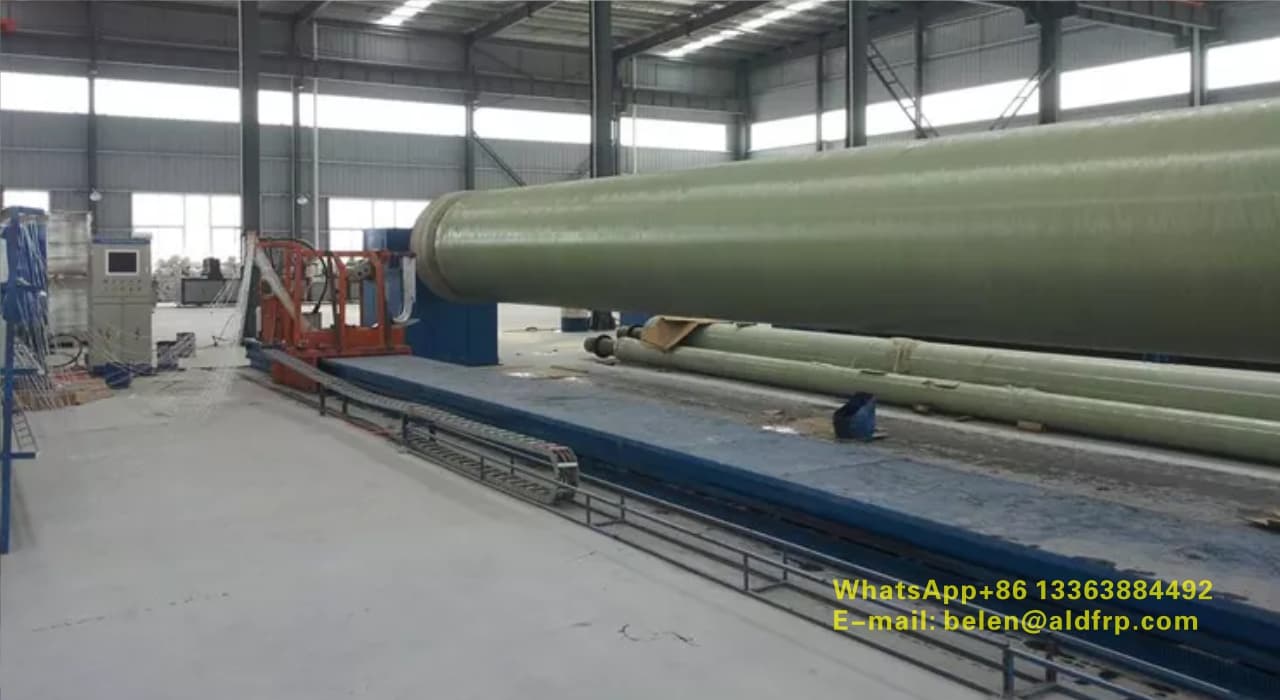
Fiberglass pipes—often called FRP pipes—are composite pipes made from glass fibers combined with resin. The glass fibers provide mechanical strength, while the resin acts as a protective matrix that binds the fibers together and shields the pipe from chemicals and moisture.
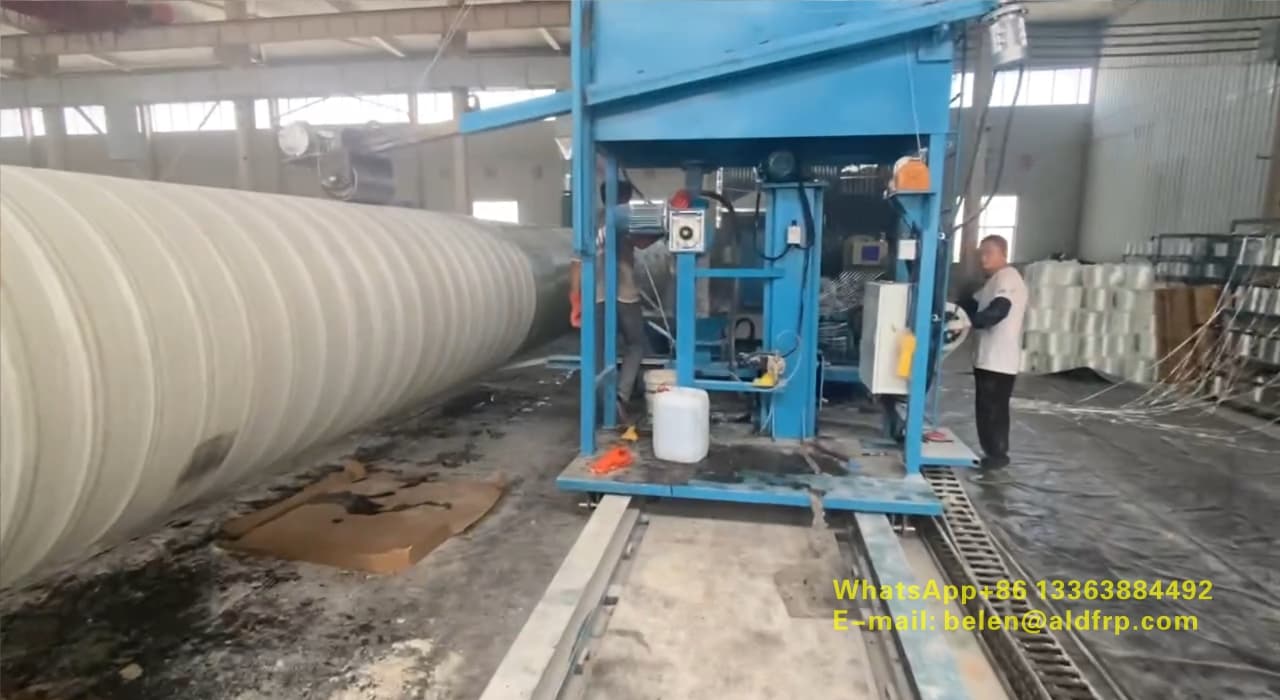
These pipes are usually manufactured through processes such as filament winding or centrifugal casting. The manufacturing process allows engineers to control fiber orientation and wall thickness, which helps optimize the pipe’s strength and performance.
Because of this design flexibility, fiberglass pipes are well suited for environments where traditional materials may fail over time.
Key Reasons Why Fiberglass Pipes Are Used in Wastewater Plants
1. Excellent Corrosion Resistance
One of the biggest reasons fiberglass pipes are used in wastewater plants is their outstanding resistance to corrosion.
Wastewater systems contain a mixture of chemicals, bacteria, and gases. One particularly problematic gas is hydrogen sulfide, which can convert into sulfuric acid inside pipelines. This acid can quickly damage steel or concrete pipes.
Fiberglass pipes, however, are naturally resistant to many corrosive substances, including acids and salts. The resin layer protects the pipe structure from chemical attack, allowing the pipes to operate reliably for many years.
In practical terms, this means fewer pipe failures and much lower maintenance costs.
2. Long Service Life
Wastewater infrastructure is designed to last decades. Frequent pipe replacement is expensive and disruptive to operations.
Fiberglass pipes are known for their long service life. In many wastewater plants, these pipes can last 30 to 50 years or more under normal operating conditions.
Unlike metal pipes, fiberglass does not rust. It also resists many forms of chemical degradation that commonly affect concrete pipelines.
From my experience, many municipalities choose fiberglass specifically because they want a solution that will perform reliably for decades with minimal maintenance.
3. Lightweight and Easy Installation
Another important advantage is weight.
Fiberglass pipes are significantly lighter than steel or concrete pipes. In some cases, they weigh only about one quarter as much as comparable steel pipes.
This lighter weight provides several practical benefits:
-
Easier transportation to construction sites
-
Faster installation
-
Reduced need for heavy lifting equipment
-
Lower labor costs
For large wastewater infrastructure projects, these installation advantages can translate into major cost savings.
4. Smooth Internal Surface
Hydraulic efficiency is an important factor in wastewater systems. Pipes must transport large volumes of water, sludge, and solids without excessive friction.
Fiberglass pipes have a very smooth internal surface compared with many traditional materials. This smoothness reduces friction loss and helps maintain consistent flow rates.
Over time, some materials develop rough surfaces due to corrosion or scaling. Fiberglass pipes tend to maintain their smooth interior for many years, which helps keep the system running efficiently.
This characteristic can even reduce the energy required for pumping wastewater through the system.
5. High Strength-to-Weight Ratio
Despite being lightweight, fiberglass pipes are very strong.
The combination of glass fibers and resin creates a composite structure with excellent mechanical properties. Engineers can also adjust the fiber orientation during manufacturing to improve resistance to internal pressure or external loads.
This means fiberglass pipes can handle:
-
Underground burial loads
-
Internal fluid pressure
-
Soil movement and vibration
The high strength-to-weight ratio makes fiberglass suitable for many structural piping applications in wastewater treatment plants.
6. Low Maintenance Requirements
Maintenance costs are a major concern for wastewater facilities.
Steel pipes may require protective coatings, cathodic protection systems, or periodic repainting to prevent corrosion. Concrete pipes may require lining repairs or replacement.
Fiberglass pipes require much less maintenance because they are inherently resistant to corrosion and chemical damage.
This reliability allows plant operators to focus on treatment processes instead of constant pipe repairs.
7. Flexibility in Pipe Design
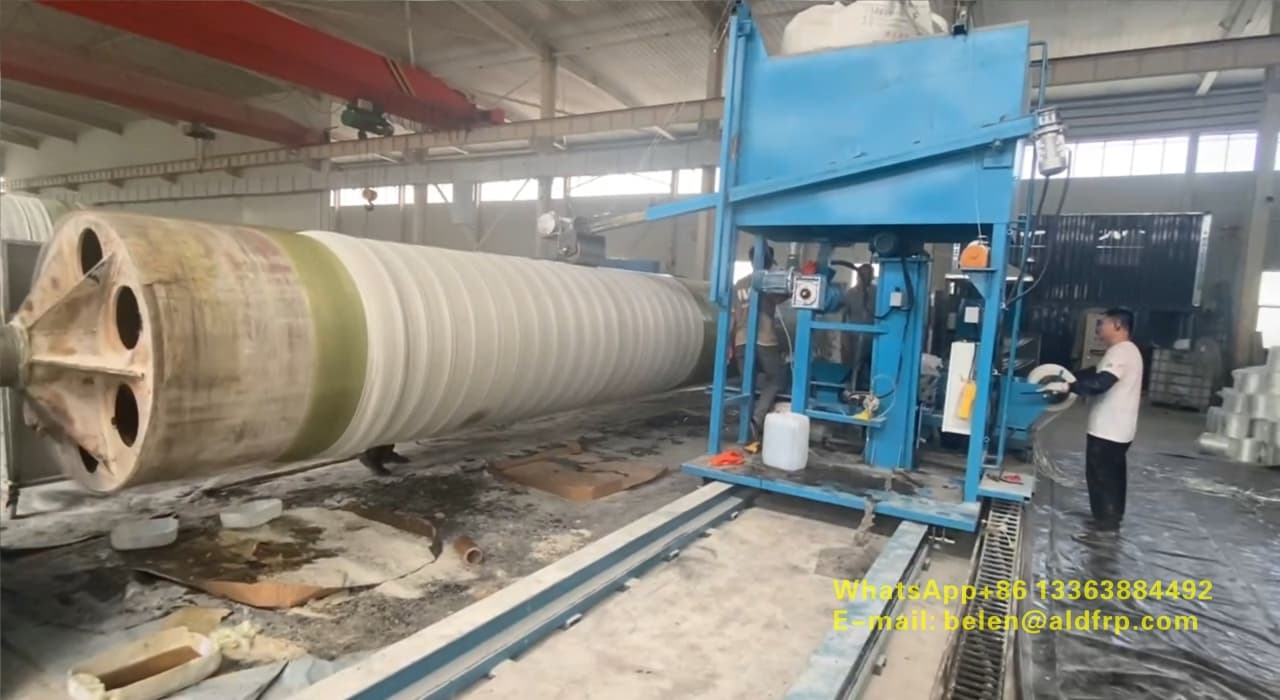
Fiberglass pipes can be manufactured in a wide range of diameters, lengths, and pressure ratings.
This flexibility makes them suitable for many different wastewater applications, including both small treatment plants and large municipal systems.
Manufacturers can also produce special fittings, elbows, and flanges that integrate seamlessly into complex piping networks.
As a result, fiberglass piping systems can be customized to match the specific needs of each wastewater facility.
Common Applications of Fiberglass Pipes in Wastewater Plants
Fiberglass pipes are used in many different parts of wastewater treatment systems.
Some typical applications include:
1. Influent and Effluent Pipelines
These pipes transport wastewater into and out of the treatment plant.
2. Chemical Dosing Systems
Fiberglass pipes are ideal for transporting chemicals used in treatment processes, such as acids or coagulants.
3. Sludge Transport Pipelines
The abrasion resistance of fiberglass helps handle sludge and other solid materials.
4. Aeration Systems
Fiberglass piping can be used to deliver air to aeration tanks.
5. Odor Control Systems
Corrosion-resistant pipes are essential in systems handling hydrogen sulfide and other gases.
Because fiberglass performs well in corrosive and humid environments, it has become a preferred material in many of these applications.
Environmental Benefits
In addition to performance advantages, fiberglass pipes also offer environmental benefits.
Longer service life means fewer pipe replacements, which reduces material consumption and construction waste over time.
Their smooth interior surface can also improve pumping efficiency, which may reduce energy consumption in wastewater transport systems.
As municipalities focus more on sustainability, these factors are becoming increasingly important in infrastructure design.
Заключительные мысли
Wastewater treatment plants require piping systems that can withstand corrosion, chemical exposure, and demanding operating conditions. Fiberglass pipes meet these requirements while offering additional advantages such as lightweight construction, long service life, and low maintenance.
For these reasons, many engineers and municipalities now consider fiberglass piping one of the most reliable solutions for wastewater infrastructure.
As wastewater treatment technologies continue to evolve, fiberglass pipes will likely remain a key component in building durable and efficient treatment systems for the future.