
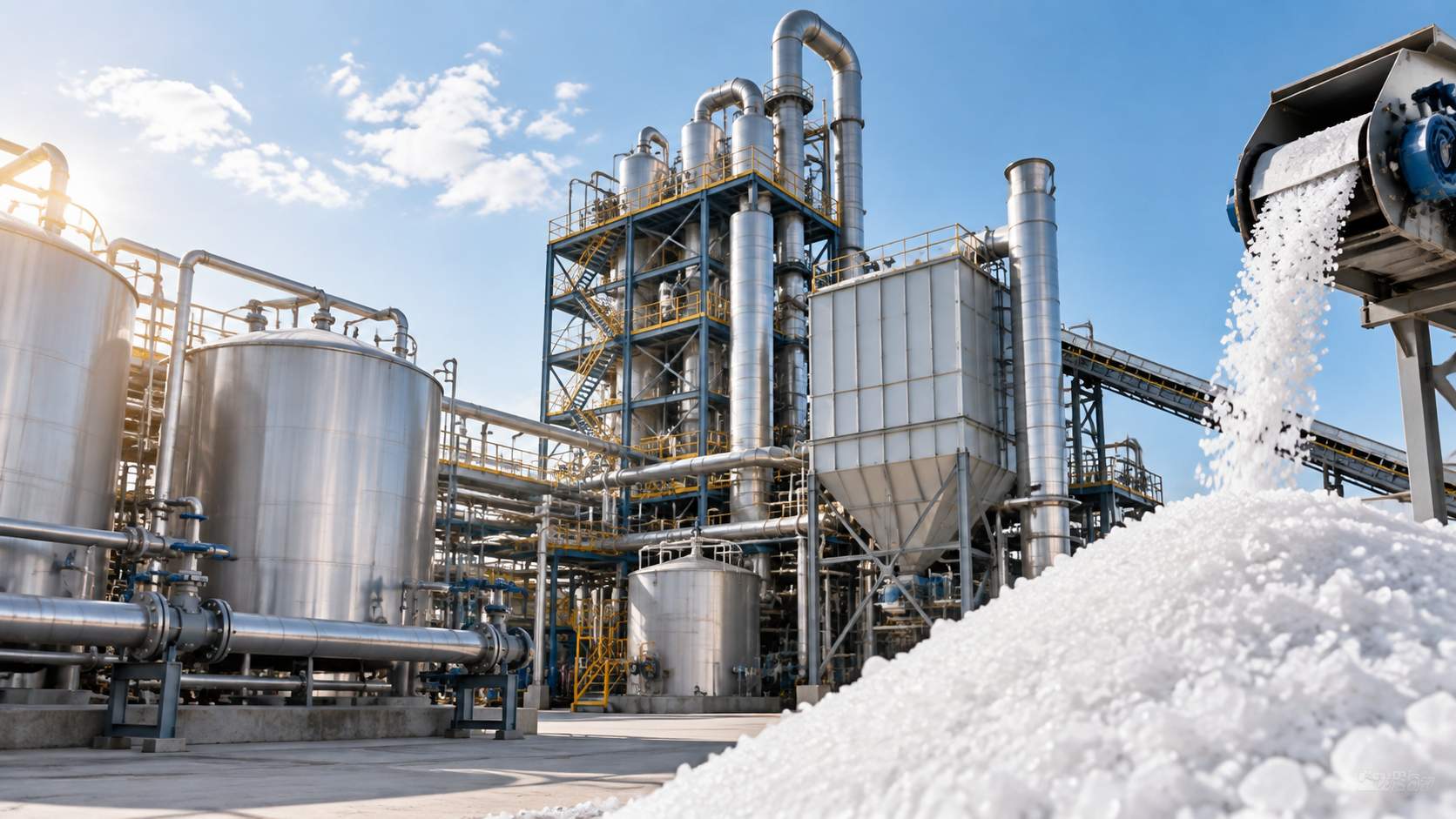
Corrosion-safe calcium chloride production begins with feed analysis, temperature control, material selection, and a maintenance plan that follows the actual chloride and acidity profile. A calcium chloride production line can include reaction, clarification, filtration, evaporation, drying, and granulation, but each section sees a different combination of chloride, water, heat, and solids.
Why Chloride Service Needs a Section-by-Section Review
Calcium chloride is highly soluble and can remain concentrated as water is removed. If free acid or oxidizing impurities are present, the corrosion risk changes again. A carbon-steel tank that performs acceptably with a dilute neutral solution may fail near an acid feed nozzle, a hot evaporator surface, or a wet dust collector.
| Process area | Main corrosion driver | Design and operating check |
| HCl storage and transfer | Chloride, acid strength, temperature | Compatible lining, sealed pump, drainability |
| Neutralization | Acid plus wet solids and heat | Mixing, dosing point, local temperature |
| Clarification and filtration | Chloride liquor and abrasive solids | Allowance, gasket choice, wash cycle |
| Evaporation | Concentrated hot chloride solution | Heat-transfer material, scaling, inspection |
| Dryer and cooler | Wet fines, dust, condensate | Air path, insulation, cleanout access |
The table is a starting screen, not a material certificate. The final selection should use measured feed composition, temperature, residence time, velocity, cleaning chemicals, and the consequences of a leak.
Control the Feed Before Selecting Materials
Record HCl concentration, calcium source, iron, magnesium, suspended solids, temperature, and any oxidizing or organic contaminants. The same nominal recipe can produce a different corrosion environment when a by-product acid stream changes supplier or residence time.
Storage tanks need a sampling point that does not expose operators to splashing. Keep incompatible materials separated during unloading. A short pipe run with a wrong gasket can become the first leak even when the main tank is correctly lined.
Density checks help operators spot a shift, but laboratory titration confirms acid strength. Link each tank lot to the reaction batch, dosing rate, and later product result. That record makes it easier to distinguish a material problem from an overfeed or a blocked line.
Neutralization: Heat, Mixing, and Local Attack
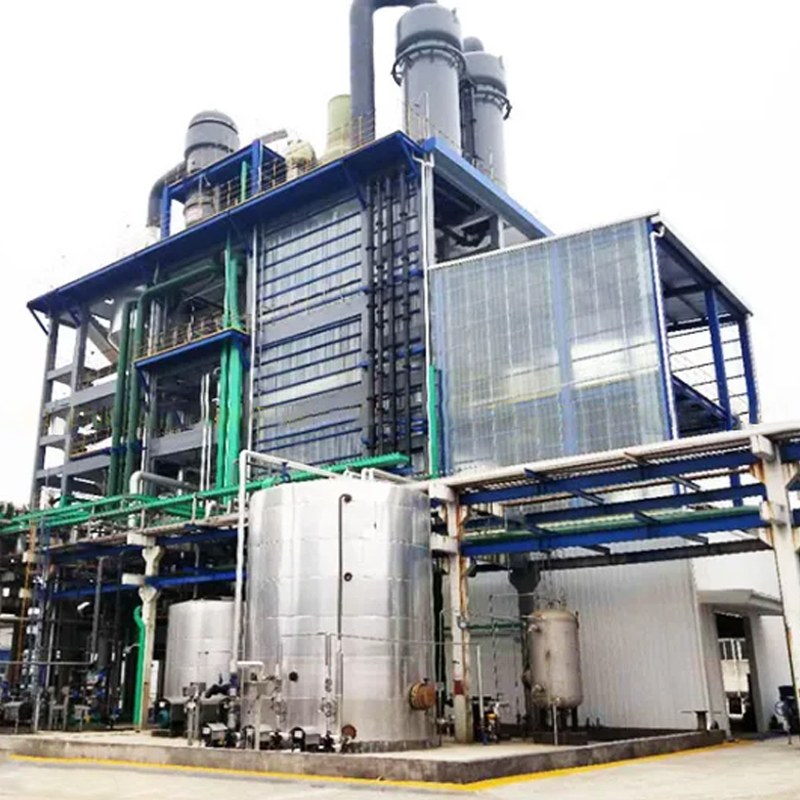
Neutralization releases heat. If acid enters a poorly mixed zone, the local pH and temperature can be very different from the vessel average. Nozzle placement, agitation, feed dilution, and residence time matter as much as the vessel material.
Use a controlled addition rate and verify that the agitator is operating before acid flow starts. A temperature probe near the feed point can identify a hot pocket that a top-mounted probe misses. Provide a flush connection that can be isolated and drained; stagnant chloride liquor in a dead leg is an avoidable attack point.
When limestone or another calcium source contains insolubles, the solids can abrade elbows, valves, and pump casings. Keep line velocities within the equipment design range and avoid sharp changes in direction. Inspect the first elbow after a slurry pump because it often combines impact with corrosion.
Clarification, Filtration, and Wet Solids
Clarifiers and filters handle a chloride liquor that may contain precipitated hydroxides, unreacted minerals, and fine carbon. Settled solids can hold acidic liquid against a metal surface long after the main batch has been drained. Cone outlets, wash connections, and complete drainability reduce that exposure.
Filter cloths, plates, housings, and gaskets should be selected together. A chemically compatible plate is not enough if the gasket swells and creates a bypass leak. Differential pressure trends show both process loading and possible structural damage. Sudden pressure loss with unchanged flow deserves an inspection.
Sludge handling is part of corrosion control. A dewatering step that leaves wet cake on a carbon-steel floor may cause more building damage than the clarifier itself. Use curbs, coated drains, and a defined route to neutralization or disposal.
When the line changes grade, hold a short flush and inspection period instead of sending the first unstable liquor directly to the evaporator. Record the condition of the filter cake and the clarity of the overflow. These two observations often reveal whether a corrosion concern began with chemistry, solids carryover, or an equipment seal.
Evaporation and Concentrated Liquor
Evaporation raises chloride concentration and surface temperature. Scaling reduces heat transfer, which can push operators to raise steam temperature and increase the wall temperature further. The safer response is to manage concentration, circulation, cleaning frequency, and heat-transfer approach together.
Specify tube, plate, gasket, weld, and instrument materials for the actual liquor. Include inspection access for the hottest zone and the first surface downstream of a feed distributor. A sample of final liquor should be checked for free acid, calcium chloride concentration, suspended solids, and trace metals before a material decision is finalized.
Do not hide corrosion under thick insulation. Use removable sections or inspection points at valves, flanges, supports, and low points where condensate can collect. Insulation cladding should shed wash water rather than channel it toward a support.
Drying, Cooling, and Product Dust
Dryers and coolers are exposed to wet chloride dust, humid air, and periodic washdown. A leak in a hot gas duct can pull chloride-bearing moisture into the insulation or fan housing. Keep the gas path sealed and give operators a clear cleanout procedure.
At granulation, atomization and seed circulation affect where fines settle. Fines that remain damp are more aggressive than a dry product, especially around access doors and flexible connections. The granulator, cooler, and dust route should be reviewed as one system.
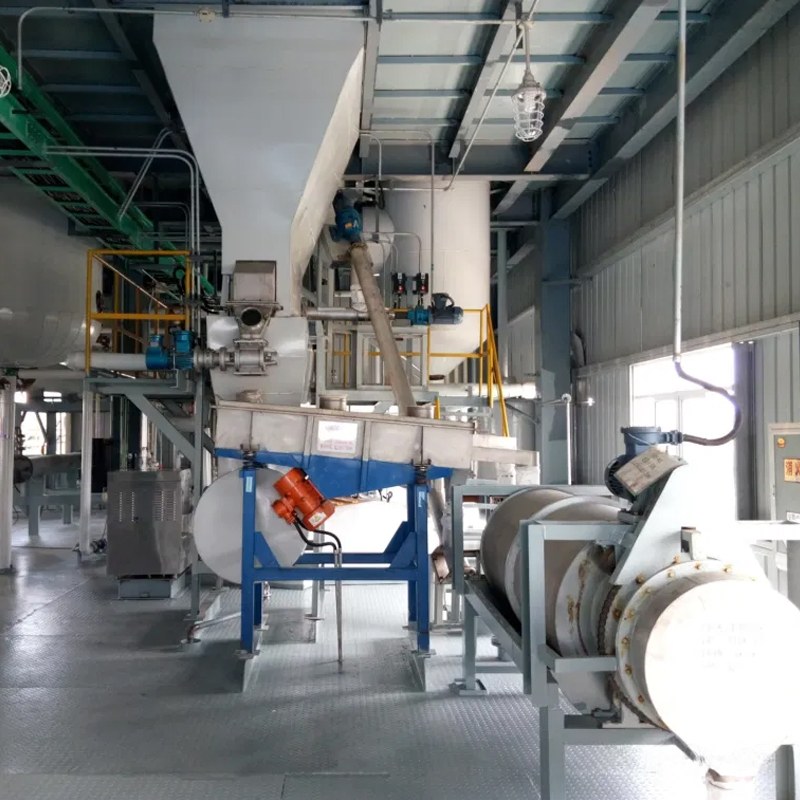
Use corrosion-resistant fasteners and provide a way to replace flexible sleeves without dismantling a complete duct. Keep wash water out of electrical enclosures and place drain points below low sections of the air path.
Monitoring and Maintenance Plan
- Check acid strength, density, temperature, and free acidity by defined sampling points.
- Trend pump current, filter differential pressure, evaporator approach temperature, and dryer exhaust condition.
- Inspect gaskets, supports, welds, low points, nozzles, and insulation edges on a fixed route.
- Record leaks by location, chemistry, operating condition, and repair material.
An inspection plan should rank areas by consequence and access difficulty. A small drip above a walkway needs immediate control even if the wall loss is minor. A hidden low point may need thickness checks before symptoms appear. Keep spare gaskets and compatible repair materials identified by service, not by appearance.
Include a shutdown inspection after any long idle period. Chloride liquor left in a low point can concentrate as water evaporates, while a dry vessel can collect hygroscopic dust that becomes aggressive during the next wash. The restart checklist should confirm drains are open, insulation is dry, and temporary blanks or hoses have been removed.
Review the inspection findings at each production meeting. If a gasket fails twice at the same nozzle, changing the gasket brand alone is not a root-cause review. Check flange alignment, bolt load, thermal movement, splash direction, and whether the connection is being opened while the line is still wet.
Supplier Data and Project Boundaries
Share acid source, concentration range, impurities, calcium source, target product form, throughput, operating temperature, cleaning chemicals, utilities, building layout, and wastewater route. Buyers can review calcium chloride equipment information and send a project inquiry with these details.
Hebei Aoliande Chemical Equipment Co., LTD. can define reaction, purification, evaporation, drying, and granulation equipment around the stated feed and corrosion conditions. The supply boundary should name materials, linings, gaskets, inspection points, commissioning checks, and operator training.
Conclusion
Corrosion safety comes from matching material, chemistry, temperature, velocity, drainage, and inspection access in every process section. Feed testing prevents a false design basis; mixing and heat control protect the reaction zone; cleanable, drainable equipment limits hidden exposure. Treat leaks as process evidence and update the operating envelope when the feed changes.
FAQs
What causes corrosion in calcium chloride plants?
Chloride concentration, free acid, temperature, wet solids, oxygen, cleaning chemicals, and stagnant liquor can act together. The highest-risk point is not always the hottest vessel.
Can carbon steel be used in calcium chloride service?
It may be suitable for selected conditions, but the decision needs actual concentration, temperature, acidity, velocity, and inspection data. Do not generalize from one tank to the whole line.
Why does neutralization need local temperature checks?
Acid and calcium source can create a hot, low-pH pocket before mixing is complete. A vessel-average reading may miss the condition at the feed nozzle.
How should a corrosion problem be investigated?
Map the exact location, sample the liquor, review recent feed and cleaning changes, inspect flow and temperature records, and compare the failed material with the specified service.