
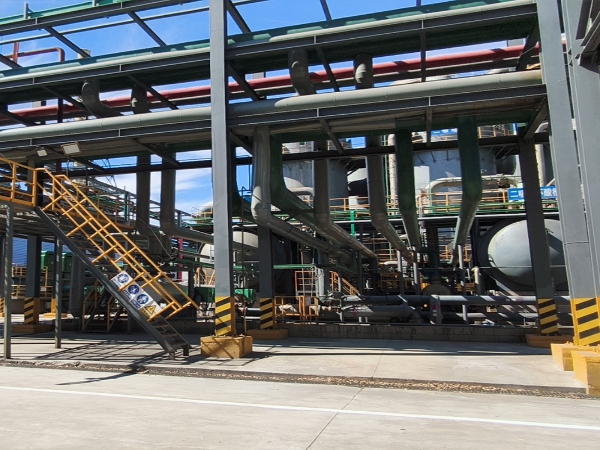
 Sulfuric acid is a very key chemical. Many industries use it every day. These industries include fertilizer production. They also include petroleum refining. Chemical production needs it as well.
The process for making sulfuric acid depends a lot on the catalyst in the converter. It must work well. As time passes, the catalysts lose their strength. This causes problems. Some problems are deactivation. Others are poisoning. There can be an odd pressure drop too. These things hurt the plant’s overall work in the end. It is very important to know the right time to replace your sulfuric acid catalyst. This keeps the operations steady. It also avoids expensive stops in production.
In this piece, we will check seven main warning signs. These signs point out when it may be time to replace your sulfuric acid catalyst. They let you catch issues soon. Your plant can stay working well and keep up good output.
Understanding Sulfuric Acid Catalyst Deactivation
It is useful to know what catalyst deactivation really is before we look at the signs. Catalysts in sulfuric acid production help turn SO₂ into SO₃. This step is part of the contact process. But as years go by, these catalysts do not work as good as they did. Many reasons lead to this. One reason is dirt from outside. Another is poisoning. Long use can wear them out too. This wearing out is called deactivation.
Deactivation of the sulfuric acid catalyst can cause a large fall in how well the conversion works. When the catalysts lose their power, the plant has a hard time making sulfuric acid at the needed rates. This hurts the work. It may use up more energy. It can raise emissions higher. The quality of the product may drop as well. Because of this, it helps to understand when to replace the catalyst. It stops these bad things. The plant keeps running smoothly.
Now that we have this basic understanding, we can move on to the warning signs.
Warning Signs of Sulfuric Acid Catalyst Deactivation
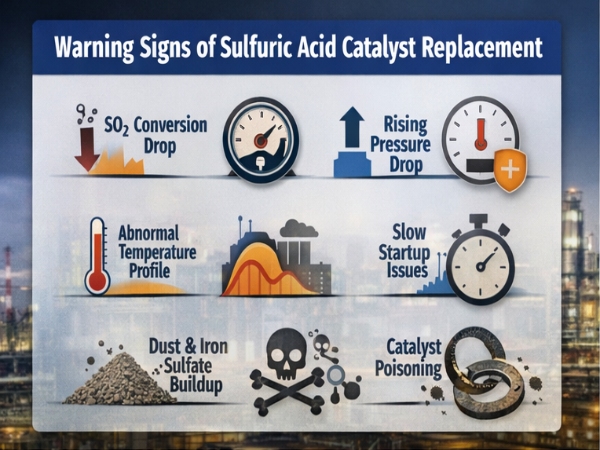
There are seven important warning signs. They show that the sulfuric acid catalyst may need replacement. Watching for them helps keep the plant in good shape.
SO₂ Conversion Drops or Tail Gas Emissions Start Rising
One of the first signs is easy to see. It shows up soon. The SO₂ conversion rate falls. If the catalyst loses its power, it does not change SO₂ to SO₃ very well. The process is not smooth. This leads to lower conversion rates overall. More SO₂ stays in the tail gas. The emissions begin to go up. This is a clear sign. It means the catalyst is not performing as it should.
Pressure Drop Across the Catalyst Bed Increases
Another sign is important to watch. The pressure drop across the catalyst bed goes up in an odd way. As the catalyst gets blocked with dust or scale or other things, it stops the gas flow. The gases cannot move easily through the reactor. This causes higher pressure drop. It may also mean the catalyst or its support has physical damage. You need to check the pressure drop often. This helps catch early fouling or wear.
The Converter Temperature Profile Becomes Abnormal
The catalyst helps keep the right temperatures in the converter. If it loses activity, the temperature profile changes in strange ways. Some spots in the bed get hotter. Other spots get cooler. This makes the conversion less efficient. It can be a signal for replacement or better setup. Odd temperature profiles show the catalyst is not helping the reaction as it once did.
Startup Becomes Slower, Harder, or Less Stable Than Before
The startup process can change too. It may take longer. It can be more difficult. It might not be as steady as it was. A weak catalyst needs more time to reach the right heat. It may act differently during startup. These changes are often early clues. They tell you the catalyst is not at full power. It may need new material or freshening up.
Dust, Scale, or Iron Sulfate Begins to Cover or Plug the Bed
Over time, dust and scale or iron sulfate build up on the catalyst bed. These things cover the surface. They plug the spaces. This cuts the active area of the catalyst. The catalyst cannot do its job well. If the bed gets too clogged, you may clean it. But often, the catalyst needs full replacement.
Catalyst Poisoning Appears From Arsenic, Chlorides, Fluorides, or Heavy Metals
Poisoning is a usual problem in sulfuric acid work. The catalyst can pick up bad stuff like arsenic or chlorides or fluorides or heavy metals. These bind to the active parts. This makes the catalyst less effective. When poisoning shows, you must replace the catalyst. This brings back good performance. Watch for odd gas mixes or low conversion. These warn you of poisoning. It stops total failure.
Sampling or Inspection Shows Vanadium Loss, Broken Rings, Fines, or Loss of Strength
You should check the catalyst with samples and inspections often. This gives good info on its state. You may see vanadium loss. There could be broken rings. Fines may appear. The strength may be gone. These show the catalyst is breaking down. If it cannot take the reaction stresses, replace it. Regular checks find these early. They stop sudden stops in work.
These warning signs are useful. They help plant workers act in time. But it is also good to know what leads to deactivation.
What Actually Causes Sulfuric Acid Catalyst Deactivation?
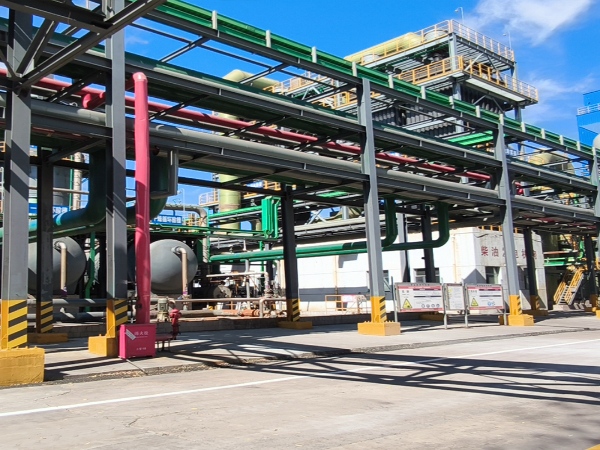
Several things lead to the deactivation of sulfuric acid catalysts. Knowing these can help operators reduce risks. They can make the catalyst last longer too. Here are some main causes.
- Thermal Deactivation: High heat can break down the catalyst slowly. It loses activity. This is worse if the converter temperatures go beyond what the catalyst can handle.
- Mechanical Damage: Physical wear happens from dust rubbing or sudden shocks. This damages the catalyst. It lowers how well it works.
- Chemical Poisoning: Contaminants like arsenic or chlorides or heavy metals poison it. They make it useless in the end.
- Fouling: Dust or scale or other materials pile up. This blocks the active spots. The catalyst cannot help the reaction as before.
Now we know the causes. We can think about ways to make the catalyst last longer.
How to Extend the Life of Your Sulfuric Acid Catalyst
Catalyst deactivation will happen someday. But you can take steps to make it last longer. This delays the need for replacement.
- Improve Gas Cleaning: Make sure the gases going into the reactor have no bad stuff. This stops poisoning and fouling.
- Control Moisture and Acid Mist: Moisture and acid mist can hurt the catalyst. Good control of these protects it from wear.
- Optimize Temperature Profiles: Keep the temperatures in the converter at the best levels. This avoids thermal damage. The catalyst works its best.
- Regular Sampling and Inspection: Check the catalyst often. This finds problems soon. You can fix or replace at the right time.
Why Production Line Design Also Affects Catalyst Life
The way the sulfuric acid production line is built matters a lot for catalyst life. Some parts of the design help the catalyst work longer. These include the temperature control in the reactor. They also include how gases spread out. Heat recovery systems play a role too. A good design lets the catalyst run at top level for more time.
A bad design can make deactivation happen faster. It may have uneven heat spread. Gas flow may have issues. Cleaning systems might not be enough. So it is smart to use high quality equipment. Good design helps a lot. It cuts down how often you need replacements.
With good care and design, plants can run better.
About Hebei Aoliande Chemical Equipment Co., Ltd.
هيبي Aoliande المعدات الكيميائية المحدودة is a top supplier of خطوط إنتاج حمض الكبريتيك. The company focuses on design and making high quality equipment for sulfuric acid plants. They have many years in the chemical field. Aoliande offers new technology and good solutions. These help sulfuric acid plants around the world work at their best. They also last longer.
استنتاج
Good care and quick replacement of sulfuric acid catalysts are needed. They keep the production plants working well. Watch for signs like lower SO₂ conversion. Check for higher pressure drop. Look at odd temperature profiles. Notice poisoning or fouling. These tell you it is time for new catalyst. Regular checks and clean gases help. Good moisture control is key. The production line design should be right too. All this makes the catalyst last longer. It improves the whole plant.
الأسئلة الشائعة
How long does sulfuric acid catalyst usually last?
The life of a sulfuric acid catalyst depends on many things. These include how it runs and what contaminants are there. Temperature matters too. In general, a catalyst lasts from three to five years. But it may need replacement or freshening sooner. This happens if it shows deactivation or poisoning signs.
What causes sulfuric acid catalyst poisoning?
Poisoning usually comes from bad contaminants. These include arsenic or chlorides or fluorides or heavy metals. They stick to the active spots on the catalyst. This lowers how well it works.
Why does pressure drop increase in a sulfuric acid converter?
The pressure drop goes up because of fouling. Dust or scale or iron sulfate blocks the way. Gases face more resistance. This lowers efficiency.
Can sulfuric acid catalyst be screened instead of replaced?
Sometimes you can screen and clean the catalyst. This brings back some performance. But if damage is bad or poisoning is deep, you need to replace it fully.
How do you know if vanadium catalyst is losing activity?
You see signs of loss in activity. The SO₂ conversion falls. Temperature profiles look wrong. Startup is poor. Regular samples and checks catch these early.