
FRP Chemical Storage Tank: Durable and Safe Solution for Industrial Chemicals
Storing chemicals safely is one of the most critical challenges in industrial operations. Over the years, I’ve seen chemical plants and wastewater facilities struggle with steel tanks that corrode quickly or concrete tanks that crack under chemical attack. That’s where a FRP chemical storage tank comes in as a reliable, long-lasting alternative.
Fiberglass Reinforced Plastic (FRP) tanks are engineered to resist corrosion, withstand chemical reactions, and provide structural integrity. In this article, I’ll share insights on what makes FRP chemical storage tanks the preferred choice, how they are manufactured, their advantages, and key considerations when selecting one.
What Is an FRP Chemical Storage Tank?
إن FRP chemical storage tank is a tank made from fiberglass reinforced plastic—a composite of glass fibers and thermosetting resin. This combination gives the tank high strength, lightweight construction, and exceptional resistance to chemical corrosion.
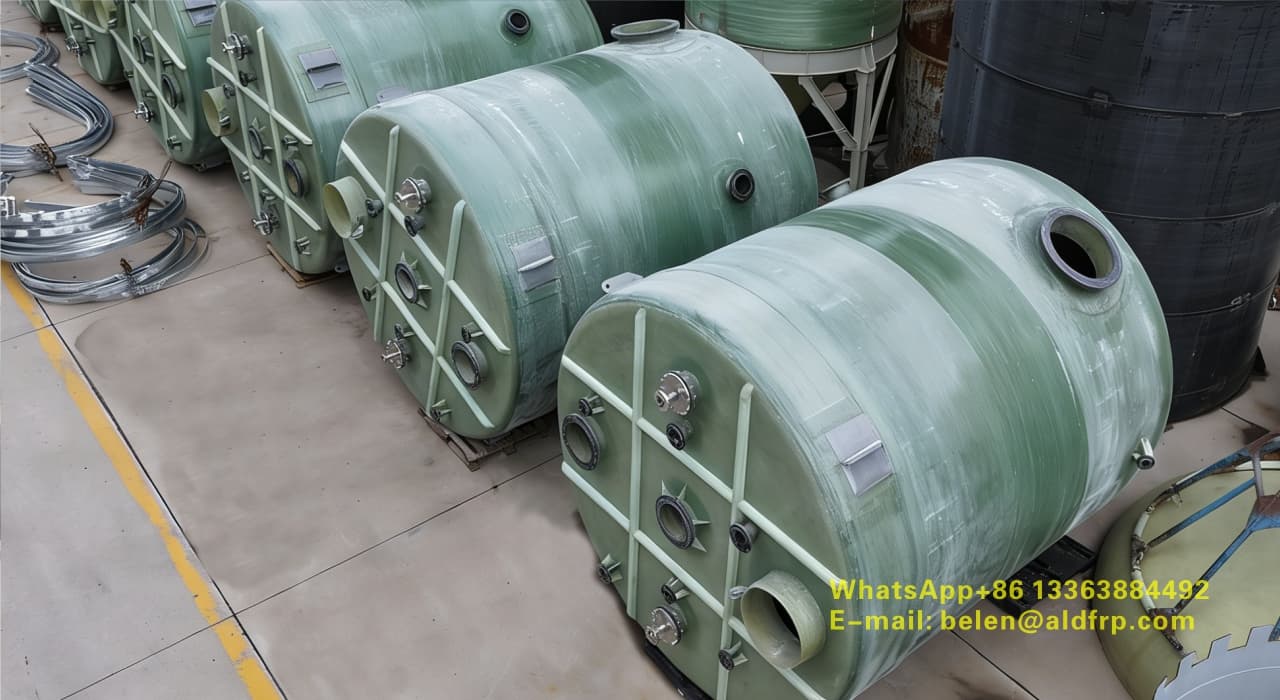
These tanks are designed to safely store a wide range of industrial chemicals, including:
-
Sulfuric acid
-
Hydrochloric acid
-
Nitric acid
-
Alkalis and caustic solutions
-
Other corrosive industrial liquids
Because FRP naturally resists corrosion, it eliminates many problems associated with steel or concrete tanks, such as rust, leaks, or costly maintenance.
Manufacturing Process of FRP Chemical Storage Tanks
The manufacturing of an FRP chemical storage tank involves advanced composite techniques to ensure durability and chemical resistance.
1. Filament Winding
This method is commonly used for large industrial tanks. Continuous fiberglass fibers are impregnated with resin and wound onto a rotating mandrel at precise angles. Multiple layers build up the tank wall to the required thickness. Once cured, the result is a strong, seamless tank capable of handling corrosive chemicals safely.
2. Hand Lay-Up
For smaller or custom tanks, technicians manually apply layers of fiberglass and resin onto a mold. This process allows for complex shapes, multi-layer reinforcement, and integration of fittings such as nozzles, vents, or baffles.
Many FRP manufacturers combine these two methods to produce tanks optimized for both chemical resistance and structural strength.
Design Features of FRP Chemical Storage Tanks
High-quality FRP chemical storage tanks typically include:
-
Corrosion-Resistant Inner Layer: Protects against chemical attack and prolongs tank life.
-
Structural Layer: Provides strength to handle liquid pressure and environmental stress.
-
Outer Protective Layer: Shields the tank from UV rays, physical damage, and external moisture.
-
Custom Fittings: Includes manholes, vents, and baffles designed according to operational requirements.
These design features ensure both safety and operational efficiency in demanding chemical environments.
Advantages of Using FRP Chemical Storage Tanks
Here’s why industries increasingly prefer FRP chemical storage tanks over steel or concrete tanks:
1. Superior Corrosion Resistance
FRP tanks resist acids, alkalis, and other corrosive chemicals naturally, reducing the risk of leaks or contamination.
2. Long Lifespan
When properly designed and maintained, FRP chemical storage tanks can last 20–30 years, even under harsh chemical exposure.
3. Lightweight Construction
FRP tanks are significantly lighter than steel or concrete tanks of similar capacity, making transportation and installation easier.
4. Low Maintenance Requirements
Unlike steel tanks, which need regular coating and inspection, FRP tanks require only routine visual checks to ensure safe operation.
5. Customizable Design
From size and shape to wall thickness and chemical compatibility, FRP tanks can be customized to meet specific facility requirements.
Applications of FRP Chemical Storage Tanks
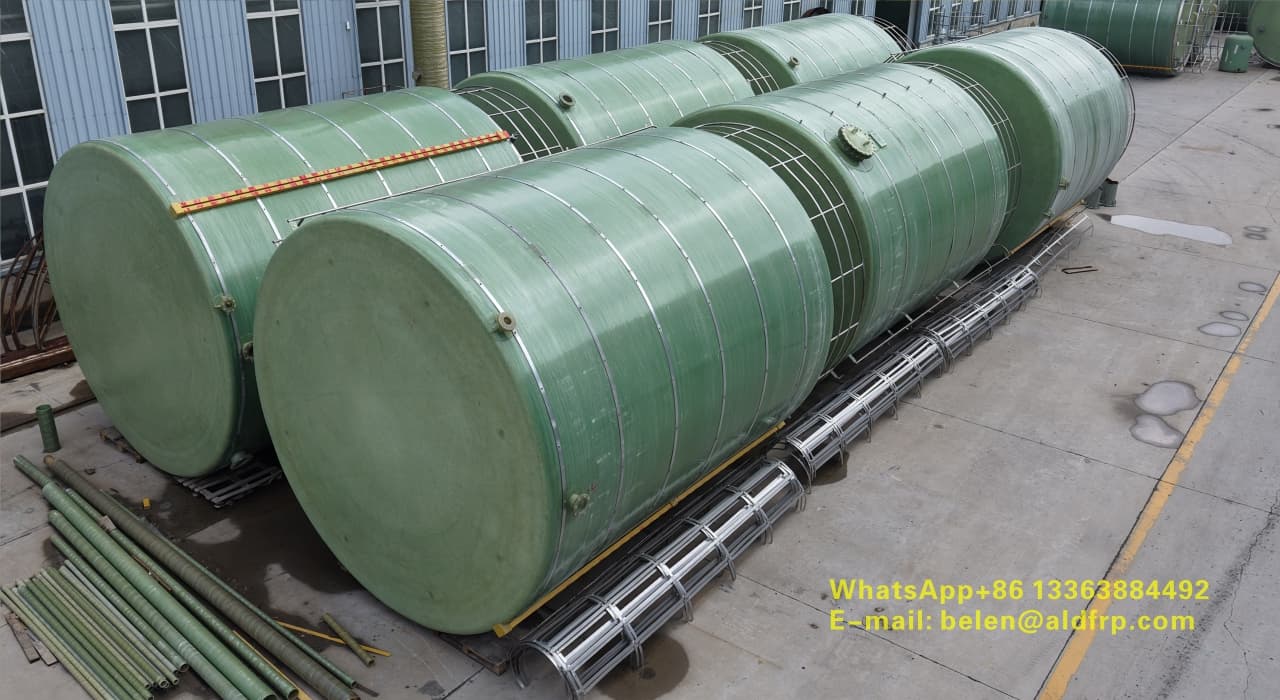
FRP chemical storage tanks are versatile and used across a wide range of industries:
-
Chemical Manufacturing: Safe storage for acids, bases, and solvents.
-
Water Treatment Plants: Holding tanks for chemical treatment solutions.
-
Fertilizer Production: Tanks for storing hydrochloric acid, sulfuric acid, or other chemical inputs.
-
Power Plants: Chemical storage for cooling water or treatment solutions.
-
Marine Applications: Saltwater storage and brine tanks that resist corrosion.
In my experience, facilities that switch to FRP tanks see a noticeable reduction in maintenance costs and downtime compared to traditional storage options.
Choosing the Right FRP Chemical Storage Tank
When selecting an FRP chemical storage tank, consider the following factors:
-
Chemical Compatibility: Ensure the tank’s resin system matches the chemical concentration and temperature.
-
Capacity: Select a size that meets operational requirements without overfilling.
-
Operating Conditions: Check maximum temperature and pressure ratings.
-
Design Standards Compliance: Look for adherence to ASTM D3299, ASME RTP-1, or EN 13121.
-
Manufacturer Expertise: Choose an experienced FRP manufacturer capable of delivering reliable, custom solutions.
A proper selection will not only enhance safety but also maximize the tank’s operational lifespan.
Maintenance Tips for FRP Chemical Storage Tanks
Even though FRP tanks are low-maintenance, following a few best practices can extend their service life:
-
Inspect tanks periodically for cracks or leaks.
-
Ensure fittings, vents, and manholes are secure and functional.
-
Avoid exposure to extreme UV light if outdoors for prolonged periods.
-
Follow manufacturer recommendations for cleaning and chemical handling.
Routine attention ensures your FRP chemical storage tank remains reliable for decades.
استنتاج
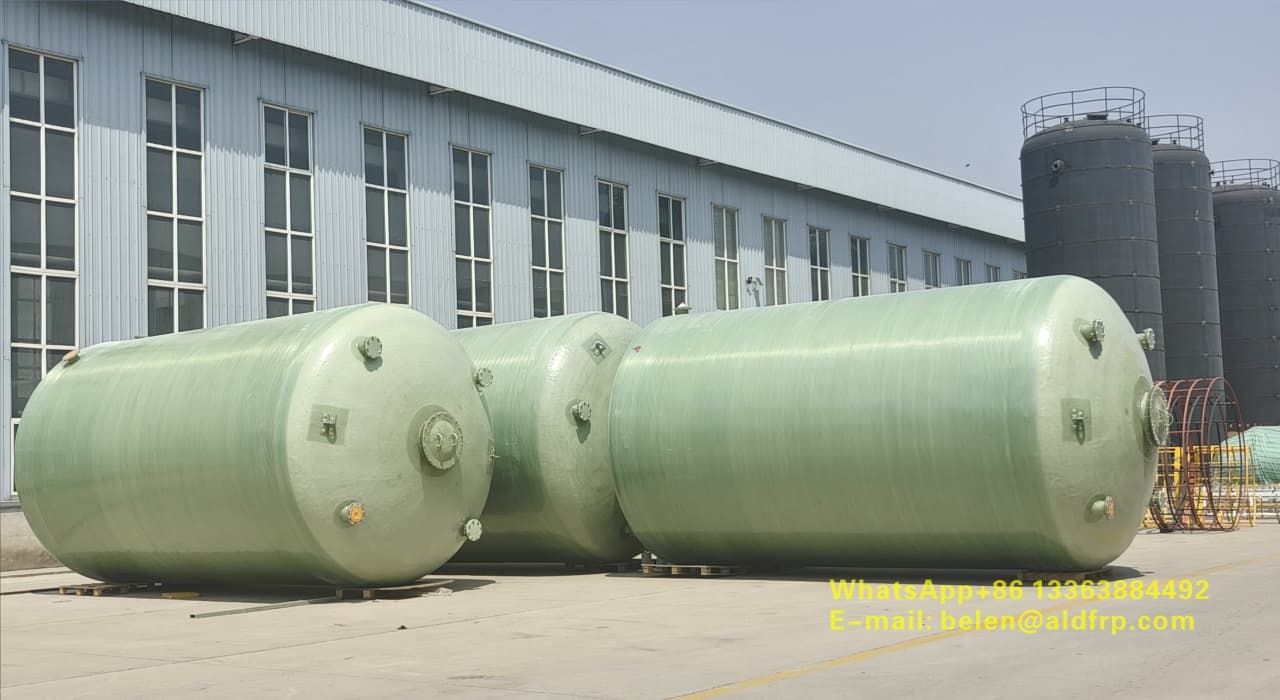
ألف FRP chemical storage tank is a safe, durable, and cost-effective solution for storing corrosive and industrial chemicals. Its advantages—corrosion resistance, long lifespan, lightweight construction, low maintenance, and customizable design—make it ideal for chemical plants, water treatment facilities, fertilizer production, and more.
From my experience, investing in a high-quality FRP chemical storage tank not only improves operational safety but also reduces long-term costs. Choosing the right manufacturer and properly maintaining your tank ensures peace of mind and reliable performance for years to come.