
When designing or upgrading a piping system, one of the most common questions engineers and project managers ask is: FRP pipes vs steel pipes — which is the better choice? Both materials have been widely used in industries such as chemical processing, water treatment, oil and gas, and municipal infrastructure. However, they differ significantly in performance, maintenance, cost, and long-term durability.
From my experience working with composite materials and industrial piping systems, the choice often depends on the environment and the specific needs of the project. In this guide, we’ll take a clear and practical look at the key differences between FRP pipes and steel pipes so you can make an informed decision.
What Are FRP Pipes?
FRP pipes, or Fiberglass Reinforced Plastic pipes, are composite pipes made from glass fibers embedded in a resin matrix such as polyester, vinyl ester, or epoxy. The fibers provide structural strength, while the resin protects the pipe from corrosion and chemical attack.
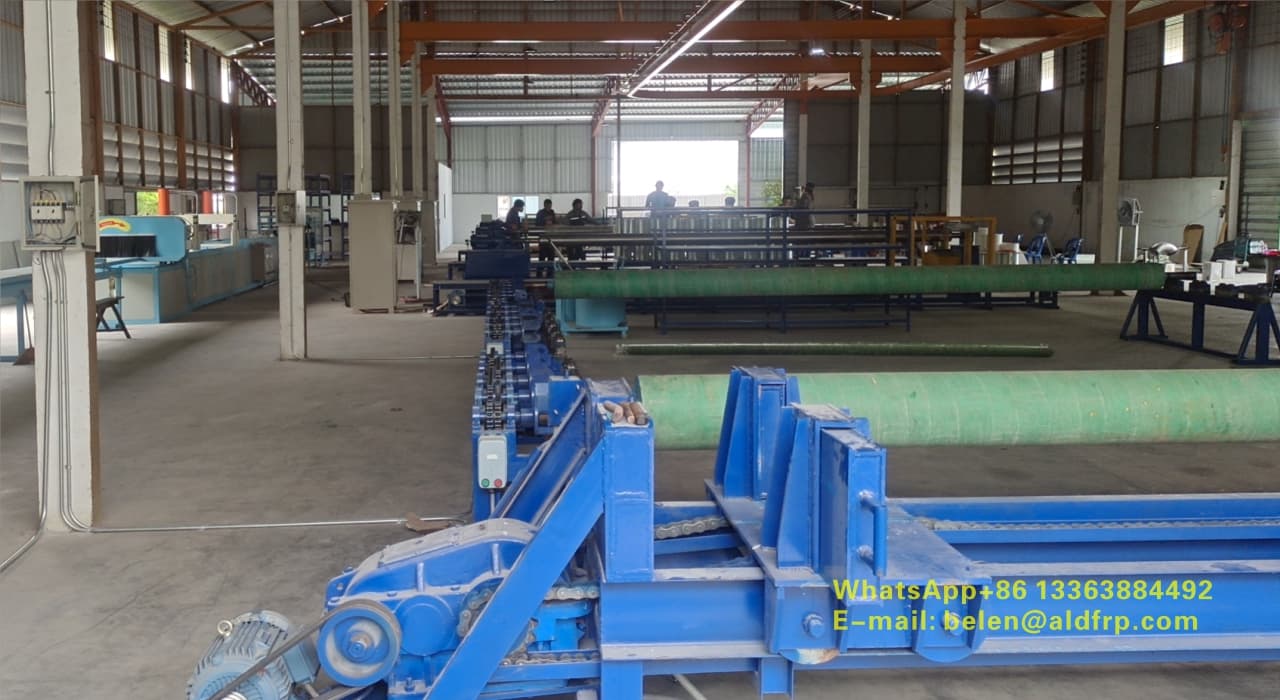
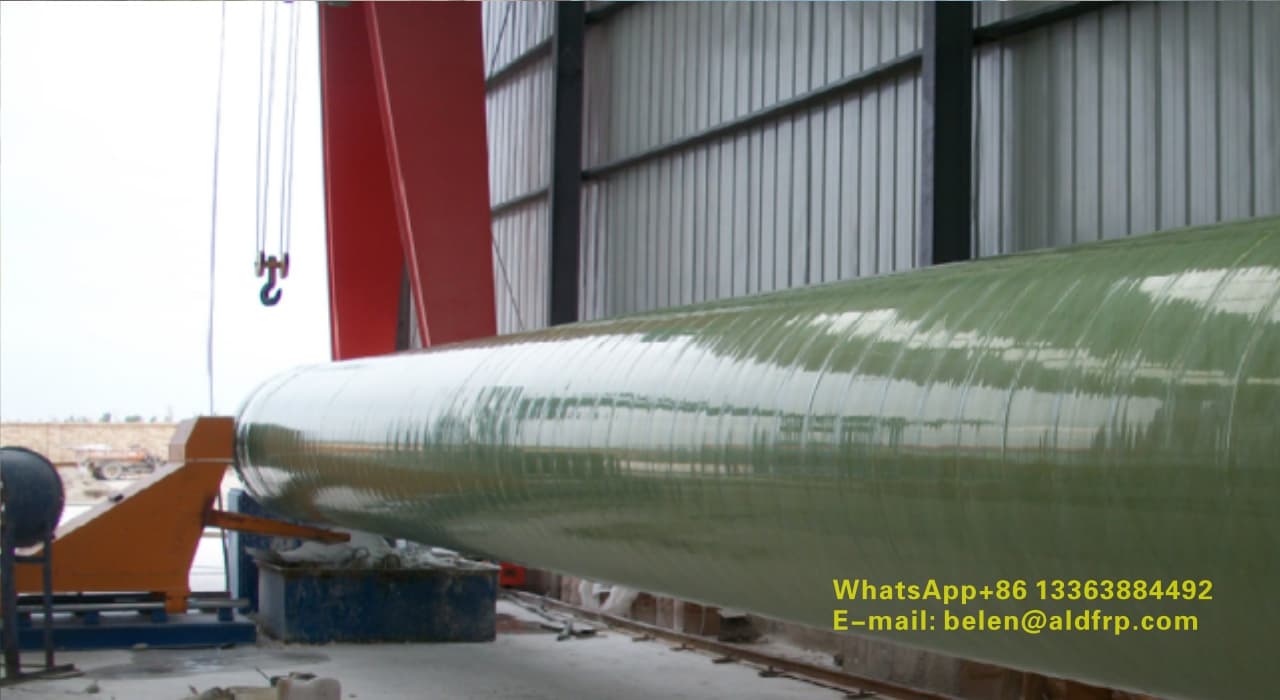
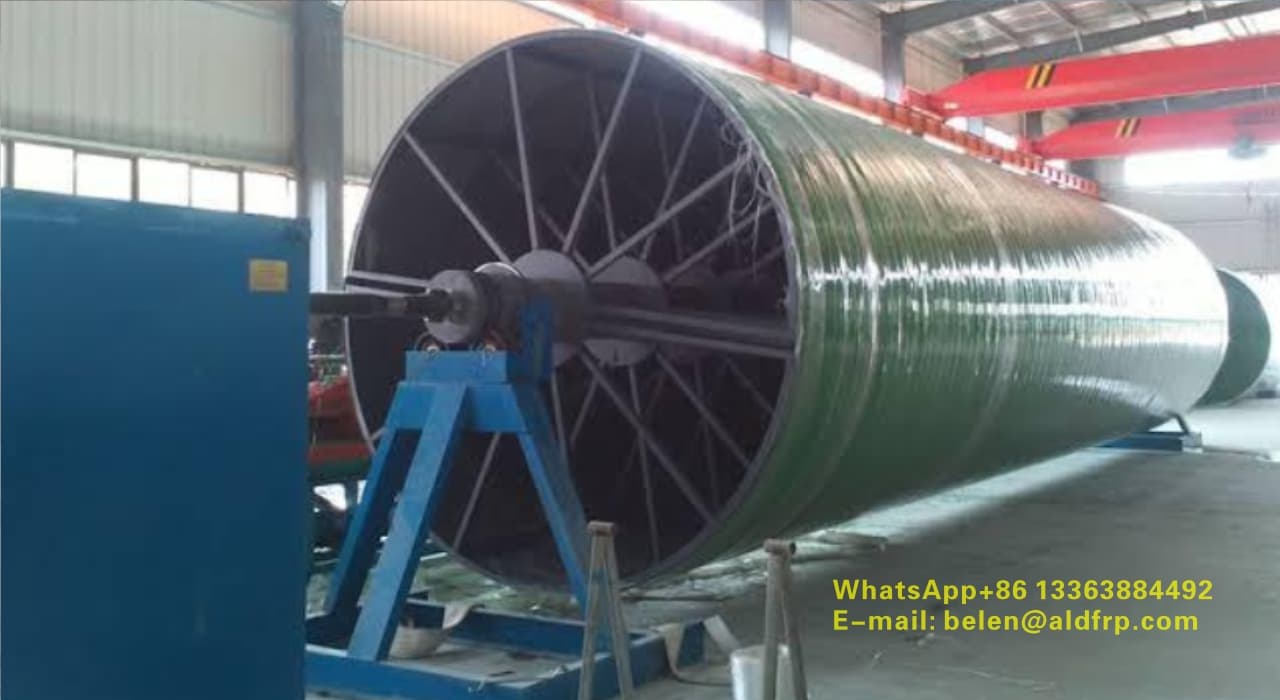
These pipes are typically manufactured using processes like filament winding, which allows precise control over fiber placement and wall thickness. The result is a lightweight but extremely strong pipe with excellent chemical resistance.
What Are Steel Pipes?
Steel pipes are metal pipes made primarily from carbon steel or alloy steel. They are commonly used in industries requiring high strength and pressure resistance, such as oil and gas pipelines, construction projects, and mechanical systems.
Steel pipes can be welded, seamless, or galvanized, depending on the application. While they are known for their strength and durability, they are also prone to corrosion if not properly protected.
FRP Pipes vs Steel Pipes: Key Differences
Let’s compare these two materials across the factors that matter most in real-world applications.
1. Corrosion Resistance
One of the biggest differences in the FRP pipes vs steel pipes debate is corrosion resistance.
Steel pipes are highly susceptible to corrosion, especially when exposed to chemicals, seawater, or wastewater. To prevent rust, they often require coatings, linings, or cathodic protection systems.
FRP pipes, on the other hand, are naturally corrosion-resistant because they are made from composite materials rather than metal. They can handle aggressive chemicals, acids, and saltwater environments without rusting.
Winner: FRP pipes
2. Weight and Installation
Weight plays a major role in transportation and installation costs.
Steel pipes are heavy and require cranes, heavy equipment, and more labor during installation. This can significantly increase project costs, especially for large pipelines.
FRP pipes are much lighter—often about one-quarter the weight of steel pipes. This makes them easier to transport and install, reducing labor and equipment requirements.
From my experience, installation crews often complete FRP pipe projects much faster than steel pipe systems.
Winner: FRP pipes
3. Strength and Pressure Resistance
Steel pipes are known for their exceptional mechanical strength and ability to withstand extremely high pressures and temperatures. This is why they are still widely used in oil and gas pipelines.
FRP pipes are strong as well, especially when manufactured using advanced filament winding techniques. However, they generally have lower temperature tolerance than steel pipes.
For extremely high-pressure or high-temperature systems, steel may still be the preferred choice.
Winner: Steel pipes (for extreme conditions)
4. Maintenance Requirements
Maintenance is another major factor in the FRP pipes vs steel pipes comparison.
Steel pipes require ongoing maintenance to prevent corrosion and leaks. Protective coatings may degrade over time and need replacement.
FRP pipes require minimal maintenance because they do not corrode. Once installed, they can operate for decades with very little upkeep.
Winner: FRP pipes
5. Service Life
A well-maintained steel pipe system can last decades, but corrosion remains a long-term risk.
FRP pipes typically have a service life of 30–50 years or more in corrosive environments. In many wastewater or chemical applications, FRP pipes actually outlast steel pipes because they are not affected by rust.
Winner: FRP pipes in corrosive environments
6. Cost Considerations
Initial cost is another important factor.
Steel pipes may sometimes have a lower upfront material cost, depending on market conditions. However, when you consider installation, maintenance, and corrosion protection, the total lifecycle cost can be much higher.
FRP pipes may have a slightly higher material cost in some cases, but the savings in installation and maintenance often make them more economical over time.
From a lifecycle perspective, FRP pipes are often the more cost-effective solution.
Winner: FRP pipes (long-term)
7. Thermal and Electrical Properties
Steel pipes conduct both heat and electricity. This can be beneficial in certain applications but may require insulation in others.
FRP pipes are non-conductive and have excellent thermal insulation properties. This makes them safer in environments where electrical conductivity could be a hazard.
Winner: FRP pipes (for insulation and safety)
Common Applications
Typical Uses for FRP Pipes
-
Chemical plants
-
Wastewater treatment systems
-
Seawater desalination plants
-
Cooling water systems
-
Industrial drainage systems
Typical Uses for Steel Pipes
-
Oil and gas pipelines
-
High-pressure steam systems
-
Structural construction
-
High-temperature industrial processes
In many cases, industries use a combination of both materials depending on the application.
Quick Comparison Table
| ميزة | FRP Pipes | Steel Pipes |
|---|---|---|
| مقاومة التآكل | Excellent | Poor without protection |
| الوزن | خفيفة الوزن | ثقيل |
| Installation | Easy and fast | Labor-intensive |
| Strength | عالية | Very high |
| الصيانة | منخفض | عالية |
| Service Life | 30–50 years | متغير |
| Cost (Lifecycle) | أسفل | أعلى |
Which One Should You Choose?
When deciding between FRP pipes vs steel pipes, the best choice depends on the application.
Choose FRP pipes if:
-
Corrosion resistance is critical
-
Installation speed matters
-
Long-term maintenance costs need to be minimized
Choose steel pipes if:
-
Extremely high pressure is required
-
Very high temperatures are involved
-
Structural strength is the primary concern
From my perspective, more industries are shifting toward FRP piping systems, especially in chemical processing and wastewater infrastructure, because the long-term benefits are simply hard to ignore.
أفكار نهائية
The comparison between FRP pipes vs steel pipes ultimately comes down to performance requirements and operating conditions. Steel pipes still dominate in high-pressure and high-temperature environments, but FRP pipes offer clear advantages in corrosion resistance, weight, and long-term cost efficiency.
As industries continue to look for durable and low-maintenance piping solutions, FRP pipes are becoming an increasingly popular alternative to traditional steel systems.
If you’re planning a new pipeline project or upgrading an existing one, evaluating both materials carefully can help you achieve the best balance of performance, cost, and reliability.