
When designing an industrial storage system, choosing the right tank material is one of the most important decisions you’ll make. For decades, steel tanks were the standard solution. However, with the development of composite materials, fiberglass reinforced plastic (FRP) tanks have become a strong competitor.
So the question many engineers and project managers ask is simple: FRP tank vs steel tank — which one is better?
The answer depends on several factors such as corrosion resistance, cost, maintenance, and application environment. In this article, I’ll walk you through the key differences between FRP tanks and steel tanks so you can make a more informed decision.
What Is an FRP Tank?
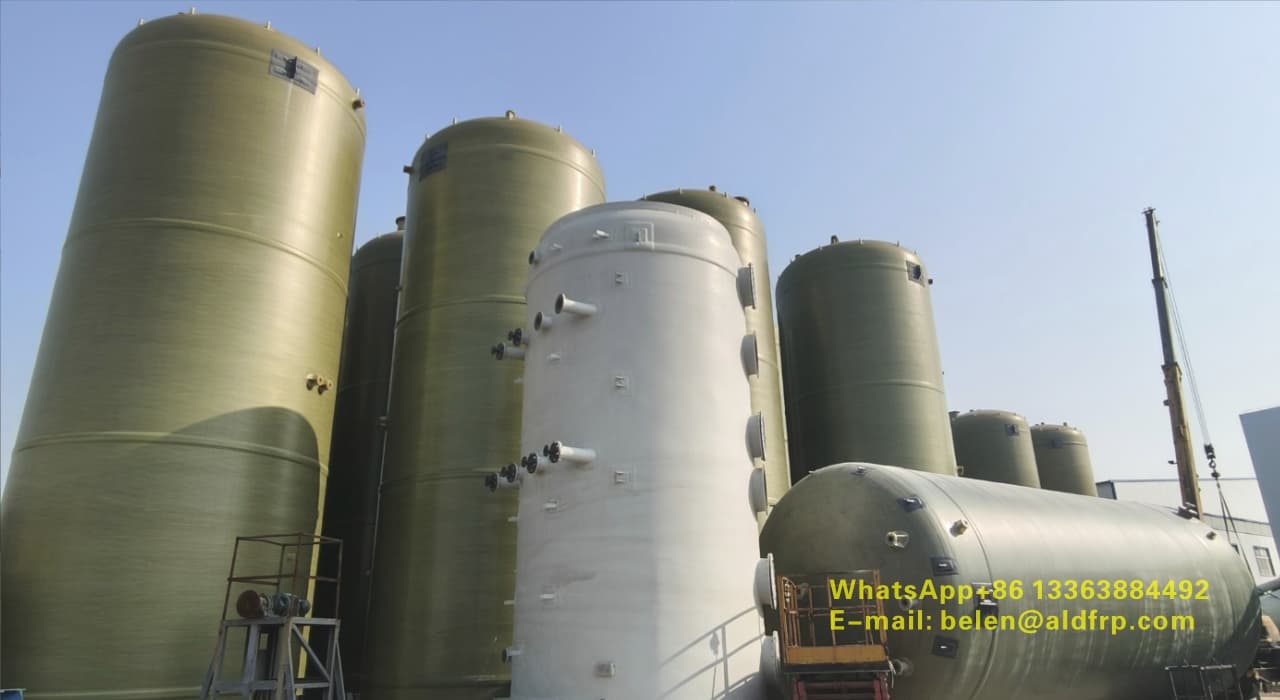
An FRP tank is a storage container made from fiberglass reinforced plastic, a composite material created by combining glass fibers with resin.
The fiberglass provides structural strength, while the resin acts as a protective matrix that resists corrosion and chemical attack.
FRP tanks are commonly used for storing:
-
Chemicals and acids
-
Wastewater and sewage
-
Fertilizers
-
Industrial liquids
-
Seawater
Because of their durability and corrosion resistance, FRP tanks are widely used in industries like chemical processing, water treatment, and power generation.
What Is a Steel Tank?
Steel tanks are traditional storage containers made from carbon steel or stainless steel plates that are welded together.
They are widely used in industries such as oil and gas, fuel storage, water storage, and industrial chemical storage.
Steel tanks are known for their high mechanical strength and ability to withstand extreme structural loads. However, they also require careful protection against corrosion, especially in harsh environments.
Key Differences Between FRP Tanks and Steel Tanks
To truly understand FRP tank vs steel tank, let’s compare them across several important factors.
1. Corrosion Resistance
Corrosion resistance is often the biggest deciding factor.
FRP Tanks
FRP tanks are naturally resistant to corrosion. The resin matrix protects the fiberglass structure from acids, salts, and many chemicals.
Because of this, FRP tanks perform extremely well in environments such as:
-
Chemical plants
-
Wastewater treatment facilities
-
Fertilizer factories
-
Coastal or marine environments
Steel Tanks
Steel tanks, especially carbon steel tanks, are highly vulnerable to corrosion. Exposure to chemicals, moisture, or saltwater can lead to rust and structural damage.
To prevent corrosion, steel tanks often require:
-
Protective coatings
-
Linings
-
Cathodic protection systems
Even with these protections, regular maintenance is necessary.
Conclusion: FRP tanks clearly have an advantage in corrosive environments.
2. Weight and Installation
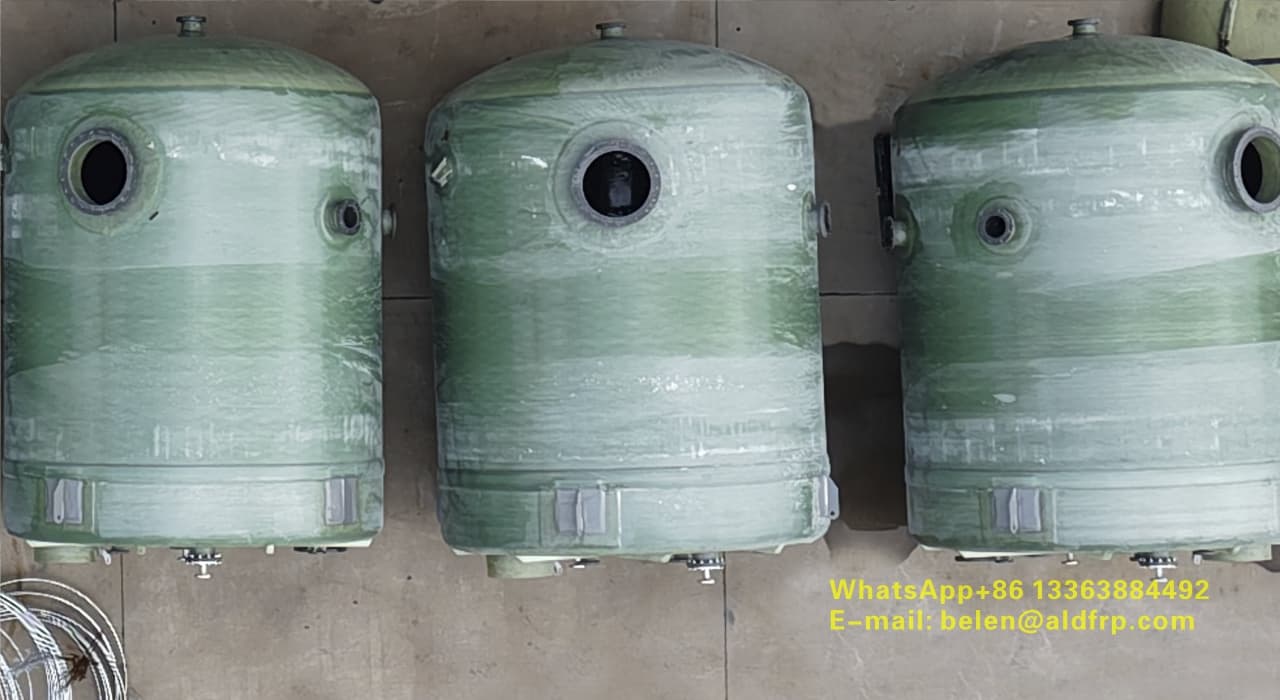
Weight plays a big role in transportation and installation.
FRP Tanks
FRP tanks are significantly lighter than steel tanks of the same capacity.
This means:
-
Easier transportation
-
Lower installation costs
-
Less need for heavy lifting equipment
In some cases, FRP tanks can even be installed with smaller cranes or forklifts.
Steel Tanks
Steel tanks are heavy and often require large cranes and reinforced foundations for installation.
Transporting large steel tanks can also be more expensive.
Conclusion: FRP tanks offer easier logistics and faster installation.
3. Strength and Structural Performance
Strength is another important consideration.
FRP Tanks
FRP tanks have excellent strength-to-weight ratios. Through manufacturing processes such as filament winding, fibers are placed in specific orientations to optimize structural performance.
However, FRP tanks may not always match the extreme structural strength of thick steel tanks used in very high-pressure or high-temperature environments.
Steel Tanks
Steel tanks provide very high mechanical strength and impact resistance.
They are often preferred for:
-
High-pressure applications
-
Very large industrial storage systems
-
Heavy mechanical loads
Conclusion: Steel tanks may be better for extreme mechanical loads, but FRP tanks are strong enough for most industrial uses.
4. Maintenance Requirements
Maintenance costs can significantly affect the total lifecycle cost of a storage tank.
FRP Tanks
FRP tanks require very little maintenance. They do not rust and usually do not need protective coatings.
Routine inspections are generally sufficient.
Steel Tanks
Steel tanks require continuous maintenance to prevent corrosion.
This often includes:
-
Repainting or recoating
-
Inspecting for rust damage
-
Repairing protective linings
Over time, these maintenance costs can add up.
Conclusion: FRP tanks require far less maintenance than steel tanks.
5. Service Life
Durability is a major factor for industrial facilities.
FRP Tanks
A well-designed FRP tank can last 20–30 years or more, especially in corrosive environments where steel tanks might degrade quickly.
Steel Tanks
Steel tanks can also last decades, but only if they are properly protected and maintained.
Without proper maintenance, corrosion can significantly shorten their lifespan.
Conclusion: In corrosive environments, FRP tanks often last longer.
6. Cost Considerations
Initial cost is often a key concern.
FRP Tanks
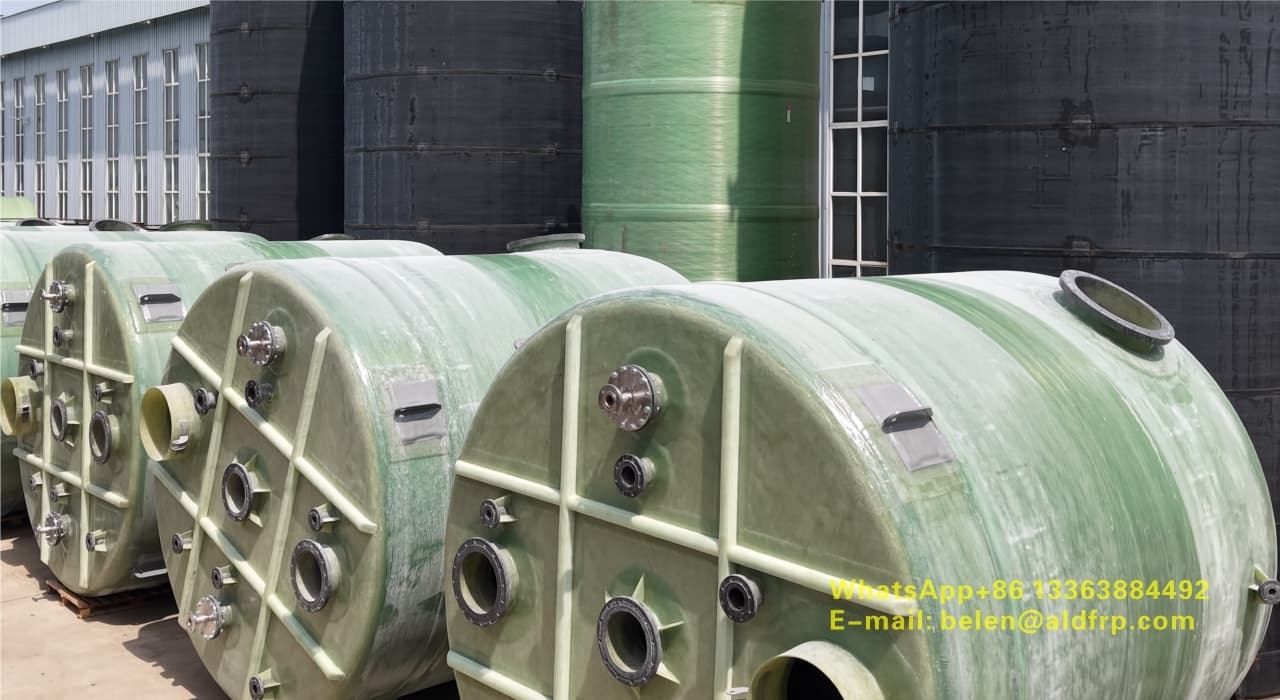
FRP tanks may have a slightly higher initial manufacturing cost compared with basic carbon steel tanks. However, the long-term cost is often lower due to reduced maintenance.
Steel Tanks
Steel tanks can sometimes be cheaper upfront, especially if made from carbon steel.
However, ongoing maintenance, repairs, and corrosion protection can increase the total cost over time.
Conclusion: FRP tanks often provide better long-term value.
7. Customization and Design Flexibility
FRP tanks offer excellent design flexibility.
Because they are manufactured using composite processes like filament winding or hand lay-up, FRP tanks can be customized in terms of:
-
Diameter
-
Height
-
Wall thickness
-
Chemical resistance
Steel tanks can also be customized but often require more complex fabrication processes.
Real-World Example
Imagine a wastewater treatment plant that needs several chemical storage tanks.
If steel tanks are used, the facility may need to regularly inspect and recoat the tanks to prevent corrosion caused by aggressive chemicals.
However, if FRP tanks are installed instead, the corrosion-resistant material significantly reduces maintenance requirements. Over a period of 20 years, the plant could save a large amount in maintenance and repair costs.
When Should You Choose an FRP Tank?
FRP tanks are typically the better choice for:
-
Chemical storage
-
Wastewater treatment systems
-
Fertilizer production plants
-
Desalination facilities
-
Marine environments
In these situations, corrosion resistance and low maintenance are extremely valuable.
When Is a Steel Tank Better?
Steel tanks may be preferable for:
-
Extremely high-pressure storage
-
Very high-temperature applications
-
Heavy industrial loads
In these cases, the mechanical strength of steel may be necessary.
أفكار نهائية
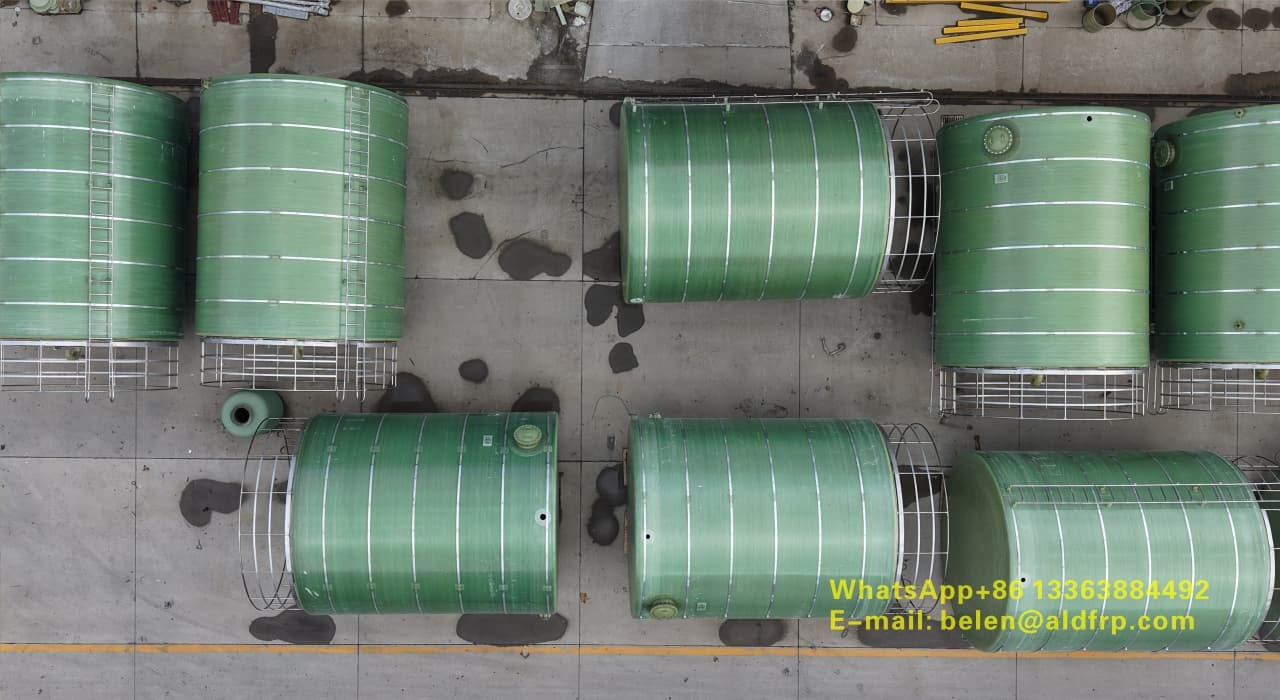
When comparing FRP tank vs steel tank, there is no universal answer for every project. However, in many modern industrial applications, FRP tanks provide clear advantages.
They offer:
-
Excellent corrosion resistance
-
Lower weight and easier installation
-
Minimal maintenance requirements
-
Long service life
-
Strong cost performance over time
Steel tanks still play an important role in heavy-duty industrial systems, but for many chemical, water treatment, and environmental applications, FRP tanks are becoming the preferred solution.
As industries continue to prioritize durability and cost efficiency, the shift from steel to FRP storage tanks is likely to accelerate in the coming years.