
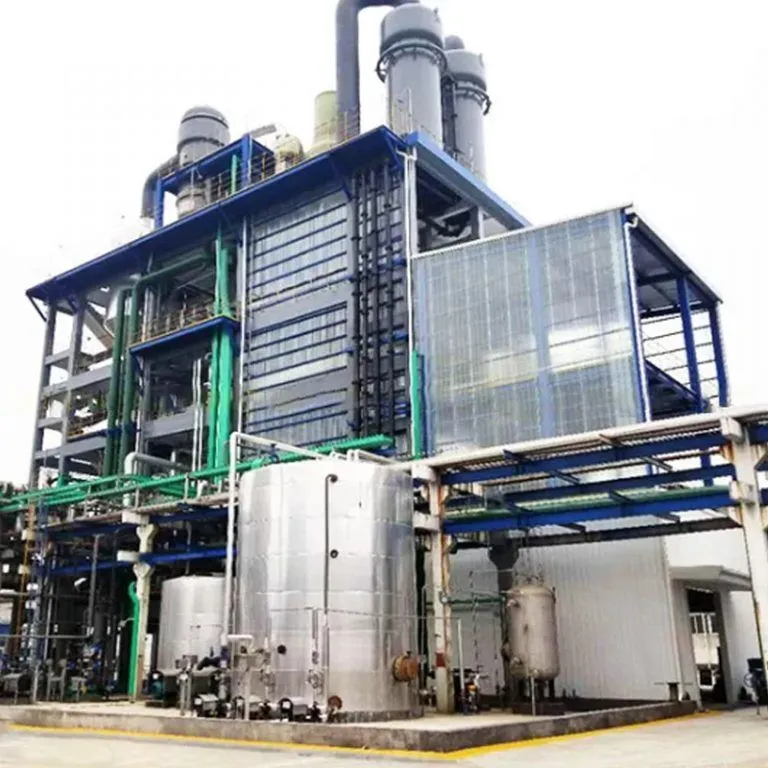
Thinking about diving into the chemical industry? Calcium chloride manufacturing stands out as a solid choice. This compound plays a key role in everything from road de-icing to food preservation. If you’re eager to start a calcium chloride manufacturing business, you’re in the right spot. This guide walks you through the basics, from spotting market chances to getting your operation running. We’ll keep it straightforward, focused on what matters to new entrepreneurs like you.
Why Choose Calcium Chloride Manufacturing?
Calcium chloride has constant need in various places. It is not just for winter; people use it all year. In chilly areas, it clears ice from paths and streets. Plants use it to manage dust or remove moisture from gases. In food, it makes fruits and veggies firmer.
Market Demand and Growth Trends
Check the figures. Worldwide use of calcium chloride reached about 4 million tons last year. Growth is around 4-5% each year. Building projects in Asia and North America push a lot of this. Drilling for oil and gas also increases the need, since it helps steady wells.
What drives this increase? Cities are growing, so there are more roads to care for. Tougher rules on the environment favor safer ice melters over plain salt. Food companies want ways to make items last longer without stuff that scares off customers.
- Key sectors driving demand: Road maintenance (40%), oil drilling (20%), food processing (15%).
- Regional hotspots: North America leads in de-icing; Asia in industrial uses.
If you grab these trends, your business can expand quickly. Begin on a small scale, perhaps aimed at nearby needs. Then, grow from there.
Potential Challenges in the Industry
Every business faces problems. Costs for raw stuff can change with oil prices, because hydrochloric acid often comes from oil products. Rules on dealing with chemicals add extra steps for following laws. Rivals from large companies mean you need a special spot, like pure types for medicine.
But these troubles also open doors. Small groups can act faster, giving custom amounts or quicker shipping. Keep ahead by checking supply lines and making good links with providers.
Planning Your Business Strategy
Before you get any tools, lay out your route. A clear plan makes you different and pulls in supporters.
Conducting Market Research
Look closely at your target spot. Who buys calcium chloride close by? Chat with road workers, drill teams, or food factories. Look at online groups or industry meetings for tips.
Use free resources like reports from the government on chemical brings-in. Find empty spaces—maybe your area gets most supply from outside, so a local maker fits in.
Table: Sample Market Research Checklist
| خطوة | Action | لماذا يهم |
|---|---|---|
| Identify buyers | List local industries using the product | Pinpoints demand sources |
| Analyze competitors | Note their prices and strengths | Finds your edge |
| Forecast sales | Estimate first-year volume | Guides funding needs |
This research makes a strong base. It tells investors you mean business.
Creating a Business Plan
Your plan acts as your guide. List goals, like reaching 500 tons in the first year. Cover costs: ground, machines, workers.
Add money details. Starting up could cost $500,000 to $2 million, based on size. Include regular bills like power and moving goods.
- Funding options: Bank loans, grants for green tech, or partners.
- Timeline: Aim for 6-12 months from plan to production.
Make it bendable. Markets change, so check your plan every few months.
Setting Up Your Manufacturing Operation
Now comes the practical side. Changing raw stuff into product needs the right arrangement.
Choosing the Right Location and Facility
Select a place near providers to lower transport fees. Factory areas often have ready approvals for chemical jobs. Make sure it has easy links to roads or trains for sending out loads.
Size is key. A small plant may need 10,000 square feet, with room for storing acids and final items. Put safety first: Divide spots for blending, drying, and packing to cut risks.
Sourcing Raw Materials
Calcium chloride comes from limestone and hydrochloric acid. Find steady sources. Limestone is low-cost and local in many spots; acid might come from nearby plants.
Set up extras. Prices can jump, so agree on deals. Quality is big—bad inputs lead to poor output, which harms your name.
Production Process Overview
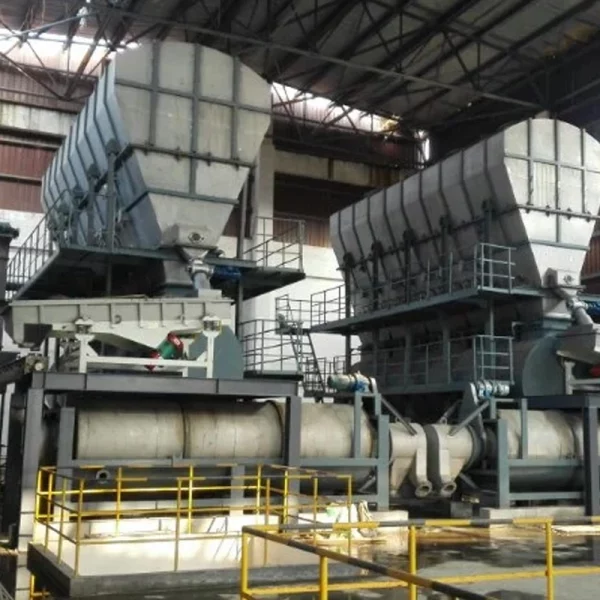
Understand how it runs to handle things well.
Key Steps in Calcium Chloride Production
Begin by blending limestone and acid to make a mix. Warm it up for a full reaction. Then, strain out hard bits.
Dry the wet part in a machine for flakes or bits. Purity can reach 95% or higher with careful watch.
- Main stages:
- o Reaction: Acid + limestone → calcium chloride solution.
- o Filtration: Remove impurities.
- o Drying: Evaporate water for solid form.
New setups use special beds for even drying, which saves power.
Equipment and Technology Needs
Main tools include mixers, dryers, and packers. Pick materials that resist rust, since acids damage metal.
Auto systems aid. Control setups manage blends, cutting mistakes and work hours. Start basic, then add more as you expand.
Legal and Regulatory Compliance
Ignore this, and you fail. Chemicals bring strict guidelines.
Obtaining Necessary Permits
Apply for nature permits soon. Explain how you will deal with trash and releases. In the US, EPA covers air and water outflows.
Safety papers like OSHA count too. Teach workers on risk handling.
Ensuring Safety and Environmental Standards
Set up air flows and cleaners for exhaust. Reuse water when you can.
Regular checks keep you in line. It creates trust with buyers who value clean ways.
Marketing and Sales Strategies
Got product? Now sell it.
Building Your Brand
Make your mark with good quality. Give out samples to possible buyers. Tell tales of how your item fixes issues, like quicker ice clearing.
Being online aids. A basic website with examples pulls in contacts. Connect at trade gatherings.
Finding Customers and Distribution
Aim local at first: Road groups, oil companies. Grow through sellers.
- Sales tips: Give deals on big buys. Offer help on how to use it.
Note comments to get better. Pleased buyers tell others, which builds your name.
Financial Management for Success
Cash keeps it running.
Budgeting and Cost Control
Track spends on raw stuff—they take 60% of costs. Power is next at 20%.
Reduce loss: Reuse warmth from dryers. Large purchases cut prices.
Scaling Your Business
When stable, add options for similar items like ice melters. Send abroad if need grows there.
Put back earnings smartly. Target 20% increase each year.
تعرف على شركة هيبي Aoliande للمعدات الكيميائية المحدودة.
As you gear up, consider reliable suppliers for your setup. هيبي Aoliande المعدات الكيميائية المحدودة. stands out as a key player in providing calcium chloride production lines. Based in China, this firm brings years of know-how in chemical gear. They handle everything from design to installation, with a focus on durable, efficient systems. Their lines meet high purity standards and include features like waste recovery. Many plants worldwide rely on their tech for smooth runs.
استنتاج
Starting a calcium chloride manufacturing business takes grit and planning, but the rewards are real. Steady demand and diverse uses make it a smart pick. Follow these steps, stay adaptable, and you’ll build a thriving operation. It not only boosts your income but elevates your standing in the industry. Ready to take the leap? The market waits.
أسئلة متكررة
What are the first steps to start a calcium chloride manufacturing business?
Begin with market research to spot demand in your area. Then draft a business plan covering costs, location, and sales. Secure funding and permits next. This groundwork sets a strong base.
How much does it cost to start a calcium chloride manufacturing business?
Costs vary by scale, but expect $500,000 to $2 million for a small plant. This covers land, equipment, and initial materials. Factor in ongoing expenses like utilities too.
What equipment is essential for calcium chloride manufacturing?
You’ll need reactors for mixing, filters to clean the solution, and dryers for the final product. Automation tools help control quality. Choose gear that handles acids without breaking down.
Are there environmental concerns when starting a calcium chloride manufacturing business?
Yes, handle waste and emissions carefully. Use scrubbers and recycling systems to meet rules. It keeps your operation legal and appeals to eco-conscious buyers.
How can I find suppliers for a calcium chloride manufacturing business?
Look for firms specializing in chemical production lines. Check their track record in efficiency and support. Good suppliers offer full services, from setup to training.