
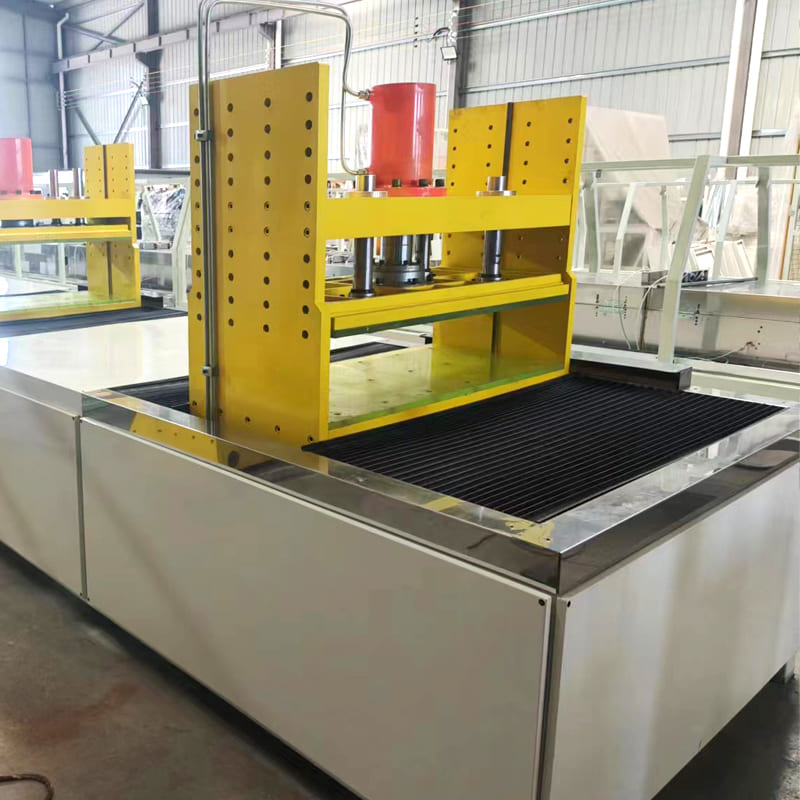
Fiber Reinforced Polymer (FRP) and Glass Fiber Reinforced Polymer (GRP) are new materials. They are quickly shifting fields because of their good traits in strength. These materials come from the pultrusion process. It is a steady shaping method. It mixes fibers like glass or carbon with resins. This makes tough, light, and lasting shapes. This piece will look at the great pluses of FRP/GRP materials. It will match them with old materials like steel, aluminum, and concrete. This shows their better work in many uses.
What Makes FRP/GRP Materials Stand Out?
FRP and GRP materials have special traits. These make them more liked in many work fields. The pultrusion process is key for boosting the toughness, lasting power, and use in many ways of these materials. Let’s go over the main perks:
1. Lightweight Yet Strong
One of the biggest pluses of FRP/GRP materials is their weight to strength balance. Pultruded FRP products are a lot lighter than old ones, such as steel or concrete. Yet they show equal or better strength. This fits well for uses where cutting weight matters a lot. Think of space work, cars, and building fields.
For instance, pultruded GRP shapes can take the place of heavy steel parts in building work without losing toughness. This brings simpler handling. It also means quicker setup. Plus, it cuts shipping costs. The lower weight turns into less energy use too. This shows up mainly in fields like moving goods and building.
2. Superior Corrosion Resistance
Unlike metals such as steel and aluminum, which can rust when hit by water, chemicals, or bad weather, FRP/GRP materials fight rust by nature. This fight against rust makes them extra useful in fields like sea work, chemical jobs, and waste water cleaning. There, tough settings are usual.
The rust fight of FRP/GRP products can stretch the life of builds. It also cuts care costs over time. For example, pultruded GRP pipes get wide use in salt removal spots and waste lines. There, metal pipes would break down fast. FRP materials make sure of long trust and cut the call for often swaps or fixes.
3. High Strength-to-Weight Ratio
FRP and GRP materials give a high strength to weight balance. This means they can hold heavy loads while staying much lighter than old materials. This trait is very handy in building bridges, work stands, and other base builds. There, both weight and toughness are big points. Pultrusion boosts this toughness. It makes it good for build parts that must stand pull, push, and bend forces.
In road building, pultruded FRP rods and beams often take the place of steel boosts in concrete. They give a more lasting fix with the extra perk of lighter builds.
4. Thermal and Electrical Insulation
Another great perk of FRP/GRP materials is their skill to work as both heat and power blockers. This makes them fit for uses where blocking is needed. Think of power boxes, power making, and spread systems. The no-lead traits of pultruded GRP shapes make sure of safety and good work in power and heat uses. They give big pluses over lead metals like copper or aluminum.
5. Customizable and Versatile Designs
The pultrusion process lets making of many cross cut shapes. These include beams, rods, tubes, and made to order shapes. The bend in design means FRP/GRP materials can fit exact job needs. They give made to fit fixes for special uses.
Whether it’s a basic build beam or a hard, many sided part, pultruded FRP/GRP products can hit the right specs needed for different fields. This change reaches to covers and ends. There, top treatments can get added to boost the material’s look, lasting power, and use.
Comparing FRP/GRP Materials to Traditional Materials
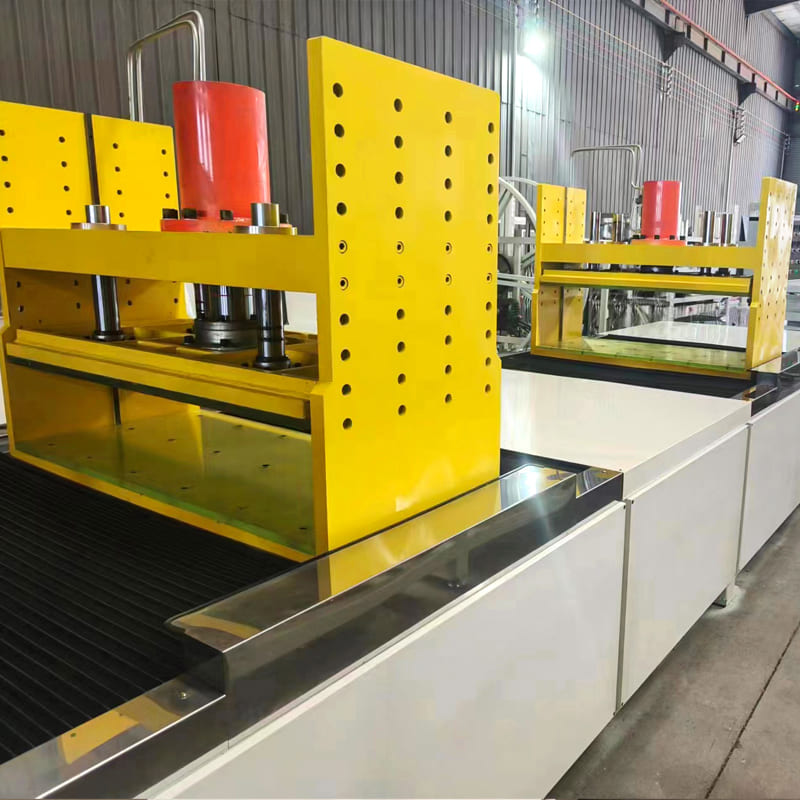
When matched to old materials such as steel, aluminum, and concrete, FRP/GRP materials give clear pluses. Let’s match these materials in terms of main traits:
1. Weight Comparison:
Steel: Heavy and needs big build hold for large uses. This hikes shipping and setup costs.
Aluminum: Lighter than steel, but still open to rust. It needs extra guard covers for long work.
Concrete: Very heavy. It calls for big tools for setup. This adds to total build time.
FRP/GRP: Much lighter than steel, aluminum, and concrete. This makes them good for jobs where weight is a main point.
2. Durability:
Steel: Open to rust and rusting, mainly in tough spots. It needs usual care to keep toughness.
Aluminum: Rusts over time, specially when hit by water and salt.
Concrete: Breaks and wears when hit by water, chemicals, or freeze melt rounds.
FRP/GRP: Gives top lasting power with fight to rust, sun wear, and spot damage. This leads to lower care and longer use life.
3. Cost-Effectiveness:
Steel: High start cost and costly care because of rust.
Aluminum: Cheaper than steel but still needs guard covers and often care.
Concrete: High shipping and work costs, with big care calls over time.
FRP/GRP: Higher start cost than aluminum or concrete. But the long life, low care costs, and light build give savings over time.
4. Maintenance:
Steel: Calls for often checks and treatments to stop rust and rusting.
Aluminum: Needs time to time cleaning and covering to stop air mix.
Concrete: Open to breaks and wear. It calls for often fixes and checks.
FRP/GRP: Little care is needed because of their high fight to rust and spot harm.
Applications of FRP/GRP Products
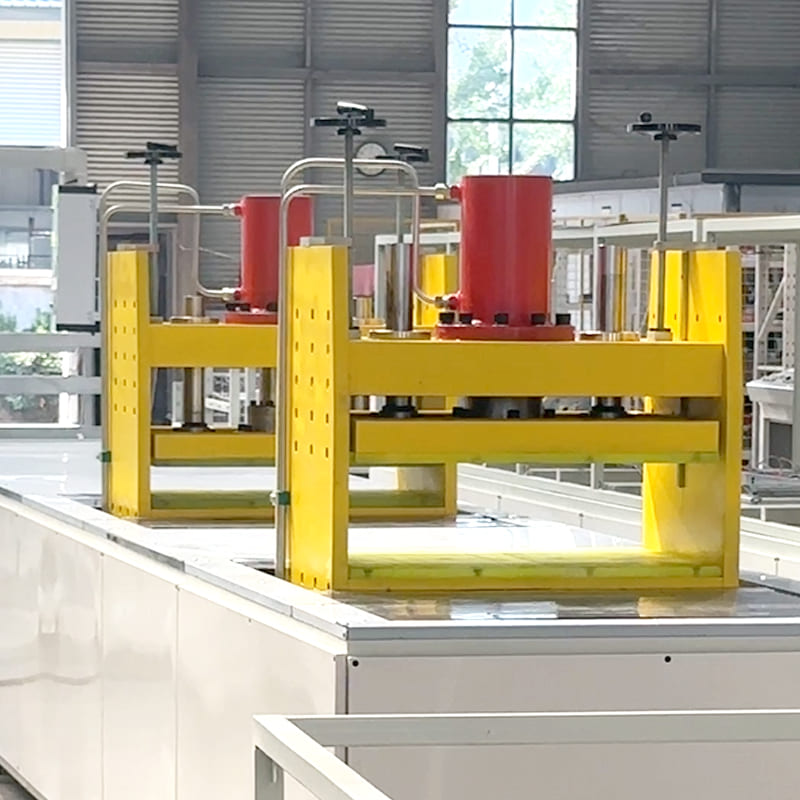
The many uses and top traits of FRP/GRP materials make them fit for a wide span of uses. Some main fields and uses include:
Construction: Pultruded GRP shapes get used for boosting concrete builds. They make light yet tough frames. They also give rust fight holds in tough spots like water clean spots.
Marine: Because of their rust fight, pultruded FRP products get used in boat bodies, docks, and other sea builds.
Electrical: FRP materials often get used for power blocking, guard boxes, and poles for power lines.
Automotive: The light build of FRP helps the car field. It cuts car weight while keeping safety and lasting power.
Aerospace: FRP parts get used in plane making because of their low weight and high toughness. This boosts fuel save and work.
Brand Introduction:
Hebei Aoliande Chemical Equipment Co., LTD., a leader in FRP/GRP product machinery, provides state-of-the-art equipment that ensures high-quality production of FRP profiles. With a commitment to innovation, quality, and customer service, Aoliande’s products are trusted worldwide across a variety of industries.
استنتاج
The rising call for green, lasting, and cheap materials has made FRP/GRP products a fine pick across fields. Their better strength to weight balance, rust fight, and many uses make them a top swap for old materials like steel, aluminum, and concrete. As fields keep growing, FRP/GRP materials are ready to play an even bigger part in pushing base builds, making, and tech.
الأسئلة الشائعة
Q1: What is the difference between FRP and GRP?
FRP refers to Fiber Reinforced Plastic, which uses different types of fibers, including glass, carbon, or aramid, as reinforcement. GRP (Glass Reinforced Plastic) specifically uses glass fibers. GRP is a subset of FRP and is commonly used in various industries for its strength and durability.
Q2: How does the pultrusion process work?
Pultrusion is a continuous molding process that combines fibers and resins under heat and pressure to create a rigid, long-profile material. The fibers are pulled through a resin bath, then shaped and cured in a mold to form the final product.
Q3: What are the primary applications of FRP/GRP products?
FRP/GRP products are widely used in industries like construction, marine, electrical, automotive, and aerospace due to their light weight, strength, and corrosion resistance.
Q4: Are FRP/GRP materials more expensive than traditional materials?
While FRP/GRP materials may have a higher initial cost, their durability, low maintenance requirements, and longer service life make them more cost-effective in the long run.
Q5: Can FRP/GRP materials withstand extreme weather conditions?
Yes, FRP/GRP materials are highly resistant to UV degradation, extreme temperatures, and harsh weather conditions, making them ideal for outdoor applications such as marine and infrastructure projects.