
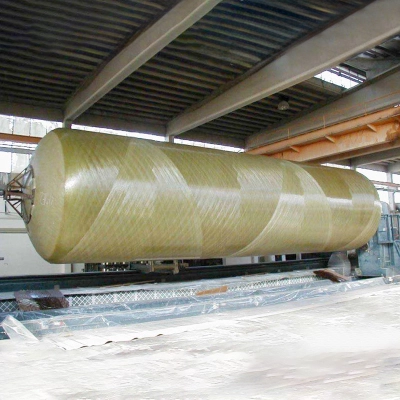
Running a production line means every minute counts. Factories face tight deadlines, and small delays add up fast. Filament winding machine maintenance tips help keep things moving. This process wraps fibers around a core to make strong pipes or tanks used in chemicals or water systems. Machines controlled by computers handle the job with precision. Yet, even advanced setups lose steam without proper care. Studies show downtime can cut output by 20% in manufacturing plants. Real-world cases from chemical equipment firms reveal how tweaks lead to big gains. For instance, one plant raised daily production from 500 meters to 700 meters of pipe after simple adjustments. Dive into ways to make these machines work harder and smarter.
What Makes Filament Winding Machines Tick?
Filament winding builds composite materials layer by layer. Fibers soaked in resin wind onto a rotating mandrel. Computer controls guide the path, speed, and tension. This setup shines in making FRP pipes for desalination or metallurgy. The machine’s brain—the software—directs every move. Hardware like spindles and guides does the heavy lifting.
Problems arise when parts wear out or settings drift. Dust from fibers clogs sensors, slowing the whole operation. In urban water supply projects, where pipes must meet strict standards, efficiency matters. A well-tuned machine cuts waste and speeds up delivery. Check out SOP Plant for more on how these systems fit into larger production lines.
Core Components and Their Roles
Key parts include the mandrel rotator, fiber creel, and resin bath. The rotator spins at set speeds to ensure even winding. Fiber creels hold spools, feeding material without tangles. Resin baths apply the sticky layer that binds everything. When these work in sync, output jumps. A mismatch, though, causes uneven layers or breaks.
In practice, factories dealing with seawater desalination report 15% better performance after balancing these elements. Regular checks prevent issues. Optimizing winding speed starts here—too fast, and fibers snap; too slow, and time drags.
Daily Habits That Drive Better Performance
Simple routines make a difference. Start with cleaning. Resin buildup on guides slows motion. Wipe down after each shift. One facility in chemical processing saw cycle times drop by 10 minutes per run this way.
Lubricate moving parts weekly. Dry bearings grind and heat up, risking breakdowns. Use the right oil—wrong types gum up. Track usage in a log. This habit caught a failing motor early in a metallurgy plant, avoiding a full stop.
Spotting Early Warning Signs
Listen for odd noises. Grinding sounds signal alignment problems. Vibrations point to loose bolts. Fix them quick. Visual checks help too. Look for frayed fibers or leaking resin. In power plant desulfurization lines, these spot checks saved hours of rework.
Data from sensors tells more. Modern machines log speed and tension. Review weekly. Dips in readings mean trouble ahead. Adjust before it hits hard.
Upgrading Software for Smarter Operations
Software runs the show in these machines. Old versions limit speed. New updates add features like auto-adjust for tension. One update in a food brewing setup raised efficiency by 25%. It predicted breaks and paused just in time.
Software updates for winding machines bring real benefits. They refine paths, cutting material use by 5-10%. In waste gas treatment plants, this means less scrap. Install during off-hours to avoid disruption.
Custom Settings for Specific Jobs
Tailor programs to the task. For thick pipes, slow the wind but boost tension. Thin ones need faster spins. Test runs confirm settings. A tank production line tweaked this and cut defects from 8% to 2%.
Link software to other systems. Integrate with inventory for auto-reorders. This keeps runs steady without manual checks.
Training Teams to Handle the Tech
People matter as much as machines. Untrained operators miss settings or ignore alerts. Proper training flips that. Sessions cover basics like starting sequences and troubleshooting.
In a chlor-alkali plant, trained staff boosted uptime to 95%. They spotted imbalances fast. Use hands-on drills. Simulate jams and fixes. This builds confidence.
Building a Culture of Continuous Improvement
Encourage feedback. Operators see issues first. Monthly meetings discuss tweaks. One team suggested better lighting for inspections, cutting errors by half.
Certifications help. ISO standards guide best practices. Firms with them report smoother runs. Tie this to brand growth—reliable output builds trust with clients in sectors like titanium dioxide processing.
Cutting Waste and Saving Resources
Waste eats profits. Reducing waste in filament winding starts with precise measurements. Overuse of resin adds cost. Calibrate dispensers daily. A polysilicon facility saved 300 liters monthly this way.
Recycle scraps. Collect excess fibers for reuse in smaller parts. This approach in urban drainage projects turned waste into value.
Efficient Material Handling
Store fibers in cool, dry spots. Humidity warps them, causing breaks. Use racks to avoid tangles. Quick access speeds setup.
Batch materials by type. Mixing wrong ones leads to weak products. Labels and zones prevent mix-ups.
| Factor | Impact on Efficiency | Quick Fix |
|---|---|---|
| Resin Flow | Even coating prevents bubbles | Check pumps weekly |
| Fiber Tension | Consistent layers reduce breaks | Adjust via software |
| Mandrel Speed | Balances quality and pace | Test at 80-120 RPM range |
| Operator Checks | Catches issues early | Daily logs |
This table shows core areas. Focus here for steady gains.
Energy Use and Cost Control
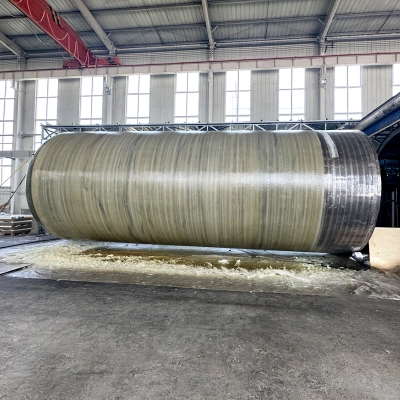
Machines guzzle power. Reducing downtime in filament winding operations saves energy. Idle runs waste electricity. Schedule jobs back-to-back.
Upgrade to efficient motors. They run cooler and last longer. A metallurgy operation cut bills by 15% after swaps.
Monitor usage. Meters track spikes. High draws mean friction somewhere. Grease or realign to fix.
Long-Term Savings Strategies
Plan overhauls yearly. Replace worn parts before failure. This keeps costs down. In seawater desalination, planned maintenance avoided $10,000 in emergency fixes.
Partner with suppliers for parts. Bulk buys lower prices. Reliable sources ensure quick delivery.
Integrating with Broader Production Lines
These machines don’t work alone. Link them to upstream feeders or downstream cutters. Smooth flow raises overall output.
In water soluble fertilizer lines, synced systems doubled throughput. Automated handoffs cut manual labor.
Scaling for Growth
As demand rises, add modules. Modular designs expand easy. A chemical plant grew from one to three lines without full redesigns.
Track metrics like output per hour. Aim for 10% yearly gains. This builds brand strength—clients seek efficient suppliers.
Explore products to see how integrated setups work.
Hebei Aoliande Chemical Equipment Co., LTD.: Your Reliable Supplier
Hebei Aoliande Chemical Equipment Co., LTD. stands out as a key supplier of computer-controlled filament winding machines. Based in Hengshui City, Hebei Province, China, the company started in 2016. It holds ISO9001, ISO14001, and OHSAS18001 certifications. With 300 staff, it produces equipment for fields like urban water supply, seawater desalination, and chemical industry. Annual sales hit 20,000 tons of FRP products, exported to USA, Brazil, Japan, Germany, India, Malaysia, Iran, and Egypt. Beyond manufacturing, it offers design, technical advice, supply, transportation, and installation supervision. Learn more on their about us page.
Conclusion
Pushing efficiency in computer-controlled filament winding machines pays off in output, costs, and quality. From daily cleans to software tweaks, each step builds on the last. Factories see real jumps—like 30% more production in some cases. Stick to these practices, and operations run smoother. This not only lifts the bottom line but strengthens market position. Reliable machines mean happy clients and steady growth.
FAQs
How can regular maintenance improve the working efficiency of a computer-controlled filament winding machine?
Routine checks like cleaning resin buildup and lubricating parts cut downtime. In chemical plants, this raised daily runs by 20%, ensuring steady production without breaks.
What role does operator training play in optimizing winding speed on these machines?
Trained workers adjust tensions and paths better, avoiding snaps. A metallurgy facility noted 15% faster cycles after sessions, with fewer errors in pipe winding.
Are software updates essential for reducing waste in filament winding processes?
Yes, updates refine material use, trimming excess by 5-10%. Polysilicon lines saved resources this way, making operations leaner and more cost-effective.
How does integrating these machines with other equipment boost overall efficiency?
Linking to feeders or cutters streamlines flow. In desalination projects, this doubled output, cutting manual steps and speeding delivery.
What long-term benefits come from focusing on energy savings in filament winding operations?
Lower bills and longer machine life. One plant saved 15% on power after motor upgrades, supporting sustainable growth and stronger brand reputation.