
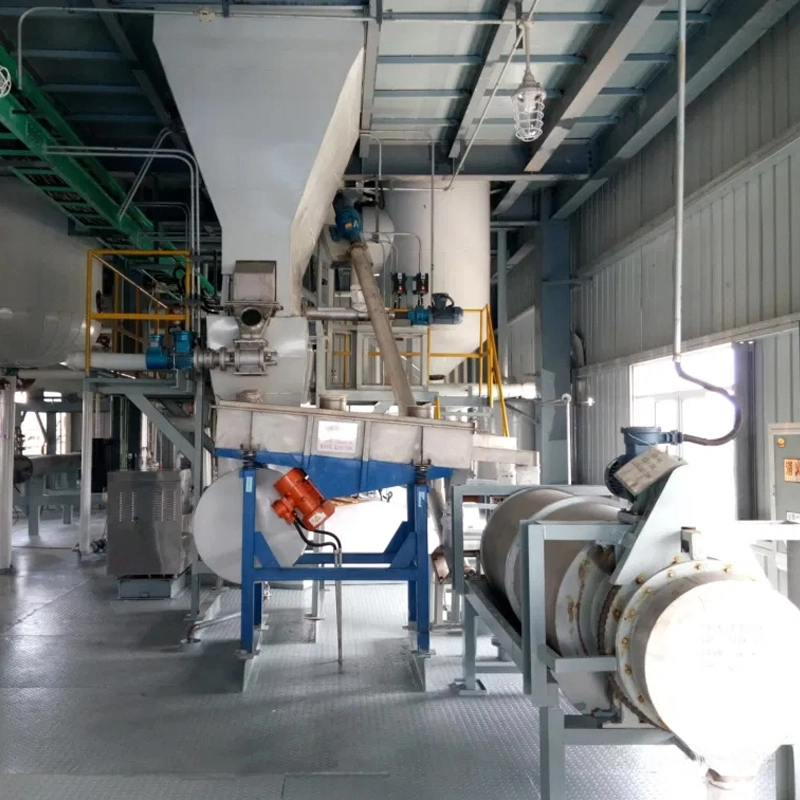
Calcium chloride stands out as a versatile compound in many sectors. This salt appears in forms like flakes, pellets, or liquid solutions. It draws moisture from the air, making it handy for drying tasks. Factories produce it in large volumes to meet demands in roads, food, and chemicals.
Key Properties of Calcium Chloride
It melts ice fast at low temperatures. The compound releases heat when mixed with water. Purity levels often hit 95% or higher in industrial grades. Such traits make it reliable for tough jobs. Workers handle it with care due to its corrosive nature on metals.
People search for ways to grasp this material’s role. Anhydrous calcium chloride production focuses on removing water to get a dry product. This form suits storage and transport better.
The Core Manufacturing Process
Production starts with simple raw materials. Hydrochloric acid and limestone react to form calcium liquid. Then, drying turns it into granules or powder. Tail gas gets cleaned through washing and desulfuration. This keeps emissions low.
Step-by-Step Breakdown
First, mix acid with stone in reactors. Heat speeds up the reaction. Next, filter out impurities. Spray the liquid into a fluidized bed for drying. Hot air evaporates water, leaving solid particles. Collect the product and package it.
In real setups, like those in chemical plants, this process runs continuously. Energy use drops when heat exchange improves. For instance, outlet gas stays cooler than the product, saving fuel. Calcium chloride manufacturing process varies by acid source, but limestone stays constant.
Check out detailed setups at Calcium Chloride Production Line. Plants adjust output from small batches to thousands of tons yearly.
Essential Equipment in Production
Lines include reactors, dryers, and filters. Spray fluidized beds handle granulation well. They boost contact between air and liquid, cutting energy needs. Pipes and valves resist corrosion from acids.
Main Components and Their Roles
- Reactors: Where acid and stone meet. Built tough to handle heat and pressure.
- Dryers: Fluidized types dry fast. They prevent clumps by moving material constantly.
- Filters: Remove solids from liquids. This step ensures clean output.
- Gas Scrubbers: Clean exhaust. They trap pollutants before release.
Equipment like this lasts long with proper care. In factories, automated controls adjust feeds automatically. This cuts labor and errors. Calcium chloride plant equipment often features PLC systems for smooth runs.
Explore options in Calcium Chloride Production Category. Custom designs fit different scales.
Benefits of Advanced Production Lines
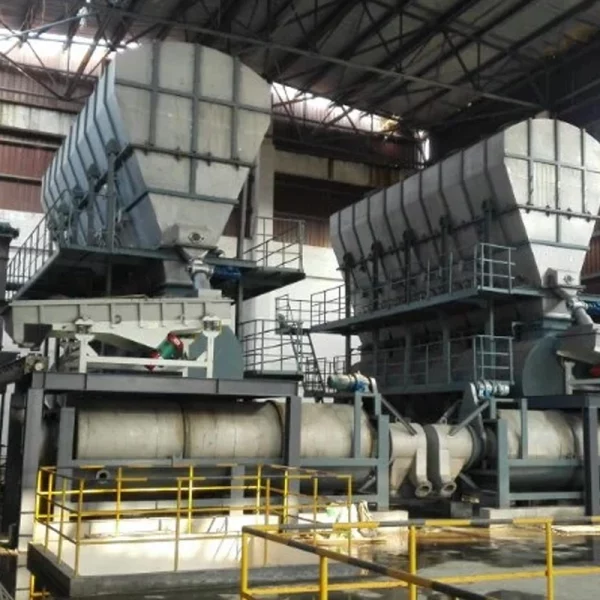
Modern lines cut costs and waste. They recover acid from gases, reusing it. This boosts efficiency. Environmental rules push for cleaner methods. Low energy use means smaller bills.
Efficiency Gains and Cost Savings
Heat recovery systems reuse warmth from exhaust. This shaves off 20-30% from fuel costs in some plants. Stable operations handle feed changes without stops. High purity products fetch better prices.
Sustainability matters too. Treated gas meets strict standards. Less material loss keeps profits up. Energy efficient calcium chloride production relies on smart designs like better flue paths.
Lines adapt to various acids, from bleach byproducts to pure sources. This flexibility helps in regions with mixed supplies.
Wide-Ranging Applications
Calcium chloride touches many fields. It de-ices roads in winter. Factories use it to dry gases. Builders add it to concrete for faster sets.
Industry-Specific Uses
In chemicals, it removes sulfates and coagulates alginates. Refrigeration plants employ it for cooling brines. It dries air in systems, preventing moisture buildup.
- Road Maintenance: Spread on highways to melt snow. Airports use it for safe runways.
- Food Sector: Preserves fruits like apples by stopping rot. It acts as a firming agent in cans.
- Oil Drilling: Stabilizes fluids in wells. It dehydrates petrochemicals.
- Dust Control: Sprayed on mines to keep particles down. This cuts health risks.
Metallurgy adds it as a chlorinating agent. Paper mills de-ink waste with it. Such broad uses drive demand. Calcium chloride uses in industry span from farms to factories.
Learn more about the company behind these solutions at SOP Plant. Their expertise covers global needs.
Setting Up a Production Facility
Planning starts with site choice. Near raw materials cuts transport costs. Permits cover emissions and safety. Scale depends on market size—start small, expand later.
Installation and Operation Tips
Install reactors on stable bases. Wire controls for auto monitoring. Train staff on handling acids safely. Regular checks spot wear early.
Costs vary by size. A mid-scale line might run continuously, producing steady output. How to set up calcium chloride production line involves engineers for custom fits.
Certifications like ISO9001 ensure quality. Plants with these draw more clients. Global exports require meeting standards in places like Europe or Asia.
For insights into reliable suppliers, visit About Us. They offer guidance from design to startup.
Supplier Spotlight: Hebei Aoliande Chemical Equipment Co., LTD.
Hebei Aoliande Chemical Equipment Co., LTD. serves as a key supplier for calcium chloride production line setups. Based in Hengshui City, Hebei Province, China, this firm started in 2016. It employs over 300 staff and holds ISO9001, ISO14001, and OHSAS18001 certifications. The company provides full services, from design to installation. It exports to countries like the USA, Brazil, and India. Their lines achieve 95% purity and adapt to various acid sources. Customers get technical support, material supply, and training. This builds trust in global markets.
Conclusion
Grasping the ins and outs of calcium chloride production line opens doors to better operations and choices. From raw reactions to final uses, these systems deliver value. They balance efficiency with eco-friendly practices. Businesses gain from high-purity outputs and versatile applications. Picking the right setup boosts output and cuts waste. In the end, solid knowledge leads to smarter investments in this field.
FAQs
What is the main raw material in calcium chloride manufacturing process?
Hydrochloric acid and limestone form the base. Acid comes from sources like bleach byproducts or caustic soda production. This reaction yields calcium liquid, then dried into solids.
How does anhydrous calcium chloride production ensure high purity?
Drying in fluidized beds removes water fully. Filters catch impurities early. Tail gas scrubbing prevents contamination. Resulting products reach 95% purity or more.
What are key benefits of energy efficient calcium chloride production?
It lowers fuel use through better heat exchange. Systems recover waste heat and acid. This cuts costs and meets green standards. Stable runs handle varying inputs without extra energy.
Why choose a custom calcium chloride plant equipment setup?
Custom fits match output needs, from small to large scales. It adapts to local acid supplies. Automation reduces labor. Overall, it improves reliability and profit margins.