
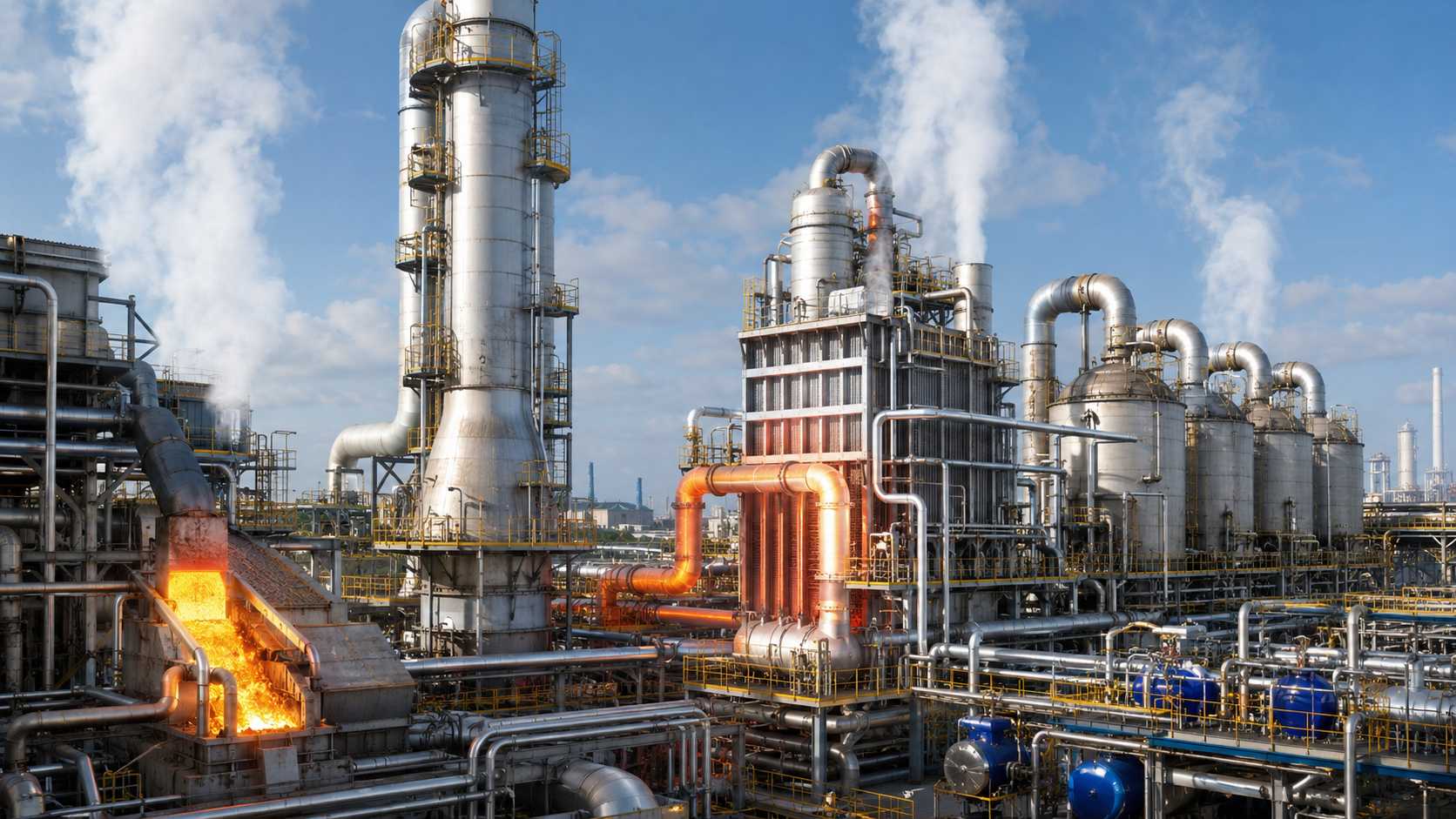
A sulfuric acid production line is often judged by capacity, acid concentration, emission control, and equipment cost. Yet one factor quietly changes the full financial picture: waste heat recovery. In a sulfur-based acid plant, heat is not a side effect to be removed as fast as possible. It is a usable energy stream.
For fertilizer plants, chemical parks, mining-related chemical projects, and potassium sulfate producers, recovered heat can support steam generation, lower fuel demand, reduce cooling load, and improve plant payback. A good heat recovery design does not simply make the line look more advanced. It changes daily operating cost.
Why Does Waste Heat Matter in Sulfuric Acid Production?
Sulfuric acid production releases large amounts of heat during sulfur combustion and SO₂ conversion. If this heat is poorly handled, the plant needs more cooling, more utilities, and more attention from operators. If it is captured well, the same thermal energy can support the main plant.
Heat Is Part of the Process Value
In a sulfur burning sulfuric acid plant, dry air reacts with molten sulfur in the sulfur combustion furnace. The hot furnace gas then enters the waste heat boiler before going to the converter. This step has two jobs. It cools process gas to a suitable reaction temperature and recovers heat for steam generation.
That is why a waste heat boiler is not a minor accessory. It sits close to the economic heart of the plant. A stable boiler helps control gas temperature, protects downstream catalyst layers, and turns part of the reaction heat into useful steam.
Where Can Heat Be Recovered in the Production Line?
A sulfuric acid production line has several heat recovery points. Each one has a different temperature level, equipment duty, and business value.
Main Heat Sources in the Plant
| Heat source | Typical equipment | Practical value |
| Sulfur combustion gas | Waste heat boiler | Generates steam and cools hot gas |
| Converter gas between catalyst beds | Superheater and heat exchanger | Controls reaction temperature and improves steam quality |
| Gas before absorption | Economizer and heat exchanger | Recovers lower-grade heat and supports steady gas cooling |
| Acid circulation system | Acid cooler | Keeps absorption stable and reduces thermal stress |
High-temperature heat from the combustion and conversion sections usually brings the strongest ROI. It can produce steam for the main plant, adjacent units, or utility systems. Lower-temperature heat may not carry the same value, but it can still cut water use, cooling pressure, and utility waste when matched with the right process demand.
How Does a Waste Heat Boiler Improve ROI?
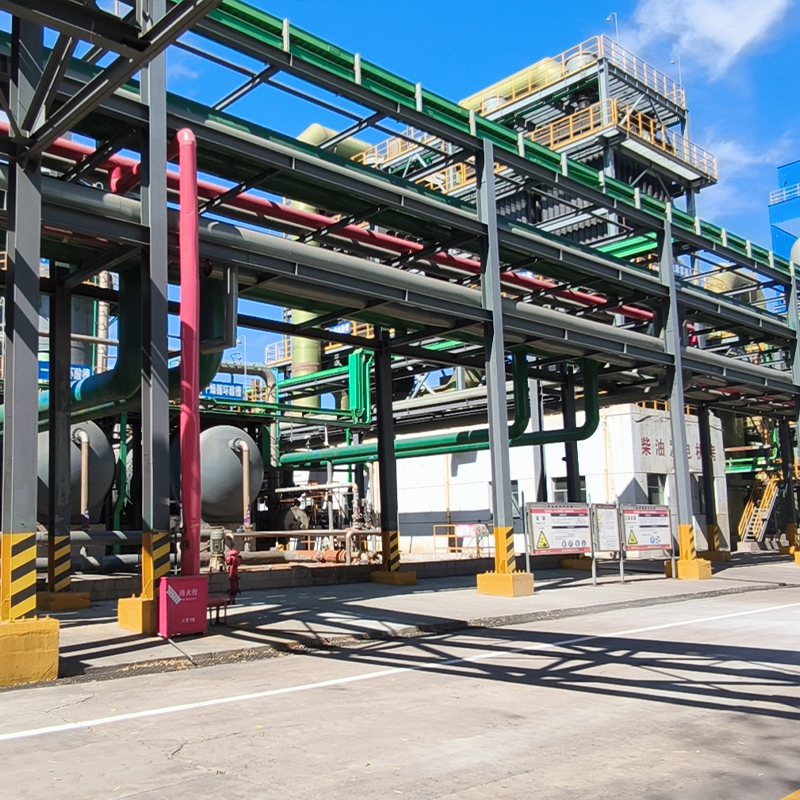
ROI in a sulfuric acid plant depends on more than the first quotation. A cheaper line with weak energy recovery may cost more over five or ten years. A line with stronger heat recovery can ask for higher initial investment, but it may return value every production day.
It Reduces Fuel and Steam Purchase
Many chemical sites need steam for tanks, pipelines, drying systems, preheating, or nearby production units. When a waste heat boiler generates usable steam from process gas, the plant can reduce purchased steam or fuel burned in a separate boiler.
For a fertilizer factory, this is especially useful. Steam from the sulfuric acid plant can support other acid-related or fertilizer-related processes. In some sites, excess steam can also be sent to power generation equipment. Even if power generation is not part of the project, steam reuse inside the plant can reduce monthly utility spending.
It Supports Stable Process Control
The converter needs the right gas temperature for efficient SO₂ to SO₃ conversion. Heat exchangers, superheaters, bypass lines, and economizers help keep each reaction stage within a workable range.
When temperature control is poor, the plant may face unstable conversion, higher tail gas pressure, more operator intervention, or faster equipment fatigue. These issues do not always appear in the purchase price, but they show up later as downtime, maintenance work, and lost production.
What Should Buyers Check in a Heat Recovery Design?
Not every waste heat recovery system brings the same value. The right design depends on plant size, steam demand, local energy price, raw material route, water availability, and future expansion plans.
Practical Questions Before Quotation
Before choosing a sulfuric acid production line supplier, buyers should check:
- Target acid capacity and expected operating hours per year
- Required acid concentration and downstream acid use
- Steam pressure, steam temperature, and actual steam users
- Whether steam will serve only the acid plant or nearby production lines
- Cooling water availability and local utility price
- Material selection for hot gas, acid, and steam sections
- Maintenance access around the waste heat boiler and heat exchangers
- Automation level for temperature, pressure, and flow monitoring
- Tail gas treatment needs during normal operation and startup
These points make the sulfuric acid plant quotation more useful. They also reduce the risk of buying equipment that looks complete but does not fit the site’s real energy balance.
How Does Heat Recovery Affect Sulfuric Acid Plant Cost?
Waste heat recovery can raise the equipment budget because it adds duty to the boiler, superheater, economizer, piping, instruments, and safety systems. But the better question is not “Does it cost more?” The better question is “How much can it save during operation?”
CAPEX and Operating Cost Need to Be Read Together
A sulfuric acid plant cost estimate should include both capital cost and operating cost. The upfront price covers equipment and project scope. The operating cost covers fuel, power, water, maintenance, spare parts, operator workload, and unplanned downtime.
For example, a plant with stronger steam recovery may reduce fuel use in other areas of the site. A layout with better heat exchanger access can make cleaning and inspection easier. A design with reliable temperature control can reduce the chance of frequent shutdowns.
The payback period will vary from site to site. Energy prices, local labor cost, steam use, and annual operating days all matter. Still, heat recovery is often one of the most direct ways to make a sulfuric acid production line more profitable after startup.
Which Applications Benefit Most from Heat Recovery?
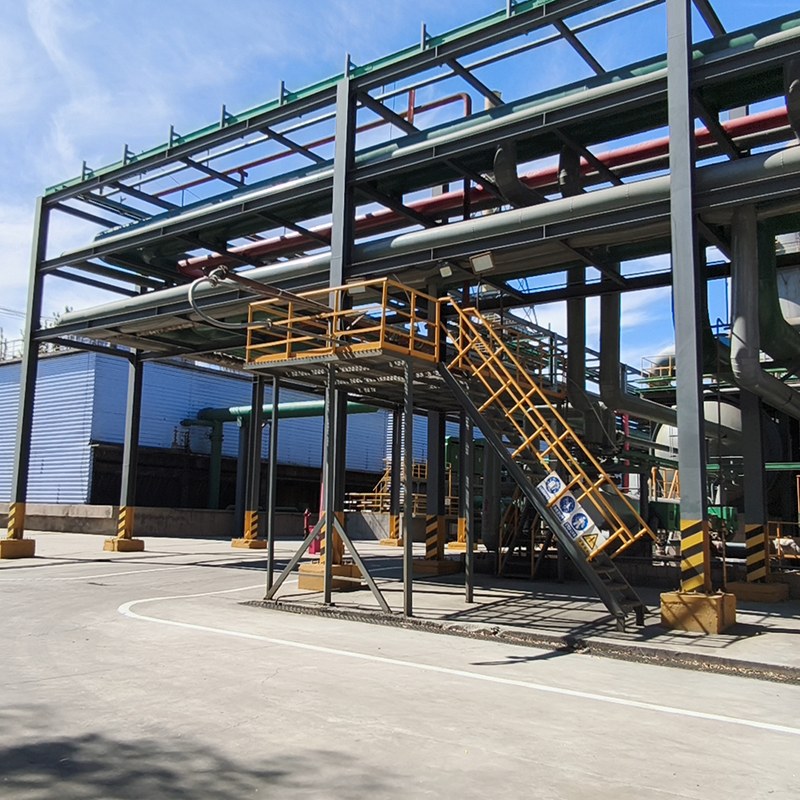
Heat recovery is valuable in many sulfuric acid projects, but some users feel the benefit faster than others.
Fertilizer and Chemical Production Sites
Fertilizer plants often use sulfuric acid near other steam-consuming processes. The steam recovered from the acid line can support production of phosphate fertilizers, water soluble fertilizers, or related chemical products. When sulfuric acid production is part of a larger chemical site, the value of steam is usually easier to capture.
Potassium Sulfate Production Projects
In Mannheim process potassium sulfate production, sulfuric acid is a key raw material. A site that plans both sulfuric acid supply and fertilizer production needs to think about energy flow across the whole plant, not just one line. Heat recovery in the acid plant may support utility planning and improve the total project economics.
Remote or Energy-Cost-Sensitive Projects
In areas where fuel, electricity, or boiler operation is expensive, steam recovery can make a clear difference. For remote projects, lower dependence on outside utilities may also improve production reliability.
Why Work with Hebei Aoliande Chemical Equipment Co., LTD.?
Hebei Aoliande Equipo Químico Co., LTD. supplies chemical production equipment for industrial projects, including sulfuric acid production line solutions and other chemical equipment systems. For buyers comparing sulfuric acid production line suppliers, the company offers practical value through manufacturing capacity, material and structure design ability, technical advice, equipment supply, transportation support, and installation supervision service.
As a sulfuric acid production line supplier, Aoliande’s process coverage includes sulfur melting, sulfur combustion and conversion, drying and absorption, and final product handling. The production line can include key equipment such as sulfur combustion furnace, waste heat boiler, converter, superheater, heat exchanger, economizer, absorption tower, acid circulation system, acid cooler, storage system, and tail gas treatment equipment.
For project buyers, this matters because heat recovery is not a single machine decision. It is tied to process layout, steam demand, temperature control, materials, corrosion resistance, maintenance access, and long-term operating cost.
Conclusión
Waste heat recovery can turn a sulfuric acid production line from a simple acid-making system into a stronger energy asset. A well-designed waste heat boiler, superheater, heat exchanger, and economizer can support steam generation, reduce fuel demand, improve temperature control, and lower daily operating cost.
For buyers, the best decision is not always the lowest quotation. The better choice is a sulfuric acid plant design that matches capacity, steam use, energy price, site layout, maintenance needs, and future production plans. When those details are clear, waste heat recovery becomes one of the most practical ways to improve sulfuric acid plant ROI.
Preguntas frecuentes
What is waste heat recovery in a sulfuric acid production line?
Waste heat recovery means capturing heat from sulfur combustion, SO₂ conversion, and related hot gas sections instead of wasting it through cooling. In a sulfuric acid production line, this heat can be used for steam generation, boiler feedwater heating, process heating, or other plant utilities.
Does every sulfuric acid plant need a waste heat boiler?
Most sulfur burning sulfuric acid plants need a waste heat boiler because the furnace gas is very hot before entering the converter. The boiler helps cool the gas to a suitable process temperature while producing useful steam. The exact design depends on capacity, steam demand, and site utility planning.
How does waste heat recovery reduce operating cost?
Waste heat recovery can reduce operating cost by lowering purchased steam, cutting extra boiler fuel, reducing cooling load, and improving process stability. Over time, these savings can support a better sulfuric acid plant ROI.
Can recovered heat be used for power generation?
Yes, in some larger projects, recovered heat can produce steam for a turbine generator. This depends on steam pressure, steam volume, local power price, and whether the plant has enough excess steam after meeting process needs.
What should be included in a sulfuric acid plant quotation?
A useful sulfuric acid plant quotation should define capacity, process route, waste heat recovery system, waste heat boiler, converter, absorption system, acid cooling system, tail gas treatment, automation level, material selection, installation support, and supply scope.