
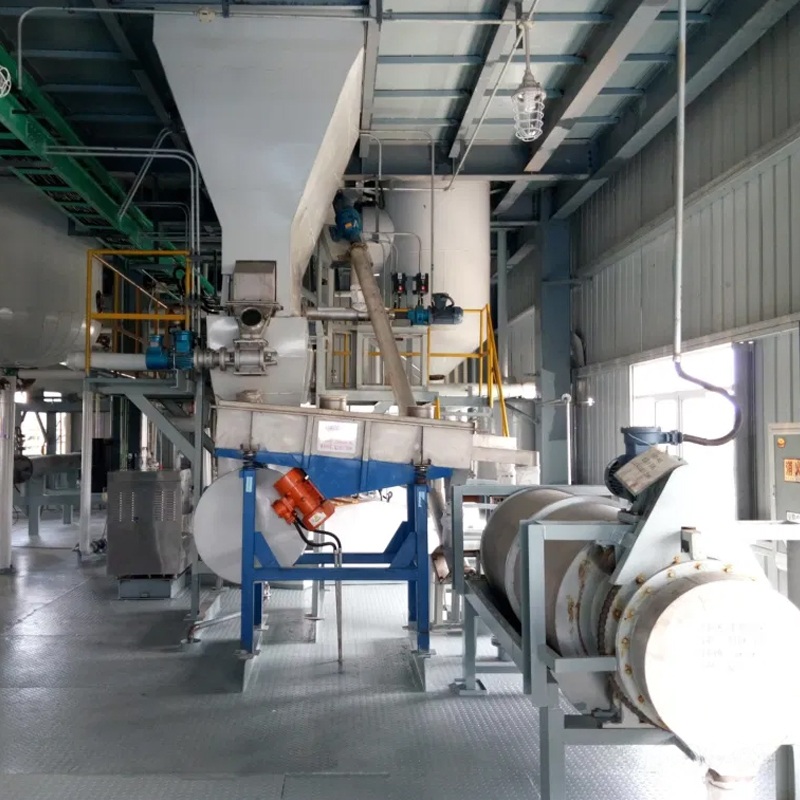
 Chemical production lines form complex setups. They rely on exact teamwork among various parts. These include reactors, pumps, control systems, and human operators. Small changes in design or process details can cause problems. Such issues might lead to waste or full stoppages. These troubles come from the basic nature of chemical reactions. They also arise from the need for steady watching to keep product standards and safety intact. If one machine breaks down, or if a worker misreads a signal, the whole line suffers. Thus, spotting issues in production lines soon is key. It helps avoid big risks like tainted goods, broken gear, or safety dangers.
Importance of Addressing Production Line Problems Early
Quick action in chemical plant work can stop minor glitches from growing into big breakdowns. Finding faults soon cuts lost time. It also keeps steady production levels. Plus, using safety steps boosts smooth running and lasting dependability. A forward-thinking way to upkeep and checking lets firms use resources better. It lowers expenses from sudden fixes and surprise halts.
What Causes Chemical Production Lines to Fail?
Design and engineering deficiencies represent one of the primary causes behind chemical production line failures.
Design and Engineering Deficiencies
A top reason for chemical plant breakdowns is weak design and planning. Bad specs often mean gear that doesn’t match or materials unfit for the conditions. This brings low output, like uneven flows or shaky heat management. Also, poor setup plans slow raw material movement. That raises chances of mixing errors or reaction upsets. Another big problem is skimpy testing in the early stages. Without strong trials and small-scale tests, flaws stay hidden. They only show up when full work starts.
Equipment Malfunctions and Maintenance Issues
Machines get old over time. Their work drops because of regular use and damage. Old pumps, valves, or heat units might leak or lose steady pressure. These issues upset process balance. Steady tuning is vital for exact reactions in chemicals. Yet, many sites put off these checks due to tight schedules or money limits. Skipping upkeep plans cuts machine life short. It also boosts odds of sudden stops that end all work.
Human Error and Operational Mismanagement
People factors matter a lot in chemical plant steadiness. Workers without good training might read data wrong or handle items badly. This creates unsafe spots or low-grade results. Failures in talk between groups—like engineering, operations, and upkeep—can misalign goals or plans in crises. Without strong oversight and clear rules, even skilled staff might stray from normal ways. That lifts risks of mishaps or waste.
How Do External Factors Contribute to Plant Failures?
Before looking at ways to stop issues, think about outside forces. They impact inside work.
Supply Chain Disruptions and Raw Material Quality Issues
Breaks in supply chains worry chemical makers. They need steady raw material arrivals. Changes in material cleanness can shift reaction speeds. Results become hard to predict. Late deliveries might make plants stop or use untested backups. Both choices increase daily risks.
Environmental and Regulatory Pressures
Chemical plants face tough rules on the environment. These aim to guard health and nature. As leaders make stricter limits on releases and waste handling, firms must tweak their methods to follow. Breaking rules brings fines and possible forced closes by officials. Also, outside elements like weather shifts in heat or moisture can change reaction paces and machine output.
What Are Effective Strategies to Prevent Production Line Failures?
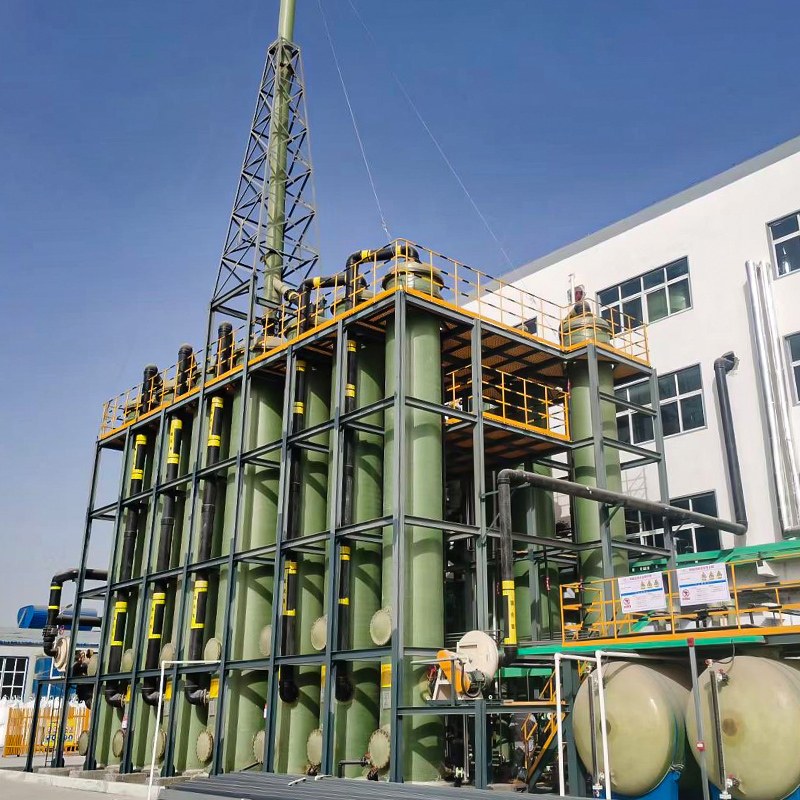
Fixing production line troubles needs tech advances and team effort.
Implementing Robust Process Control Systems
Auto tools cut human slips. They also make processes more even. Smart control setups watch key measures live. These include heat, force, flow speed, and makeup. By adding data review tools, workers spot odd patterns early. They act before troubles grow. Smart forecasts study patterns from many sensors. They catch small shifts that eyes might overlook.
Enhancing Workforce Training and Safety Culture
A skilled team is crucial for solid chemical plant running. Ongoing learning keeps staff in the know on gear use and dangers from site chemicals. Building a safety focus pushes workers to flag issues fast. They don’t wait until problems worsen. When people feel able to step in early, the whole site’s toughness rises a lot.
Establishing Predictive Maintenance Programs
Forward upkeep mixes sensor info with study models. It guesses when parts might break based on how they’re used. This lets fix teams plan work ahead of failures. It cuts surprise lost time. Normal checks keep steady good quality. They ensure all machines run in set limits.
How Can Project Management Practices Reduce Chemical Plant Risks?
For smooth project flow from idea to start-up, good management ways are vital.
Importance of Cross-functional Coordination in Project Planning
Teamwork across roles joins engineers, chemists, workers, safety experts, and buyers in early steps. This mix makes choices that fit tech needs and daily use. Open talk paths cut mix-ups in building or launch times. That’s key in big projects with many builders or sellers.
Risk Assessment and Contingency Planning Methods
Full risk checks spot likely blocks before main work begins. Teams run fake failure cases, like power cuts or dirty inputs. From this, they build backup plans to limit harm if issues hit. Such plans often cover spare setups for must-have services like cooling or air pressure. They also have set steps for quick fixes in urgencies.
Why Choose Hebei Aoliande Chemical Equipment Co., LTD.?Before wrapping up on stop strategies, note a solid industry ally. It excels in chemical production line fixes.
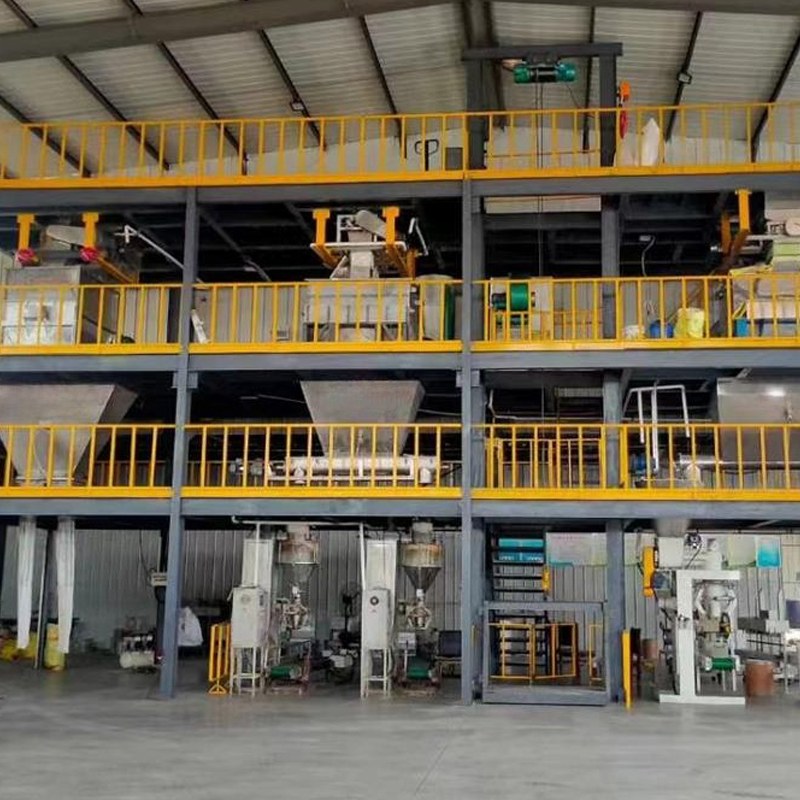
Hebei Aoliande Equipo Químico Co., LTD., acts as a steady helper for firms wanting custom line designs. These fit exact process needs. The firm focuses on making top-notch reactors, distillation units, heat exchangers, and other main parts for smooth work. Its stress on quality watch meets global safety rules. It keeps reliable long-run output in many uses.
Plus, Hebei Aoliande’s engineering group offers full tech aid. This runs from first talks to setup and start-up. It aids clients in blending new parts into old setups without hitches.
Conclusión
Many chemical plant breakdowns stem from linked causes. These include bad design picks, ignored upkeep habits, weak learning setups, or outside shakes firms can’t control. To cut these dangers well, companies should blend smart watch tech with firm people checks.
Putting money into auto systems for live checks, along with full staff growth plans, builds safer spots. It also lifts output to the max.
Working with skilled providers like Hebei Aoliande Chemical Equipment Co., LTD., boosts daily steadiness. It makes sure each step—from plan to hand-off—follows top factory ways.
Preguntas frecuentes
What are the main warning signs of an impending chemical plant failure?
Early clues show in uneven product checks, like shifting strength or hue shifts in goods. Also, watch for repeated force changes in reactors. Frequent alerts from controls signal trouble. Or, a quick rise in upkeep tasks over brief periods.
How often should a chemical production line undergo preventive maintenance?
The timing hinges on setup detail and work load. But it usually means monthly looks at key parts like pumps and valves. Then, full yearly reviews cover whole lines. These include tool tuning.
Can automation completely eliminate human error in chemical plants?
Auto tools greatly lower hand mistakes. They set standard repeats under watched limits. But it can’t swap human smarts in surprise cases. Think emergency stops or fixing bad batches. Skilled workers stay key for right calls in those spots.