
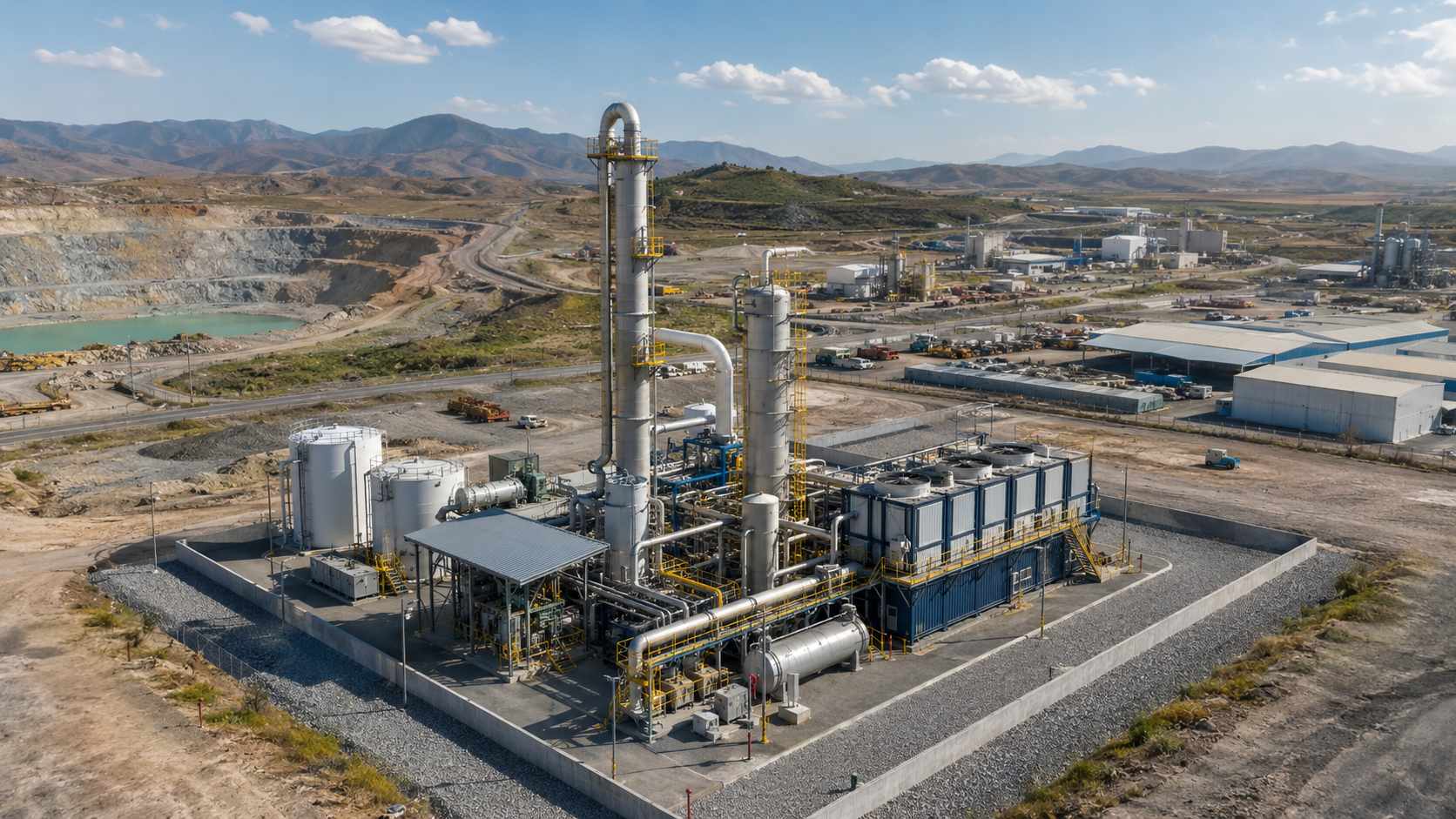
Sulfuric acid is low-cost only when supply is close, stable, and predictable. For mines, remote industrial parks, and captive chemical projects, that condition often breaks down. Long-distance acid transport brings tanker scheduling, storage risk, road limits, port delays, and price swings. A small modular sulfuric acid plant can shift the risk by moving acid production closer to the point of use.
What Makes a Sulfuric Acid Plant “Small” and “Modular”?
Small does not mean simple. A sulfuric acid plant still handles hot gas, corrosive liquid, SO₂ conversion, drying, absorption, cooling, storage, and tail gas treatment. Modular means the plant is planned in functional sections, so transport, installation, maintenance, and later expansion become easier than with a fully field-built plant.
Core Sections in a Sulfur-to-Acid Line
| Section | Main job | Buyer focus |
| Sulfur melting | Prepares clean liquid sulfur | Filtration, steam use, impurities |
| Combustion and conversion | Turns sulfur into SO₂, then SO₃ | Temperature, catalyst, gas flow |
| Drying and absorption | Produces concentrated acid | Tower design, circulation, mist control |
| Cooling and storage | Sends acid to tanks or loading | Materials, pumps, containment |
| Tail gas handling | Reduces SO₂ and acid mist | Scrubber design, monitoring points |
A sulfuric acid production line should be judged as a complete process, not a set of unrelated machines.
Who Should Consider a Small Modular Sulfuric Acid Plant?
The best candidates share one feature: acid availability affects the main business. In these cases, acid is not just a raw material. It is a production lifeline.
Mining Projects with Constant Acid Demand
Mining is one of the clearest use cases. Copper oxide leaching, nickel laterite processing, cobalt recovery, titanium dioxide feed preparation, and metallurgical operations may consume acid every day. A mine can sit hundreds of kilometers from the nearest chemical hub. During rainy seasons, road bans or port congestion can turn acid delivery into a daily operating risk.
A sulfuric acid plant for mining makes sense when the site has:
- predictable acid demand for several years;
- safe space for acid storage and loading;
- access to sulfur, water, power, and trained operators;
- steam or heat users near the acid unit;
- tight control over acid quality and delivery timing.
For a remote mine, the key question is not only “what is the acid price per ton?” It is also “what does one week of acid shortage cost?”
Remote Industrial Parks
A remote industrial park may host fertilizer blending, sulfate production, water treatment chemicals, battery material processing, or metallurgy-related units. If several plants use acid, one sulfuric acid production line can become shared infrastructure.
Modular design helps because demand rarely grows in a straight line. The first phase may serve one anchor project. Later, new tenants may need acid, steam, or downstream chemical links. The owner should leave room for storage expansion, loading bays, pipe racks, and utility upgrades.
Captive Chemical and Fertilizer Projects
A captive sulfuric acid plant fits projects that use acid inside their own production chain. The goal is not to sell acid on the open market. The goal is to keep the main line running.
Fertilizer plants are a common example. Sulfuric acid may support potassium sulfate production, phosphate processing, or related chemical steps. In a captive use project, a steady internal acid balance can reduce exposure to market shortage and give managers better control over concentration, timing, and inventory.
When Modular Acid Production Is Not the Best Choice
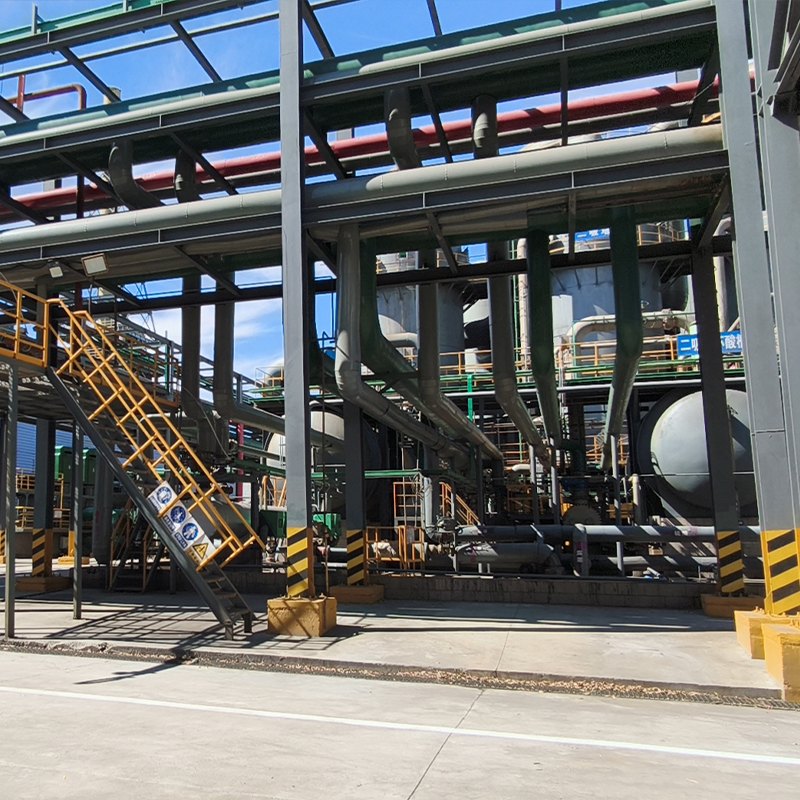
Not every site should build its own acid plant. If acid is available nearby at stable prices, a new unit may add complexity without enough return. If the project has weak utility supply, limited environmental approval, or no experienced operators, the risk rises quickly.
A small modular sulfuric acid plant may not fit when acid demand changes sharply, sulfur supply is uncertain, the site cannot manage SO₂ and acid mist, permit timing is too long, or the downstream plant may close before the acid unit pays back.
Key Selection Factors Before Buying
A sulfuric acid production line is a long-term site asset. Buyers should compare more than capacity and price.
Capacity, Utilities, and Process Route
Start with daily acid demand, not nameplate ambition. A line that is too small creates bottlenecks. A line that is too large may run below its efficient range. Site demand should be mapped by month, including ramp-up, shutdowns, and second-phase users.
The raw material route matters too. Elemental sulfur is common for new sulfur-burning units, but each project should check sulfur purity, delivery form, storage rules, and melting needs. Utilities also shape the design. Power quality, boiler feed water, cooling water, instrument air, and steam users all affect layout and cost.
Safety and Environmental Control
Sulfuric acid plants need strict operating discipline. Good design should include corrosion-resistant materials in wet acid areas, controlled gas paths, acid-proof containment, clear drainage, emergency showers, gas monitoring, and safe access for maintenance.
SO₂ emission control, acid mist control, and tail gas scrubbing should match the local permit, not a generic target. Remote does not mean loose. In many mining regions, inspection is stricter because acid plants are tied to water, air, and soil risk.
Buyer Checklist
Before sending an inquiry, prepare these details:
- target capacity per day or per year;
- required acid concentration;
- sulfur source, purity, and delivery form;
- site altitude, climate, and cooling water data;
- available power, steam demand, and boiler feed water quality;
- emission limits for SO₂ and acid mist;
- storage tank volume and loading method;
- required scope: equipment supply, installation guidance, commissioning, or EPC support.
Good data leads to a clearer quotation.
Product Solutions for Integrated Chemical Projects
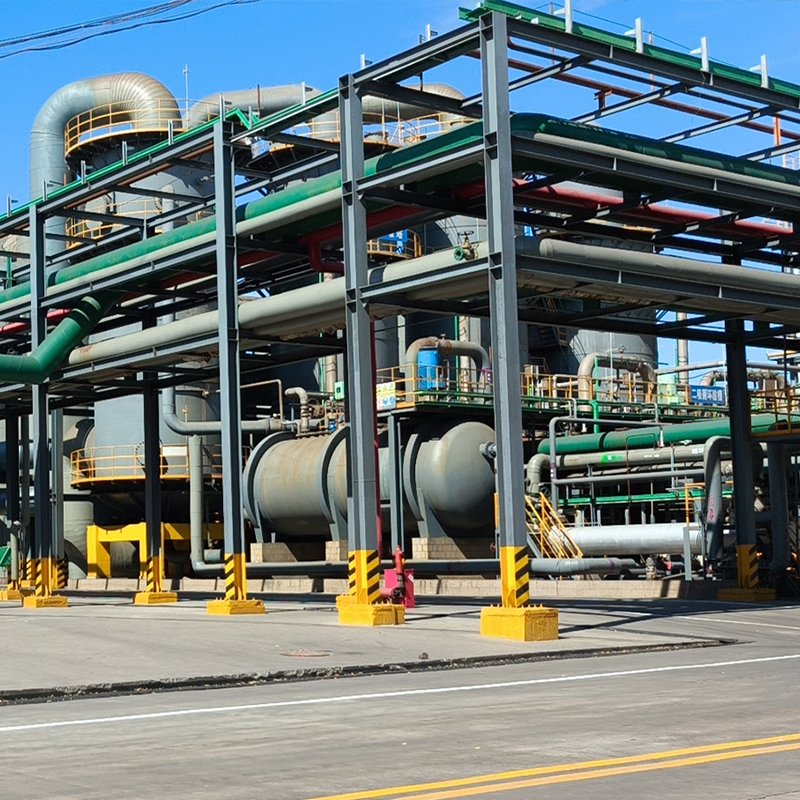
A sulfuric acid production line is often part of a wider industrial plan. For many investors, the better question is how the acid plant connects with upstream sulfur supply and downstream product value.
Línea de producción de ácido sulfúrico
The sulfuric acid production line can be built around sulfur melting, sulfur combustion and conversion, drying and absorption, and final acid handling. For mining and captive use projects, this structure gives a clear way to review where sulfur enters, where heat is generated, where concentration is controlled, and where finished acid moves to storage or plant users.
For sites with limited staff, automatic control and a clear operating interface matter. Operators need stable readings for temperature, gas flow, acid concentration, pump status, and tail gas treatment.
Downstream Lines That May Fit the Same Industrial Park
A remote chemical park may also plan linked production lines that use acid, hydrochloric acid, or fertilizer raw materials. Potassium/sodium sulfate production can connect with sulfate fertilizer chemistry. Calcium chloride production can help turn hydrochloric acid streams into saleable products. Water soluble fertilizer production may add value near farming markets. HPMC production fits chemical parks with stronger utility and packaging systems.
This does not mean every project should build all units. It means investors should check by-product use, raw material flow, storage, packaging, and local demand together.
Hebei Aoliande Chemical Equipment Co., LTD. as a Supplier
Hebei Aoliande Equipo Químico Co., LTD. supplies industrial production equipment for chemical and composite material applications, including sulfuric acid production line solutions and related chemical production lines. Its range covers potassium/sodium sulfate production line, calcium chloride production line, water soluble fertilizer production line, HPMC production line, and FRP/GRP equipment.
For buyers comparing a sulfuric acid plant supplier, the value is not only the equipment list. Practical support matters during early project discussion, layout review, material selection, shipment planning, installation guidance, and commissioning preparation. A supplier with both manufacturing capability and design support can help project owners turn process requirements into a workable plant scope.
The company also has management system certifications and export experience across multiple regions. For overseas buyers, this helps with documentation, shipping terms, communication, and after-sales coordination.
Conclusión
A small modular sulfuric acid plant could be an appropriate solution where the supply of acid to a site can create continuity problems. This could apply to mines, remote industrial sites, captive chemical or fertilizer plants. The decision to select a small plant would depend upon several factors including stable demand, reliable sulfur supply, adequate utilities, emission controls, available plant operator skill, and value of downstream products.
Inquiring about a site for a sulfuric acid plant is not merely a matter of asking for a price to be quickly supplied by a supplier. A useful inquiry into the possibility of supplying a sulfuric acid plant at a given site includes a description of the site as well as the following information which enables the supplier to draw up a suitable proposal: capacity, acid concentration, raw material supply route, utility supply, storage, emissions limits, project scope.
Preguntas frecuentes
Is a sulfuric acid plant suitable for mining projects?
Yes, when the mine has steady acid demand, long transport distance, reliable sulfur access, and trained operators. It is especially relevant for leaching and hydrometallurgical projects where acid shortage can slow the whole operation.
How much does a sulfuric acid production line cost?
Sulfuric acid production line cost depends on capacity, sulfur route, acid concentration, materials, automation, emission control, heat recovery, storage tanks, loading system, and site service scope. A useful quotation needs site data.
How do buyers choose a sulfuric acid plant supplier?
Buyers should check process design ability, manufacturing experience, material selection, corrosion control, safety design, emission treatment, automation, installation support, commissioning guidance, and spare parts service.