
A daily output number looks very easy on an RFQ. But the real plant behind it is much harder to build. Your calcium chloride plant capacity depends on many things. You must look at product concentration and your yearly running time. Acid quality, limestone type, drying needs, power, and packing speeds matter too. All these facts shape your calcium chloride plant capacities from the reaction spot all the way to the warehouse.
A good calcium chloride production line uses one steady rule for every step. This covers reaction, liquid preparation, drying, exhaust treatment, and packing. If these parts do not match well, you cannot sell as much in the end.
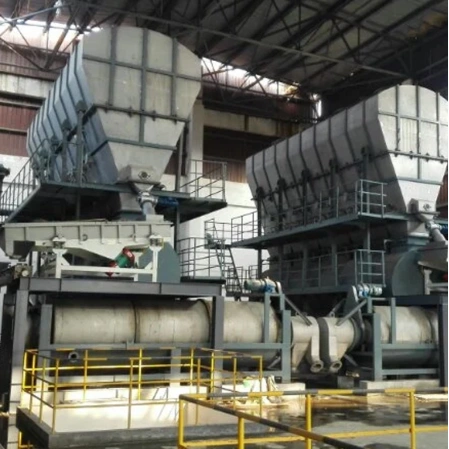
How Should You Set Calcium Chloride Plant Capacity?
Start with what you can actually sell. After that, work backward through your running time and product rules. A promised capacity must be very clear. It should state if the output means the finished product or 100 percent CaCl2 equivalent. That one short sentence can stop a really long fight when you test the plant later.
Start with Saleable Output
You need two basic math steps. First, divide your yearly saleable output by your working days to find the daily output. Then, divide that daily number by your daily hours to get your hourly output. Add extra time for start-up, cleaning, and repairs. You also need time for screening returns and recycling products.
Le calcium chloride production line capacity needs to show a steady saleable output. This must use a set feed and power rule that both sides agree on. Using this exact same rule makes each CaCl2 plant capacity easy to compare.
Define the Product Before the Equipment
Liquid calcium chloride, thick mix, and anhydrous dry pieces work differently. They put different heavy loads on your heaters and dryers. Think about an anhydrous calcium chloride plant. Its normal process starts with calcium liquid preparation. Then, it moves on to drying and granulation. The process details also show a big fact. The anhydrous product can reach above 95 percent purity. Your paper contract must link this big number to feed checks, moisture, how you test it, and the final run test.
Check the Feed Before Sizing Equipment
The HCl and limestone process needs more than just two simple names. You really need to know the acid concentration and its bad bits. You also need the heat level and how fast it flows. Your limestone info must cover CaCO3 content, size, water amount, and dirt. Acid sometimes comes from membrane caustic soda production. Other times, it comes from chemical work with PCl3, chloroacetic acid, or sodium sulfate.
Potassium sulfate and bleaching powder mother liquor are other ways to get it. Each flow has its own special chemistry. Lab tests tell you how to store things. They also guide the reaction, purification, parts, and waste cleanup.
Where Does Capacity Usually Tighten?
The promised output covers the whole line. Every single section needs enough space to work. They also need enough moving power for the exact same hourly job. Tiny size differences often cause trouble during long runs. You will see tanks get too full, filters slow down, or packing fall behind.
Reaction and Liquid Preparation
Hydrochloric acid mixes with limestone to prepare calcium chloride liquid. If your raw feed changes, it messes with your control. It also changes the heavy load on the sorting step. Tank size, mixing parts, transfer pumps, and purification equipment must all match your feed test. Smart computer controls step in to fix sudden shifts in acid flow or water levels.
Drying, Granulation, and Exhaust Handling
The listed path uses spray fluidized bed granulation. Its neat air flow helps float the wet stuff and pushes out the big chunks. A bigger touch space helps move the heat fast. At the same time, the gas out heat stays low. It stays below the top product heat limit set for the job. Drying power also depends on starting water and your final product rules. The exhaust system has to push all the bad gas through its cleaning steps. The offered line design cleans the dry gas through desulfurization and washing before letting the air out. But, your local city laws still decide the final cleaning and checking rules.
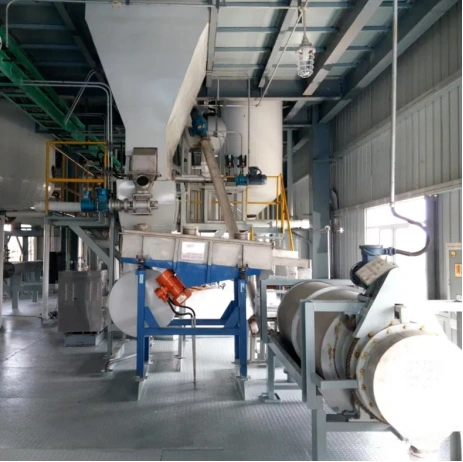
When Does a Modular Line Fit?
Un modular calcium chloride plant works great for a step-by-step project. It is perfect if you plan to add more output later. The first track can start making money right away. Meanwhile, your yard plan saves extra open room. It holds back pipe links, power, controls, and exhaust handling for the next tracks.
Build Around Planned Expansion
Your growth plan needs to cover a lot of things. Think about storage, reaction room, drying air, and heat. Water, compressed air, and packing must be ready too. Shared power setups need enough juice for the final big step. Make sure your pipe sizes and cable paths are big enough. Control points, crane spaces, and safe stop links finish your growth path. Building in blocks creates joining points between packages. You must write down who does the dirt work and the joining pipes. Write down who handles main power lines, controls, putting it together, and the first start-up. The production line file also shows other tools that might share yard connections.
What Does a Turnkey Line Cover?
A turnkey calcium chloride plant puts the whole ordered job inside one neat fence line. It can handle moving the raw feed and liquid preparation. It also does purification, drying, granulation, and screening. Gas treatment, packing, and smart computers are part of it too.
Set the Battery Limits Early
Un calcium chloride plant design also deals with pipes, valves, and wires. It includes meters and main power too. Always ask for the flow map and the parts list. Get the power list, yard map, and computer rules. You also need the first run plan and the performance test steps.
A turnkey contract really needs a clear job list. Point out who builds the concrete bases and who makes the power. Decide who lays yard pipes, puts up steel, gets papers, and teaches the workers. Fix who buys spare parts and tests the product. Clear job limits make the price quote and yard schedule much easier to handle.
How Should Modular and Turnkey Lines Be Compared?
Both setups can hit your exact same output goal. Your time plan, boss team, and yard power decide which way works best. Your growth plan matters a lot too.
| Decision Point | Modular Line | Turnkey Line |
| Capacity buildout | Adds planned blocks or units | Brings the full agreed output all at once |
| Site coordination | The boss team links the block parts | The seller handles the whole fenced space |
| Expansion | Uses saved hookups and shared power | Sticks to the very first design and yard map |
| Commissioning | Starts up step by step or by block | Starts up in one big chained run |
| Documentation | Block papers plus joining notes | One big book for the whole bought job |
The engineers you have on hand should guide your choice. Step-by-step blocks need a lot of boss teamwork to link up. But a turnkey contract puts most of the messy joining points inside one single job box.
What Should Go into Your RFQ?
A good RFQ gives enough numbers to size calcium chloride plant tools. It also states an output you can test fairly.
Yearly and daily saleable output
Product thickness, water amount, piece size, and bag size
Running days and hours
HCl source, how strong it is, dirt in it, heat, and flow
Limestone test, size, water, and feed speed
On-hand heat, power, water, and air
Yard weather, ground height, fence lines, and truck roads
Bad air and waste cleaning needs
Starting output and future growth goals
Putting it up, first run, teaching, and testing rules
Ask the seller which exact part limits your top steady output. Also, ask where they hide the safety design room.
Engineering Support that Matches the Capacity Plan
Once the RFQ rules are clear, someone must link everything up. They must connect reaction work, drying loads, power, controls, and growth links. Aoliande picks the best machines to hit your wanted yield. They build the line around calcium liquid preparation, spray drying and granulation, and gas treatment. They also focus on pipes, wires, meters, valves, and power. This big job fixes the tricky spots that normally sit between block packages.
For a modular project, the planning work maps out shared power and future hookups. For a turnkey project, it locks the process steps and yard connections inside one fence line. This same smart team can also handle shifts in feed speed and water levels when mapping out the running rules. In the end, you get a solid capacity plan tied perfectly to your exact product, raw feed, and yard facts.
FAQ (questions fréquentes)
Q1: What Determines Calcium Chloride Plant Capacity?
A: Many things set your real capacity. Product rules, yearly output, and running hours are key. Acid and limestone quality, drying needs, power, exhaust treatment, and packing speed also matter. The promise paper must clearly state if the output means finished product or 100 percent CaCl2 equivalent.
Q2: Can a Calcium Chloride Plant Expand in Modules?
A: Yes, it can. A smart modular line can add side-by-side tracks later. Your first yard map should save enough power space, open dirt, pipe hookups, wire paths, and control points. Exhaust treatment and product boxing needs space for that next step too.
Q3: What Raw Materials Does the Production Line Use?
A: The known anhydrous way uses hydrochloric acid and basic limestone. Leftover by-product hydrochloric acid can also work as feed after a lab test. Acid strength, dirt, limestone grade, piece size, and water guide the reaction and cleaning design.
Q4: What Purity Can the Line Produce?
A: The process notes show that the line can make anhydrous calcium chloride above 95 percent purity. Your final signed contract must list the feed rules, water levels, taking samples way, lab rules, running time, and passing scores for that big promise.
Q5: What Information Is Needed for a Capacity Proposal?
A: You need to give the seller your goal output, product rules, running schedule, feed lab tests, and power limits. Tell them the yard weather, boxing way, air cleaning needs, growth plan, and wanted job fence limits. These facts let the seller write a good calcium chloride plant capacity plan with clear parts and testing rules.