
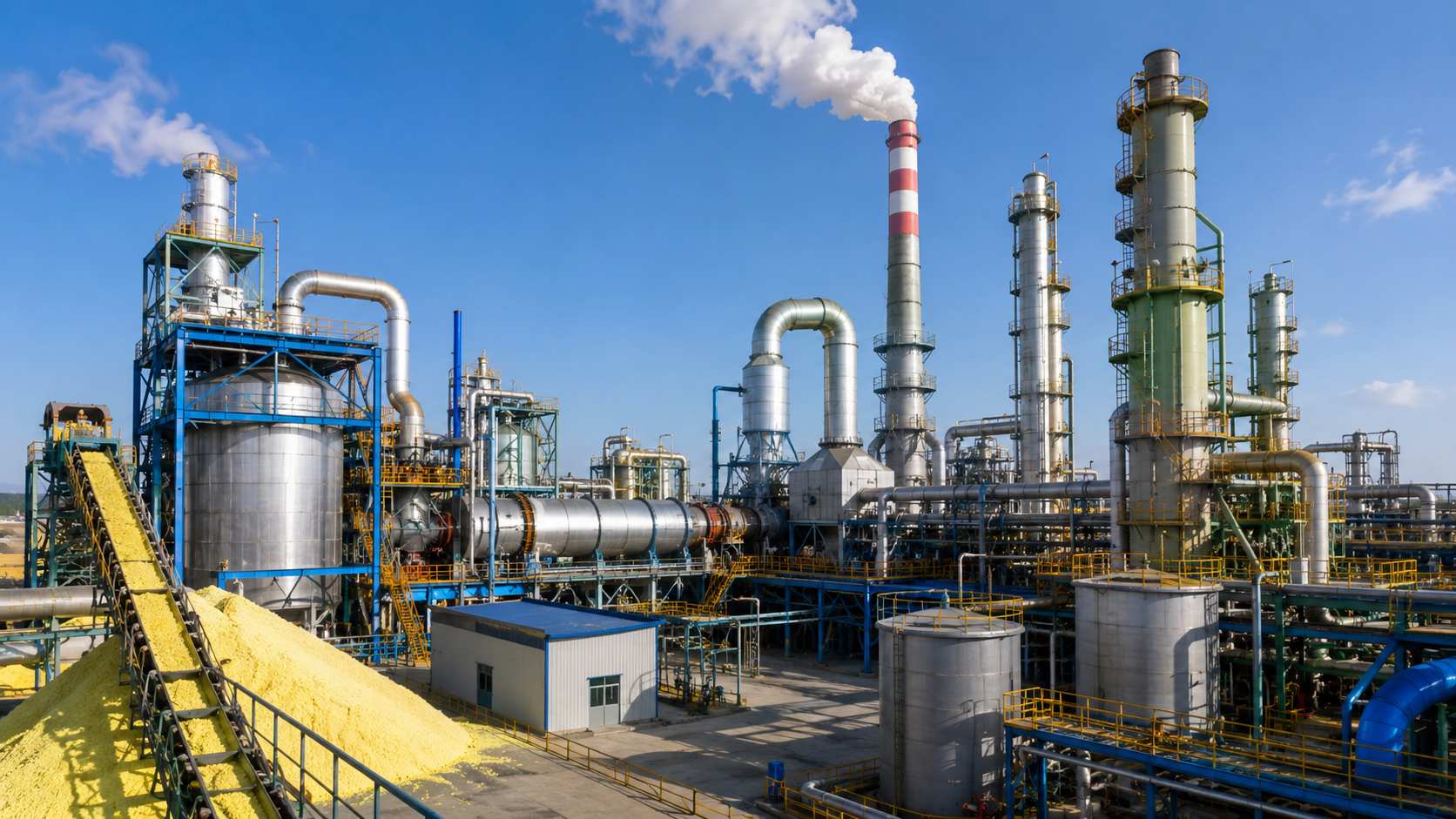
Building a sulfuric acid plant is not only a matter of buying equipment. A stable project starts with clear technical data: capacity, sulfur quality, gas concentration, conversion rate, drying performance, heat recovery, storage volume, and emission control. When these points are not fixed early, the quotation may look attractive at first but become costly during layout design, installation, or trial operation.
For buyers planning a new sulfuric acid production line, the following parameters help turn a rough inquiry into a practical project discussion.
Why Do Technical Parameters Matter Before a Sulfuric Acid Plant Project?
A sulfuric acid plant connects several high-temperature, corrosive, and gas-handling systems. A small change in one section may affect the next section. For example, sulfur feed rate affects furnace gas volume. Gas volume affects converter size. Converter outlet temperature affects the waste heat boiler, absorption tower, acid cooler, and tail gas system.
They Shape the Real Investment
A plant with the same annual capacity can still have different budgets. The difference may come from the process route, steam recovery design, number of towers, storage tank volume, automation level, local emission limits, and materials used for acid pipelines.
Before asking for a sulfuric acid plant price, buyers should prepare basic operating conditions. These include annual output, working days per year, acid concentration, raw material form, utility conditions, and available space. Without these details, a supplier can only give a general estimate.
They Reduce Trouble During Installation
A production line needs enough space for storage, furnace operation, converters, heat exchangers, towers, acid circulation, and loading. If the early data is vague, the layout may need to be changed later. That often means new foundation work, changed pipe routes, longer installation time, and higher labor cost.
Capacity and Production Target
Capacity is the first number most buyers mention, but it needs more detail than “tons per year.” A good sulfuric acid plant design starts with the real production rhythm.
Daily Output, Annual Output, and Working Time
A plant running 330 days per year has a different daily load from a plant running 300 days per year, even if the annual target looks the same. Continuous operation, planned shutdowns, maintenance windows, and local power supply stability all matter.
| Parameter to Confirm | Pourquoi ça compte |
| Annual production capacity | Sets the overall equipment scale |
| Daily production target | Affects furnace, converter, tower, and pump sizing |
| Operating days per year | Helps calculate real daily load |
| Product acid concentration | Affects absorption and cooling design |
| Storage days required | Decides storage tank capacity and loading plan |
For a fertilizer plant, steady output may be more important than short-term peak production. For a chemical park, the plant may need to match downstream users that take acid on a daily schedule. For a remote site, more storage may be needed because transport is not always available.
Match Capacity With Downstream Use
Sulfuric acid is used in fertilizer production, metallurgy, petroleum refining, chemical manufacturing, and many other industrial processes. A phosphate fertilizer project may care more about stable acid supply. A metal processing site may care more about acid purity and logistics. A chemical production base may need a sulfuric acid manufacturing plant that fits into a wider utility and steam network.
The clearer the downstream demand, the easier it is to set the right production capacity instead of paying for unused equipment.
Raw Material and Sulfur Melting Conditions
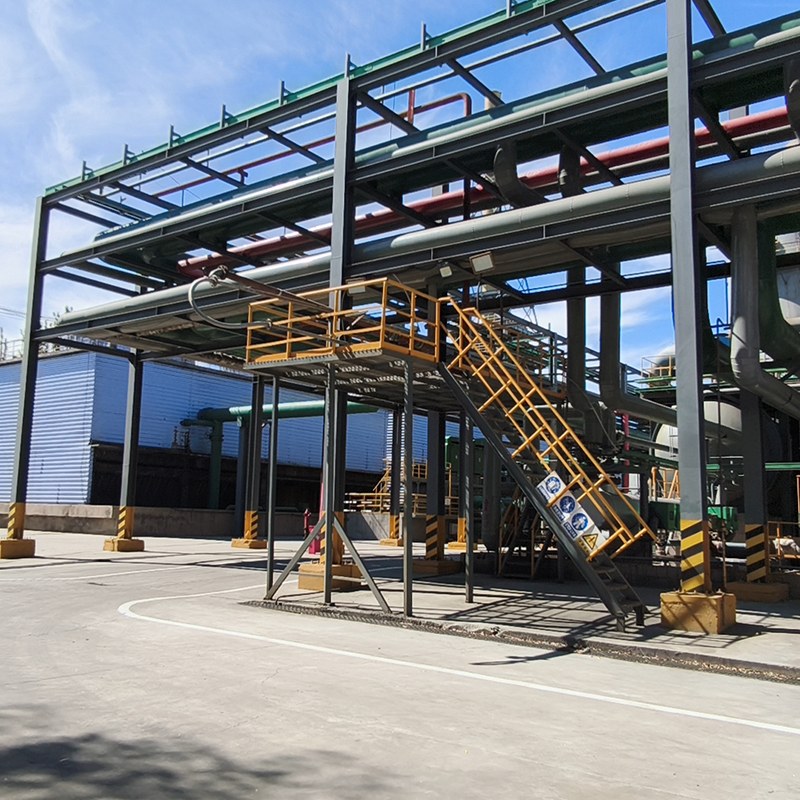
For a sulfur-based sulfuric acid production line, the sulfur melting section is the starting point of stable operation. If melting, filtration, and sulfur feed are not well planned, the furnace and converter will not run smoothly.
Solid Sulfur or Molten Sulfur?
Some projects use solid sulfur delivered in bags or bulk. Others may receive molten sulfur from nearby sources. Solid sulfur needs conveying, melting, filtration, and heated storage. Molten sulfur still needs temperature control, filtration, and safe transfer.
Buyers should confirm:
- Sulfur form, purity, and impurity level
- Delivery method and storage conditions
- Required sulfur consumption rate
- Melting tank arrangement
- Filtration method and filter aid use
- Steam availability for heating
In a common production flow, solid sulfur is conveyed into a rapid melting tank. The molten sulfur then passes through filtration before entering a refined sulfur storage tank. A stable sulfur melting system helps feed the sulfur combustion furnace at a steady rate.
Temperature Control in the Melting Section
Molten sulfur is usually kept in a controlled temperature range to maintain flow and reduce handling problems. Steam heating coils, steam-jacketed pipelines, insulated valves, sulfur pumps, and heated filters are all part of this section.
If the sulfur temperature drops too low, flow becomes difficult. If heating is poorly controlled, the plant may face unstable feed and more maintenance. For this reason, buyers should discuss steam pressure, condensate recovery, insulation, and standby heating before finalizing the plant configuration.
Process Route and SO₂ Conversion
The core reaction path of a sulfuric acid plant is simple on paper: sulfur burns to form SO₂, SO₂ converts to SO₃, and SO₃ is absorbed to form sulfuric acid. In real operation, gas concentration, catalyst bed design, temperature control, and absorption method decide the plant’s performance.
Contact Process or Double Contact Double Absorption?
Many modern sulfuric acid plants use a double contact double absorption process because it can raise SO₂ conversion and reduce emissions. For buyers, this is not just a process name. It affects converter configuration, absorption tower arrangement, gas reheating, heat exchangers, and startup operation.
A project with tighter environmental requirements should discuss DCDA sulfuric acid plant design from the beginning. It may cost more than a simpler arrangement, but the long-term benefit can be strong when emission limits, sulfur use, and product output are considered.
SO₂ Concentration and Conversion Rate
SO₂ concentration affects converter performance and gas-handling equipment size. A sulfur combustion furnace may generate furnace gas with around 10% SO₂ under a properly controlled process. After combustion, gas temperature can be very high and must be reduced before entering the converter.
The SO₂ conversion rate is one of the most important technical parameters for both efficiency and environmental control. A high conversion rate means more sulfur becomes saleable acid and less SO₂ remains in the tail gas. Buyers should ask for the expected total conversion rate, converter stage arrangement, catalyst bed temperature range, and tail gas treatment method.
Furnace, Gas Cooling, and Heat Recovery
A sulfur combustion furnace is not just a burner. It is part of a high-temperature system connected with the waste heat boiler, converter, superheater, heat exchanger, economizer, and absorption section.
Combustion Temperature and Gas Cooling
After sulfur burns, furnace gas may reach very high temperatures. It must be cooled to a suitable converter inlet temperature. This is usually done through a fire-tube waste heat boiler and related temperature adjustment methods.
Gas temperature control is critical. If the temperature is too high, catalyst life and equipment safety may suffer. If it is too low, conversion efficiency may drop. Bypass lines, valves, cold air quenching, and heat exchange equipment help keep the converter running in the proper range.
Waste Heat Boiler and Steam Value
A waste heat boiler in a sulfuric acid plant can turn reaction heat into useful steam. This changes the project economics. A plant that recovers heat well may lower outside energy demand and support other plant areas with steam.
When reviewing a sulfuric acid production line, buyers should ask where heat is recovered, how steam is used, whether condensate is collected, and how the boiler system connects with the main plant utility network. These details are especially important for large industrial sites where steam has direct economic value.
Drying, Absorption, and Acid Concentration
The drying and absorption section has a direct link to acid quality, corrosion control, and tail gas performance. It should never be treated as a simple tower package.
Why Is Dry Air Important?
Before entering the sulfur combustion furnace, air is filtered, pressurized, and dried. Moisture in process air can create corrosion risks and disturb stable operation. A drying tower using concentrated sulfuric acid helps reduce water content before combustion.
Buyers should confirm the target moisture content of dried air, tower type, packing material, acid circulation rate, and acid cooler configuration. In real operation, poor drying can show up as corrosion, acid mist, unstable gas behavior, or higher maintenance needs.
Absorption Towers and Acid Circulation
In the absorption section, SO₃ is absorbed by concentrated sulfuric acid to form product acid. A common arrangement includes a drying tower, first absorption tower, second absorption tower, acid circulation tank, acid pumps, and acid coolers.
| System | Key Parameter to Discuss |
| Drying tower | Air moisture, acid strength, packing, pressure drop |
| Converter | SO₂ concentration, catalyst layers, inlet temperature |
| Absorption tower | Acid concentration, SO₃ absorption rate, demister |
| Acid cooler | Cooling water condition and product acid temperature |
| Acid tank | Circulation volume, storage capacity, material choice |
| Tail gas system | SO₂ removal, startup scrubber, stack emission |
Product concentration should also be clear. Many industrial buyers require around 98% sulfuric acid, while some process steps may use slightly different acid concentration for absorption. The final acid concentration affects cooling, storage, loading, and downstream use.
Storage, Loading, and Corrosion Control
The final product section may look simple, but it affects daily logistics. A plant can produce acid steadily only when there is enough storage and a practical loading plan.
Storage Tank Capacity
Sulfuric acid storage tank capacity should match production rate, truck or rail loading frequency, customer pickup schedules, and emergency storage needs. A plant in a chemical park may move acid through pipelines or frequent tanker loading. A remote project may need more storage days because transport can be delayed.
The storage system should also include startup acid supply, transfer pumps, product acid cooling, flow measurement, and safe loading design.
Material Selection for Acid Service
Concentrated sulfuric acid requires careful material choice. Acid pipelines, return lines, product acid lines, discharge lines, valves, and pumps must suit concentration, temperature, and flow conditions. Stainless steel with protection, acid-resistant cast iron, and other suitable materials may be used depending on the service point.
For buyers, corrosion control is not an optional detail. It affects downtime, safety, maintenance cost, and plant life.
Tail Gas Treatment and Startup Conditions
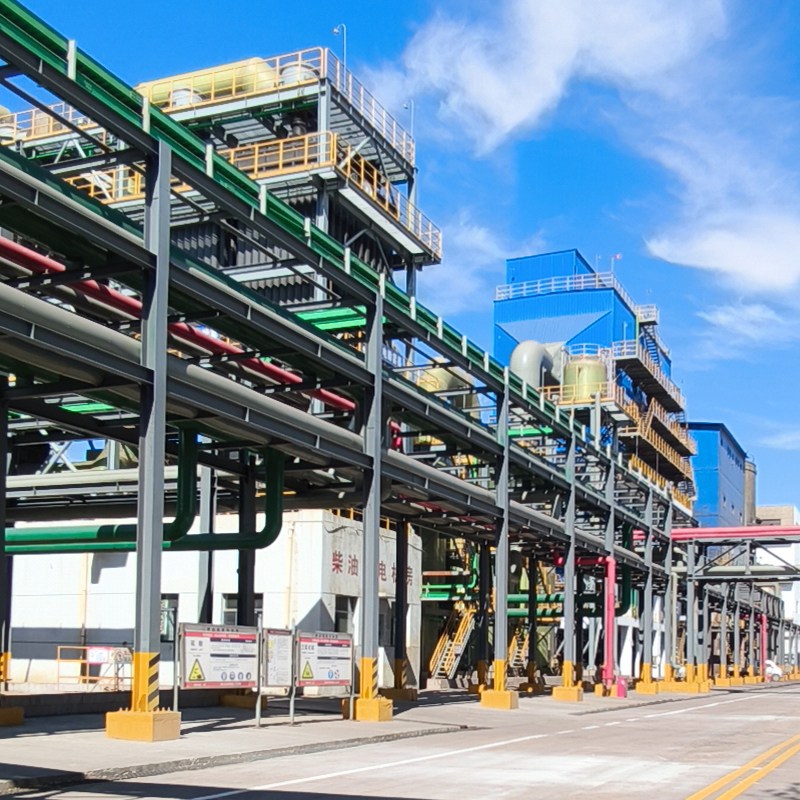
Normal operation and startup are different. A plant may perform well after it reaches stable temperature, but startup gas can contain more unconverted SO₂ before the system fully changes into normal conversion and absorption.
Why Startup Emission Control Matters?
During startup, the converter and absorption system may not yet be at full working condition. An alkali scrubber or similar tail gas treatment system can help remove unconverted SO₂ during this period.
Buyers should ask how the plant handles startup gas, how long heating takes, what temporary flow path is used, and when the system enters full double absorption operation. This part is often overlooked in early inquiries, yet it can be very important for environmental approval.
Environmental Data to Confirm
Useful data includes SO₂ conversion rate, acid mist control, tail gas scrubber design, stack conditions, and local emission limits. A plant designed for one region may need changes for another region if regulations, climate, or site layout differ.
About Hebei Aoliande Chemical Equipment Co., LTD.
Hebei Aoliande Chemical Equipment Co., LTD. is a chemical equipment supplier with production line solutions for sulfuric acid, potassium and sodium sulfate, calcium chloride, water soluble fertilizer, HPMC, and FRP/GRP product machinery. Its product range covers both chemical process equipment and corrosion-resistant composite equipment, which is useful for industries dealing with acidic, high-temperature, or demanding production environments.
As a sulfuric acid production line supplier, the company provides equipment sections for sulfur melting, sulfur combustion and conversion, drying and absorption, and final product handling. This makes it easier for project teams to discuss a complete process rather than separate machines. Buyers can review capacity, raw material conditions, heat recovery, storage, emission control, and installation needs with one technical team before asking for a formal quotation.
For companies planning a new sulfuric acid plant or upgrading an existing acid unit, this type of supplier support can reduce communication gaps between process design, equipment manufacturing, installation, and trial operation.
Conclusion
A sulfuric acid plant should be built around clear technical parameters, not only a price number. Capacity, sulfur quality, melting conditions, furnace gas concentration, SO₂ conversion rate, waste heat recovery, drying tower performance, absorption system design, storage capacity, corrosion control, and tail gas treatment all affect long-term plant value.
Before sending an inquiry, buyers should prepare a short technical checklist and share the real operating conditions. That step helps the supplier recommend a more suitable sulfuric acid production line, calculate a more practical budget, and reduce changes during project execution.
Questions fréquentes
What technical parameters are needed for sulfuric acid plant design?
The main parameters include annual capacity, daily output, operating days, sulfur form and purity, sulfur consumption, SO₂ concentration, conversion rate, furnace temperature, waste heat recovery method, acid concentration, tower configuration, storage capacity, and tail gas treatment requirements.
Why is SO₂ conversion rate important in a sulfuric acid production line?
SO₂ conversion rate affects sulfur use, product acid yield, tail gas emissions, and environmental compliance. A higher conversion rate means more sulfur is converted into acid and less SO₂ remains in the exhaust gas.
What acid concentration is commonly required in industrial sulfuric acid production?
Many industrial projects require around 98% sulfuric acid. The exact product acid concentration should be confirmed before design because it affects the drying tower, absorption tower, acid cooler, circulation tank, storage tank, and downstream use.
How does a waste heat boiler help a sulfuric acid plant?
A waste heat boiler cools hot furnace gas and recovers heat as steam. This steam may be used in the plant or other nearby process units. Good heat recovery can lower utility demand and improve the overall value of the sulfuric acid manufacturing plant.
How should buyers choose a sulfuric acid plant supplier?
Buyers should check whether the supplier can discuss the full process, not only single equipment. Important points include sulfur melting design, combustion and conversion system, drying and absorption towers, heat recovery, storage, tail gas treatment, installation guidance, and commissioning support.