
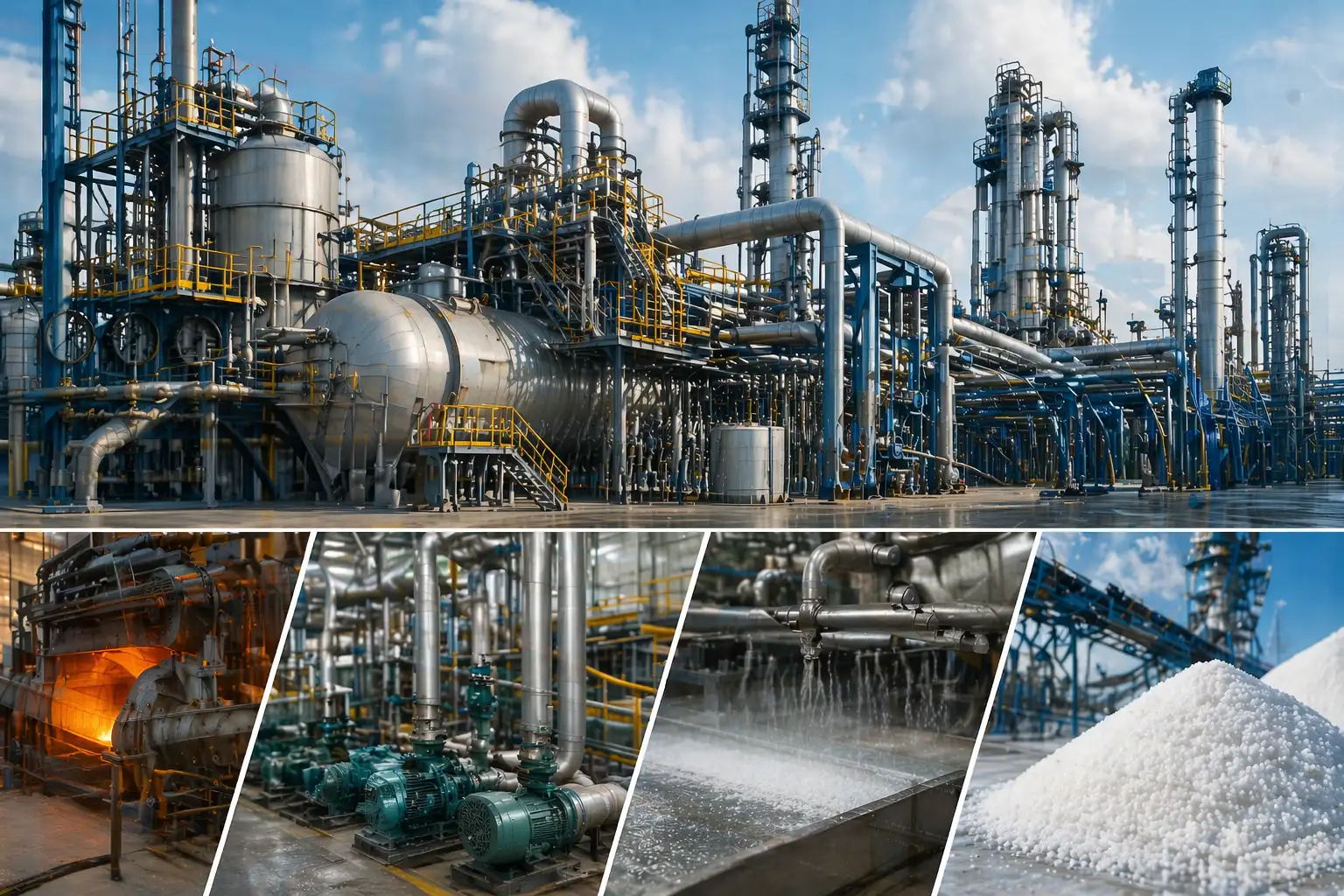
Le processus de Mannheim stays a key part of making potassium sulfate (SOP). Many plants use it because it is easy to run and gives a clean final product. As more people need fertilizers without chloride, new ideas help make SOP plants work better and greener. This piece looks at the main seven problems in Mannheim SOP making. It also covers fresh ways that current plants use to fix them.
Core Principles of the Mannheim Process
The Mannheim process mixes potassium chloride with sulfuric acid to create potassium sulfate (SOP). It happens in a special furnace. This can be a batch setup or one that runs non-stop. The reaction has two parts. First, it forms potassium bisulfate. Then, that turns into potassium sulfate. Important factors include keeping the heat steady, controlling gas flow, and managing how much material goes in. These steps make sure the reaction finishes well and the product stays even.
Importance of Technical Optimization in Modern SOP Plants
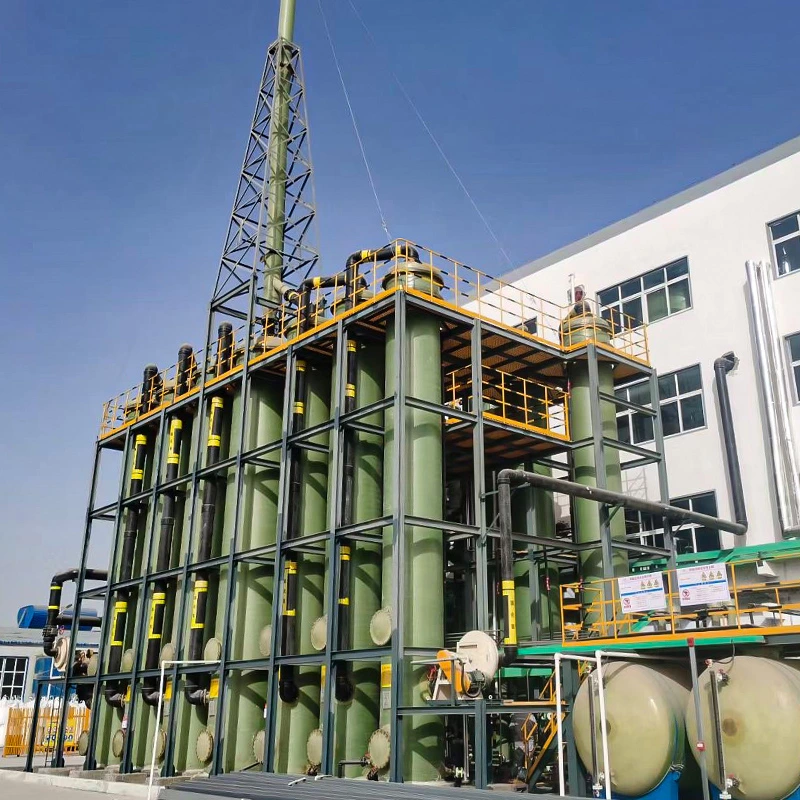
In today’s plants, fine-tuning the setup is key to staying ahead. Good work cuts down on power use and waste gases. It also keeps the output steady. Plus, machines and digital watches boost safety. They cut down on mistakes by people. And they lower stop times by making quick changes in the line.
Challenge 1: Managing Reaction Temperature and Heat Distribution
Keeping even heat in the Mannheim furnace is one of the biggest jobs in SOP making.
Thermal Control Issues in the Mannheim Furnace
Uneven heat can stop reactions from finishing. It may also harm the end product. Hot spots in one area hurt quality. They speed up rust and wear on the furnace inside. So, steady heat patterns affect how well things run. They also help equipment last longer.
Modern Solutions for Temperature Management
New furnace shapes now use better spots for burners. This helps spread heat evenly. Sensors that see heat with infrared let workers check differences right away. Smart systems change fuel amounts based on live info. They keep things stable, even when the work load shifts.
Challenge 2: Corrosion and Material Degradation in Equipment
The tough chemical setup in SOP making puts plant parts at high risk of rust.
Causes of Corrosion in SOP Production Units
Vapors from sulfuric acid mix with hot conditions. They speed up rust on metals in reactors, pipes, and exhaust parts. Also, gases with chlorine from reaction steps add to long-term wear. This happens if not handled right.
Material Innovations to Combat Corrosion
Current plants use strong alloy steels and clay covers. These stand up well to acid settings. Extra layers like fluoropolymer or enamel protect more. They make equipment last longer. And they cut down on fix-up times. All this boosts trust in the plant. It also lowers costs over time.
Challenge 3: Controlling Gas Emissions and Environmental Compliance
How well a plant handles the environment now shows its true value in SOP making.
Common Emissions from the Mannheim Process
Usual gas leftovers include sulfur dioxide (SO₂) and hydrogen chloride (HCl). If let out without treatment, they hurt the air. They also break rules set for chemical makers.
Emission Control Technologies in Modern Plants
Wet scrubbers clean acid gases before they go out. Systems with catalysts turn bad stuff into safer ones, like water steam or sulfur trioxide to save. Closed paths for gas catch leaks early. This cuts down on gases that escape.
Challenge 4: Feedstock Quality Variability and Its Impact on Yield
How steady the starting materials are affects the whole plant’s work.
Influence of Raw Material Purity on Reaction Efficiency
Extra bits in potassium chloride or sulfuric acid start side reactions. These lower the output amount. Changes in starting mix cause uneven crystals when cooling. This hits purity and size of grains.
Solutions for Feedstock Quality Management
Systems before the furnace filter or swap ions to clean raw stuff. Sensors in the line watch purity as it runs. They make auto changes if things go off. This keeps the end product steady over runs.
Challenge 5: Managing Dust Generation and Product Handling Efficiency
Once SOP crystals form, moving them brings issues with dust and smooth transfer.
Sources of Dust During SOP Production and Handling
Steps like breaking, shaping into grains, sorting, and packing make small bits. These float in the air easily. Dust buildup means lost product. It also risks safety for workers if breathed in or sparked.
Dust Control Strategies in Advanced SOP Facilities
Covered belts keep dust from flying during moves inside. Bags and spinning cleaners grab tiny bits from air flows. Auto systems for big loads improve clean areas. They keep work rates even in packing.
Challenge 6: Energy Consumption Optimization Across the Process Line
Handling power use is key to cutting costs and helping the planet in Mannheim SOP plants.
Energy Demand Patterns in Mannheim SOP Plants
Main reactions soak up heat, so cycles need lots of warmth. Without ways to reuse heat, much goes to waste in exhaust. This ups fuel needs and carbon marks.
Energy-Efficient Solutions Implemented by Modern Plants
Heat swaps in gas pipes pull back warmth to warm up new materials or air for burning. Some places add sun power loops to cut fossil fuels. Smart controls tweak fuel and air mixes for best burn. They work under different loads.
Challenge 7: Ensuring Consistent Product Quality Through Process Automation
Machine tools are now must-haves to fix changes from old hand-run ways.
Factors Affecting SOP Product Quality
Shifts in heat, time in reactors, or mix ratios change crystal shapes and clean levels. Hand work often brings errors by people. These spread through runs if not fixed fast.
Automation Technologies Enhancing Product Consistency
Control systems spread out keep steady setups by linking feedback in key spots. Data tools spot early off-tracks. They fix ahead of bad products. Smart learning codes improve plans over time from past data.
Integration of Digitalization for Continuous Improvement in SOP Manufacturing
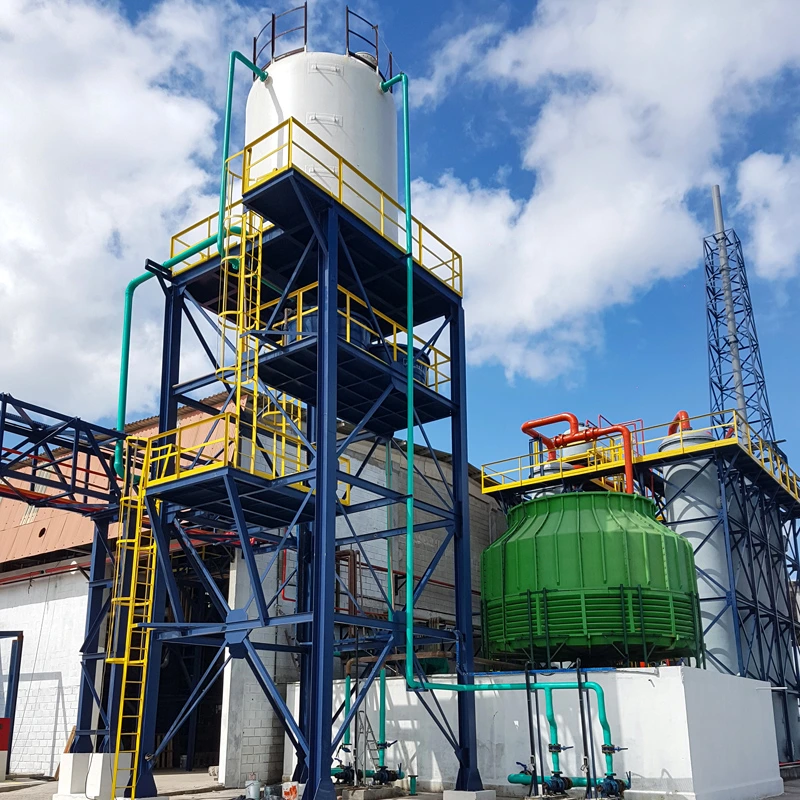
Going digital changes how plants reach top work with smart guesses, not just fixes after.
Role of Digital Twins and Predictive Maintenance
Digital twins act like virtual full plants. Engineers test changes without stopping real work. Guess-ahead fixes use sensor trends to warn of breaks. This cuts surprise stops and boosts use of gear.
Data Analytics for Long-Term Process Optimization
Gathering data non-stop helps study patterns over many runs. Learning models read this to suggest tweaks. They keep top work even with changing starts or weather. This builds better ways past setup times.
Hebei Aoliande Chemical Equipment Co., Ltd.: A Reliable Partner in Mannheim Process Solutions
Hebei Aoliande Chemical Equipment Co., Ltd. makes Mannheim Process Potassium Sulfate Production Lines. They offer full SOP plant fixes for smooth runs. Their skills include better furnace plans, gas clean-ups, machine setups, and acid-proof materials. This makes them a solid choice for upgrades or full builds. They help with Mannheim SOP issues around the world.
Conclusion
Updates in Mannheim SOP making focus on exact builds and smart machine setups. These fix old limits in heat control, rust fight, gas cuts, start material steadying, dust hold-back, power saving, and product evenness. With ongoing new ideas from digital data and better materials, current SOP plants show how chemical work fits global green goals. They also boost profits in tough fertilizer sales.
Questions fréquentes
What makes the Mannheim process preferable for producing potassium sulfate?
It gives high product purity with basic gear needs. This beats other paths like double decomposition with sodium sulfate steps. It fits small batch runs or big steady ones based on demand.
How do modern plants reduce SO₂ emissions effectively?
Most use step-by-step wet scrubbers. Then catalytic oxidation turns SO₂ into useful sulfur bits. This meets tough green rules.
Why is automation critical for maintaining consistent SOP quality?
It cuts hand changes by strict control of heat differences, mix amounts, stay times, and crystal growth. This keeps even grain shapes in every run. It works no matter worker skills or busy times.