
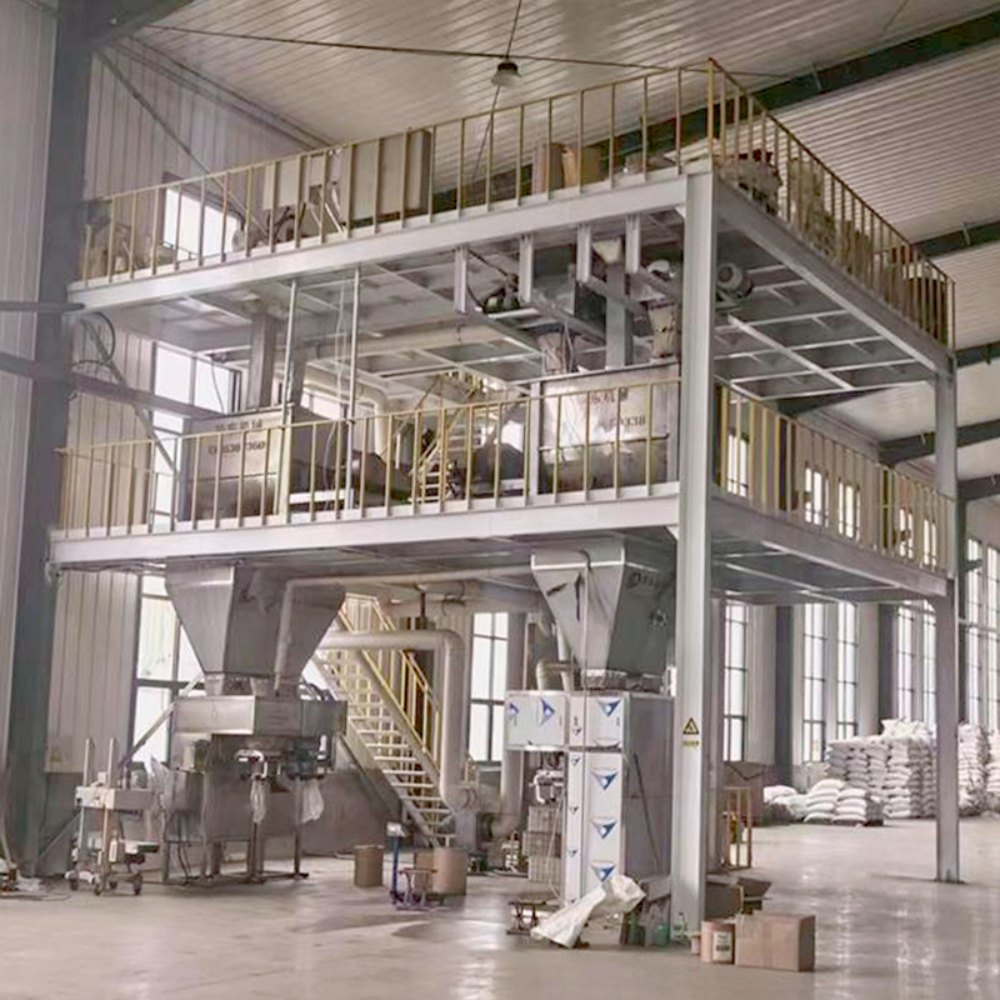
A water soluble fertilizer formula seems basic on paper. It includes a few nutrient salts, a goal NPK ratio, and a basic mixing plan. But in real production, challenges arise. The blend must dissolve quickly. It needs to stay clear in water. Plus, it should flow through drip lines without leaving residue. And it must maintain the same nutrient balance in every batch from the mixer.
This explains why formula design goes beyond just meeting a nutrient target. Factors like raw material purity, compatibility, moisture levels, mixing sequence, and batching precision all influence the end result. A blend that succeeds in a lab might still flop in a factory. It could cake up during storage, create sediment in solutions, or lead to inconsistent bags between shifts.
What Is a Water Soluble Fertilizer Formula?
A water soluble fertilizer formula is a nutrient mix designed to dissolve fast in water. People use it for fertigation, drip irrigation, foliar feeding, or preparing stock solutions. Some blends suit seedlings and include more phosphorus. Others help with fruit growth or color development, so they have extra potassium. In greenhouse farming, a balanced NPK water soluble fertilizer formula works well for steady feeding over a full growth cycle.
The main idea is clear. A solid water soluble fertilizer formulation must fit the crop, the irrigation setup, and the farming process together. If you overlook any of these, issues often appear later. These can include poor solubility, precipitation, or uneven mixing.
Step 1: Define the Target Nutrient Ratio and Application Scenario
Before picking any water soluble fertilizer raw materials, the formula requires a specific purpose. Is it for greenhouse tomatoes with drip irrigation? Or for leafy greens in hydroponics? Maybe for open-field peppers using venturi injection? Each situation alters the nutrient ratio, the strength, and the compatibility boundaries.
Start with the crop stage
A formula for helping plants settle after transplanting differs from one for late fruiting. Early stages might need more phosphorus for support. A late-stage formula often leans toward potassium. In business farming, many customers avoid a one-size-fits-all recipe. Instead, they seek a custom fertilizer formula linked to a single crop stage and irrigation method.
Match the formula to the application method
Water soluble fertilizer for fertigation and drip irrigation demands close attention to residue buildup, tank stability, and line cleanliness. A foliar formula, on the other hand, prioritizes leaf safety and reduced salt stress. The intended use determines the required solubility and compatibility buffer.
A useful formula design outline typically covers these points:
- target crop and growth stage
- irrigation or application method
- local water quality
- desired NPK ratio
- need for calcium, magnesium, or micronutrients
- target package size and batch size
Step 2: Choose the Right Water Soluble Fertilizer Raw Materials
After setting the nutrient goal, selection of raw materials starts. This is where many flawed formulas begin. Two items might list the same nutrient value on paper. Yet, they can act quite differently in production due to purity, moisture, particle size, and impurity amounts.
What to look at in fertilizer raw material selection
The top raw materials for water soluble fertilizer are not just the least expensive nutrient sources. They must provide steady analysis, quick dissolution, low insoluble parts, and reliable behavior when blended with other salts.
| Raw material factor | Why it matters in production | Common risk if ignored |
|---|---|---|
| Nutrient content | Affects formula calculation and label accuracy | Off-spec nutrient percentage |
| Solubility | Shapes dissolution speed and tank clarity | Residue, sediment, clogged filters |
| Purity | Reduces unwanted side reactions | Cloudiness, unstable batches |
| Moisture level | Influences flowability and storage stability | Caking, poor feeding into the system |
| Particle size | Affects homogeneous mixing | Segregation in the final blend |
Think beyond N, P, and K
A balanced formula might still underperform if micronutrient fertilizer raw materials lack proper choice. Trace elements can interact in varied ways based on pH and water hardness. The same holds for secondary nutrients. Calcium and magnesium offer benefits, but they increase the compatibility challenges.
In an actual factory, raw material moisture often hides as a key issue. Just one week in humid storage can alter flow patterns, cause sticking in hoppers, and lower batching precision. Thus, formula design ties closely to plant operations.
Step 3: Check Fertilizer Compatibility Before Finalizing the Formula
 A formula can achieve the correct nutrient ratio. Yet, it may fail as a commercial item if components lack chemical compatibility. Fertilizer compatibility ensures nutrients mix, dissolve, store, and apply without creating insoluble compounds or major shifts in solution quality.
Why incompatible fertilizer mixtures create field problems
Common warning signs show up often in production and farms:
- precipitation in the tank
- cloudy solution
- reduced nutrient availability
- clogged emitters and filters
- hard deposits in stock tanks
- uneven product performance in the field
Water quality plays a major role. High bicarbonates, hard water, and alkaline settings can drive some formulas to form sediment. This is why a fertilizer compatibility chart helps during creation. However, such charts cannot replace hands-on testing.
High-risk combinations need extra care
If calcium appears, review phosphorus and sulfate sources closely. This does not rule out using these nutrients in the same plan. But mixing methods, concentrations, and storage approaches become crucial. In certain cases, an A and B tank fertilizer system offers a safer option, particularly for concentrated stock solution mixing.
Step 4: Use a Jar Test to Prevent Precipitation and Clogging
A jar test for fertilizer compatibility ranks as one of the easiest and most helpful checks in formula development. It requires little effort. And it often prevents larger problems down the line.
The process is simple. Take the same irrigation water or process water from actual use. Prepare a small sample at a bit higher concentration than planned. Shake it thoroughly. Then allow it to sit. Look for cloudiness, sediment, layering, or crystal growth after a few hours. If any appear, revise the formula.
What a jar test can reveal
A jar test addresses key questions like these:
- how to test fertilizer compatibility before full-scale mixing
- how to prevent precipitation in water soluble fertilizer
- whether a formula is likely to leave solids in drip systems
- whether water quality is reacting with the fertilizer salts
This check proves especially valuable for water soluble fertilizer formula for fertigation systems. Even tiny residue amounts can turn into major line-cleaning headaches over large areas.
Step 5: Improve Mixing Accuracy with Proper Batching and Mixing Order
Compatibility shows if a formula functions. But mixing accuracy determines if it performs consistently every time. In business production, buyers spot differences fast. A blend that seems okay in one bag but weak in another erodes trust quicker than cost concerns.
Why mixing order matters
Fertilizer mixing order impacts dissolution rate, dust creation, local heat buildup in dense spots, and overall nutrient evenness. Some materials go in after the first water addition during liquid prep. For dry blending, the order should avoid segregation and unmixed areas in the equipment.
How to improve fertilizer mixing accuracy
A reliable process relies on four main controls:
- accurate weighing for each ingredient
- consistent feeding speed into the mixer
- suitable mixing time for the batch size
- controlled discharge and packing sequence
| Process point | What to check | Effect on the final product |
|---|---|---|
| Weighing | Scale calibration and tolerance | Formula accuracy |
| Feeding | Hopper flow and screw consistency | Batching stability |
| Mélanger | Time, speed, and fill rate | Homogeneous mixing |
| Emballage | Net weight and discharge control | Batch consistency |
For a factory producing multiple formulas weekly, fertilizer blending accuracy also cuts changeover waste. A minor error in one micronutrient can affect a whole production run.
Step 6: Control Solubility, pH, Moisture, and Residue in Production
A functional formula does not end once the chemistry checks out. Factory conditions still determine if the blend stores easily, dissolves well, and applies smoothly.
Solubility and solution pH
Fertilizer solubility relies on temperature, concentration, and salt interactions. A blend that works in warm test water might lag in cooler field settings. Solution pH counts too. It influences nutrient stability and precipitation risks, especially in strong mixes.
Moisture control and anti-caking
Fertilizer moisture control often marks the difference between a smooth-flowing product and storage complaints. Hygroscopic items pull in air moisture, leading to bridging in feeders, lumps, and flow issues. For dry water soluble fertilizers, anti-caking measures should begin in formula planning, not after the first problem arises.
Step 7: Build a Quality Control Checklist for Stable Production
A strong water soluble fertilizer quality control routine maintains formula steadiness from raw material arrival to final packing. It stays simple. But consistency is key.
A practical formula quality checklist
- verify raw material analysis before batching
- review nutrient calculations for each batch
- confirm compatibility before adding new ingredients
- run a jar test when the water source changes
- inspect moisture and flow behavior in storage
- check product uniformity after mixing
- verify packing consistency by random weight checks
This routine distinguishes a formula that succeeds once from a product line that builds buyer confidence over multiple seasons.
Common Water Soluble Fertilizer Formula Design Mistakes to Avoid
Most formula shortcomings stem not from one big mistake. They arise from several minor assumptions.
Certain errors repeat frequently. One involves picking raw materials based only on nutrient cost. Then, impurities or moisture cause later issues. Another skips water quality checks in development, despite use in hard water regions. Some skip compatibility tests since the ratio seems standard. Others emphasize chemistry but ignore mixing flaws, resulting in uneven nutrients in bags.
A reliable formula must succeed in the mixer, storage, tank, and field.
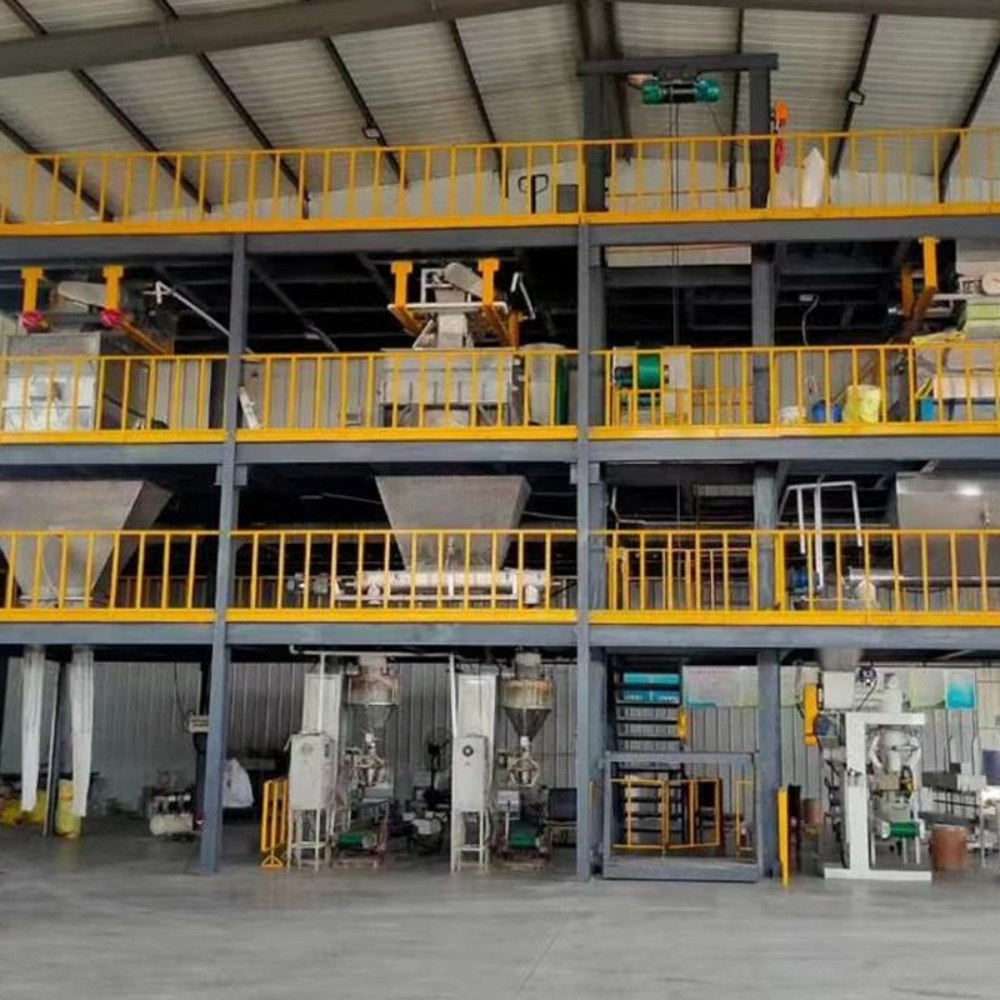
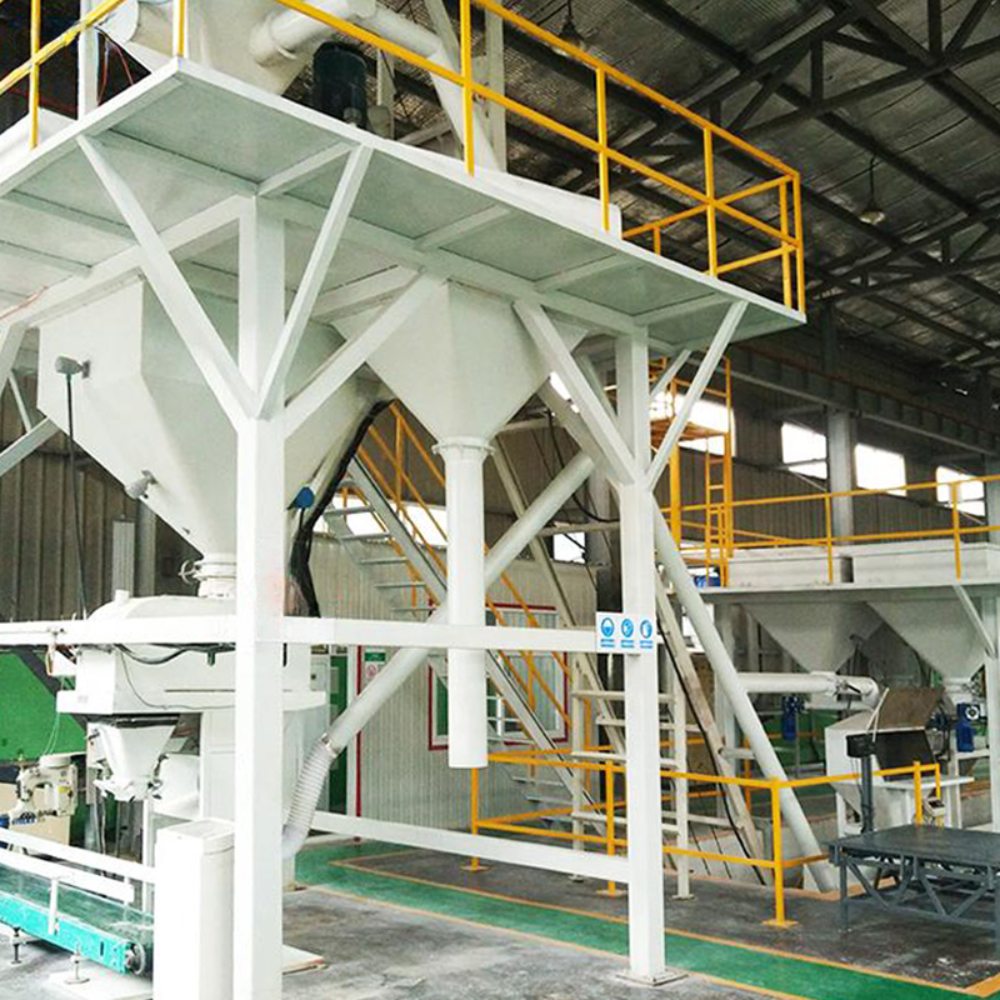
Hebei Aoliande Chemical Equipment Co., LTD. as a Water Soluble Fertilizer Production Line Supplier
For fertilizer makers shifting from test formulas to steady output, equipment reliability ties into formula quality. Hebei Aoliande Chemical Equipment Co., LTD. provides water soluble fertilizer production line options for feeding, batching, mixing, and packing. These setups adapt to various capacities and formula types. The firm focuses on chemical equipment production. Its wider range covers potassium sulfate, sodium sulfate, calcium chloride, and similar process lines. This background offers real know-how in powder handling, process oversight, and designs that resist corrosion. Backed by a skilled technical group, global project work, and approved management systems, it meets needs of clients seeking dependable production over basic setups.
Conclusion
Designing a water soluble fertilizer formula blends production needs with nutrient goals. The proper NPK ratio counts. But it forms just one piece. Raw material purity, fertilizer compatibility, jar testing, mixing sequence, batching precision, and moisture management all decide if the product stays clean, even, and simple to use. A robust formula dissolves effectively, holds steady in solutions, and delivers consistent outcomes from start to finish. When these elements integrate into both the recipe and production setup, the formula gains strong potential as a trusted market item.
Questions fréquentes
What is the first step in water soluble fertilizer formula design?
The first step involves defining the crop, growth stage, and application method. A water soluble fertilizer formula for greenhouse cucumbers under drip irrigation can differ greatly from one for leafy vegetables in open-field fertigation.
How to choose the best raw materials for water soluble fertilizer?
The best raw materials for water soluble fertilizer offer steady nutrient content, strong solubility, minimal insoluble matter, and solid compatibility with other parts. Moisture levels and particle size also play roles since they impact flow and blending.
Why is fertilizer compatibility important in a water soluble fertilizer formulation?
Fertilizer compatibility is vital because mismatched materials can create sediment, limit nutrient access, and clog emitters. Thus, always check the chemical compatibility of fertilizers prior to large-scale production or field application.
How to improve mixing accuracy in water soluble fertilizer production?
Mixing accuracy gets better with calibrated scales, steady feeding, mixing times suited to batch sizes, and controlled fertilizer mixing order. These practices ensure even blending and superior nutrient uniformity.
Should a jar test be used for every new water soluble fertilizer formula?
Yes, a jar test for fertilizer compatibility is highly advised for every new formula, fresh raw material supply, or water quality shift. It offers an easy method to spot precipitation and clogging dangers before they hit the tank or field.