
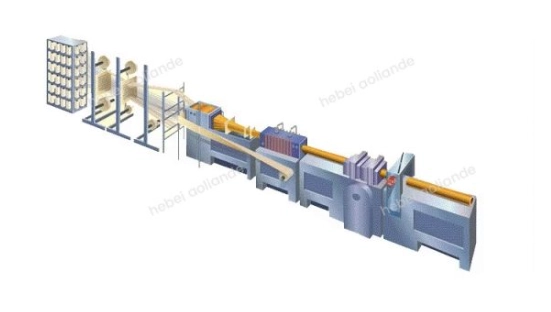
The FRP (Fiber Reinforced Polymer) Pultrusion Production Line is an advanced setup for making FRP profiles. It works by pulling long fibers through a resin mix and then hardening the resin in a hot mold. This method creates tough, long-lasting, and light materials. People use them in many fields like building, cars, power, and big projects.
In this piece, we will look at the pultrusion method step by step. We will check its start, show how it runs, and see how it differs from extrusion. We will also point out the main parts of the pultrusion method. Plus, we will talk about its good points and where it gets used. We will focus a lot on the tools in the FRP pultrusion production line.
Origin of Pultrusion
Pultrusion is a way to make mixed materials. It started in the early 1950s. Over time, people made it better. It came from the need for stuff that is very strong but not heavy. The first pultrusion tool came out as a way to keep making mixed shapes. It pulls fibers through a resin mix and hardens them to make solid, firm shapes.
As more people wanted better mixed materials, pultrusion grew. This happened in areas like planes, boats, and building. It turned into a steady and quick way to make fiber-reinforced plastic items.
Now, let’s see how the whole pultrusion method works in detail.
The Pultrusion Process Explained
At the heart of pultrusion, workers pull strong fibers like fiberglass, carbon fiber, or aramid fibers through a resin mix. The resin gets into the fibers. Then, the wet fibers go through a hot mold. There, they turn hard. We call this “pultrusion” because it pulls the stuff and shapes it through the mold.
Key parts of a pultrusion production line include:
- Creel: It holds the long fibers. It sends them to the resin mix.
- Resin Bath: The fibers go through a pool of resin. There, they soak up the polymer base. This is often unsaturated polyester or vinyl ester resin.
- Heated Die: The wet fibers get pulled through a hot mold. In it, they get hard or “cure.”
- Pulling Machine: It keeps pulling the wet fibers through the mold. It holds the pull and guides the stuff.
- Cutting Mechanism: When the stuff comes out of the mold, workers cut it to the right length.
This method lets workers make exact, ongoing mixed shapes in different forms and sizes. These can be simple sticks and beams or tricky things like pultruded panels and I-beams.
To understand pultrusion better, we should compare it with another common method.
Pultrusion vs. Extrusion: What’s the Difference?
Pultrusion and extrusion both make long shapes. But they work in very different ways.
In extrusion, raw stuff like small bits or dust gets melted. Then, it gets pushed through a mold to make a long shape. After that, it cools and gets hard. Extrusion often makes softer things like plastics. It only works with stuff that can melt.
On the other hand, pultrusion pulls long fibers through a resin mix. Then, it hardens them in a hot mold. Unlike extrusion, pultrusion uses mixed materials with strong fibers. This gives better strength without much weight. It fits well for top-notch materials like FRP.
This difference shows why pultrusion is special for certain jobs. Next, we will break down the main steps in the FRP pultrusion production line.
Core Stages of the FRP Pultrusion Production Line
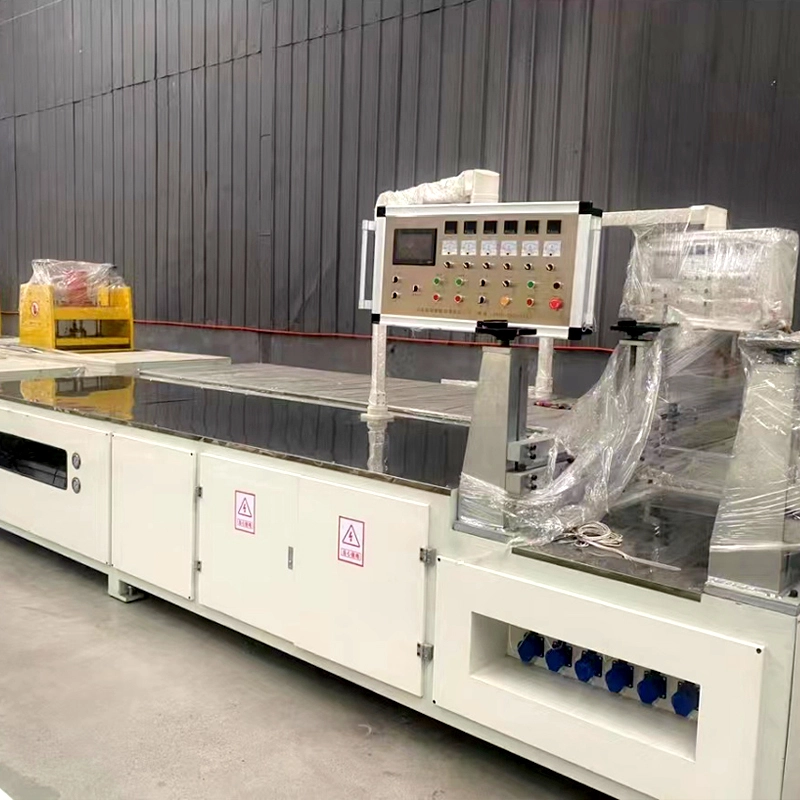
These stages work together smoothly. They turn raw stuff into useful items.
Fiber Feeding and Resin Impregnation
The first step loads long fibers into the creel. From there, they go to the resin mix. The fibers soak well in the resin. This makes sure they stick together strong when hardened.
This soaking is key. It helps the final product stay firm and whole.
Molding and Shaping
After the fibers get wet with resin, they pass through a warm-up spot. Then, they enter the mold. The mold shapes the product. Workers can change the mold to make many cross-sections. These include beams, sticks, corners, and slots.
The mold decides the final look. So, it must fit the job needs.
Curing and Solidifying
The wet fibers move through a hot mold. It makes the mixed stuff hard. Workers watch the heat and push inside the mold. They do this to make sure the resin hardens right. This gives the stuff the needed power and stiffness.
Good control here stops weak spots. It keeps quality high.
Cooling and Cutting
When the mixed stuff leaves the mold, it cools more to get harder. Then, an auto cutter trims it to the wanted lengths. The cutter matches the speed of the pultrusion. This keeps cuts exact and quality good.
After cutting, the profiles are ready for the next step.
Packaging and Storage
After trimming, workers stack the pultruded profiles. They store them for shipping or more work. Good wrapping keeps them safe during moves.
This last step makes sure products reach users in top shape.
These stages work together smoothly. They turn raw stuff into useful items. Now, let’s talk about why this method is so good.
Advantages of the FRP Pultrusion Process
- High Strength-to-Weight Ratio: FRP stuff from pultrusion mixes power and lightness. This makes it great for jobs where these traits matter a lot.
- Corrosion Resistance: FRP mixes fight rust well. So, they work in tough spots like chemical spots, sea platforms, and boat uses.
- Customization: Pultrusion lets workers make shapes with odd forms and different fiber ways. They tailor them for exact power and bend needs.
- Continuous Production: The pultrusion method keeps making mixed shapes without stops. This cuts waste and boosts speed.
- Environmentally Friendly: Pultrusion uses less power than methods like extrusion. Also, the base stuff like fibers and resin can get reused.
These perks make pultrusion a smart pick for many tasks. But where do people use it most?
Applications of FRP Pultrusion
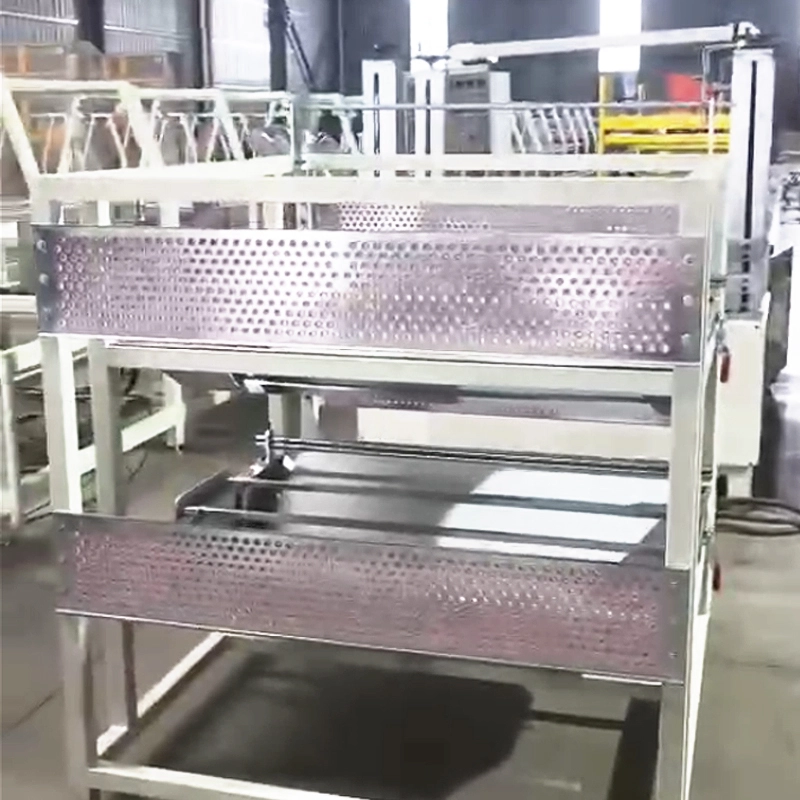
The FRP Pultrusion Production Line makes stuff for many fields.
In building, pultruded FRP profiles go into bridges, stands, and main parts. They last long and fight rust.
For power and gadgets, FRP’s no-conduct trait fits well. It works for busbars and power boxes.
In cars and planes, FRP parts help make light, strong pieces.
In boats, pultruded FRP makes firm parts that handle sea water and bad weather.
These uses show how flexible FRP is. One company that helps with this is Hebei Aoliande Chemical Equipment Co., Ltd.
Hebei Aoliande Chemical Equipment Co., Ltd. – Your FRP Pultrusion Partner
Hebei Aoliande Chemical Equipment Co., Ltd. focuses on top FRP Pultrusion Machines. They ensure steady making of glass fiber reinforced plastic items. With lots of know-how and new ideas, Aoliande is a go-to seller of FRP pultrusion machines around the world.
They give many FRP machines. These include custom ones for special making needs. For small jobs or big runs, Aoliande’s tools are built for speed, toughness, and exactness. By getting the pultrusion method and its perks, fields can pick smarter. They can add FRP profiles to plans. This boosts item work and green ways.
Conclusion
The FRP Pultrusion Production Line is a must-have tool for making top, no-rust mixed stuff. It gets used in many spots. If you want better power, less weight, or longer life in products, pultrusion gives a bendy and quick fix. As a top seller of FRP pultrusion machines, Hebei Aoliande Chemical Equipment Co., Ltd. gives new fixes for your mixed making needs.
FAQs
What is the difference between pultrusion and extrusion in FRP production?
Pultrusion pulls fiber-strong stuff through a resin mix and hardens them. But extrusion melts raw stuff and pushes it through a mold. Pultrusion fits best for top mixed materials. Extrusion works well for softer, heat-melt plastics.
What industries use pultruded FRP profiles?
Pultruded FRP profiles go into many fields. These include building, power, cars, planes, and boats. They shine due to power, lightness, and no-rust traits.
What are the key benefits of using FRP pultrusion?
The big perks are high power-to-weight mix, great no-rust power, and making custom shapes with odd forms. Pultrusion also gives ongoing making and saves power.
How does the pultrusion process improve material properties?
Pultrusion mixes long fibers with resin. The result has more power, stiffness, and lasting than old stuff.
Can pultrusion profiles be customized for specific applications?
Yes. Pultrusion profiles get made to fit exact job needs. The method lets different fiber ways, resin kinds, and shape types.