
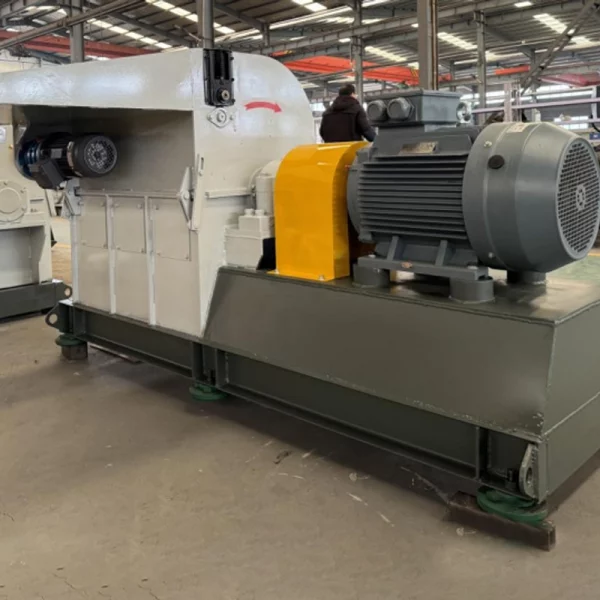
Calcium chloride plays a big role in many industries. You see it in road de-icing, food processing, and even oil drilling. But how it’s made matters a lot these days. Production lines turn raw materials like hydrochloric acid and limestone into this useful compound. They handle everything from mixing liquids to drying granules.
The process starts simple. Raw inputs react to form a solution, then get dried into flakes or pellets. Yet, as demands grow, so do the ways we build these lines. People want cleaner methods that waste less and cost less to run. That’s where future changes come in. This blog looks at what’s next for these production setups. We’ll cover shifts in tech, green practices, and market pulls. If you’re in manufacturing or just curious, stick around. These trends could shape your work or business.
Current Landscape of Calcium Chloride Manufacturing
Right now, calcium chloride production relies on tried-and-true methods. Most lines use acid and stone to create the product. The output hits high purity levels, often above 95%. Tail gases get cleaned to meet rules. But challenges pop up. Energy use is high, and waste needs handling.
Key Applications Driving Demand
What keeps this market buzzing? Several sectors depend on calcium chloride.
- De-icing and Dust Control: Roads and airports use it to melt ice or settle dust. Winter weather boosts this need.
- Oil and Gas: It helps in drilling fluids, keeping wells stable.
- Food and Pharma: Acts as a firming agent in canned veggies or a drying aid.
- Construction: Speeds up concrete setting in cold spots.
Demand grows steady. Global output sat at about 3 million tons last year. Projections show it climbing to nearly 5 million by 2035. That’s a yearly rise of around 4%. North America alone moves 2.4 million tons now, heading to 2.8 million soon.
Challenges in Traditional Production
Old ways work, but they have drawbacks. High heat means big fuel bills. Acid handling risks spills or fumes. Plus, not all setups recycle waste well. Factories face pressure to cut emissions. Rules get stricter on air and water quality. That’s pushing makers to rethink their lines.
Emerging Trends Shaping the Future
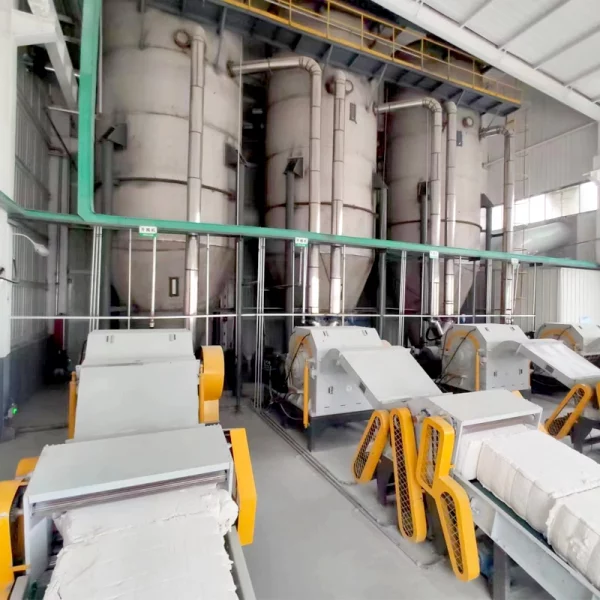
The industry isn’t standing still. New ideas aim to make production smarter and cleaner. Think about automation that runs things smoother. Or materials that last longer against corrosion. These shifts help firms stay competitive. They also build stronger brands by showing care for the planet.
Sustainability in Production Processes
Going green tops the list. Factories want to cut their footprint. One way? Better waste recovery. Lines now recycle acid vapors, turning them back into usable stuff. This drops pollution and saves cash.
Look at energy sources. Some switch to renewables like solar for heating. Others use heat exchangers to reuse warmth from exhaust. Results? Lower coal or gas use. A recent study notes eco-friendly methods could slash emissions by 20% in coming years.
- Recycling Loops: Closed systems capture byproducts like gases.
- Water Conservation: New drying tech uses less water, vital in dry areas.
- Biodegradable Additives: Some add green agents to boost product life without harm.
These steps not only meet laws but attract eco-conscious buyers. Companies that adopt them often see sales jump. It builds trust, showing they’re forward-thinking.
Automation and Digital Integration
Machines are getting smarter. PLC systems already control mixes and flows. But future lines go further. Sensors track everything in real time. If something’s off, alerts fix it fast.
Imagine AI predicting breakdowns. It scans data to spot wear early. This cuts downtime. Digital twins—virtual models—let you test changes without real risks.
| Trend | Benefit | Example Impact |
|---|---|---|
| AI Monitoring | Reduces errors | 15% less waste |
| Robotic Handling | Safer for workers | Faster output |
| IoT Connectivity | Real-time data | Better quality control |
Firms using this tech report 10-20% efficiency gains. It strengthens their market spot, making them reliable partners.
Advancements in Energy Efficiency
Energy eats up costs. Future lines focus on cutting it. Spray fluidized beds already help by spreading heat even. But innovations like low-temp drying are coming.
One big push: Gas generators over old fuels. They burn cleaner and steadier. Combined heat and power setups reuse waste heat. This could drop energy use by 25%.
In oil fields, demand spikes for efficient lines. Market for calcium chloride in energy grows at 14% yearly. Efficient production meets this without hiking prices.
Material Innovations and Customization
Materials matter. Corrosion-resistant parts extend line life. Think special alloys for tanks and pipes. They handle acids better, reducing fixes.
Customization grows too. Lines adjust for different outputs—flakes for food, pellets for roads. Flexible designs let small runs without big changes. This helps niche markets, like pharma needing pure grades.
Impact on Business and Personal Branding
Adopting these trends does more than save money. It boosts your brand. Customers pick suppliers who value green tech. For individuals, like engineers or managers, knowing these shifts builds expertise. You become the go-to person in your field.
Companies leading in sustainability often land bigger deals. Their story—cleaner production, reliable output—draws talent too. Personal brands shine when you share insights on forums or LinkedIn. It shows depth, helping careers grow.
Introducing Hebei Aoliande Chemical Equipment Co., LTD.
As a key player in this space, Hebei Aoliande Chemical Equipment Co., LTD. stands out as a supplier of calcium chloride production lines. Based in China, they focus on full setups from liquid prep to granulation. Their lines hit high purity and include waste recovery for cleaner ops. With certs like ISO9001, they offer tech advice, installs, and ongoing support. They’ve served global clients, building trust through quality and service. If you’re eyeing upgrades, they’re worth a look.
Conclusion
Future trends in calcium chloride production lines point to a smarter, greener path. From automation to sustainability, these changes cut costs and meet demands. Businesses that adapt will thrive, building stronger brands. Individuals can lead by embracing them. The industry evolves fast—stay ahead to reap the benefits.
FAQs
What are the main future trends in calcium chloride production lines?
Key shifts include more automation for better control, green methods to cut waste, and energy-saving tech. These help lines run smoother and meet eco rules.
How will sustainability affect calcium chloride production lines?
It pushes for recycling systems and cleaner fuels. Lines that reuse byproducts lower emissions, making them appealing to eco-focused markets.
Can automation improve efficiency in calcium chloride production lines?
Yes. Tools like sensors and AI spot issues early, reducing downtime. This leads to steady output and lower costs.
What role does energy efficiency play in future calcium chloride production lines?
It’s crucial. New drying methods and heat recovery drop fuel use, helping firms save money while handling growing demand.
How can businesses benefit from adopting future trends in calcium chloride production lines?
They gain from lower ops costs and stronger market pull. Green practices attract clients, boosting reputation and sales.