
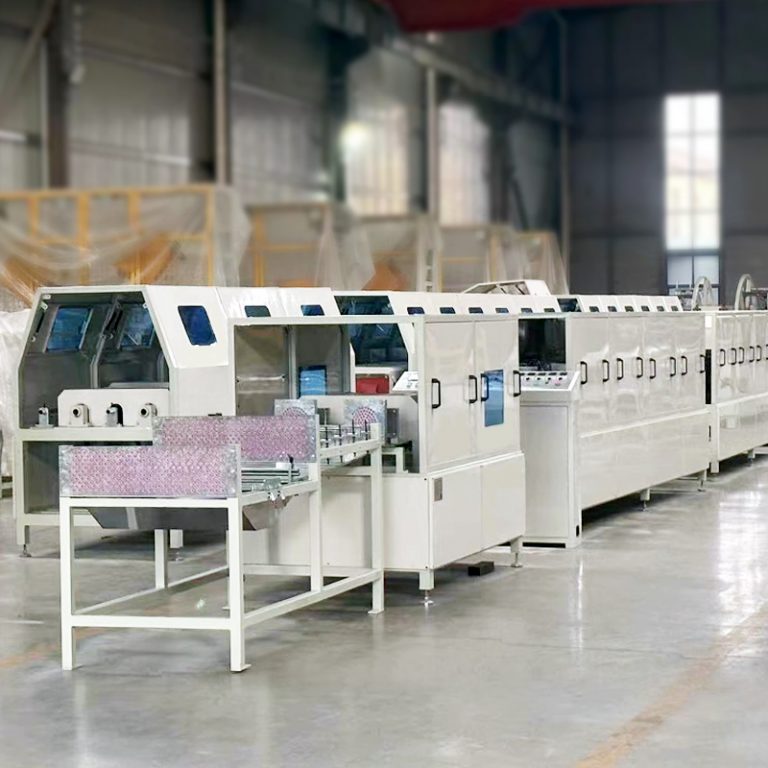
Fiber Reinforced Plastic (FRP) production mixes a polymer base with strong fibers like glass, carbon, or aramid. This creates a composite that has good strength for its weight and resists rust. The main parts of FRP production center on methods such as resin transfer molding (RTM), hand lay-up, filament winding, and pultrusion. Hand FRP making often uses trained workers for placing fibers, putting on resin, and managing hardening. In contrast, machine systems use robots and computer-run tools to get steady results and quicker work. Output efficiency—the speed and quality of finished items—matters a lot for staying strong in business and making money in this area.
Now that we covered the basics of these methods, let’s look at why output efficiency is so important in current FRP making.
The Relevance of Output Efficiency in Modern FRP Manufacturing
Output efficiency shows how well you turn resources—like workers, materials, and power—into ready products. In today’s FRP making, where worldwide rivalry and buyer needs for exact work are strong, efficiency hits cost management, product dependability, and growth potential right away. The production ways affect not just the price per piece but also keeping steady quality in big groups. As fields shift to digital changes and smart plants, making output efficiency better with machines is a key plan to hold onto top spots in the market.
What Defines Manual FRP Production Efficiency?
To better understand what defines manual FRP production efficiency, we first examine its key characteristics.
Key Characteristics of Manual FRP Fabrication
Hand FRP building is still common for custom or small-run jobs because it bends easily. The usual flow starts with getting molds ready. Then, workers cut and layer fibers by hand. After that, they blend and spread resin with brushes or rollers. Finally, the parts harden in normal or set settings. How much you produce depends a ton on the worker’s know-how, attention, and past work. Things tied to people, like getting tired or uneven resin mixes, can change both the speed of output and how good the product is. Also, hand jobs take lots of effort and need ongoing training to keep skill levels up over shifts or groups.
To understand the built-in limits of hand building better, we should next think about the issues that affect its total output.
Limitations Affecting Output in Manual Processes
Hand methods often have changes in product sizes or surface looks because of mistakes by people in layering or spreading resin. Depending on hand blending can cause uneven hardening or stuck air pockets. These weaken the build’s strength. The making cycles move slower since each layer goes on one after the other with little machine help. Differences between batches make growing hard. This is because keeping the same details across many units needs close watching. These issues together limit how much you can make and slow down how well you compete against machine options built for steady running.
How Does Automation Transform FRP Production Output?
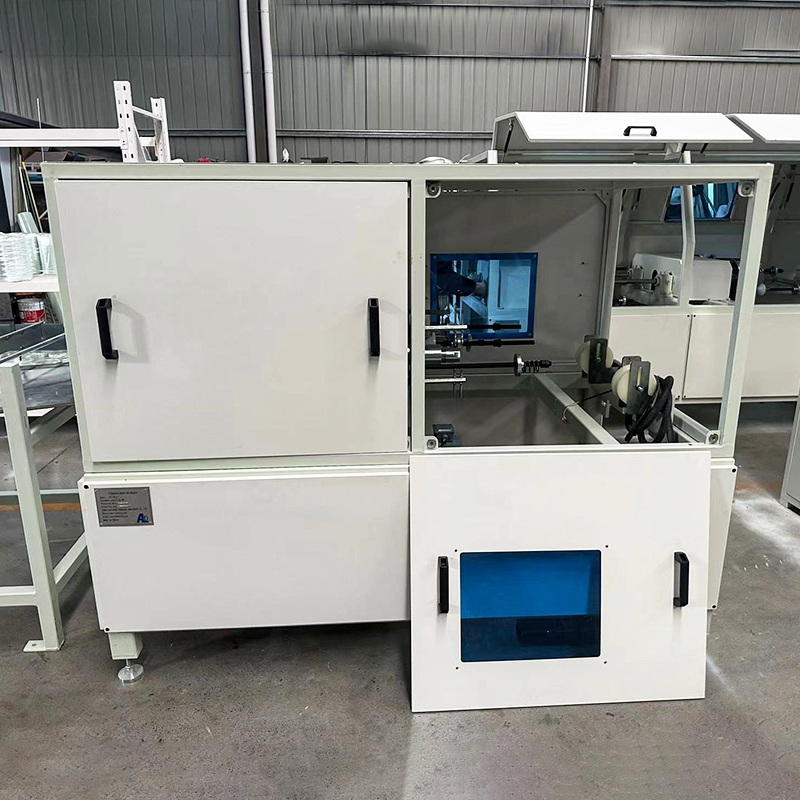 he core features of automated FRP systems play a central role in this transformation and are outlined below.
Core Features of Automated FRP Systems
Machine FRP setups blend robots for fiber placing, sensors for watching the process, and set logic controls (PLCs) for exact handling of things like heat and force. This blend makes sure you get the same accuracy in every step—from putting in resin to hardening. It also cuts material loss with tuned dosing tools. Machines allow grabbing data live. This lets makers check how things are going right away and tweak settings on the fly for best exactness. Smart software steps further improve the process by guessing possible slips before they hurt the end output quality.
After looking at these tech parts, it is important to see how they turn into real efficiency boosts next to hand work.
Efficiency Gains from Automation
Machine systems cut cycle times a lot. This happens because several steps—like placing fibers and soaking in resin—can go at the same time under watched settings. Getting the same results improves a bunch. Every part made sticks close to the plan limits with little change between groups. Output goes up as machines run without stop, skipping the slowdowns from tiredness that hand work often sees. Fault numbers drop thanks to steady resin flow handling and machine hardening plans that avoid under- or over-hardening dangers. The first costs for setup may be steep. But over time, you save from less waste, lower worker costs, and longer tool life through upkeep guesses built into today’s machine setups.
What Are the Quantitative Differences Between Manual and Automated Output?
The comparative metrics for evaluating output efficiency between manual and automated processes are presented as follows.
Comparative Metrics for Evaluating Output Efficiency
To check hand versus machine FRP making with numbers, look at measures like time per part, success rate (percent of good units), power use per kilo of material worked, and total tool usefulness (OEE). Machine lines often show shorter times per cycle—usually 40–70% less based on how hard the job is—and success rates over 95%. Power use gets better because machine heat control stops extra heat or long hardening times that hand setups often have. Keeping things even in big runs stays better with machines. This is since tool-run steps hold the same settings every time without slips from people changes.
These number differences point out bigger patterns that show how machines change output per worker hour in factory spots.
Data Interpretation and Performance Trends
Machines boost output per worker hour by letting fewer people watch several tools at once while keeping steady make levels. Higher OEE numbers show better uptime (less stop time), speed (quicker cycles), and quality (fewer faults). Number studies show tight links between more machine use and less change in make results. This is a sign of grown factory systems aiming for slim making rules in areas like FRP composite building.
How Do Material Handling and Process Control Affect Efficiency?
The role of material preparation in output quality is examined first, as it forms a critical foundation for overall efficiency.
Role of Material Preparation in Output Quality
Handling materials has a big say in how even the final product is and its strength. In hand setups, how exact the fiber cutting is relies on worker skill. Wrong lines can make weak areas in the layers. Uneven resin blends lead to off thickness that changes how deep the soak goes in layering steps. Machine systems fix these with pre-set cutting paths using CNC tools and auto pour units. These keep right resin-to-fiber mixes every go. Even spread during soaking makes sure hardening acts the same across molds. This improves looks and build trust while lifting total output efficiency.
Shifting from readying raw materials to keeping the process steady shows how new control tools raise work trust even more.
Process Control Technologies Enhancing Output Stability
Today’s machine plants use shut-loop heat handling to make sure the best hardening without heat shifts that could bend or split faults. Force sensors keep checking mold states during resin pour to stop empty spots. Flow watching makes sure full wet cover over fiber layers. Upkeep guesses run by AI checks spot wear signs before breaks happen. This cuts stop breaks that would otherwise lower daily make goals.
What Are the Economic Implications of Shifting from Manual to Automated FRP Production?
A detailed cost-benefit analysis over time reveals the key economic implications of this shift.
Cost-Benefit Analysis Over Time
Moving from hand building to machines needs big money spending at the start. However, work savings build up over time. They come from lower material loss rates, less fix work, cut power use per unit made, and less need for special worker changes. Plus, shifting staff lets people who did repeat hand jobs move to better roles like watching systems or planning processes. This boosts how quick the group is while keeping job steadiness as tech grows.
Before we look deeper at plan adoption cases, it helps to note when these shifts make money sense based on size thoughts.
Strategic Considerations for Manufacturers
For small makers focused on custom parts where fitting needs beat volume money, hand methods stay workable because of bend advantages even with slower output speeds. On the other side, big makers gain the most once steady need pays back machine costs over long make amounts above set use levels needed for good return on investment in 3–5 years as seen in field marks now. Mixed models that blend robot help with hand skill keep giving balanced paths. They tune both exact sameness and art bend at the same time to meet special market needs well.
How Does Hebei Aoliande Chemical Equipment Co., LTD Support Efficient FRP Production?
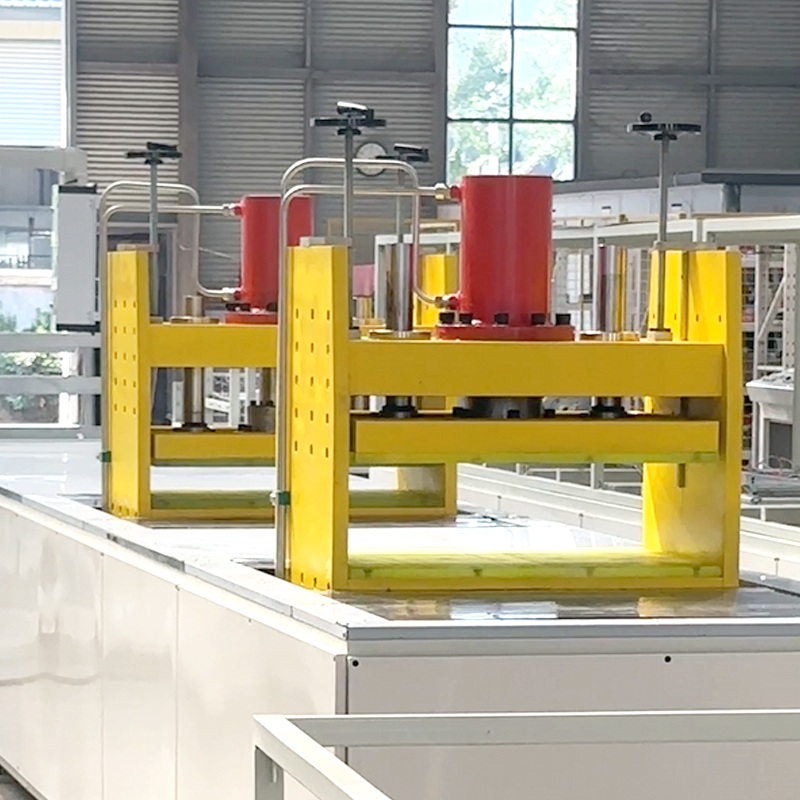 The company overview and expertise in FRP solutions demonstrate how Hebei Aoliande supports efficient FRP production.
Company Overview and Expertise in FRP Solutions
Hebei Aoliande Chemical Equipment Co., LTD shows as a skilled maker focused on advanced FRP tool design, building, and supply. It has worldwide known trust. The firm gives full answers covering the whole range of both hand, half-machine, and full-machine composite work lines. This makes sure clients hit top work efficiency, lasting use, and match to world standards every time.
Building on their set know-how, let’s check the exact new idea promises that drive better output results for customers around the world.
Commitment to Quality and Innovation in FRP Manufacturing Equipment
The company puts stress on exact-built machines that blend smart control parts. These push steady, repeatable results. They cut waste and tune resource use. The focus is on ongoing betterment ways aimed at green new ideas. This makes sure clients stay able to compete in changing composite markets that need higher output and tighter fit levels. At the same time, they keep green care rules that are part of today’s making thoughts used worldwide.
Conclusione
Hand against machine FRP making shows clear differences in output efficiency, cost good sense, growth, and green views all the same. Hand flows give bend fit for small custom work. But machines set new marks for repeating, speed, fault cutting, and long money good. These match current field goals chasing top output and trust balance. Future paths show steady mixing of smart making setups using web things analytics, robots, and guess smarts. This blends hand skill and tech team to shape next-gen composite building views worldwide.
Domande frequenti
What is the primary factor influencing output efficiency in FRP production?
The top factor is process control. Machine systems keep steady settings like heat, force, and resin flow. These hit yield quality right away. They make sure stable, high-work results group after group without slips that hurt build traits in end composites made in field spots today.
Is full automation always necessary for improving output efficiency?
No, not always. Part machine work that blends aimed sub-parts like auto cutting and pour modules already gives big boosts. It cuts changes and lifts repeating without too much first money loads tied to full change of whole plant setups done step by step at doable sizes fit to exact work spots well.
How can manufacturers choose between manual and automated production methods?
Makers should check factors like expected yearly amount, how hard the part shapes are, open money, worker know-how, wanted sameness fit limits. They do this with care to pick the best match lining business goals, resource holds, and current market moves. This guides plan choices for steady growth paths in the rival world composites field spots today.