
In modern industrial operations, safely storing chemicals, water, and other liquids is crucial. Traditional steel or concrete tanks often struggle with corrosion, heavy weight, and high maintenance costs. That’s why FRP storage tanks have become a preferred solution across many industries.
Fiberglass Reinforced Plastic (FRP) combines fiberglass fibers and resin to create a lightweight, durable, and highly corrosion-resistant material. In this guide, we’ll dive into what FRP storage tanks are, how they are manufactured, their advantages, applications, and what to look for when choosing a tank.
What Is an FRP Storage Tank?
Un FRP storage tank is a container made from fiberglass reinforced plastic, designed for storing liquids safely and efficiently. The combination of fiberglass and resin creates a composite material that is strong, corrosion-resistant, and long-lasting.
FRP storage tanks are commonly used to store:
-
Chemicals like acids and bases
-
Industrial wastewater
-
Fertilizers and chemical solutions
-
Drinking water and seawater
These tanks are ideal for environments where corrosion, chemical attack, or harsh weather conditions can compromise traditional tanks.
How FRP Storage Tanks Are Manufactured
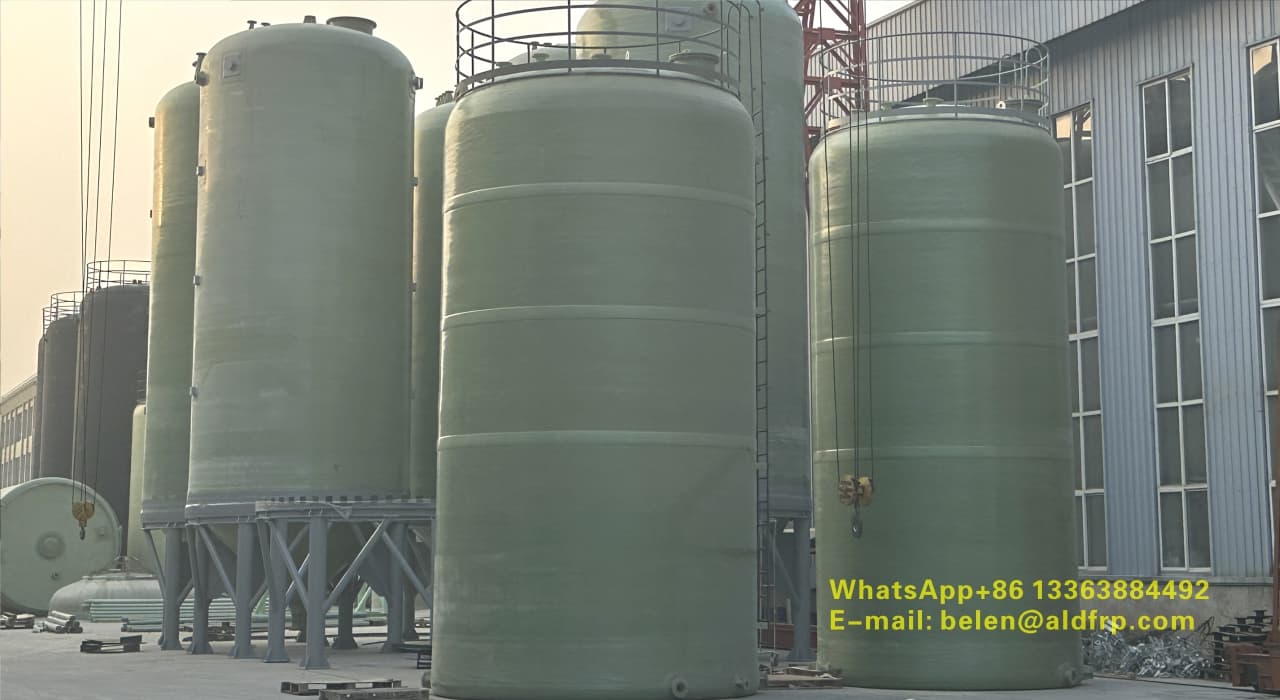
Professional FRP storage tank manufacturers use advanced processes to produce tanks that are reliable and safe. The two most common manufacturing methods are:
Filament Winding Process
Filament winding is widely used for large industrial tanks. The process involves:
-
Impregnating continuous fiberglass fibers with resin
-
Winding the fibers around a rotating mold (mandrel) in specific angles
-
Building up layers to achieve the required wall thickness
-
Curing the resin to form a rigid structure
This method ensures consistent wall thickness, high mechanical strength, and durability.
Hand Lay-Up Process
The hand lay-up method is often used for custom tanks or complex shapes. Skilled technicians apply fiberglass and resin layers manually, allowing:
-
Flexible designs for unique tank shapes
-
Integration of special features like baffles, nozzles, or inspection ports
-
Multi-layer construction for chemical and structural performance
Many manufacturers combine both methods depending on tank size, design complexity, and production requirements.
Advantages of FRP Storage Tanks
Choosing an FRP storage tank comes with multiple benefits over traditional steel or concrete tanks.
1. Corrosion Resistance
FRP tanks naturally resist chemical corrosion without requiring additional coatings. They are ideal for storing acids, bases, salts, and other aggressive liquids.
2. Lightweight and Easy to Install
Compared to steel or concrete, FRP tanks are much lighter. This reduces transportation and installation costs and often allows tanks to be handled with smaller cranes or fewer workers.
3. Long Service Life
A high-quality FRP tank can last 20–30 years or more with minimal maintenance, thanks to its corrosion-resistant composite construction.
4. Low Maintenance
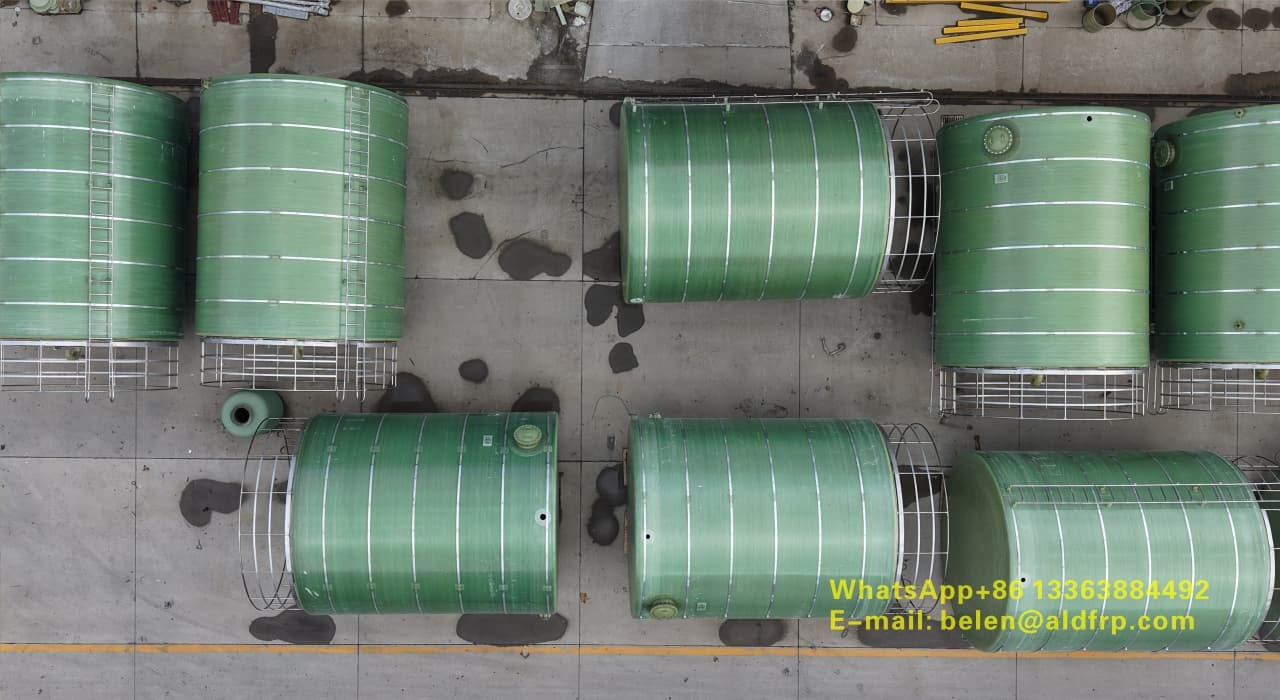
Unlike steel tanks that need regular coating and inspections to prevent rust, FRP tanks require minimal upkeep, saving time and operational costs.
5. Design Flexibility
FRP tanks can be customized in terms of:
-
Size and shape (vertical, horizontal, conical, or custom designs)
-
Wall thickness and reinforcement patterns
-
Resin type for specific chemical compatibility
-
Integrated fittings, nozzles, or baffles
This flexibility makes them suitable for a wide range of industrial applications.
Applications of FRP Storage Tanks
FRP storage tanks are used in many industries due to their durability and chemical resistance. Key applications include:
Chemical Industry
Storing acids, alkalis, solvents, and other corrosive chemicals safely.
Water Treatment
Used for storing treated water, wastewater, and treatment chemicals such as chlorine or sodium hypochlorite.
Fertilizer Production
Storing hydrochloric acid, sulfuric acid, and other chemical solutions used in fertilizer manufacturing.
Power Plants
Chemical storage for cooling systems, treatment chemicals, and industrial liquids.
Marine and Coastal Applications
Saltwater storage and desalination tanks benefit from FRP’s natural corrosion resistance.
Selecting the Right FRP Storage Tank
When choosing an FRP storage tank, consider the following factors:
-
Chemical Compatibility: Ensure the resin and fiberglass type are compatible with the stored liquid.
-
Capacity Requirements: Determine the volume needed and the tank dimensions suitable for your site.
-
Operating Conditions: Consider temperature, pressure, and environmental exposure.
-
Design Standards: Tanks should follow recognized standards such as ASME RTP-1, ASTM D3299, or EN 13121.
-
Manufacturer Expertise: Choose a manufacturer with proven experience, quality control, and technical support.
Conclusione

Un FRP storage tank offers a safe, durable, and low-maintenance solution for industrial liquid storage. Key benefits include:
-
Excellent corrosion resistance
-
Lightweight construction
-
Long service life
-
Low maintenance requirements
-
Design flexibility for custom applications
Whether you are storing chemicals, wastewater, or potable water, FRP storage tanks provide a reliable and cost-effective alternative to traditional steel or concrete tanks.