
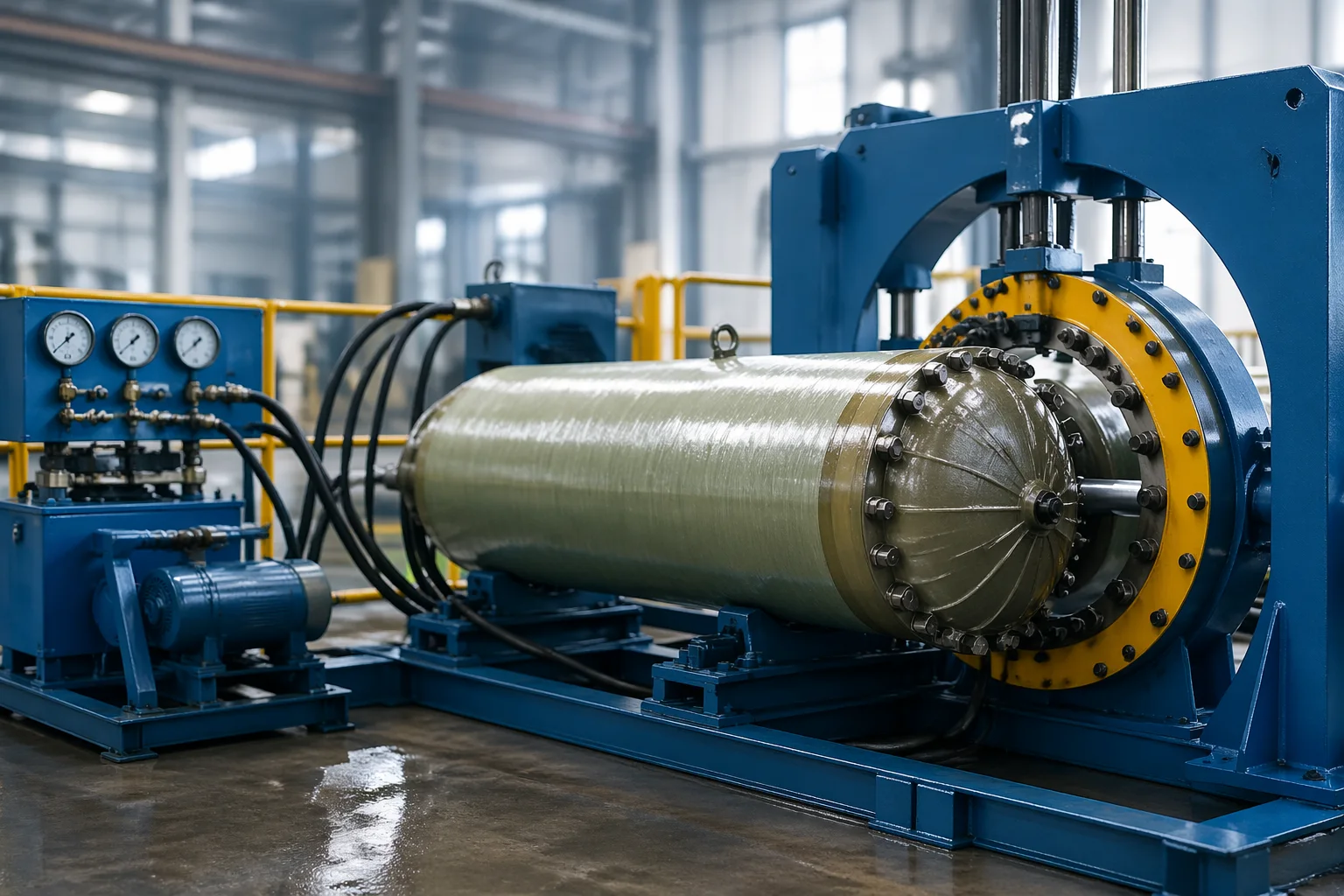
Hydrostatic pressure testing is a key step in making and checking the quality of Fiber Reinforced Plastic (FRP) pipes. The hydrostatic pressure testing machine, or pipe hydro test machine, helps confirm that every pipe fits its design needs and safety rules before use. This full guide looks at the goal, how it works, and ways to pick hydrostatic testing machines made for FRP uses.
The Purpose of Hydrostatic Testing in FRP Pipe Manufacturing
Hydrostatic testing checks the strength and leak-proof nature under pressure. It copies real-world conditions. This process makes sure pipes follow design rules and safety standards for industrial systems. It also spots making flaws like empty spots, breaks, or layers coming apart. These issues could harm how the pipe works later. By finding problems early, makers can avoid expensive breakdowns in use.
Key Principles of Hydrostatic Pressure Testing
The method fills the FRP pipe with water. Then, it uses a hydrostatic testing machine FRP unit to add steady inside pressure. The test sees if the pipe can handle set pressures without breaking or changing shape. Data from this helps with quality papers and approval steps needed by world standards. The idea is simple. If a pipe keeps pressure steady without leaks or changes during the wait time, it passes.
Components of a Hydrostatic Pressure Testing Machine for FRP Pipes
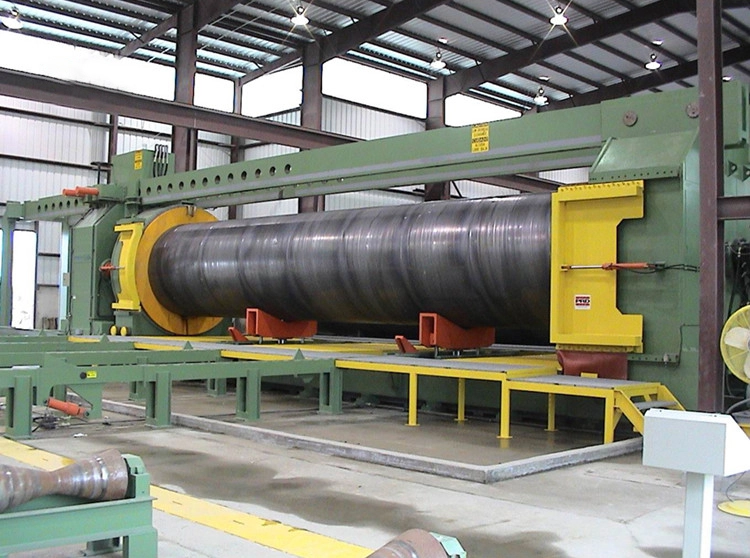
For safe and exact work, the hydrostatic pressure testing machine has several joined parts built for care and steadiness.
Main Structural Elements
The main build includes a strong test area or frame. It holds pipes firmly during tests. A high-pressure pump makes the needed test pressure. Hydraulic or pneumatic movers allow steady pressure steps. These parts make sure even big FRP pipes get tested well under fake work loads.
Measurement and Control Systems
Exact measures come from careful pressure sensors and changers. They give live data back. Digital guides with easy screens watch every part of the test step. Safety release valves and auto stop tools guard workers and gear from sudden high pressure. All these work together for sure results. They also keep safety for those running it.
Working Mechanism of the Hydrostatic Testing Machine
Before looking at tech details, it helps to know how these machines run one step at a time. This leads to steady results.
Step-by-Step Operation Process
The work starts with getting ready. You mount the FRP pipe safely in the frame. Then, you seal both ends with right fittings. Next is filling. Water goes into the pipe to remove air bubbles that might mess up readings. In the pressure step, inside pressure rises slowly. It reaches the goal set by design needs. After that, the hold time comes. It keeps steady pressure for a set length. All the while, it watches for leaks or shape changes.
Data Recording and Analysis Procedures
During the whole test, digital tools save live data. This includes graphs of pressure over time. A quick drop in pressure shows a possible leak or weak spot in the pipe wall. Smart software makes reports after. These sum up results for tracking and approval. This is key in today’s making places that focus on quality checks.
Technical Specifications Relevant to FRP Pipe Testing Machines
Moving from how it works to performance facts shows how tech numbers affect picking gear.
Pressure Range and Capacity Considerations
Hydrostatic testing machines come in different sizes. Some handle low pressure up to 10 bar. Others manage high pressure over 100 bar. Picking one depends on things like pipe size, wall depth, resin kind, and planned use. This could be for oil fields or city water lines.
Material Compatibility and Corrosion Resistance Features
Water tests can cause rust in metal parts. So, most machines use stainless steel for wet areas. This boosts lasting strength. It also fits with various FRP resin types like epoxy, polyester, or vinyl ester mixes. This stops bad reactions that might change results or harm gear faces.
Standards and Compliance in Hydrostatic Testing of FRP Pipes
Following world standards keeps things the same in fields that use composite pipes.
International Standards Governing Hydrostatic Tests
Main rules include ISO 14692 for GRP piping in oil and gas. ASTM D1599 covers quick hydrostatic break tests for plastic pipes. BS EN 1394 sets steps for thermosetting resin composite pipes under pressure. Sticking to these brings even methods around the world.
Quality Assurance Protocols During Testing Operations
Clear check rules apply to tools like gauges, pumps, changers, and guides. This happens before every test round starts. Paper work keeps track by noting every detail of single tests. This is important for approving goods for sale abroad or outside checks.
Selecting the Right Hydrostatic Pressure Testing Machine for FRP Applications
Knowing about rules leads to checking which machine setup best matches certain making wants.
Factors Affecting Equipment Selection
Main points include top test pressure power, pipe sizes it holds, full length it takes, auto level from hand to full auto, and how it fits with current plant setups. Big makers often pick auto PLC systems. They offer repeat benefits in large runs.
Operational Efficiency and Maintenance Considerations
Easy setup cuts wait time between tests. Modular builds make cleaning simple after each round. Spare parts ready plus check services keep long-term trust. This plays a big role in full cost over years.
Advancements in Hydrotest Machine Technology for FRP Pipes
As tech changes shape industry auto trends worldwide, hydrostatic testers get smarter and better at saving effort.
Integration of Digital Monitoring Systems
New machines add PLC control units. They have touch screens for exact changes during real work. Far-off data saving via industrial IoT links lets central quality watch over many places. This helps global makers with spread-out work.
Energy Efficiency and Safety Enhancements
Variable frequency drives (VFDs) adjust motor speed in pressure steps. They cut energy use without losing care. Better safety locks stop sudden high pressure by auto stopping when limits pass. This meets work safety rules everywhere.
Practical Applications Across Industries Using FRP Piping Systems
The wide use of hydrostatic testing reaches many fields where fluid move trust is vital.
Industrial Sectors Utilizing Hydrostatic Testing Machines
Oil and gas lines need sure no-leak work under hard pressures. So, strict hydro tests are required before start. Water plants use these machines too. They check lasting strength against steady water loads. This keeps city networks running without stops.
Benefits Achieved Through Regular Hydrostatic Verification
Normal checks lengthen use life. They find hidden weak points early, before big breaks in work. Steady testing boosts trust scores. This is key for big projects like sea platforms or chemical plants. There, stops cost a lot in money.
About Hebei Aoliande Chemical Equipment Co., Ltd.
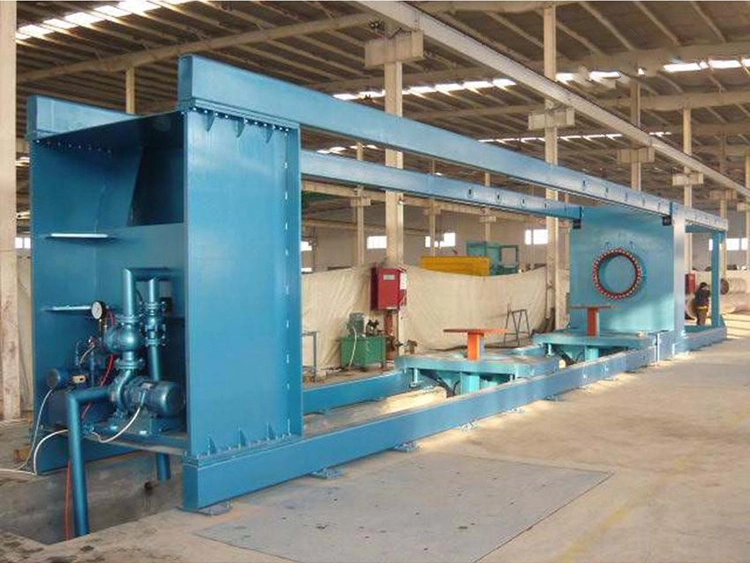
Hebei Aoliande Chemical Equipment Co., Ltd. is a professional manufacturer and reliable supplier of the SY-2500Ⅲ FRP Pipe Hydrostatic Pressure Testing Machine, providing advanced testing solutions for large-diameter FRP/GRP pipelines. With strong expertise in hydraulic system design, pressure control technology, and automated testing integration, the company delivers efficient and stable SOP plant solutions that ensure accurate pipeline strength verification and leakage detection in compliance with international standards such as ISO and ASTM, serving industries including chemical processing, water treatment, and industrial infrastructure worldwide.
Conclusione
Hydrostatic pressure testing machines stay vital tools. They make sure safe work of FRP pipelines in many fields, from energy plants to city utility builds. By mixing new auto tech with close follow of world standards like ISO 14692 or ASTM D1599, makers reach top levels of product sure safety. This is key in today’s tough markets.
Domande frequenti
What fluid is typically used during hydrostatic tests?
Water is the usual choice. It does not compress much. This gives steady readings under different pressures. It avoids extra risks from gases that compress.
How long should an FRP pipe be held at target pressure?
The hold time changes by rule needs. But it often lasts from a few minutes to one hour. This gives enough time to watch for leaks or weak signs.
Can hydrostatic testers be customized for non-standard pipe sizes?
Yes, most makers give custom setups. These change fittings, pumps, sensors, or control parts. They fit exact project needs in special fields like air composites or salt water plants.