
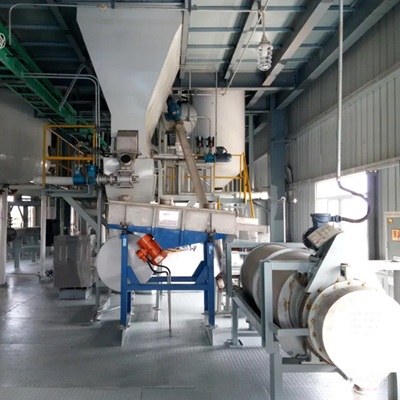
Linee di produzione di cloruro di calcio play a big role in the chemical manufacturing world. They help with tasks like building projects, melting ice, and factory work. For makers and plant workers, keeping product quality steady while following tougher green rules is a main hurdle. This piece looks at key parts such as checking raw stuff, handling fumes, dealing with dirty water, and rule systems. These impact how well things run and help make lasting production results.
Understanding Quality Control in Calcium Chloride Production
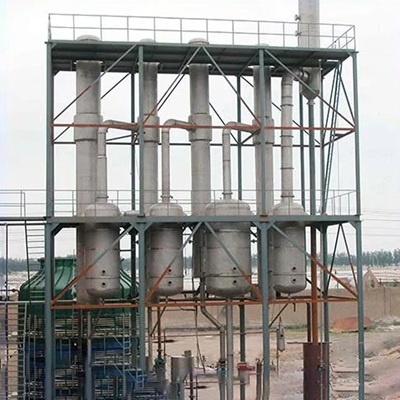
Before we talk about green rules, we need to see the close tie between quality checks and steady making. Quality control in a calcium chloride production line means regular watching of raw items, work steps, and end goods. This ensures they hit marks for cleanness, grain shape, and use in real jobs.
Raw Material Selection and Monitoring
Raw material checks start with the chemical bits used in the making process. Many lines use hydrochloric acid, limestone, and calcium hydroxide, plus other starting items. The steadiness of these bits directly affects:
- Cleanness in final calcium chloride products
- Extra stuff that forms and can change fumes or dirty water quality
- Work flow steadiness and later drying or grain making results
Workers often take samples from new materials. They check them against inside quality rules. This helps cut changes and lower spots of dirt like magnesium, sulfate, and iron bits. Each of these can hurt product quality. They might need more steps or create waste. Steady watching also backs up trade marks for quality. This includes cleanness levels that go over 94–95% for factory uses.
In Process Quality Checks
Quality control is not just one check. It runs all through making. Workers set up sample plans at main points like mixing, splitting, and drying. Main things checked in these steps include:
- Levels of mix in wet parts
- Grain size spread in hard products
- Wet amount and look of grain goods
Auto systems, like those with PLC controls, keep things even. They cut down mistakes from people. At the same time, quick tests let workers fix issues right away. These could harm rules or work.
Environmental Compliance Fundamentals in Chemical Production
As world and local rule makers make green standards stricter, makers of factory chemicals like calcium chloride must act ahead. They need to handle fumes, deal with waste flows, and stick to release limits. Green rules go beyond clear dirty stuff. They also cover planning for sound, hard waste, and possible dirt in ground or water.
Control of Air Emissions and Tail Gas Management
Making calcium chloride can create air fumes, mostly during drying, heating, and mixing steps. These fumes might hold:
- Dust bits from fine dirt and solids
- Sour gases or easy-to-fly parts based on raw item mix
New plants put in control tools like cleaners and strainers. These catch dust bits and make gases safe before letting them out. Cleaners that send waste air through wet stuff can soak up sour or active parts well. High-work strainers grab flying bits. This cuts their hit on nearby air quality. Keeping these control systems in good shape is key. Bad tools can fast lead to too much fumes and rule fines.
In lots of places, following country or trade air quality rules is a must for ongoing work. For instance, wider factory fume rules for like chemical trades may set limits on dirty stuff. They also say how to watch and report.
Wastewater Management and Compliance
Dirty water from calcium chloride making may have melted salts and extra stuff. This needs fixing before letting it out. Without right handling, this dirty water can change river quality, ground mix, and lower living systems.
Good dirty water handling ways include:
- Keeping process dirty water apart from clean flows
- Body and mix fixing to take out solids, change pH, and pull out dirty bits
- Using fixed water again in making to cut fresh water use and total let-out amounts
Water fixing systems made for the exact dirty bits in calcium chloride work waste help plants stay in release limits from green bosses. These systems often mix clumping, settling, and straining steps. This gets okay dirty water quality.
Solid Waste and By Products
Hard waste from making may include strainer cake, mud from water fixing, or used items from cleaning steps. Wrong throwing of these wastes can cause ground salt buildup or under-water dirt.
New rule ways stress:
- Naming waste flows to find danger levels
- Making salts safe or steady before throwing
- Working with allowed waste handlers for safe move and fixing
Some makers also look at reuse or value ways for extra stuff. They add round economy ideas that cut waste amounts while making possible gain flows.
Aligning With Evolving Quality and Environmental Standards
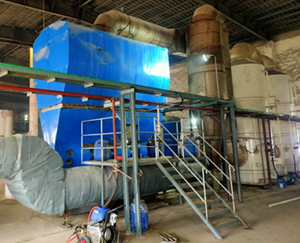
The chemical making field is seeing a move to tougher rules around quality and green work. Late trade looks show a push toward finer quality ranking systems. These lay out marks for different calcium chloride uses—from factory to high-clean and food-level goods. These rules often cover dirt amount, pH span, and paper needs for tracking.
Hitting these rules needs team work across quality handling and green rule groups. Written steps, clear quality marks, and strong report systems help show fit during checks and reviews.
Introduzione Hebei Aoliande Chemical Equipment Co., LTD.
Hebei Aoliande Chemical Equipment Co., LTD. is a trusted provider focused on calcium chloride production line answers. These are built for good work, trust, and fit with quality and green rules. With deep know-how in chemical tool design and work tuning, the firm backs varied making needs. It gives custom answers that mix quality checks and green-friendly ways. By aiming at flexible work setups, growable tool choices, and tested control tech, the firm helps clients make top calcium chloride products. At the same time, they hit rule needs and green aims. The firm’s skill aids both set makers and new ones looking for rule-fit, solid making systems.
Conclusione
Reaching high marks in quality checks and green rules is core to good calcium chloride making. From strict raw item watching to smart fume controls and dirty water plans, taking full ways helps makers give steady goods. This also guards workers, groups, and the world. As quality and rule needs keep changing, firms that build strong run controls will stand better. They can handle rule fields, cut dangers, and keep ahead in the game.
Domande frequenti (FAQ)
What is quality control in a calcium chloride production line?
Quality control in a calcium chloride production line means regular watching of raw items, work settings, and end goods. This makes sure even quality in calcium chloride and fit with marks.
How can a production line cut air fumes during the calcium chloride drying process?
Air fumes can drop by putting in cleaners and high-work strainers. These catch dust bits and active gases made during drying. This aids the plant in staying with green rules.
Why is dirty water handling key in calcium chloride making?
Dirty water from calcium chloride making may hold melted salts and dirty bits that can hurt local water setups. Good handling ensures fixing to okay let-out levels. It backs green rules.
What part does raw item control play in green rules?
Even and top raw items cut bad extra stuff and changes in work flows. This in turn eases the load on fume controls and dirty water fixing systems. It boosts total rules.
Can better quality control lower green danger?
Yes. Stronger quality control cuts changes that can make extra waste or dirty releases. It backs better use of control systems. This adds to rule fit and steady running.