
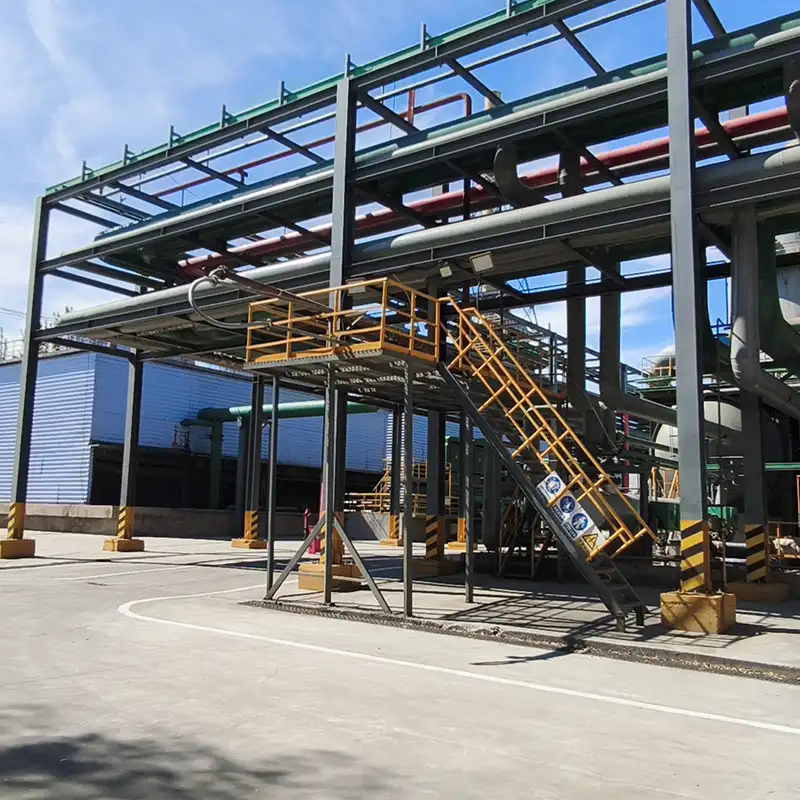
Sulfuric acid plays a big role in lots of fields. People use it for fertilizers, batteries, and cleaning water. Running a production line takes work. You have to know what keeps things going.
The making process often uses the contact way. Sulfur dioxide turns into sulfur trioxide. Then it mixes with water to make the acid. Easy on paper? No. Tiny slips can cause low output or danger.
Why care? If you work in chemicals or similar areas, these basics help catch problems soon. They give a strong base for your work.
The Part Raw Materials Play
Raw stuff starts it all. Sulfur, air, and water matter most. Bad sulfur brings dirt. That blocks helpers and drops speed.
Picture this. Clean sulfur burns better. It gives higher change rates. Air needs to be dry and clean. Wetness slips in and thins the stuff.
Water must be good too. Hard water leaves junk in tubes. Soft water keeps flow easy.
Where to find them? Nearby sellers save money, but look at their past. Far ones might have better stuff, but delays happen.
Try small lots first. Do tests in a lab. This avoids trouble later.
Gear Design and Setup
Solid gear wins half the fight. In a sulfuric acid production line, changers, soakers, and heat swaps are key.
Build them right, and output stays steady. Cut short here, and stops come.
Changers need tough stuff for hot temps. Special helpers quicken steps but break if ignored.
Soakers must boost touch between gases and liquid. Tall setups with fillers work well.
Picking a Good Layout
How you place the plant affects movement. Put parts in order to shorten tubes. Less tube means less rust risk.
Think about growing too. Leave space for more. It helps when needs go up.
Put in feelers for live checks. They watch heat and push. Auto doors fix things quick.
This cuts mistakes by people. It holds the manufacturing process steady.
Keeping Control and Watching the Process
Control counts a lot. Heat hits 400-500°C in changers. Too much, helpers wear out. Too little, steps slow.
Push in soak towers needs balance for full take.
Final stuff’s acid level? Hit it exact. Miss, and grade falls.
Checks and Fixes Each Day
Workers log info every hour. See patterns early. Rising heat might mean a block.
Use auto loops. They tweak flows.
Big systems show the full view. Screens list main numbers. Bells ring for odd things.
Like extra eyes. Helps keep output even.
Safety Steps in the Line
Sulfuric acid hurts. It burns skin and eats metal. Safety must happen.
Air flow pulls smoke away. Gear like gloves and glasses guards folks.
Quick washes and eye rinses? Put them near. Practice runs keep sharp.
Dealing with Spills and Leaks
Spills occur. Fix with lime or soda. Teach groups fast acts.
Leak finders warn soon. They stop small woes from big.
Get all in. Train often builds good ways. Give props for safe acts.
It lifts spirits. Cuts mishaps, keeps line going.
Following Green Rules
Rules are strict. Sulfur smoke hurts air. Cleaners catch it.
Used water needs fix before out. Make neutral and strain.
Power use? Grab back heat to cut mark.
Hitting Marks
Checks see if you follow. Pass to skip fines.
Reuse when you can. Use reaction heat again.
Being green grows your name. Buyers like clean makers. Opens fresh spots.
Care and Keeping Up
Skip care, line hurts. Plan stops for looks.
Clean helpers. Swap old bits.
Smart care uses info to guess breaks. Shake feelers on pumps find woes early.
Usual Jobs
Oil moving parts each week. Check seals each month.
Note them. Guides next fixes.
Good extras hold longer. No short cuts.
Teach fixers right ways. It brings back good.
Teaching Your Group
Folks make the change. Good workers see issues quick.
Begin with simple: process chem. Then real practice.
Keep classes going. Cover new rules or tools.
Building Skills
Guide new ones. Match with old hands.
Papers show skill. Lift group name.
Trained bunch runs better. Less slips mean more output.
Boosts firm name too.
Handling Costs in Making
Costs can grow fast. Raw stuff takes most.
Talk for big buys. Watch prices.
Power tabs? Cover tubes to hold heat.
Pay? Good shifts cut extra time.
Following Spends
Use sheets or programs. Split per ton.
Find waste spots. Fix fast.
Better speed means less per piece. Shoot for 98% change.
Add kinds. Make strong acid too for more cash.
New Ideas in the Area
Keep ahead. Fresh helpers last more. Cut swap costs.
Mixed ways blend contact and wet for better output.
Look at plant fuels for sulfur. New but good.
Taking New Thoughts
Test small first. Grow if good.
Team with schools for study.
Do new, stand out. Share stories. Pulls buyers.
Lifts your own name as thinker.
A Trusted Supplier: Hebei Aoliande Chemical Equipment Co., LTD.
Need solid help here? Hebei Aoliande Chemical Equipment Co., LTD. stands out. From China, they focus on chem lines, like for sulfuric acid. With lots of time in, they give full help from plan to set up. Their push on grade and tools aids folks in strong runs. They hold papers like ISO9001, show care for rules. If starting or fixing, check them.
Conclusion
To end, win in sulfuric acid making ties these parts tight. From raw to new ideas, each fits big view. Do right, line does well. Boosts speed, safe, and cash. Builds spot in field. Set to use these? Next moves can change your work.
FAQs
What are the critical factors in sulfuric acid production line setup?
Main things cover good raw stuff, strong gear plan, and tight process watch. These keep making smooth and output high.
How does the manufacturing process hit speed in a sulfuric acid production line?
The way, like contact, needs exact heat and push rule. Good watch cuts junk and lifts output.
Why is safe a critical factor in the sulfuric acid production line manufacturing process?
Acid eats, so gear, air, and teach stop mishaps. Keeps folks safe and line on.
What part does green follow play in sulfuric acid making?
It covers clean smoke and fix water. Hit rules skips fines and grows good name.
How can new ideas better the manufacturing process in a sulfuric acid production line?
Fresh helpers and mixed ways lift speed. They drop costs and hold edge in spot.