
Gardeners and farmers often turn to liquid fertilizer for its fast results. This type delivers nutrients straight to plants without much wait. But getting it right matters. Wrong steps can harm roots or waste product.
What Makes Liquid Fertilizer Stand Out
Liquid fertilizer comes ready to mix with water. It dissolves fully, leaving no clumps. Plants absorb it through roots or leaves. Unlike dry forms, it acts quick—sometimes in days. Fields like vegetable patches or lawns benefit most.
Many users see stronger growth in tomatoes or corn. For instance, a diluted mix applied weekly boosts yields by 20-30% in home gardens, based on common practices. It suits busy schedules too. Just shake, pour, and spray.
This leads into why so many choose it over granules.
Key Benefits for Your Plants
Liquid fertilizer brings several edges. It spreads even, covers large areas fast. No heavy bags to lug around. Storage stays simple in sealed bottles.
-
-
Quick uptake: Nutrients hit roots or foliage right away, fixing deficiencies like yellow leaves in weeks.
-
-
-
Flexible dosing: Adjust strength for seedlings or mature crops—half strength for young plants avoids burn.
-
-
-
Less waste: Precise application means less runoff into streams.
-
In lawns, applying liquid fertilizer to grass evens out patchy spots. Vegetable growers note healthier fruits with fewer pests. These perks tie into how you put it to work.
For those using water soluble liquid fertilizer, the high solubility ensures no residue, making it ideal for drip systems. Absorption rates climb to 95%, feeding crops during peak growth. This quick action supports high-yield farming, where plants need instant nutrition without mechanical impurities clouding the mix.
Proper methods ensure those gains show up.
Common Application Methods
Start with soil drench. Mix liquid fertilizer in a watering can. Pour around the base. Water lightly first to wet soil. This helps nutrients sink in without shocking roots.
For leaves, try foliar spray. Use a pump sprayer on calm mornings. Cover undersides too— that’s where absorption peaks. Avoid midday sun to prevent leaf scorch.
In bigger setups, drip lines work well. Connect to irrigation systems for steady feed. This saves time on acres of crops.
Take a vegetable bed example. Dilute per label, say 1 tablespoon per gallon. Apply every two weeks during growth. Results? Firmer cucumbers, brighter greens.
Tools vary. Hand sprayers for small plots. Backpack models for yards. Always clean equipment after to stop clogs.
Shifting from methods, timing plays a big role.
Best Timing and Frequency

Apply liquid fertilizer in early morning or late afternoon. Cool temps reduce evaporation. Spring kickstarts growth; summer maintains it.
How often to use liquid fertilizer depends on plant type. Lawns need it every 4-6 weeks. Vegetables? Bi-weekly during peak season. Overdo it, and salts build up, stunting roots.
Check soil moisture first. Dry ground grabs nutrients unevenly. Wet it slightly before dosing.
For indoor setups, liquid fertilizer for indoor plants goes lighter—monthly at quarter strength. Orchids or ferns thrive this way, avoiding rot.
Dosage ties in next.
Getting the Dilution Right
Diluting liquid fertilizer prevents harm. Follow package rates strictly. Too strong burns tips; too weak does little.
| Plant Type | Dilution Ratio | Application Rate |
|---|---|---|
| Lawns | 1:10 (fertilizer:water) | 1 gallon per 100 sq ft |
| Vegetables | 1:20 | 0.5 gallon per plant row |
| Houseplants | 1:50 | 1 cup per pot |
Stir well. Mixing liquid fertilizer with water evenly distributes elements like nitrogen or potassium. Test on one plant first if unsure.
In gardens, using liquid fertilizer in garden beds calls for measuring tools. A cup or syringe keeps it accurate.
Beyond basics, some advanced tips help.
Advanced Tips for Better Results

Combine with compost for balanced soil. Foliar feeding with liquid fertilizer targets specific lacks, like iron in chlorotic leaves. Spray weekly till color returns.
Watch weather. Rain after application washes it away—wait for dry days. In hot climates, evening doses cut loss.
For best way to use liquid fertilizer on vegetables, pair with mulching. This holds moisture, letting nutrients linger.
Track progress. Note plant response in a log. Adjust based on that.
These steps build strong habits.
Avoiding Common Mistakes
Skip over-application. It leads to runoff, polluting water. Use just enough.
Don’t ignore labels. They specify liquid fertilizer application rates for safety.
Clean tools. Residue builds up, blocking nozzles.
In how to apply liquid fertilizer to lawn, walk steadily for even coats. Overlaps cause stripes.
Safety first—wear gloves, avoid skin contact.
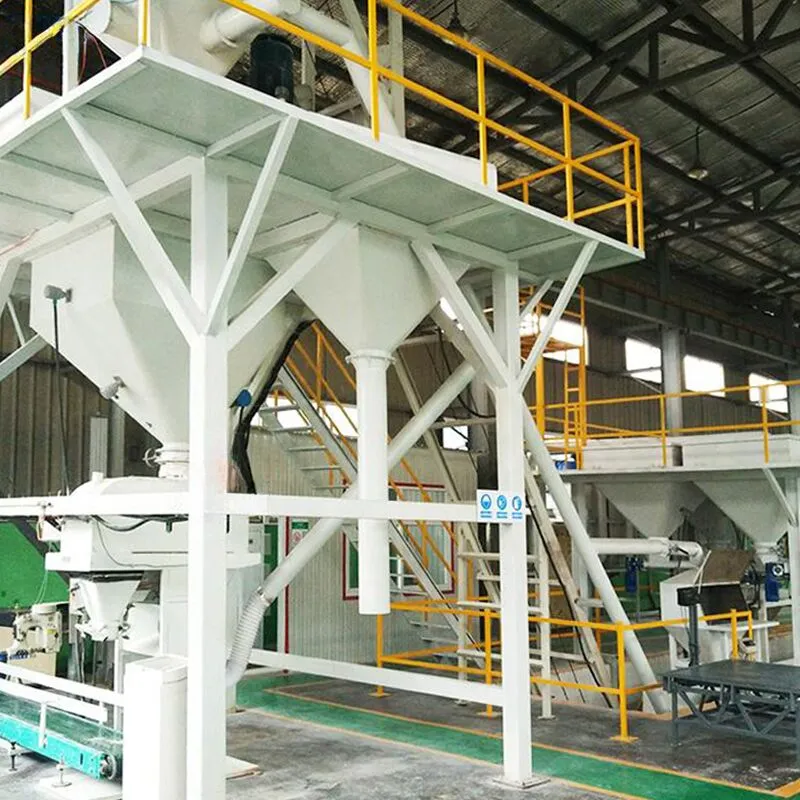
Quality matters too. Poor mixes lead to uneven results. Look for products from lines that use precise batching—static measuring hits ±0.1-0.2% accuracy. This keeps formulas consistent, avoiding clumpy nutrients. Mixers with double ribbons blend without dead spots, preserving properties. Packaging seals in freshness, no dust or moisture issues. Such details ensure the liquid fertilizer you use performs reliably, cutting waste and boosting plant health.
Now, consider where quality starts.
Meet a Reliable Supplier: Hebei Aoliande Chemical Equipment Co., LTD.
As a key player in the field, Hebei Aoliande Chemical Equipment Co., LTD. supplies full water soluble fertilizer production lines. Based in Hebei, China, they handle everything from batching to packing. Their setups process 3-10 ingredients into uniform liquids or solids that dissolve clean. This ensures high absorption rates—up to 95%—for drip or foliar use. With ISO certifications and exports worldwide, they focus on reliable tech for steady output.
Their lines feature dust-free feeding to cut pollution, accurate static batching with fast and slow modes for precision, and horizontal double ribbon mixers that fit sticky materials without dead zones. Automatic packaging uses stainless steel parts for corrosion resistance, with electronic weighing for exact fills. These elements produce high-quality water soluble liquid fertilizer free of impurities, supporting quick crop uptake. Check their products for lines that fit various scales.
Their approach supports growers aiming for consistent results.
Wrapping up, these insights guide effective use.
Conclusion
Liquid fertilizer transforms plant care when handled right. It delivers fast, even nutrition, cutting waste and boosting health. From lawns to veggies, proper steps yield visible gains. Pair with good habits for long-term success. Explore more on our site to dive deeper.
FAQs
What is the best way to use liquid fertilizer on vegetables?
Mix according to label, apply via soil drench every two weeks. Water lightly first for even spread. This promotes robust growth without burn.
How do I handle diluting liquid fertilizer for indoor plants?
Use quarter strength monthly. Mixing liquid fertilizer with water in a jug ensures no clumps. Test on one leaf to check reaction.
Can I try foliar feeding with liquid fertilizer on my lawn?
Yes, but sparingly. Spray diluted mix in cool hours. It supplements root feeds, fixing quick deficiencies like pale patches.
What are safe liquid fertilizer application rates for beginners?
Start at half recommended dose. For gardens, 1:20 ratio covers most. Monitor plants and adjust up if needed.
How often should I consider using liquid fertilizer in garden beds?
Bi-weekly in growing season. Less in winter. Consistent timing keeps soil balanced.