
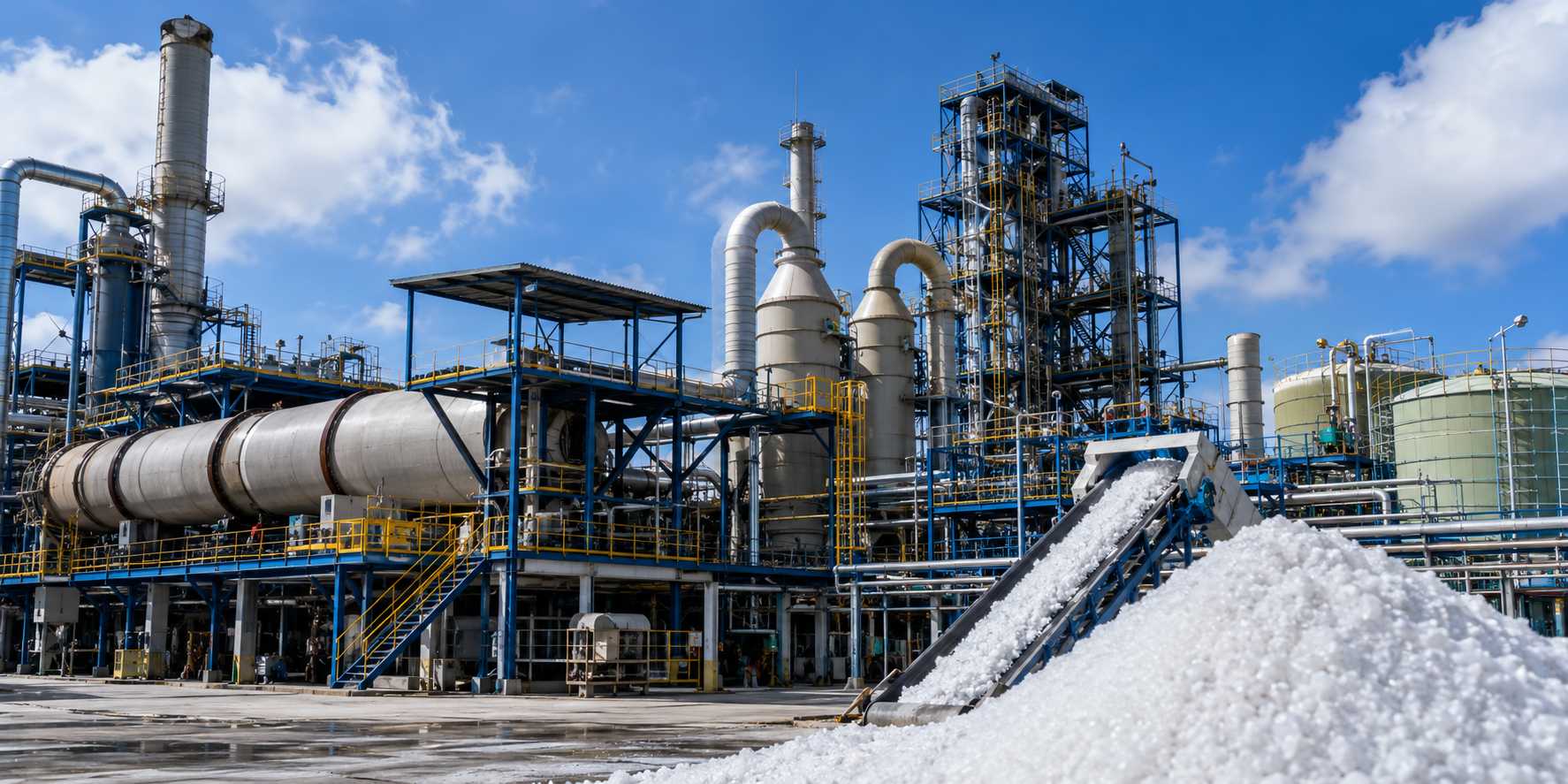
A Mannheim Process Sodium Sulfate Production Line can produce consistent anhydrous sodium sulfate and recoverable hydrochloric acid when reaction, heat transfer, gas handling, and material movement stay balanced. The answer is rarely “add more heat.” Stable output comes from tight feed control, even furnace conditions, reliable movement, disciplined maintenance, and quick use of operating data.
Why Conversion Falls in the Mannheim Process
The Mannheim route reacts sodium chloride with sulfuric acid at high temperature:
2NaCl + H2SO4 → Na2SO4 + 2HCl
The reaction forms an acidic intermediate before sodium sulfate. Conversion losses appear when the second stage does not finish. Cold zones, thick material beds, worn rabble parts, or short residence time can leave some salt unreacted.
Watch the Whole Reaction, Not One Temperature
One reading cannot show conditions across the reaction bed. Temperature points should cover the feed area, reaction zones, discharge area, flue path, and gas outlet. A steady gap between nearby points may reveal poor gas distribution, refractory damage, air leakage, or material build-up before laboratory results change.
Mannheim furnaces commonly work above 600°C, although the operating window depends on furnace design and feed conditions. The target is a stable heat level that completes the reaction without sintering, excess fuel use, or faster wear.
Control Raw Materials Before They Reach the Furnace
Furnace tuning cannot correct unstable raw materials. Sodium chloride purity, moisture, particle size, and sulfuric acid concentration affect feed ratio control, heat demand, gas generation, and sodium sulfate product purity.
Keep Salt Size and Moisture Consistent
Fine salt may create dust and uneven flow, while oversized crystals can leave a chloride-rich core. Wet salt changes the effective feed rate and consumes heat during evaporation. Each delivery should be checked against a plant specification.
Incoming checks should include:
- sodium chloride assay and moisture;
- particle-size distribution;
- calcium, magnesium, and insoluble matter;
- sulfuric acid concentration and temperature;
- hourly feed-rate deviation.
Use Mass Flow, Not Operator Judgment
Manual valve position is not reliable dosing. A weighing feeder for salt and a measured acid flow should be linked through the PLC control system. The logic can hold the molar ratio while compensating for acid concentration or salt assay.
A shift mass balance gives early warning. Compare salt and acid input with sodium sulfate output, HCl recovery, dust loss, and inventory change. When the numbers stop closing, the cause may be a bad flowmeter, leakage, scale build-up, or poor sampling.
Create Even Heat and Predictable Residence Time
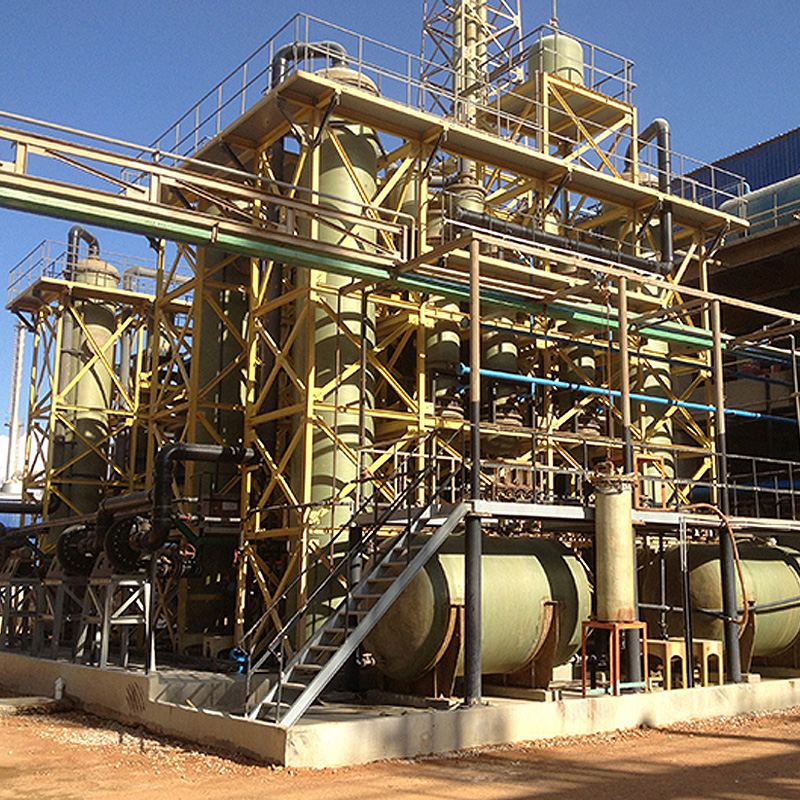
The Mannheim furnace is central to the sodium sulfate manufacturing process, but conversion depends on thermal and mechanical conditions. Heat must reach the full bed, while material moves slowly enough for the second-stage reaction to finish.
Remove Hot Spots and Cold Zones
Burner condition, combustion-air balance, flue gas design, furnace sealing, and refractory health all affect temperature distribution. An energy-efficient Mannheim furnace should provide even heating rather than a high average created by a few hot zones.
Review temperature trends, flame condition, furnace pressure, and flue-gas temperature. If one zone needs more fuel to hold the same reading, check air leakage, insulation, gas-path deposits, or the thermocouple before changing the recipe.
Keep the Bed Moving
Rabble arms, teeth, drive torque, and discharge equipment control residence time. Worn teeth leave dead areas. Fast discharge can send partly reacted material into the cooler. Slow movement creates a deep bed, poor heat penetration, and hard lumps.
| Operating signal | Likely cause | First check |
| Higher residual NaCl | Cold zone or short residence time | Temperatures and discharge rate |
| Rising drive current | Build-up or damaged rabble parts | Bed condition and clearance |
| Higher fuel per ton | Air leakage or poor heat transfer | Seals, refractory, and flue path |
| Variable product acidity | Unstable acid dosing | Flowmeter and control loop |
Stabilize HCl Recovery and Furnace Pressure
Hydrogen chloride removal affects furnace draft, corrosion, safety, and plant availability. A weak HCl recovery system can disturb gas flow and force production cuts.
Hold Absorption Conditions Steady
The hydrochloric acid absorption system should track gas flow, absorber temperature, liquid flow, cooling-water temperature, pressure drop, and acid concentration. Rising pressure drop may point to blocked packing or acid-mist deposits. Falling acid concentration may come from excess water, low gas capture, or poor cooling.
Fans and dampers should maintain slight, stable negative pressure. Too much air increases gas volume and cooling load. Too little draft raises leakage risk around the furnace.
Design for Corrosion, Then Measure It
HCl gas, hydrochloric acid, sulfuric acid, and chlorides create different corrosion conditions. Material selection should match each location. Corrosion monitoring should cover wall thickness, pumps, gaskets, and failure records by service condition.
Repeated leaks around joints or fan connections usually call for a design correction, not another identical replacement. The cause may be vibration, thermal movement, incompatible materials, poor drainage, or excessive gas velocity.
Turn Plant Data into Daily Decisions
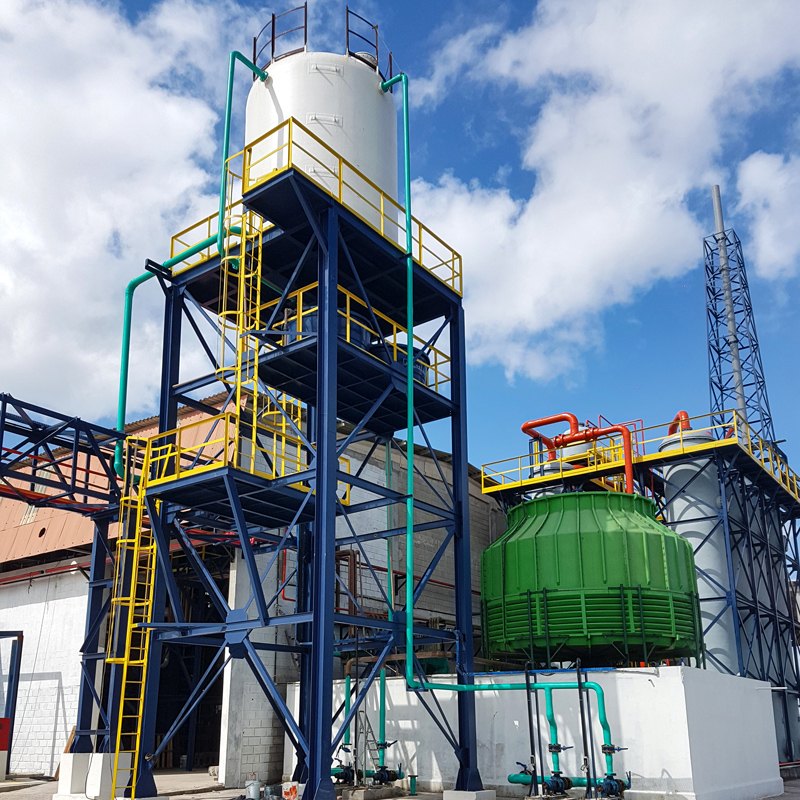
Industrial automation adds value when it helps the team act earlier. Operators need clear limits, short trend views, and alarms tied to a defined response.
Track a Small Set of Production KPIs
The most useful indicators are:
- sodium sulfate purity, residual NaCl, free acid, and moisture;
- fuel, acid, and salt consumption per ton;
- HCl recovery efficiency;
- furnace temperature spread and drive current;
- unplanned downtime and corrosion-related maintenance.
Compare hourly trends and daily averages with a seven-day baseline. A slow rise in fuel use may show heat-transfer loss before the line misses its purity target. A gradual increase in drive current may point to material build-up before the mechanism stops.
Product data should also be compared with operating conditions. When residual NaCl rises only during high production rates, residence time may be too short. When free acid changes while salt quality remains steady, the acid flowmeter or control valve deserves attention.
Build Interlocks Around Real Failure Modes
Useful interlocks cover low salt feed, high acid flow, loss of draft, absorber circulation failure, high gas temperature, cooler stoppage, and abnormal drive torque. Each interlock needs a clear reset rule.
Bypassed alarms and permanent manual mode usually mean that the control logic or instrumentation needs repair. An alarm that activates too often without a meaningful response soon becomes background noise. Alarm limits should match actual equipment and process risks.
A Practical Improvement Sequence
Plant upgrades need a fixed order. Confirm measurement accuracy first. Stabilize raw materials and dosing next. Then correct furnace heat distribution and material movement. Tune HCl absorption and heat recovery after the reaction is steady. Automation should support the process, not hide instability behind new screens.
A focused improvement program can include:
- mapping furnace temperatures and checking sensors;
- completing salt, acid, product, and HCl mass balances;
- inspecting rabble parts, seals, refractory, and flue passages;
- testing feed and absorber control loops;
- setting daily limits for residual NaCl, fuel use, and HCl recovery.
The first changes should be low-risk and measurable. Calibrating an acid flowmeter or repairing a furnace seal may deliver more value than a major equipment change. Each action needs a before-and-after comparison based on conversion, product quality, fuel consumption, HCl recovery, and downtime.
Hebei Aoliande Chemical Equipment Co., Ltd.
Hebei Aoliande Chemical Equipment Co., Ltd. supplies Mannheim Process Sodium Sulfate Production Line systems and related chemical equipment. Its service scope covers process consultation, equipment design, manufacturing, installation guidance, commissioning support, and operating assistance.
The production-line concept combines a Mannheim furnace, corrosion-resistant equipment, improved flue routing, automatic raw-material control, HCl absorption, cooling, and product handling. This integrated approach helps prevent gaps between individual equipment sections during plant design and commissioning.
The company also works with sulfuric acid, calcium chloride, water-soluble fertilizer, and corrosion-resistant composite equipment. This broader process background is useful when a sodium sulfate project includes upstream acid supply, hydrochloric acid use, gas treatment, or plant-wide material integration.
Management system certifications and international project experience support structured quality, environmental, and safety work. For project owners, the main benefit is access to a supplier familiar with both the Mannheim reaction and the supporting systems required for continuous chemical production.
Conclusão
Higher conversion in a Mannheim Process Sodium Sulfate Production Line comes from control of the complete system. Stable feeds set the reaction basis. Even heat and reliable rabble movement provide enough time for full Na2SO4 production. A steady HCl recovery system protects furnace draft and plant availability.
Accurate instruments, practical interlocks, and daily KPI review keep small changes from becoming shutdowns. Plants gain more when conversion, energy use, corrosion, mechanical condition, and gas handling are treated as one operating problem rather than separate maintenance tasks.
Perguntas Frequentemente Fazidas
What causes low conversion in a Mannheim furnace?
Common causes include an incorrect feed ratio, variable sulfuric acid concentration, wet or oversized salt, cold furnace zones, worn rabble parts, material build-up, and short residence time. Laboratory results should be checked together with zone temperatures, feed records, drive current, and discharge rate.
How can a sodium sulfate plant reduce energy consumption?
Check furnace sealing, burner condition, refractory damage, flue restrictions, and material-bed depth. Stable dosing also matters because excess acid, wet salt, and variable feed increase heat demand. Heat recovery should be considered after combustion and reaction conditions are stable.
How is sodium sulfate product purity improved?
Reduce unreacted NaCl through consistent feed ratio control, even furnace temperature, and adequate residence time. Accurate acid dosing and a complete second-stage reaction reduce free acid. Clean cooling, screening, storage, and handling limit moisture pickup and contamination.
Can the HCl by-product be recovered for commercial use?
Yes. HCl gas can be cooled and absorbed in water to form hydrochloric acid. Its commercial value depends on acid concentration, impurity level, local demand, storage design, and transport rules. Stable gas capture and absorber cooling are essential for consistent acid quality.
What should buyers compare when selecting a sodium sulfate production equipment supplier?
Buyers should compare process guarantees, furnace design, corrosion-resistant materials, HCl recovery scope, automation, energy-consumption basis, spare-parts planning, commissioning support, and complete-line experience. The proposal should clearly define battery limits, utility requirements, product targets, and operating responsibilities.