
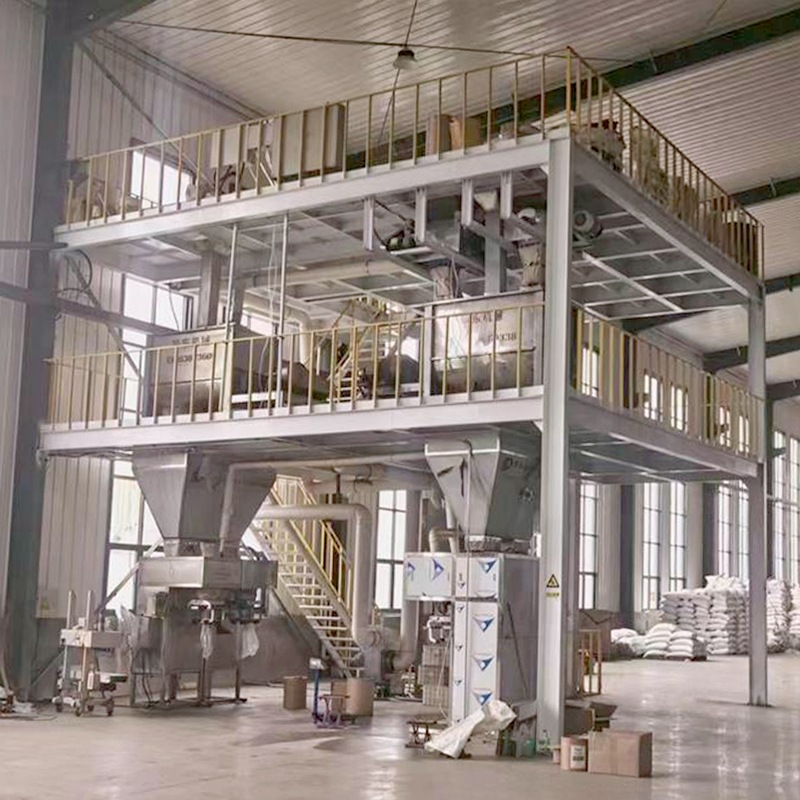
You know, modern fertigation looks pretty straightforward when you read about it. Just mix the fertilizer in water, pump it through the irrigation lines, and the plants grab what they need. But out in the real world on the farm, things can go sideways fast. One minute your stock tank water is crystal clear. The next, it goes cloudy for no obvious reason. That powder you used last week poured out smooth as silk, but now it’s turned into stubborn hard lumps inside the bag. Pressure in the drip lines starts dropping unexpectedly. Then emitters that used to give every plant the same amount begin clogging up, one row after another.
These everyday water soluble fertilizer problems usually come down to four big root causes. Think micronutrient incompatibility, caking during storage, unwanted precipitation, and the nightmare of drip irrigation clogging. The chemistry of your local water, which raw materials you pick, and how carefully you mix everything matter just as much as the nice formula listed on the bag.
Why “Water Soluble” Does Not Always Mean Trouble-Free
Here’s the thing that surprises a lot of people. A water soluble fertilizer might mix perfectly clean in a small lab test beaker, yet still create headaches once it hits a real fertigation setup. That gap is exactly why growers, distributors, and even fertilizer plants keep hearing complaints, even when the product label looks spot on.
In day-to-day use, dissolving is only the first step. The fertilizer also has to stay stable sitting in the tank for hours. It needs to play nice with whatever water source the farm actually uses. And it must travel through all the drip lines and emitters without dropping any solid bits behind. Water temperature swings, the pH level, how hard the water is, and especially the amount of bicarbonates floating around — all of these things can change how well the fertilizer behaves.
A blend that runs smooth with soft surface water can act completely different on the same farm after they switch over to hard well water. So using proper solution grade fertilizer and doing at least basic water testing isn’t some extra nice-to-have. For serious drip irrigation work, it’s basically required.
What Usually Changes Between the Factory and the Farm?
Rarely does one single mistake cause the whole issue. More often it’s a bunch of little slips that pile up until you see the problem right in front of you.
Maybe the formula balances nicely on paper, but someone ends up tossing incompatible nutrients together in the same tank anyway. Or the product does dissolve, just not all the way when the water out on the farm stays cooler than expected. Fine powder can quietly soak up humidity while sitting in storage and slowly turn into cakes. High-bicarbonate water sometimes kicks off precipitation right after you inject the mix. Even when drip lines have filters, people forget to flush them regularly enough.
That’s why the really useful articles on this subject zero in on concrete trouble spots instead of talking in big general terms. Farmers aren’t hunting for basic definitions. They’re looking for straight answers to questions like why their water soluble fertilizer suddenly precipitates, practical ways to stop fertilizer clogging before it starts, and exactly what makes caking happen in storage.
Micronutrient Compatibility: The First Hidden Risk
Compatibility trouble often sneaks in quietly, long before you spot any sediment at the bottom. The mix can look totally fine for the first few minutes after stirring. Then tiny particles that won’t dissolve start forming. They drift down in the tank or build up later inside the emitters.
You see this most often when people handle calcium, phosphate, and sulfate without being extra careful. Calcium from one source easily reacts with phosphate and creates insoluble calcium phosphate. It can also team up with sulfate to leave behind calcium sulfate deposits that feel like gypsum. Both reactions get much worse if the water runs high on pH or has lots of bicarbonates. Using chelated micronutrients helps in certain recipes, but it doesn’t magically fix every possible clash.
A Simple Compatibility Guide for Fertigation
| Nutrient combination | Risk level | What may happen |
| Calcium + phosphate | Alto | Calcium phosphate precipitation |
| Calcium + sulfate | Alto | Calcium sulfate or gypsum-type deposits |
| Micronutrients in high-pH water | Medium to high | Reduced solubility, sediment over time |
| Mixed fertilizers without jar test | Médio | Cloudiness, delayed precipitation, clogging |
Take a common real-life case. A grower runs a calcium-heavy fertilizer from one tank and a phosphate-rich blend through the same injection system without separating them properly. At first everything looks clear. A couple hours later the stock tank turns milky white, and flow in the drip lines starts dropping. That’s not just an ugly look. It means the nutrients are falling out of solution so the crop can’t use them well, and the whole irrigation setup is now under extra strain.
Why Fertilizer Caking Happens in Storage
Lots of folks treat caking like it’s purely a packaging failure. Actually it’s a deeper issue. During water soluble fertilizer production, caking usually kicks off because of hygroscopic raw materials that love grabbing moisture, uneven particle sizes, weak control over humidity, or mixing that isn’t consistent enough.
Imagine this scene in a warehouse. Bags sit through a humid stretch of weather. On the outside they still appear fine. Inside though, the material starts bridging and hardening into chunks. When the worker finally cuts the bag open, the powder won’t pour out smoothly anymore. Later during mixing, those lumps take forever to break down — or they never do completely. The end result is uneven nutrient spread in the field and more chances for mixing headaches.
The Main Causes of Water Soluble Fertilizer Caking
| Cause | Typical field or factory sign | Practical fix |
| Moisture pickup | Hard lumps in bags | Better moisture barrier and drier storage |
| Particle size mismatch | Segregation in blending | Narrower raw material size range |
| Uneven mixing | Hot spots of one ingredient | More accurate batching and mixing time |
| Poor packing conditions | Product hardens after filling | Lower humidity at packing stage |
A solid formula can still disappoint if the packaging and handling steps are sloppy. Distributors feel this pain just as much as the manufacturers do. Once caking sets in during storage, you start getting unhappy calls way before the product even makes it to the irrigation lines.
Precipitation in the Tank: Why Clear Solutions Turn Cloudy
Precipitation inside the tank is one of the most common searches about water soluble fertilizer problems. It’s obvious when it happens, and ignoring it gets expensive fast.
A lot of people figure it only shows up when you accidentally mix two fertilizers that don’t get along. But the water source itself can trigger fertilizer precipitation in water too. Hard water full of minerals or high bicarbonate levels can react with the dissolved nutrients once they’re injected. Temperature matters a surprising amount. Something that dissolves nicely in warm afternoon water might drop sediment when you mix it on a chilly morning.
The Water Quality Checks That Matter Most
Don’t rush to blame the fertilizer bag. First run these quick checks on your irrigation water:
- pH level
- Overall hardness
- Bicarbonate concentration
- Actual temperature when you’re mixing
If any of those numbers sit too far outside the normal range for your setup, even a formula that tested stable can start throwing precipitates. Running a simple jar test with the exact water from your farm is still one of the fastest, cheapest ways to catch compatibility issues early — before you commit to a big fertigation run.
Drip Irrigation Clogging: Where Small Mistakes Become Big Costs
Once emitters start clogging, the problem moves beyond just fertilizer quality. Now you’re looking at uneven crop growth that hits your wallet hard.
Even if only a small percentage of emitters lose flow, you end up with weak spots scattered across the greenhouse, orchard, or vegetable field. One row gets decent nutrients and water. The row right next to it starves a bit. Growers sometimes don’t notice until the leaves change color unevenly, fruit sizes vary wildly, or patches of poor growth become impossible to miss. By that point the causes could be chemical buildup, leftover particles, biofilm slime, or — worst of all — all three working together.
The Three Most Common Causes of Fertigation Clogging
- Chemical cloggingThis happens when incompatible fertilizers or bad water chemistry cause precipitation that builds up over time.
- Physical cloggingUndissolved bits, weak filtration, or dust that sneaks in during mixing and filling can block lines and emitters.
- Biological cloggingMicrobes, algae, and slimy growth love to thrive inside tanks and pipes if you don’t keep them clean.
The clear takeaway? Even the top-tier water soluble fertilizer for drip irrigation won’t deliver good results if you skip regular filtration, line flushing, and basic tank cleaning. The best product still needs solid system management to shine.
How to Reduce Compatibility Problems, Caking, and Clogging
Fixing these issues doesn’t have to be overly complicated. Consistency is what really counts.
Start with Raw Material and Formula Discipline
Pick solution grade materials that are actually made for fertigation work. Keep calcium away from phosphate or sulfate whenever the recipe calls for separation. Bring in chelated forms only when your specific water and crop plan truly need them. Never assume one all-purpose recipe will handle every possible water source without problems.
Match the Formula to the Water
Test your water properly before you finalize and lock in any formula. Waiting until complaints roll in from the field is too late. High bicarbonate, elevated pH, or strong hardness? Adjust the blend ahead of time. That one upfront step stops a surprising number of precipitation headaches in drip systems.
Keep Production and Packing Stable
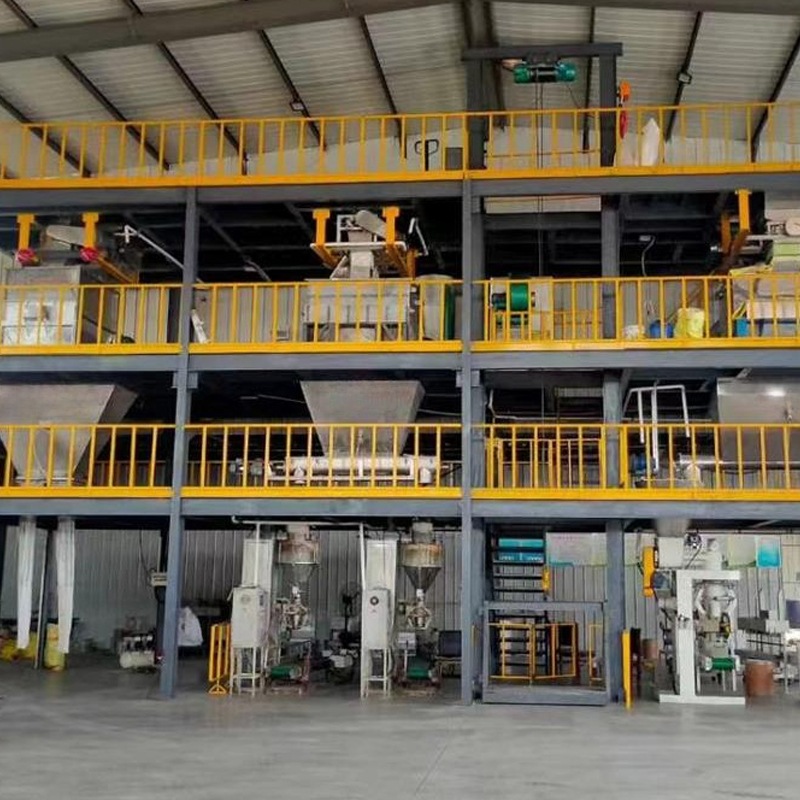
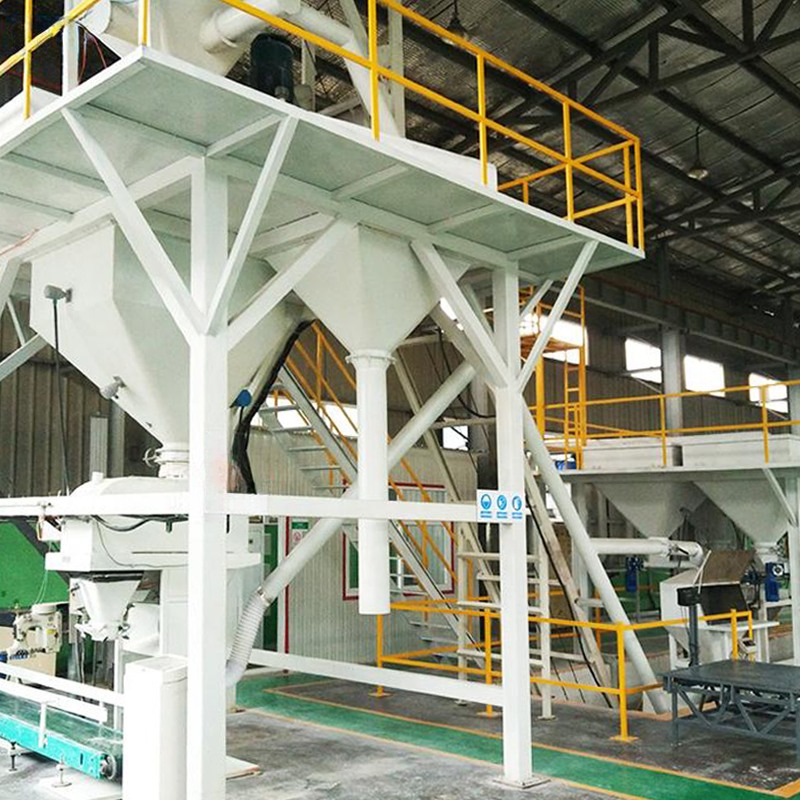
A dependable water soluble fertilizer production line needs tight control over feeding raw materials, accurate batching, uniform mixing, and good sealed packing. On Aoliande’s product pages they describe the standard flow as materials feeding, batching, mixing, and packing — with 3 to 10 ingredients measured precisely by the formula and then packed automatically. That whole sequence is important because strong field performance really starts back at the factory with steady, repeatable work.
About Hebei Aoliande Chemical Equipment Co., LTD.
Before wrapping up the main points, it makes sense to mention the company that supplies equipment for this kind of production. Hebei Aoliande Chemical Equipment Co., LTD. positions itself as a maker of chemical equipment and full production lines. Their offerings include calcium chloride, water soluble fertilizer, potassium or sodium sulfate, sulfuric acid, HPMC, and FRP-related machinery. They mention holding management system certifications, employing around 300 people, and having export experience in several overseas markets.
For anyone shopping for a Calcium Chloride Production Line supplier or a broader partner in chemical equipment, these background details help. They suggest real manufacturing experience, solid process knowledge, and the willingness to build customized lines instead of pushing only standard catalog items.
Conclusão
Most water soluble fertilizer problems don’t actually begin out in the field. They usually trace back earlier — to incompatible nutrients thrown together, water issues that never got treated, weak moisture control in storage, or batching and mixing that wasn’t consistent enough. When those weak links get overlooked, you end up with the usual headaches: caking that ruins bags in storage, cloudy precipitation in the stock tank, and clogged drip lines that hurt uniformity across the crop blocks.
The smarter path is to treat formula design, water chemistry, packaging choices, and production line control as one single system. When everything works together, the product stays more stable, fewer complaints come back, and growers have a much better shot at delivering nutrients evenly exactly where the plants need them.
FAQ
What causes water soluble fertilizer to precipitate in the tank?
Poor compatibility between nutrients, hard water, lots of bicarbonates, high pH, or mixing in colder water are the usual suspects. Doing a quick jar test with the actual irrigation water you plan to use is still one of the smartest first checks before you scale up fertigation.
Can calcium fertilizer be mixed with phosphate fertilizer in fertigation?
Generally no — that combination carries a high chance of precipitation. Calcium and phosphate react pretty easily to form solids that won’t dissolve, especially if the water is already high in pH or bicarbonates. Most successful fertigation programs keep these two apart on purpose to protect the drip lines from clogging.
How can water soluble fertilizer caking be reduced during storage?
Focus on tighter moisture control, stronger packaging, more uniform particle sizes, and steadier batching plus mixing back at the plant. Once caking has already started, the lumps tend to dissolve slowly and cause extra trouble later in the mixing or injection steps.
Why do drip emitters clog after fertigation even when the fertilizer dissolves well?
Because full dissolving in the tank is only half the battle. Later on you can still get chemical precipitation, floating particles that slipped through, or biological slime growth blocking the emitters. Good filtration, regular flushing of the lines, clean tanks, and careful fertilizer compatibility all play a role in keeping things flowing.
What should a water soluble fertilizer production line control most carefully?
Pay close attention to accurate material feeding, precise batching, uniform mixing throughout every batch, and solid packing quality at the end. Those steps directly affect how consistent the formula stays, how much caking risk you face, and how reliably the product performs once it reaches the farm’s fertigation and drip irrigation systems.